The Museum of Tolerance Jerusalem opened in a phased rollout between 2023 and 2025, becoming one of the most significant new cultural institutions in the city in decades. Built near Mamilla and within walking distance of Jaffa Gate, it occupies a 150,000 square foot purpose-built facility and covers ground that no other Jerusalem museum addresses: human rights, coexistence, Jewish identity, and the living history of contemporary Israeli society alongside deeper historical exhibitions.
It is operated by the Simon Wiesenthal Center — the organisation behind the Museum of Tolerance in Los Angeles — but the Jerusalem institution is independently programmed and has its own focus, rooted in Israel’s specific context. The Los Angeles museum covers the Holocaust and American social history; the Jerusalem museum is anchored in the modern Middle East, the Jewish people’s relationship to this land, and the events of the last two years.
This guide covers what to expect, how to book, practical logistics, and how it fits alongside other Jerusalem cultural destinations.
What the museum covers
The permanent collections address several distinct themes across the building’s multiple floors.
Jewish history and identity form the foundational layer — the long arc of Jewish civilisation, diaspora life, and the return to Israel. The museum presents this as a living narrative rather than a purely archival one, connecting historical threads to the present tense.
Coexistence and human rights exhibitions address tolerance, prejudice, and the challenge of building shared societies — themes the Wiesenthal Center has emphasised in its educational programming for decades. These sections are designed for broad audiences, including international visitors with no prior knowledge of Israel.
The “From Darkness to Light” gallery is the most discussed and most emotionally demanding part of the museum. It contains testimony from survivors and first responders from the October 7, 2023 attacks on southern Israel — curated accounts, video testimonies, and contextual material. The exhibition is the only formal institutional presentation of October 7 testimony at this scale and is likely to draw significant international attention from diaspora visitors, journalists, and anyone seeking to understand what happened beyond news coverage. It is not recommended for children under 12 and requires emotional preparation from any visitor regardless of prior knowledge.
The children’s museum wing is a separate, self-contained space designed for visitors from approximately age five upward. The content here covers tolerance, diversity, and identity through age-appropriate interactive formats — quite different in tone and approach from the adult exhibitions.
The amphitheatre and events programme
One of the museum’s most distinctive features is its 1,000-seat amphitheatre — an unusual capacity for any Jerusalem cultural institution. The space hosts performances, lectures, film screenings, and ceremonial events. A venue of this size can serve as a major programming hub for international artists and speakers in a city where comparable indoor performance spaces are limited.
Check the museum’s events calendar at museumoftolerance.com/motj for current programming. The amphitheatre events are often ticketed separately from general museum admission.
How this fits alongside other Jerusalem museums
The Museum of Tolerance occupies a distinct position in Jerusalem’s cultural landscape.
Yad Vashem is the deep, comprehensive account of the Holocaust — the essential reference institution for any visitor wanting to understand that history. It is free, requires advance registration, and demands three to five hours. The Museum of Tolerance and Yad Vashem should not be combined on the same day — the emotional load is too great.
The Israel Museum (Ruppin Boulevard, Givat Ram) covers archaeology, the Dead Sea Scrolls, Jewish art, and world art collections. It is the largest cultural institution in the country by collection scope and visitor draw.
The Western Wall Tunnels and the Tower of David Museum cover Jerusalem’s physical and architectural history.
The Museum of Tolerance fills a gap none of the above addresses: recent events, contemporary Jewish identity, and the living question of what Israeli society is and wants to be. For international visitors — particularly diaspora Jews, Christian pilgrims with a broader interest in modern Israel, and anyone who has followed events in the region since 2023 — it offers framing that no other Jerusalem institution currently provides.
Location: Near Mamilla mall, west Jerusalem — walking distance from Jaffa Gate and the Old City entrance.
Admission: Approximately $18–22 per adult at time of writing. Check current pricing at museumoftolerance.com/motj/tickets before visiting, as fees are subject to change. Group rates and educational programmes are available.
Opening hours: The museum is closed on Saturdays and Jewish holidays. Current hours are listed at museumoftolerance.com/motj. Advance booking is strongly recommended — popular visiting times fill in advance.
Accessibility: The building is fully wheelchair-accessible throughout. Contact the museum directly for specific accommodation needs.
Photography: Follow the museum’s guidance on photography inside exhibitions — some galleries prohibit it. Standard rules apply: no photography of individual visitors without consent.
Time required: Allow two to three hours for a selective visit covering the main permanent exhibitions. If you are attending a programme in the amphitheatre or spending extended time in the “From Darkness to Light” gallery, plan for a half-day.
Getting there: The museum is central and easily reached by taxi, rideshare, or on foot from the Jaffa Gate area. The Jerusalem Light Rail and several bus lines stop nearby. Check Google Maps or Moovit for current routing.
Combining with the Old City
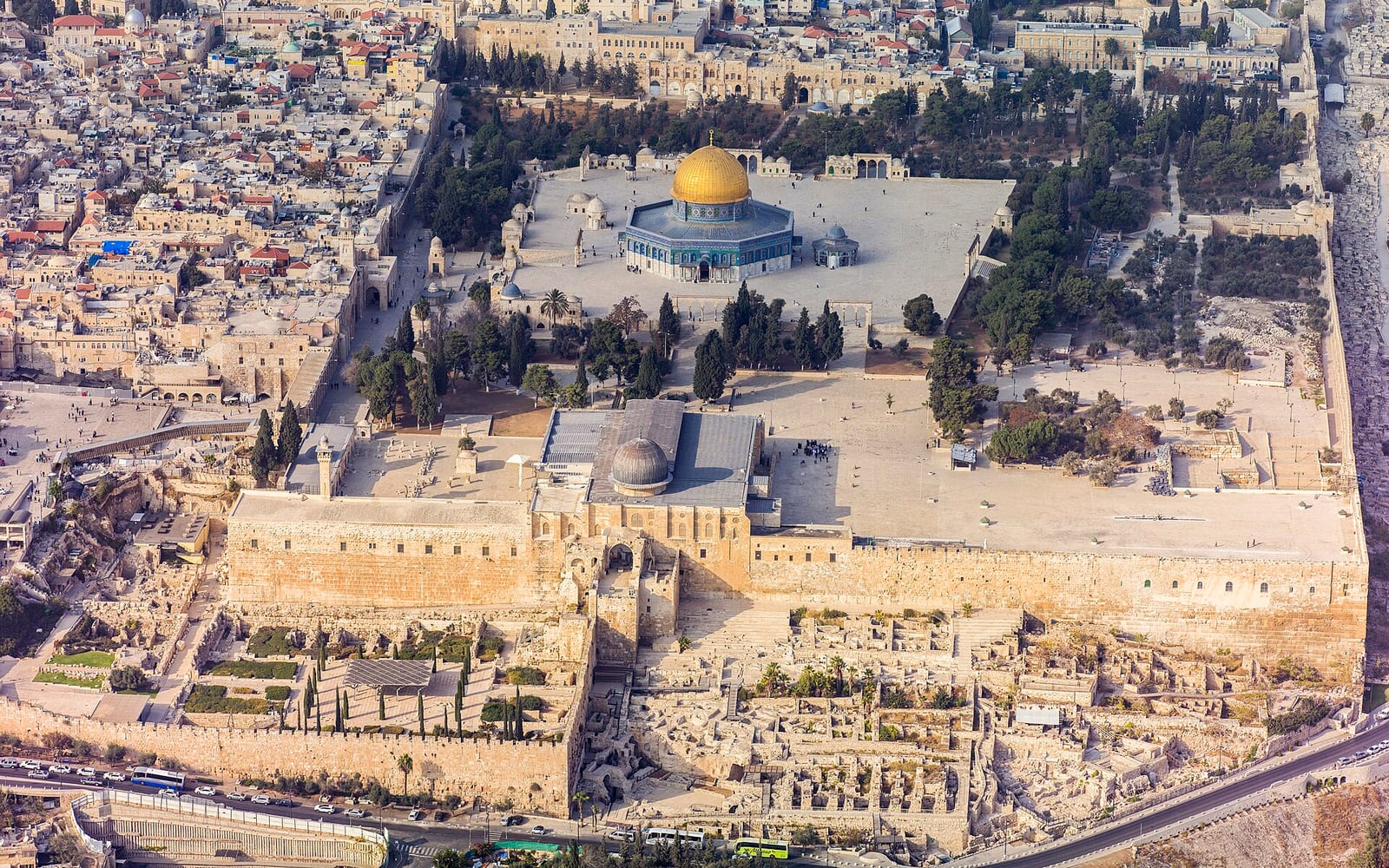
The museum’s location near Mamilla makes a natural half-day combination: museum in the morning or early afternoon, then walk through Jaffa Gate into the Old City for the afternoon and evening. The Mamilla open-air mall on the same street connects the two.
If you are visiting Yad Vashem, leave that on a separate day. The emotional weight of both institutions in one day is not recommended. Jewish heritage sites in Israel offers broader context on the range of historical and cultural destinations across the country.
For Jerusalem orientation, the Jerusalem neighbourhoods guide covers where to stay across the city’s distinct districts. The 1-day Jerusalem itinerary shows how the Museum of Tolerance fits into a full day visit alongside the Old City and Mamilla.