Northern Israel packages two very different landscapes into a small geography. The Galilee offers lake-level calm, Christian pilgrimage sites, and the warmth of Tiberias. The Golan Heights rises to a basalt plateau with volcanic scenery, world-class wine, and a highland freshness that makes it noticeably cooler in summer. They sit under an hour apart — most visitors with three or more nights do both — but if you’re choosing, here is how they compare.
Side by side
| Galilee | Golan Heights |
|---|
| Best for | Pilgrimage, lake, thermal baths | Scenery, wine, hiking, Druze culture |
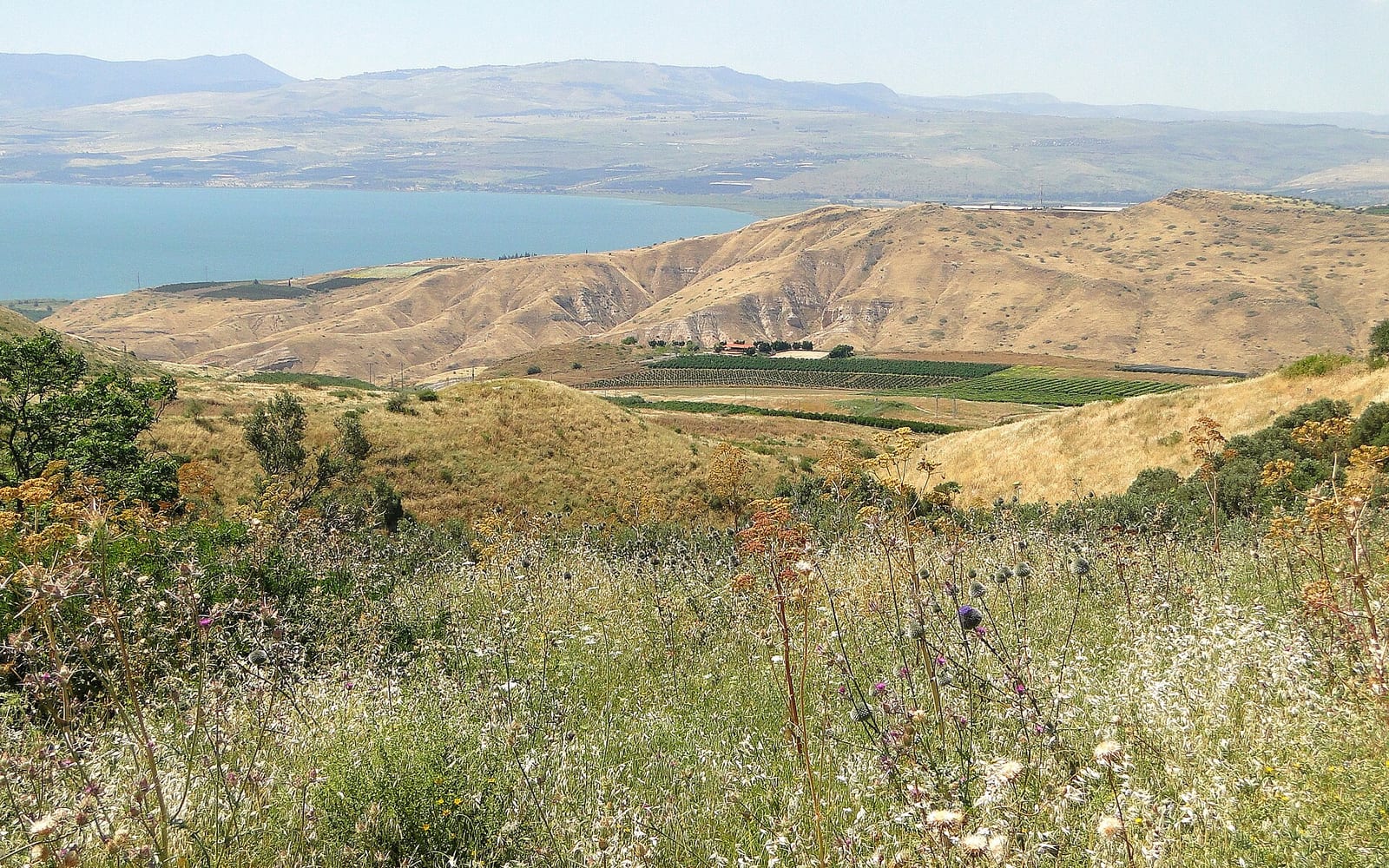
| Landscape | Freshwater lake at −209 m | Volcanic plateau at 700–1,200 m |
| Signature sights | Capernaum, Sea of Galilee, Tiberias | Banias waterfall, Mount Bental, Nimrod Fortress |
| Wine | Good (Upper Galilee) | Excellent (Golan Heights Winery, Pelter) |
| Without a car | Possible (Tiberias by bus) | Not practical |
| Summer temperature | 30–36 °C | 25–30 °C |
| Skiing | No | Yes — Mount Hermon (Dec–Mar) |
| Natural base | Tiberias | Katzrin or kibbutz tzimmer |
| Day-trip range | Nazareth, Jordan River, Haifa | Druze villages, Nimrod, Hermon |
Choose the Galilee if…
You are on a Christian pilgrimage or Sea of Galilee experience. The northern and western shores of the lake hold the New Testament circuit — Capernaum (synagogue ruins, Peter’s house), the Church of the Beatitudes (Sermon on the Mount site), Tabgha (Loaves and Fishes mosaic), and Yardenit (symbolic baptismal site). No other region in Israel delivers this concentrated theological geography.
The Galilee also works well if you are travelling without a car: Tiberias is reachable by Egged bus from Tel Aviv (roughly 2.5 hours), and organised Galilee tours run daily from Tel Aviv, Haifa and Jerusalem. From a Tiberias base you can walk or taxi to the Sea of Galilee shore, the hot springs at Hamat Tiberias, and Tiberias Old City.
For families, the Galilee offers a gentler entry: lake swimming, lower-key hiking on the Jesus Trail, and the Magdala archaeological park all work well with children.
Choose the Golan Heights if…
You want highland drama and fewer crowds. The Golan’s basalt landscape — craters, black-rock ridges, waterfalls cut through ancient lava flows — feels like a different country from the Galilee basin a thousand metres below. The Golan region hub covers the full menu, but the highlights that justify the drive are:
- Banias waterfall — Israel’s most dramatic waterfall (10 m drop) below Nimrod Fortress, reached via a suspended walkway through a gorge
- Mount Bental — a former Syrian army bunker with a 360° view into Syria; a sobering Cold War landscape now run as a coffee shop and walking trail
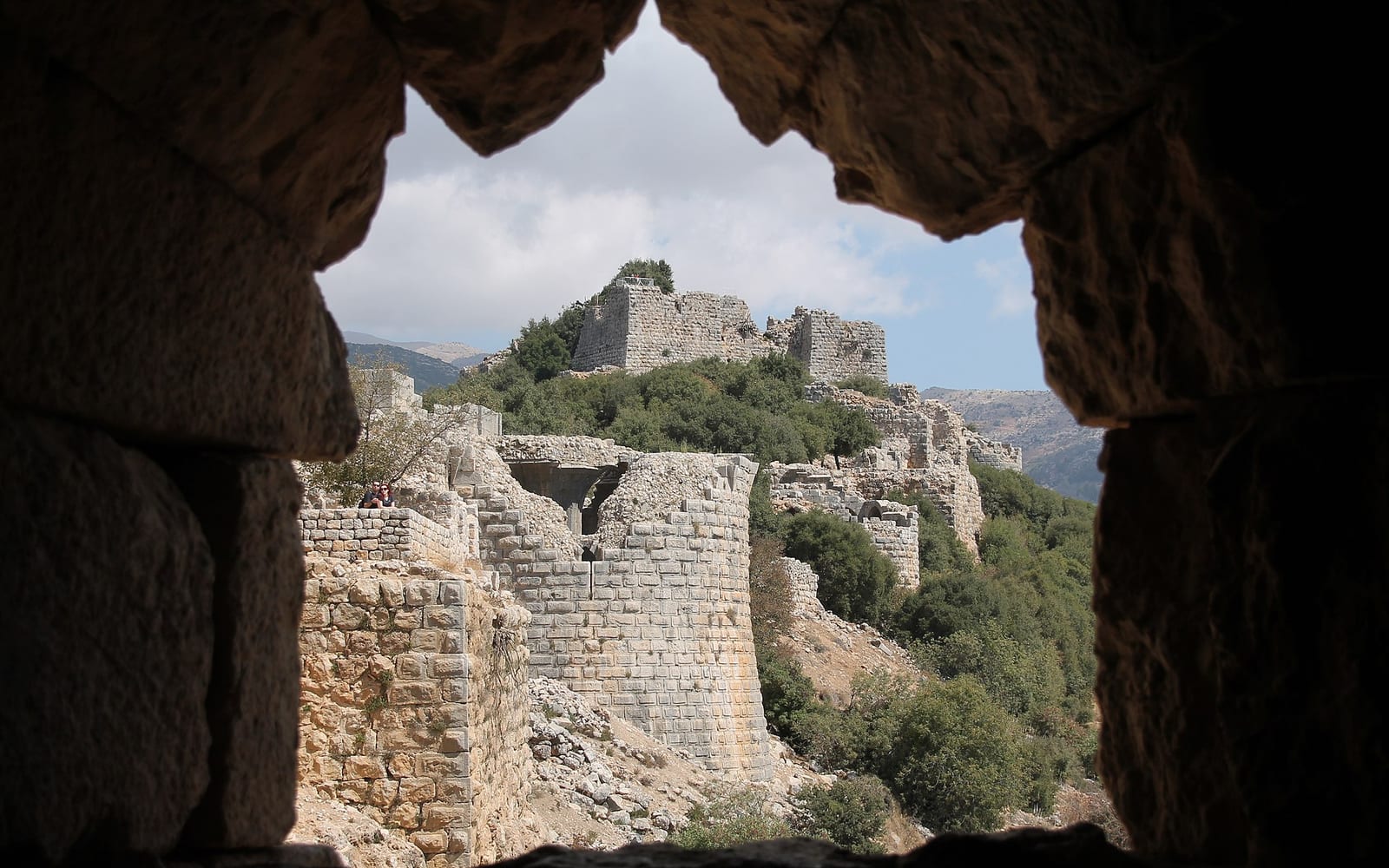
- Nimrod Fortress — a Crusader-then-Mamluk castle clinging to a ridge above the Banias valley; one of the most photogenic ruins in Israel
- Golan wine — Golan Heights Winery (Yarden label) in Katzrin does excellent cellar-door tastings; Pelter and Bazelet HaGolan are boutique alternatives nearby
- Druze village hospitality — lunch or coffee in Majdal Shams (the largest Druze village on the Golan) is a highlight of any northern trip; the Druze pita and mountain herbs are distinct from anything on the coast
In winter, the Golan is the only option if you want skiing: Mount Hermon’s slopes operate December to March, snow permitting.
The honest answer: plan both
From Tiberias, the drive to Katzrin takes about 35–40 minutes. There is no geographic reason to choose — a three-night northern loop comfortably covers both regions without rushing. A natural structure:
- Day 1 — Arrive Tiberias; Sea of Galilee evening walk; dinner at a lakeside restaurant
- Day 2 — Galilee pilgrimage circuit (Capernaum, Beatitudes, Tabgha) + afternoon Hamat Tiberias thermal springs
- Day 3 — Drive north through the Jordan River valley to the Golan; Banias waterfall, Mount Bental, Druze lunch in Majdal Shams; overnight in Katzrin or a kibbutz tzimmer
- Day 4 — Nimrod Fortress in the morning; Golan Heights Winery tasting; drive south
See the Galilee tours compared page for organised group options, or the transportation guide for the full overland logistics of a self-drive northern loop.
Bases and getting there
Galilee base — Tiberias: The main city on the western shore; all accommodation tiers from guesthouses to waterfront hotels; thermal baths at Hamat Tiberias 5 minutes south. Reachable by Egged bus from Tel Aviv (~2.5 hrs) or Ben Gurion Airport (~2 hrs with a change in Haifa or direct by car). Kibbutz guesthouses on the lakeside (Kibbutz Ein Gev on the eastern shore is one of the best) are more atmospheric but car-dependent.
Golan base — Katzrin: The regional town; good supermarkets, petrol, a Youth Hostel, and several hotels. Most international visitors who want the full Golan experience stay in a kibbutz tzimmer (self-catering wooden cabin on a kibbutz farm) — Kibbutz Merom Golan and Moshav Odem are the most popular. Advance booking is essential on holiday weekends. A rental car picked up at Ben Gurion Airport or Haifa is the only practical option for the Golan.
For the Golan’s administrative context and safety information, see is Israel safe.