Israel is a small country with a disproportionately large adventure portfolio. Within a few hours’ drive, you can rappel down desert canyons, surf the Mediterranean, ski in the north, kitesurf on the Red Sea, or take a hot-air balloon over Galilee at sunrise. Here is a full rundown of what’s available, when, and where.
Desert canyoning & rappelling
The Negev and Judean Desert are the heart of Israel’s adventure-sports scene for good reason: dramatic sandstone canyons, slot-canyon narrows and multi-pitch rappelling descents that require no previous climbing experience but still deliver a genuine thrill.
Top locations:
- Makhtesh Ramon (Ramon Crater) — the world’s largest erosion crater, centred on Mitzpe Ramon. Hiking, rappelling and jeep tours all depart from here. The crater walls expose 200 million years of geological strata; guided rappelling descents range from beginner (10–20 m) to advanced (60+ m) faces.
- Nahal Paran & Nahal Zin — remote southern Negev canyons with multi-day routes; joined by day-trip operators offering single-pitch descents.
- Wadi Qelt (Judean Desert) — the dramatic canyon running west to east from Jerusalem toward Jericho, threading past the ancient monastery of St George. A half-day hike with optional rappelling into the canyon floor.
- Red Canyon (near Eilat) — a short (45-min) but spectacular slot-canyon walk through red Nubian sandstone; easily self-guided or as a guided stop on an Eilat Mountains jeep tour.
Season: October–April. Avoid in summer — desert temperatures exceed 40°C at midday and the risk of flash floods increases with Mediterranean storms in autumn. Never enter a wadi if rain is forecast anywhere upstream.
How to book: Licensed guides are strongly recommended for first-timers. GetYourGuide and Viator both list vetted canyoning and rappelling experiences based in Mitzpe Ramon, the Dead Sea and Eilat.
Jeep tours & 4×4 off-road
Golan Heights and the Negev are the two main jeep-tour arenas. Both involve scenic off-road tracks that private cars can’t reach and sites where a guide adds real value.
- Golan jeep tours — volcanic basalt terrain, hidden waterfalls (Zavitan river), Syrian-era bunkers, Nimrod Fortress, and panoramic Hermon views. Spring jeep tours pass through wildflower-carpeted hillsides.
- Negev jeep & 4×4 tours — Ramon Crater rim tracks, Nabataean spice-route ruins, Bedouin hospitality stops, and sunset desert drives. Half-day and full-day formats available from Mitzpe Ramon and Be’er Sheva. See the Negev jeep tours guide for a full breakdown of circuits, self-drive tracks and booking advice.
- Eilat Mountains 4×4 — off-road tracks through the multicoloured sandstone mountains of the southern Negev, often combined with Red Canyon and Timna Park.
ATV & quad-biking
ATV rides are available in:
- Mitzpe Ramon and the Ramon Crater area — the most popular ATV destination; operators run 1–3 hour guided crater-rim and desert-valley circuits. Guides are mandatory — solo driving is not offered.
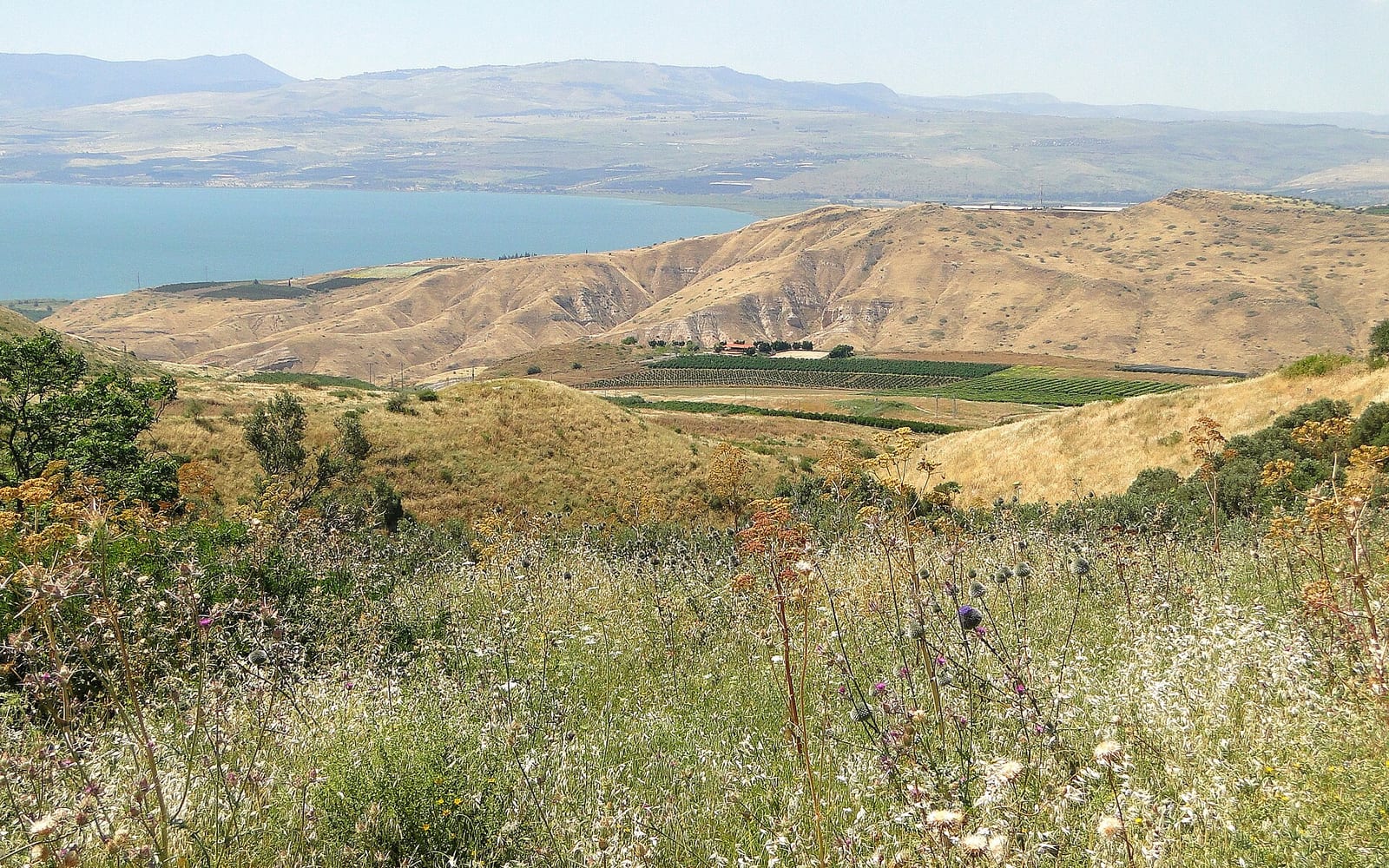
- Galilee and Golan — a handful of rural operators run quad tours through agricultural terrain and viewpoints above the Sea of Galilee.
Minimum age is typically 18 for self-driven ATVs; younger participants often ride as passengers with a guide.
Surfing & windsurfing (Mediterranean)
Tel Aviv has a genuine surf culture — something visitors rarely expect. The coastline faces northwest, catching Atlantic and Aegean swells that generate reliable waves in autumn and winter, with smaller summertime waves suitable for learners.
- Best spots: Hilton Beach breakwater and the area around Gordon Beach for learners; Bat Yam (10 km south) for better reef and shore breaks; Herzliya Pier for more consistent winter swells.
- Lessons and rental: several surf schools operate year-round on the Tel Aviv beachfront, offering boards, wetsuits and group lessons.
- Windsurfing: the summer sea breeze (the Sharav reversal in late afternoon) makes Tel Aviv Bay and Herzliya popular with windsurfers from May–September.
For the full breakdown of every surf spot, seasonal conditions, wetsuit guide and surf school logistics, see the Israel surfing guide.
Kitesurfing
Kitesurfers know Israel for two spots with very different characters:
- Haifa Bay (Kiryat Yam) — Israel’s premier kitesurfing spot; wide sandy beach, reliable thermal winds from late afternoon, and a flat lagoon for learning. The spot hosts national competitions and has established kite schools.
- Eilat (northern lagoon) — the sheltered Red Sea lagoon has constant year-round wind, very warm water and flat conditions ideal for learning. Several kite schools operate from the lagoon.
Both spots require a certified lesson before riding independently. Rentals and courses are available on-site.
Diving & snorkelling (Red Sea)
Eilat sits at the northernmost point of the Red Sea, with some of the most accessible coral reefs in the world:
- Coral Beach Nature Reserve — 1.2 km of protected reef accessible by entry permit (~₪30) and snorkel rental. One of the few places in the world where you can walk off the beach directly onto a coral reef.
- Dolphin Reef — a semi-wild dolphin colony where snorkellers and divers share the water with free-swimming bottlenose dolphins; dives are guided and capacity-limited.
- Moses Rock, Japanese Gardens, Canyon — the three most popular dive sites, ranging from entry-level shallow reefs to 30-m wall dives. Dozens of dive centres on the northern beach promenade offer PADI courses and day dive boats.
For a deeper dive on Eilat’s underwater scene, see our Eilat diving guide.
Sand surfing (Negev)
Sand surfing — riding a board or disc down steep sand dunes — is available at:
- Nitzana sand dunes (western Negev, near the Egyptian border) — the largest accessible sand dunes in Israel, up to 50 m high; the experience is part hike, part sled-like descent.
- Mamshit area near Dimona — smaller dunes but closer to Be’er Sheva, making it a half-day option from Jerusalem or Tel Aviv.
No specialist equipment is needed — dunes provide the boards. Best October–April.
Hot-air ballooning
Sunrise hot-air balloon flights operate across two main areas:
- Galilee (Lower Galilee / Jezreel Valley) — the most popular location; dawn flights drift over the Sea of Galilee, the Jezreel Valley and Mount Tabor at first light. Typical flight time 45–75 minutes, followed by a champagne toast. Flights require advance booking and are weather-dependent.
- Negev (Be’er Sheva / Ramon Crater area) — a second cluster of operators; desert dawn flights over the crater edges and Negev highlands.
Check availability in advance — flights are popular in spring wildflower season (March–April) and fill up quickly.
Paragliding & tandem flights
Israel has three distinct paragliding areas, each with its own season and character:
- Mt. Carmel coastal ridge (near Atlit, south of Haifa) — the most developed commercial paragliding area. The ridge generates reliable afternoon sea-breeze lift with Mediterranean coastal views. Best October–June.
- Galilee / Golan plateau sites (near Katzrin) — elevated plateau flying with panoramic views across the Sea of Galilee and the Jordan Valley. Best spring and autumn.
- Ramon Crater, Mitzpe Ramon — thermal soaring above the Negev’s vast erosion crater at 900 m altitude. Strong spring and autumn thermals; one of the most dramatic aerial settings in the country.
Tandem paragliding flights require no experience — you fly with a licensed Israel Civil Aviation Authority (CAAI) pilot instructor. Commercial operators include Adventure Israel (adventure-israel.com) and Paragliding Israel (paragliding-israel.com); GetYourGuide lists additional vetted operators. Flight duration is typically 10–30 minutes but can extend significantly on good thermal days.
For full site details, seasonal windows, booking advice and what to expect on the day, see the Israel paragliding guide.
Mount Hermon skiing & snowboarding
Mount Hermon in the northern Golan Heights is Israel’s only ski resort. It operates when snowfall is sufficient — roughly late December through March in good years — with 13 runs suited to beginners and intermediates. In low-snow winters, the upper slopes may not open at all. Pre-order tickets are mandatory; the resort does not accept walk-in gate sales on busy days.
- Summer season: the resort stays open year-round, offering a cable car to the upper slopes (2,073 m) for hiking, mountain biking trails, and a zip-line across the Hermon plateau.
- How to reach: Hermon is about 3.5 hours from Tel Aviv and 2.5 hours from Haifa. Ski and snowboard rental is available on-site. Check snow conditions at skihermon.co.il before travelling — snowpack varies year to year.
See the full Mount Hermon skiing guide for tickets, season windows, ski school details, and combining the resort with Banias and Nimrod Fortress on the same day.
Via ferrata (fixed-iron cliff climbing)
Israel has two established via ferrata routes in the Galilee — fixed-iron-rung cliff routes with harness and safety cable that require no prior climbing experience:
- Ramim Cliff (Kibbutz Menara, Upper Galilee) — Level B/C, 1.2 km loop, 2–3 hours; panoramic views over the Hula Valley; finishes with a zip-line descent. Operated by Ashdot Extreme (minimum age 12).
- Via Ferrata Ravid (Kibbutz Ravid, Lower Galilee) — Level C, 900 m route, 3–4 hours; views over the Sea of Galilee and the Golan Heights; includes suspension bridges and multiple zip lines. Operated by Israel Extreme / Adventure Israel (minimum age 14).
Both are advance-booking only; all equipment is provided. For a full comparison and booking tips, see the via ferrata Israel guide.
Zip-lining & high-ropes
Several sites across Israel offer zip-lining:
- Atlit adventure park (near Haifa) — a sea-cliff zip-line over the Mediterranean; the most dramatic setting in the country.
- Keshet Cave & Rappelling (near Akko) — a 200-metre zip-line and rappelling experience at Keshet Cave, a 48-metre natural limestone arch in the Nahal Kziv canyon; the arch is walkable as well, making it one of Israel’s most accessible geological formations.
- Mount Hermon (Golan) — year-round zip-line across the plateau.
- Kfar Hananya adventure park — in the Upper Galilee, with multiple lines and high-ropes elements.
Cycling & mountain biking
Israel has growing dedicated infrastructure for both road cycling and trail MTB:
- Golan Heights MTB trails — singletrack through volcanic basalt terrain, challenging climbs and technical descents; Katzrin is the hub for route maps and bike hire.
- Negev trail riding — technical desert MTB in the Eilat Mountains and around Ramon Crater; routes for all levels.
- Tel Aviv bike culture — 150 km of dedicated city lanes and the 38-km Yarkon River path are better suited to e-bikes and cruisers than MTB; see the cycling section in our transportation guide for bike-share logistics.
Planning tips
| Activity | Best region | Best season | Effort |
|---|
| Canyoning / rappelling | Negev, Judean Desert | Oct–Apr | Moderate–strenuous |
| Jeep & ATV | Golan, Negev | Year-round (avoid midday in summer) | Easy (guided) |
| Surfing | Mediterranean coast | Oct–Mar (swells) | Beginner-friendly |
| Kitesurfing | Haifa Bay, Eilat | Year-round | Beginner–intermediate |
| Scuba / snorkelling | Eilat (Red Sea) | Year-round | Easy (guided options) |
| Paragliding (tandem) | Haifa/Carmel, Galilee, Negev | Oct–Jun (Carmel); Mar–May, Sept–Nov (others) | Easy (tandem) |
| Hot-air balloon | Galilee, Negev | Mar–May, Sept–Nov | Easy |
| Skiing | Mount Hermon | Dec–Mar (snow-dependent) | Beginner–intermediate |
| Sand surfing | Nitzana, Negev | Oct–Apr | Easy |
| Via ferrata | Galilee | Oct–Apr | Moderate |
| Zip-lining | Galilee, Golan, Haifa | Year-round | Easy |
| River kayaking | Upper Jordan (Galilee) | Apr–Sep | Easy |
Bring adequate water for any desert activity — Israeli desert heat and dry air dehydrate faster than most visitors expect. Carry at least 1.5–2 litres per person for a half-day outdoor excursion, and more for full-day desert trips.
For full hiking routes, including the Israel National Trail and the Jesus Trail, see our hiking in Israel guide. For night-time adventure in the Negev, see the Israel stargazing guide — Mitzpe Ramon’s dark-sky park delivers a crater-rim experience that pairs naturally with a day of canyoning or ATV riding. For trail riding on horseback through the Galilee and Golan Heights, see the Israel horseback riding guide. For river kayaking on the Upper Jordan through the Hula Valley, see the Jordan River kayaking guide.