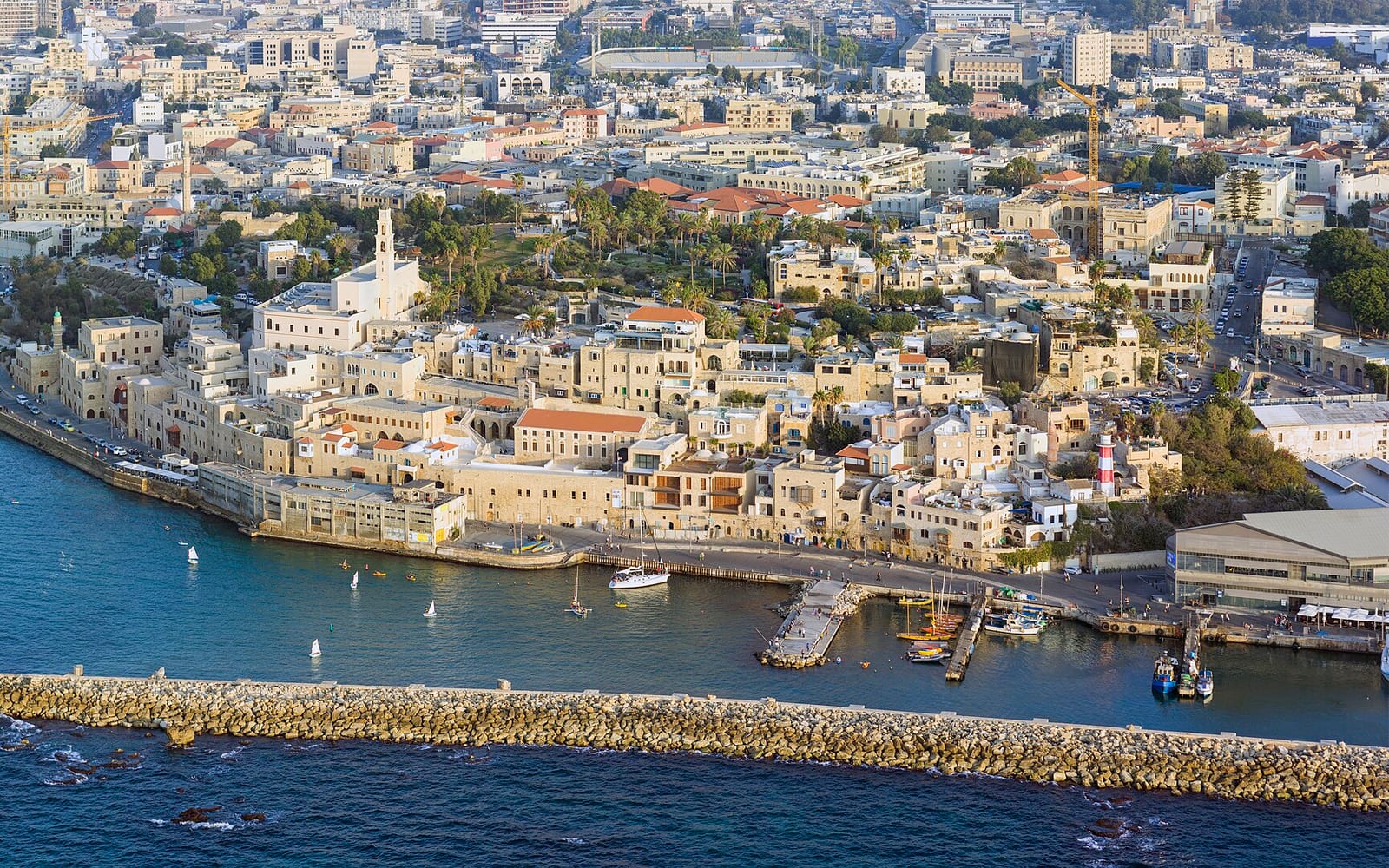
Old Jaffa sits at the intersection of the Arab-Israeli culinary world, a port city that predates Tel Aviv by four thousand years and whose food culture reflects every layer of that history — Palestinian-Arab home cooking, Libyan-Jewish immigration, Levantine seafood, and the newer wave of creative kitchens that has followed the flea market’s gentrification. A morning starting with hummus at Abu Hassan and ending with grilled fish at the port is one of the most satisfying single-day eating itineraries in the Middle East.
Abu Hassan — the hummus institution
The most famous address in Jaffa is not a restaurant in any conventional sense: Abu Hassan (also called Ali Karavan) on HaDolphin Street is a small, no-frills room that opens early and closes when the hummus pot is empty, typically by early afternoon. The claim that this is the best hummus in Israel is contested with the kind of passion usually reserved for politics — but the queue, which moves fast, tells you something about the consensus.
The move here is hummus masabacha — warm chickpeas in a tahini-heavy sauce with garlic and lemon, topped with whole chickpeas, a hard-boiled egg, a ladle of fuul (spiced fava beans) and a zigzag of chilli oil. Fresh pita arrives with it. The experience is roughly 15 minutes from queue to empty bowl. Cash only; no reservations; arrive by 10:00 on weekdays and by 09:30 on weekends.
A few minutes’ walk on Yefet Street, Said (sometimes spelled Sa’id) is the alternative with a fierce local following — slightly less tourist-heavy, same quality level, same morning-only and cash-preferred model. The rivalry between Abu Hassan and Said loyalists is a running Tel Aviv argument; both are worth trying if you’re in Jaffa on consecutive mornings.
Dr. Shakshuka — Libyan-Jewish home cooking
On Beit Eshel Street near the flea market, Dr. Shakshuka is the flagship address for the Libyan-Jewish culinary tradition in Israel. The owner — who is Dr. Shakshuka, in the sense that he created the restaurant’s persona and has maintained it for decades — runs a colourful, slightly theatrical sit-down restaurant that does shakshuka (eggs in spiced tomato) in a dozen variations.
The versions worth ordering: shakshuka with merguez sausage, lamb shakshuka with harissa, and the vegetable shakshuka with roasted aubergine. Beyond shakshuka, the kitchen produces couscous, slow-cooked tagines and a mezze spread of Libyan-Jewish salads — pureed pumpkin, spiced carrot, chickpeas with cumin — that are a distinct tradition from the Palestinian-Arab mezze of the port restaurants. Arrive hungry and order more than you think you need.
Old Man and the Sea — seafood mezze
The Jaffa port promenade’s most celebrated address is Old Man and the Sea (HaZaken VeHayam) — known for the theatrical arrival of 20–30 cold salads and mezze before the main course even appears. The spreads are not a token gesture: grilled aubergine with tahini, multiple hummus preparations, labneh with za’atar, pickled vegetables, stuffed vine leaves, roasted peppers. A table of four sharing mezze can be full before the fish arrives.
The main event is whole grilled sea bream, loup de mer or red mullet — simply seasoned, charcoal-grilled, deboned tableside on request. The port-view terrace is the best seat; book ahead for Friday lunch and Saturday evening, when the terrace fills. The experience is unhurried and suited to a long meal rather than a quick bite.
Margaret Tayar (also called Margarete), a few doors along the promenade, is an older local institution — less polished than Old Man and the Sea, more frequented by Jaffa residents, and with lower prices for equivalent quality whole fish and mezze.
Abouelafia bakery
Abouelafia on Yefet Street is a 24-hour Arab bakery that operates through Shabbat — making it a rare open address on Saturday when much of Tel Aviv is closed. The staples are ka’ak (sesame-encrusted bread rings sold individually), Jerusalem bagels, za’atar-and-cheese flatbreads and fresh pita emerging hot from the tabun oven. It has been a Jaffa landmark for over a century.
The practical uses: breakfast before Abu Hassan opens, a post-hummus pastry with coffee, a 02:00 snack after the flea market bars close, or a supply run for provisions on Friday when the Carmel Market is heaving. The quality is straightforward bakery rather than destination food, but the reliability and hours make it essential to know.
The flea market food and bar scene
Shuk HaPishpeshim — the Jaffa flea market — functions differently by day and by night. During daylight hours it is an antique and vintage market (Thursday–Saturday peak) with a few food stalls and café stops: Puaa on Yosef Lishanski Street is the long-running brunch institution in the market, with a menu of salads, eggs and Middle Eastern–inflected dishes that draws a creative Tel Aviv crowd.
After 21:00 on Thursday through Saturday evenings, the market district transitions into one of the better late-night bar zones in the city. Jaffa Bar and Container (on the port’s industrial northern edge) are the anchors; the surrounding alleys have accumulated smaller bars, record shops with drinks and pop-up food vendors. The demographic is mixed — Jaffa residents, Tel Aviv nightlife, tourists from the hostels and boutique hotels in the flea market area. The energy is more relaxed than Florentin or Rothschild.
Port fish restaurants — practical notes
The Jaffa port cluster sits at the northern end of the promenade, accessed by walking down the hill from the clock tower or along the waterfront from Tel Aviv’s southern beaches. The restaurants face west over the Mediterranean; sunset timing matters for terrace seats. Manta Ray, technically on the Tel Aviv side of the promenade boundary, is close enough to include in a port meal circuit — a well-regarded fish restaurant with a beach setting that differs in character (more Tel Aviv design hotel, less Old Jaffa texture) but similar quality fish.
Payment: Old Man and the Sea and Margaret Tayar accept credit cards. Abu Hassan and Said are cash only. Abouelafia prefers cash. Dr. Shakshuka accepts both.
Shabbat: Abouelafia is open. Jaffa’s Arab-Israeli restaurants (Abu Hassan, Said, Old Man and the Sea) are generally open on Saturday — the proprietors are Muslim or Christian Arab, not bound by Jewish Shabbat closings. Dr. Shakshuka is typically closed Friday evening and Saturday. The flea market food stalls and Puaa close Friday afternoon; Jaffa Bar and Container open Saturday evening.
Plan your visit
Morning hummus circuit (2–3 hours): Abu Hassan at 09:00–10:00 → Abouelafia for bakery items → coffee in the flea market at Puaa. This is the classic Jaffa morning. Pair it with the Jaffa Old City walking tour for the architecture context.
Midday–afternoon food deep dive: Dr. Shakshuka for a Libyan-Jewish lunch → flea market antiques browse → port promenade walk to scope the evening restaurant options. The Carmel Market is 20 minutes north by taxi if you want to compare market eating cultures in a single day.
Long seafood lunch or dinner: Old Man and the Sea with advance booking — build the afternoon around it, arriving early for cold mezze and staying through the fish course. Combine with the Jerusalem food guide if you’re spending multiple food days in Israel.
Guided option: A Jaffa food tour (see above) combines Abu Hassan, Abouelafia, the flea market and port in 3–4 hours with a guide who knows the backstory of each address. For broader Israel food context see food tours and cooking classes.
Hummus beyond Jaffa: Abu Hassan is the most celebrated stop on the Israel hummus trail — a circuit that also covers Abu Shukri in Jerusalem’s Muslim Quarter, Azura at Machane Yehuda, Abu Gosh, Hummus Said in Akko and Afteem in Bethlehem.