The Maccabiah Games — the world’s third-largest multi-sport event — is held in Israel every four years and draws over 10,000 Jewish athletes from more than 80 countries. The 22nd Maccabiah Games are running 30 June to 13 July 2026, transforming Jerusalem, Tel Aviv, Netanya, Haifa, and Beer Sheva into an international Jewish sporting celebration unlike anything else on the calendar.
Whether you are travelling to watch a family member compete, attending as a supporter from the diaspora, or simply visiting Israel during what becomes a nationwide festival of sport and community, this guide covers everything you need to plan your Maccabiah experience.
What is the Maccabiah Games?
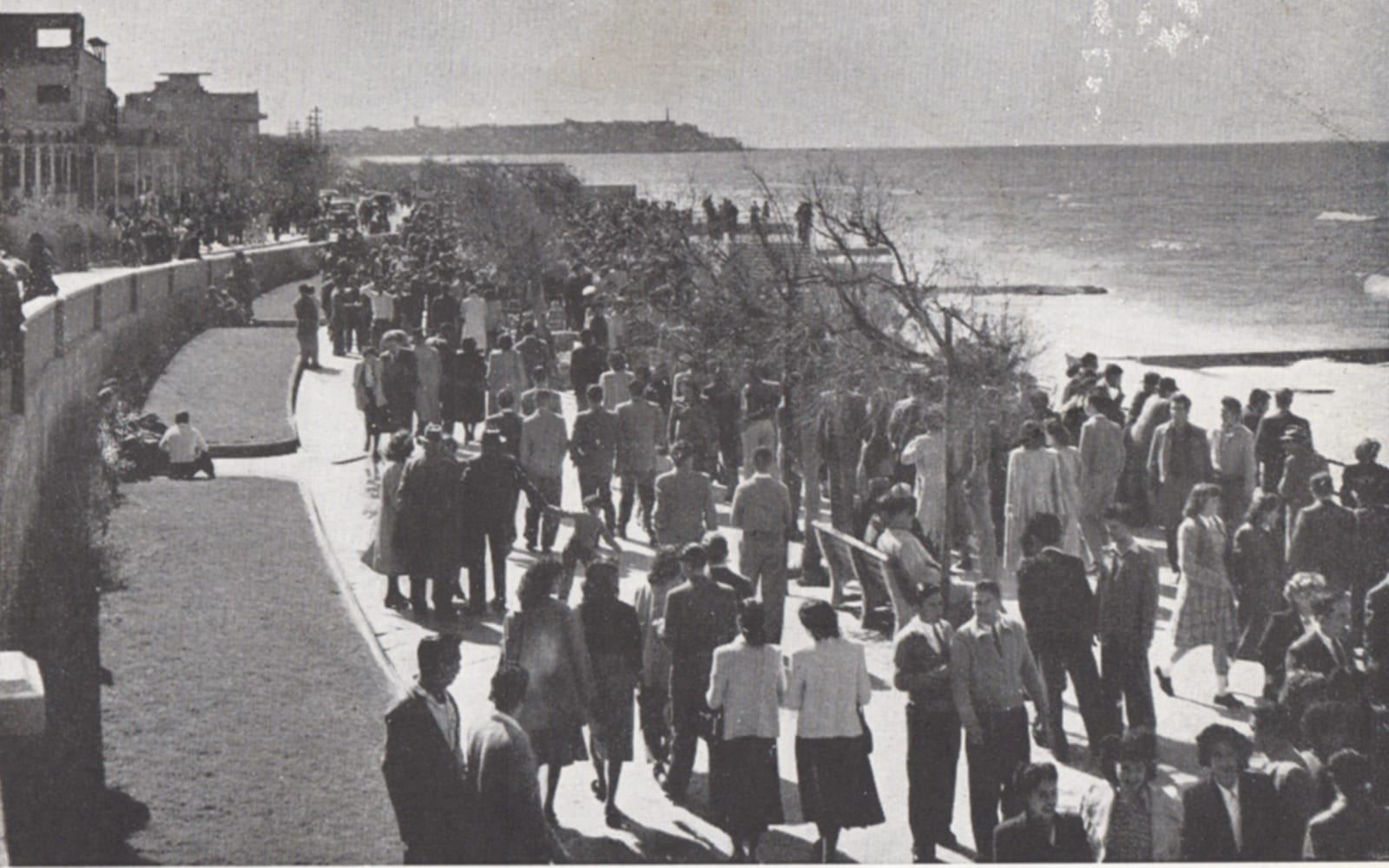
The Maccabiah is often called the “Jewish Olympics.” It is the third-largest multi-sport event in the world by number of athletes — behind only the Olympic Games and the Paralympic Games. The first Maccabiah was held in Tel Aviv in 1932, organised by Yosef Yekutieli as a way to demonstrate Jewish athletic achievement and strengthen ties to the Land of Israel. Fourteen Jewish athletes from across the Mandate were joined by delegations from ten countries; today the event draws more than 10,000 competitors.
The games are organised by the Maccabi World Union and held every four years, always in Israel. Athletes must be Jewish and/or Israeli citizens, or eligible to make aliyah under the Law of Return.
Four divisions compete:
- Open Division — Elite adult Jewish athletes from around the world, many holding national rankings in their home countries. This division includes internationally recognised sports talent.
- Junior Division — Athletes under 18. The largest concentration of elite junior Jewish athletes at any recurring international event.
- Masters Division — Athletes 35 and older, the most accessible division for recreational and community athletes from diaspora communities.
- Physically Challenged Division — Athletes with physical disabilities, competing across a range of adapted sports disciplines.
Sports at the 22nd Maccabiah Games include swimming, athletics (track and field), tennis, football (soccer), basketball, basketball 3×3, volleyball, gymnastics, cycling, golf, martial arts, fencing, rowing, sailing, and many others. The full programme is published at maccabiah.com.
The 2026 Games at a glance
The 22nd Maccabiah Games run 30 June to 13 July 2026.
| Aspect | Details |
|---|
| Dates | 30 June – 13 July 2026 |
| Host cities | Jerusalem, Tel Aviv, Netanya, Haifa, Beer Sheva |
| Opening Ceremony | Teddy Kollek Stadium, Jerusalem |
| Major swimming venue | Wingate Institute, Netanya |
| Athletes | 10,000+ from 80+ countries |
| Divisions | Open, Junior, Masters, Physically Challenged |
Most competition days run across multiple venue cities simultaneously — a realistic Maccabiah visit requires choosing which disciplines and cities to prioritise. Check the official schedule at maccabiah.com for event-by-event timing.
Attending as a spectator
Opening Ceremony
The Opening Ceremony is the emotional centrepiece of every Maccabiah — a march of athletes from dozens of nations fills Teddy Kollek Stadium. Tickets are sold separately and sell out well in advance. Check maccabiah.com for the current ticketing arrangements; demand from diaspora communities and Israeli spectators makes this the hardest ticket of the games.
Sporting events
Most competition rounds — swimming heats, athletics field events, tennis, basketball pool games, gymnastics sessions — have open spectator access at no charge. Finals can draw large crowds, especially in swimming and athletics, so arrive early for popular disciplines. Venue access policies vary by sport and site; check the specific event listing on the Maccabiah website.
Getting a sense of the atmosphere
Beyond the sporting action, the Maccabiah creates a festival atmosphere across Israel. The athletes’ village buzzes with languages from 80+ countries; Jerusalem’s streets fill with delegations in national colours; hotels in Tel Aviv and Netanya become informal international Jewish gathering spaces. Spectators who are not accompanying a specific athlete often find the social experience as rewarding as the sport itself.
Venue cities
Jerusalem
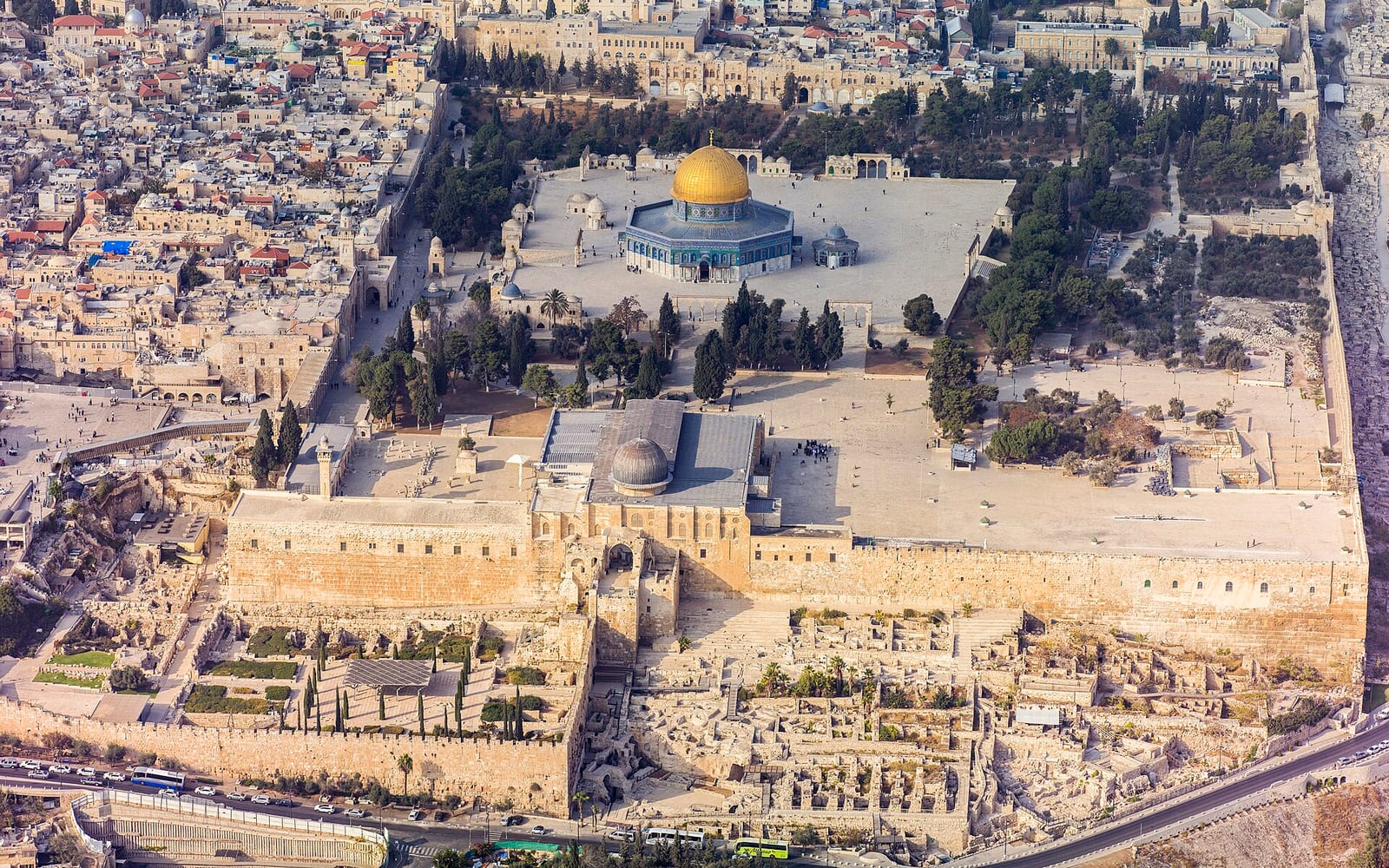
Jerusalem hosts the Opening Ceremony at Teddy Kollek Stadium (capacity ~21,600) and a range of events across the city. Jerusalem in July is hot (30–34°C peak) but evenings are comfortable. Accommodation near the stadium, in the Malha/Katamon area, fills earliest. The city centre (near Ben Yehuda, Mamilla, German Colony) provides better restaurant and transport access. See our Jerusalem hotels guide for neighbourhood recommendations.
Netanya and the Wingate Institute
The Wingate Institute for Physical Education and Sports, located between Netanya and Herzliya on Israel’s coast, is the traditional home of Maccabiah swimming and several other disciplines. Netanya is a beach city on the Mediterranean coast, about 30 minutes by train from Tel Aviv. Accommodation near the Wingate (Netanya north end, Poleg Beach area) books out fast for the games period.
Tel Aviv
Tel Aviv hosts basketball, football (at Bloomfield Stadium in Jaffa), and a range of team and court sports. As Israel’s largest city, Tel Aviv has the most hotel availability and the easiest international access (Ben Gurion Airport is 20 minutes by train). See our Tel Aviv hotels guide for where to stay.
Haifa and Beer Sheva
Both cities host specific disciplines — Haifa for some aquatic and court events, Beer Sheva for football and athletics. If your athlete is competing in these cities, consider a one-night stay rather than commuting from Tel Aviv or Jerusalem; the drives are 90 minutes and 1.5 hours respectively, and traffic in Israel during July can be heavy.
Getting between venues
Maccabiah official shuttles
The Maccabiah organising committee typically runs official shuttle services between major venue cities for athletes and accredited guests during the games period. Details are published closer to the event on maccabiah.com — check the shuttle schedule there.
Israel Rail
Israel Rail connects Jerusalem (Yitzhak Navon station), Tel Aviv (several stations), and Haifa efficiently. Netanya is on the coastal rail line. Beer Sheva has its own rail link from Tel Aviv (about 1 hour). Rail is the best option for Jerusalem–Tel Aviv and Tel Aviv–Haifa movement; see our transport guides for routes. Note: Israel Rail does not run on Shabbat (Friday evening to Saturday night); the final day of the games (13 July 2026) falls on a Monday, so Shabbat is a mid-games consideration on 4–5 July.
Rental car
For families following an athlete who competes across multiple cities and disciplines, a rental car is by far the most practical solution. Compare rates at Ben Gurion Airport via Discover Cars — booking in advance for a July pick-up is important, as games-period demand significantly increases prices. Drive times: Jerusalem to Tel Aviv ~55 minutes (via Route 1 or Route 443), Tel Aviv to Netanya ~40 minutes (via Route 2), Tel Aviv to Haifa ~60 minutes (via Route 2).
Rideshare and taxis
Gett and inDrive operate in all Maccabiah venue cities. Taxis are widely available but can be scarce near venues immediately after popular events — allow extra time. For the Closing Ceremony, coordinate your departure before it ends.
Accommodation planning
The Maccabiah coincides with Israel’s peak summer tourist season in July, school holidays, and the surge in diaspora Jewish travel accompanying the games. Book early — 3–6 months in advance is a minimum for July stays in Jerusalem and Tel Aviv.
Key accommodation notes:
- Delegation accommodation: Many national delegations organise group hotel blocks through their Maccabi federation. If you are accompanying an athlete through an official delegation, check with your national federation before booking independently — you may have a group rate option.
- Jerusalem: The Malha and Katamon neighbourhoods (15 minutes from Teddy Kollek Stadium) fill first. City centre hotels near Ben Yehuda, the Mamilla Hotel corridor, and the German Colony are well-connected for both the Stadium and Old City sightseeing.
- Tel Aviv: North Tel Aviv hotels (Ramat Aviv, Kikar Hamedina area) offer easy transit to Netanya and northern venues. Tel Aviv beach hotels (Gordon, Hilton Beach area) are further from venues but offer the most desirable summer setting.
- Netanya: Limited high-quality hotel inventory; book well in advance if you need to be near the Wingate Institute. Netanya beach hotels and the city-centre area are 10–20 minutes from the Wingate by car.
Volunteering at the Maccabiah
The Maccabiah is substantially volunteer-run. The volunteer corps handles athlete transportation, venue operations, accreditation, translation, meal services, and community liaison across all venue cities.
Requirements:
- Age 18 or older
- Commitment of typically 10–14 days (some roles require the full games period)
- Language skills (Hebrew and English are primary; French, Spanish, Russian, and other languages are in demand for delegation liaison)
- Physical fitness for logistical and transport roles
Accommodation support is sometimes provided for volunteers, particularly for those travelling from abroad — confirm with the volunteer programme when applying.
Applications are administered through the Maccabi World Union volunteer section at maccabiah.com, typically opening 6–9 months before the games. Roles fill quickly; popular positions (delegation liaison, athlete transportation) are often fully subscribed well in advance.
Planning your Israel visit around the Maccabiah
The Maccabiah is a sporting event first, but Israel in July offers much more:
July weather: Reliably warm and sunny across the country. The coast (Tel Aviv, Netanya, Haifa) is humid 28–32°C; Jerusalem is drier and slightly cooler; Eilat and the Dead Sea are hot (38–42°C) but have the best water for swimming. The Dead Sea is actually very manageable in a morning visit before the midday heat.
What’s open: July is full Israeli summer — restaurants, markets, tourist sites, beaches, and evening culture all run at full activity. Shabbat closures (Friday sunset to Saturday night) apply as always; plan venue visits accordingly. The Maccabiah organising committee schedules many events to accommodate Shabbat.
Combining with sightseeing: Most Maccabiah spectators have gaps in the schedule between their athlete’s events. Jerusalem’s Old City and Yad Vashem are both within 20 minutes of Teddy Kollek Stadium. Tel Aviv beaches and Jaffa are easy filler between Wingate swimming sessions. Our 7-day Israel itinerary provides a framework you can adapt around the games schedule.
Costs: July is Israel’s most expensive month. Hotel rates in Jerusalem and Tel Aviv during the games period run 20–50% above their already-high July averages. Budget ₪800–2,500 per room/night depending on city and standard. See our Israel trip cost guide for a realistic planning budget.
Official source: All schedules, venue details, ticketing, volunteer registration, and delegation information is published at maccabiah.com. The website is updated throughout the games period — check it regularly for schedule changes.
Maccabiah every four years: The 23rd Maccabiah Games will be held in 2030. This guide remains useful for the format, spectator access approach, and volunteering model, which changes relatively little between editions.
Israeli visa / entry: Most Western passport holders (USA, UK, EU, Canada, Australia, New Zealand) enter Israel visa-free. Israel introduced an ETA-IL (Electronic Travel Authorization) for certain nationalities; check your current requirements at the Israeli Ministry of Interior website or our visa guide. Non-Jewish supporters accompanying athletes from non-visa-exempt countries should check requirements 3–6 months before arrival.
Security at events: Israeli security at large public events (particularly the Opening Ceremony) is thorough. Budget 45–60 minutes for entry at the Opening Ceremony. Bag checks, body screening, and identity document verification are standard. Follow the instructions of Maccabiah security staff; prohibited items lists are published on the event tickets.