Tel Aviv has the most diverse hotel market in Israel: Ottoman fortress luxury in Jaffa, Bauhaus-era boutiques on Rothschild Boulevard, budget guesthouses in Florentin and hostel-style stays a few streets from the Mediterranean. The right choice depends less on price than on which neighborhood puts you closest to what you want from the city. This guide covers the five main areas, names honest picks at each price tier, and tells you when the market is expensive and when it is not.
For a deeper neighborhood-by-neighborhood character guide — where to eat, what the streets feel like, which areas suit which travel styles — see the Tel Aviv neighborhoods guide. This page focuses on specific hotel recommendations and booking context.
Where to stay in Tel Aviv: neighborhoods at a glance
Rothschild Boulevard and the White City is the cultural heart of Tel Aviv: UNESCO-listed Bauhaus architecture, the best restaurants in the city, the Carmel Market within 10 minutes on foot, and the Red Line light rail connecting you to everything. Most mid-range boutique hotels sit in this area or on the adjacent streets (Allenby, Ben Yehuda, Dizengoff). Good for: culture, food, architecture, nightlife proximity.
Neve Tzedek is Tel Aviv’s oldest Jewish neighborhood — converted to boutique hotels, artisan shops and restaurant terraces. Quiet at night, beautiful during the day, 10 minutes walk from the beach and Old Jaffa. The densest concentration of characterful small hotels in the city.
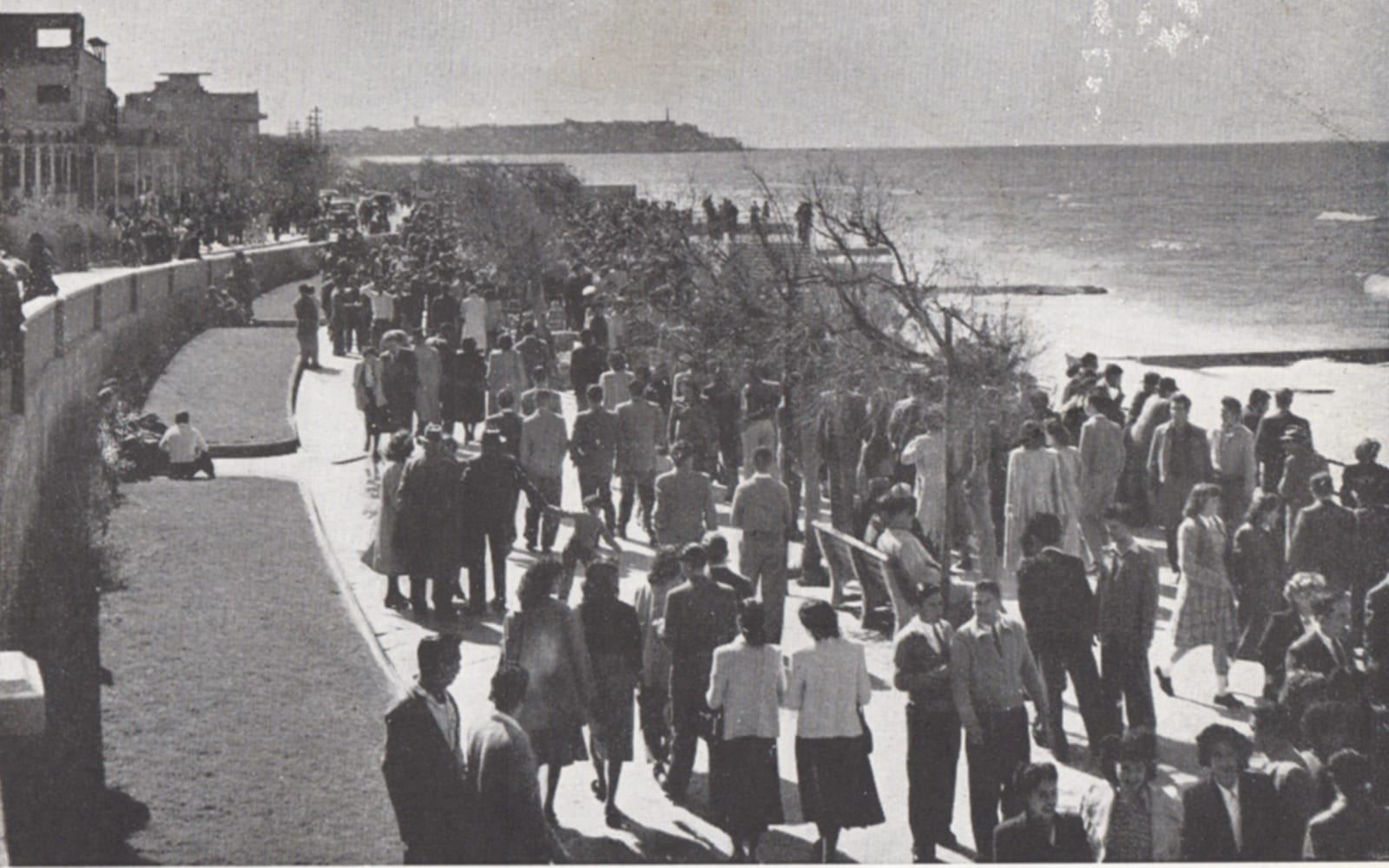
The Beachfront — Hayarkon Street and the Tayelet runs the length of the Mediterranean shore. Large international hotels (Dan, Sheraton, Leonardo, David InterContinental) sit directly behind the promenade or have their own beach sections. Everything is beach-facing; restaurants and the nightlife strip are a short walk from the hotel’s front door.
Florentin sits south of the city centre — grittier, cheaper and more local than Rothschild. Budget guesthouses and hostel-style accommodations are concentrated here, within walking distance of Neve Tzedek and Jaffa.
Old Jaffa and Jaffa Port has its own cluster of luxury hotels built into the Ottoman heritage fabric of the port. The Setai Tel Aviv is the flagship property. Walking distance to the flea market, galleries and the port, but slightly removed from the main Rothschild dining and nightlife axis.
Budget hotels and guesthouses (₪300–550/night)
Tel Aviv’s budget accommodation clusters in Florentin, the Old North (north of the Yarkon River, around Ben Yehuda and Dizengoff) and the streets between the beach and Rothschild Boulevard. Genuine budget options on the beachfront itself are rare — expect a 10–20 minute walk from the cheapest properties to the Mediterranean.
Alray Boutique Hotel (Dizengoff Street, Old North) is a well-reviewed small hotel with clean, simple rooms in the Dizengoff/Frishman area — a quiet residential block that is nonetheless within walking distance of the beach, Carmel Market and the main dining streets. Frequently cited as the best value in central Tel Aviv.
Florentin guesthouses and boutique B&Bs in the Florentin neighborhood offer private rooms at city-centre prices without the beachfront premium. The area has a strong independent traveler atmosphere — the streets around Vital, Florentin and Abarbanel host several small guesthouses.
Hostel-style accommodations near the beach (particularly on Hayarkon Street between the Yarkon River and Atarim Square) offer budget dormitory and private rooms within minutes of the sand. These are practical rather than characterful but solve the proximity problem if beach access is the priority.
₪300–550/night is realistic for private rooms in off-peak months (November–March). During Pride week, Passover and peak summer (July–August), budget properties also surge — prices across Tel Aviv are heavily event-driven.
Mid-range hotels (₪550–1,100/night)
The mid-range tier is where Tel Aviv’s boutique hotel scene is strongest. Most of these properties sit on or near Rothschild Boulevard, in Neve Tzedek, or on the streets between Allenby and Ben Yehuda.
Brown TLV Urban Hotel (on a quiet street near the Old Bus Station) has been one of the best-reviewed mid-range stays in Tel Aviv for years: a rooftop cocktail hour, designer rooms, and a location that gives easy access to Florentin, the Carmel Market and the Rothschild Boulevard axis. The Brown Hotels brand has a strong identity and consistent quality across its Israel portfolio.
Montefiore Hotel (on Montefiore Street, a short walk from Rothschild) is a small, carefully designed boutique property that has attracted strong editorial coverage. The rooms are individually styled and the in-house restaurant is frequently cited in Tel Aviv food guides. Well-suited to design-conscious travelers who prioritize quality over size.
Rothschild 22 Boutique Hotel (Rothschild Boulevard) places you directly on Tel Aviv’s signature street — the UNESCO-listed Bauhaus boulevard, its cafés and tree-shaded pavements — at a price point below the full luxury tier. A natural choice for visitors whose priority is the White City architecture and the restaurant scene.
At ₪550–1,100/night, mid-range Tel Aviv properties should include boutique design, a sense of the neighborhood, and a decent breakfast. This tier is where the city’s hotel personality shines most clearly — less anonymous than the large beachfront brands, more atmospheric than the budget properties.
Luxury hotels (₪1,200+/night)
Tel Aviv’s luxury tier spans two distinct characters: grand beachfront resorts on the Tayelet and architecturally distinctive boutique hotels in restored historic buildings.
The Norman (Nachalat Binyamin Street, just off Rothschild) is the most critically acclaimed hotel in Tel Aviv: a pair of 1920s Eclectic-style buildings sympathetically converted into 50 rooms with a rooftop pool, a highly regarded restaurant, and the kind of meticulous finish that attracts visiting artists and diplomats. For those who want the Rothschild cultural axis with genuine luxury execution, this is the first recommendation.
The Setai Tel Aviv (Old Jaffa) is built inside a 13th-century Ottoman fortress above the port, with an infinity pool overlooking the Mediterranean and rooms that blend the building’s stone arches with contemporary furnishings. The location is slightly removed from the Rothschild axis but gives direct access to the Jaffa port galleries, flea market and seafront walk. One of the most distinctive hotel settings in the country.
David InterContinental (on the Tayelet beachfront) is the largest luxury hotel on the promenade — a full-service resort with direct beach access, multiple restaurants, a large pool and a spa. For families or groups who want the complete beachfront package with scale, this is the most obvious choice on the Tayelet strip.
Diaghilev LIVE ART Hotel (Rothschild Boulevard) takes a different approach from the sleek boutiques: rooms are art installations, each designed by a different Israeli or international artist. A genuinely unusual hotel experience for visitors interested in contemporary Israeli art and design.
Hotel Renoma (near Trumpeldor Beach in the north) is a smaller luxury boutique on the quieter northern beach stretch — a good option for those who want luxury and beach proximity without the large-hotel infrastructure of the Tayelet strip.
₪1,200–3,000+/night covers the luxury range, with the top end applying to suites and peak-season weeks. The Norman and Setai sit at the upper-boutique tier and can cost more than the large Tayelet brands for comparable room categories — they are pricing on exclusivity, not scale.
2025–2026 new luxury openings
Two significant additions to Tel Aviv’s luxury tier opened in 2026, materially upgrading the city’s position among top-tier international hotel destinations.
Six Senses Tel Aviv (Rothschild-Herzl-Lilienblum, the city’s financial and culinary Golden Triangle) is the brand’s Israeli debut — and one of the most anticipated hotel openings in the country’s history. The property integrates five 1909-era heritage buildings on Rothschild Boulevard with a new LEED Platinum tower, preserving the Bauhaus district’s architectural fabric while adding contemporary luxury infrastructure: a rooftop sky pool, a ten-floor spa, and a Holistic Anti-Aging Center drawing on the brand’s wellness philosophy. The location is arguably the best in central Tel Aviv — walking distance from the Carmel Market, the city’s finest restaurants, and the White City architecture. For visitors who want world-class wellness infrastructure combined with genuine immersion in the Rothschild Boulevard cultural axis, this is now the first recommendation in Tel Aviv’s luxury tier. Check current availability and rates via Booking.com — rates vary significantly by season and room category.
Nobu Hotel Tel Aviv (Jaffa waterfront area) marks the debut of the Robert De Niro and Nobu Matsuhisa brand in Israel. The lifestyle-luxury positioning — Nobu Restaurant as the in-house dining draw, a design sensibility that has worked consistently from Miami to London to Los Cabos — brings an internationally recognized brand anchor to the Jaffa luxury cluster alongside The Setai. For visitors whose priority is Old Jaffa’s port atmosphere combined with internationally familiar luxury credentials, Nobu Hotel Tel Aviv and The Setai now offer two distinct interpretations of the same location. Check current availability and rates via Booking.com.
Honest caveat on 2026 openings: opening timelines for large luxury properties can shift. Confirm current operational status and availability directly via Booking.com before making plans around a specific property. The descriptions above reflect the properties as planned and announced; verify actual services and room categories before booking.
For a wider roundup of all 2026 luxury hotel openings across Israel — from Herzliya Marina to the Dead Sea, Safed and Beersheba — see the new luxury hotels in Israel 2026 guide.
Who should stay where — the decision matrix
| Priority | Recommended option |
|---|
| Beach access every morning | Beachfront Tayelet (David InterContinental, Dan Tel Aviv, Leonardo) |
| White City architecture + restaurants | Rothschild Boulevard (Six Senses TLV, The Norman, Rothschild 22) |
| Wellness and spa focus | Six Senses Tel Aviv (Rothschild; 10-floor spa, rooftop pool, 2026 opening) |
| Boutique design + quiet neighborhood | Neve Tzedek guesthouses or The Norman |
| Jaffa and port atmosphere | The Setai Tel Aviv or Nobu Hotel Tel Aviv |
| International luxury brand + Jaffa dining | Nobu Hotel Tel Aviv (Jaffa; Robert De Niro/Nobu Matsuhisa, 2026 opening) |
| Best value in a central location | Brown TLV Urban Hotel or Alray Boutique (Old North) |
| Family with beach as priority | Dan Tel Aviv or Sheraton (beachfront infrastructure + pools) |
| Nightlife and bar scene proximity | Florentin and Old North guesthouses |
| Business travel | Crowne Plaza Tel Aviv or David InterContinental (conference facilities) |
Booking context and price patterns
Tel Aviv hotel prices follow predictable patterns. Pride week (second week of June each year) is the single biggest demand spike — international visitors book months ahead and prices for well-located properties rise 2–3× above baseline. The major Jewish holidays — Passover (March–April), Rosh Hashanah and Sukkot (September–October) — each create a 1–2 week demand surge with prices 50–100% above normal. Shabbat weekends (Friday–Saturday) push central Tel Aviv prices higher than mid-week.
November through March is the easiest booking window: prices are at their lowest, the city is cooler but still pleasant (17–22°C), and the beach is often warm enough for swimming, particularly in November and March.
All prices stated in this guide are ranges — hotel rates change daily based on occupancy and demand. Check live rates via the booking links above; never rely on a static published price.
Useful links
For visitors specifically interested in staying in Old Jaffa — heritage hotels in the ancient port district, the Clock Tower area and near the flea market — see the dedicated Jaffa hotels guide.
For deeper neighborhood context — what each area of Tel Aviv feels like, where to eat and how to get around — see the Tel Aviv neighborhoods guide. For the city’s food scene, the Tel Aviv food guide covers neighborhoods from the Carmel Market to Florentin’s Thursday night scene. For the White City Bauhaus architecture the mid-range hotels sit within, the Tel Aviv White City guide goes deeper into the UNESCO heritage context.
For broader accommodation across Israel — Dead Sea resort hotels, Galilee zimmer guesthouses, Negev desert lodges — the Israel accommodation guide maps the national picture. For getting around once you are in the city: the Tel Aviv light rail guide covers the Red Line, which connects the beachfront hotels to Rothschild, the Carmel Market and beyond.