October and November are Israel’s best-kept secret. The summer heat is gone, the Mediterranean sea stays warm through October, Negev hiking reopens after a summer closure, the Hula Valley fills with half a million cranes, and accommodation prices drop 20–40% after the Sukkot holiday rush. This guide covers what to do, what to expect, and how to work the holiday calendar.
The Jewish holiday rhythm in autumn
Autumn in Israel is anchored by the Jewish High Holiday season, which shapes both the experience and the logistics.
Yom Kippur falls in late September or early October (2026: October 1–2; 2027: September 21–22 — verify exact dates at chabad.org/holidays). It is the most solemn day of the Jewish year: from sunset to nightfall the following day, all businesses close, public transport stops completely, radio and television go silent, and vehicles are strongly discouraged from driving. What fills the vacuum is one of Israel’s most unusual experiences: the streets and highways, normally gridlocked, belong entirely to cyclists and pedestrians. Families ride bicycles on expressways in Tel Aviv. For visitors, the experience is genuinely moving even without religious context — and it lasts less than 24 hours before normal life resumes.
Sukkot begins five days after Yom Kippur and lasts eight days. It is the most festive and publicly visible Jewish holiday: temporary outdoor dining structures (sukkahs) appear on every restaurant sidewalk and apartment balcony, the markets fill with the four ritual plant species (lulav, etrog, hadassim, aravot), and Jerusalem becomes very busy. The Priestly Blessing at the Western Wall (Birkat Kohanim) takes place during Sukkot — tens of thousands gather for this at dawn; arrive by 6:30am for a good position. Accommodation prices in Jerusalem spike 30–50% during Sukkot week. Book 3–4 months ahead if you want to be in Jerusalem for the holiday, or plan to visit immediately after.
The post-Sukkot lull (typically from around 10–14 October) is the quietest and lowest-priced comfortable-weather window in the Israeli travel year. After the holiday crowds depart, hotels drop rates, restaurants return to normal, and tourist sites are virtually empty. This two-to-three-week window before the Christmas planning season begins is the ideal time to visit if avoiding crowds and high prices is a priority.
Six autumn-specific reasons to visit
1. Hula Valley cranes: Israel’s wildlife spectacle
The Agamon Hula wetland in the northern Galilee is one of the world’s great wildlife spectacles in November. Up to 500,000 Eurasian Cranes and 50,000 Common Cranes converge here as they migrate south for winter — a gathering that can be heard as well as seen. The KKL-JNF Sunrise Safari wagon tour departs before dawn and reaches the crane roost as the birds take flight at first light: an estimated 20,000 birds at a time lifting off in coordinated waves is one of the most dramatic natural events accessible anywhere in the region.
Practical: Book the Sunrise Safari well in advance (kkl-jnf.org/agamon) — peak November weekends sell out 3–4 weeks ahead. The cranes typically arrive from mid-October and peak through November; December sees them begin to move on. The 11km self-guided walking loop is also excellent on weekday mornings when crowds are thin.
Cross-link: combine with the Galilee region guide for logistics from Tiberias and the Golan Heights.
2. Grape harvest season in the wine regions
September and October are harvest months in Israel’s wine regions. The Golan Heights wineries (Yarden, Chateau Golan, Assaf, Pelter) pick their high-altitude grapes through October; the Judean Hills producers (Flam, Domaine du Castel, Sphera) harvest through September and early October; Galilee boutique producers run into October.
Several wineries offer harvest participation experiences — pressing grapes alongside the winemaker — in October. The Golan Heights Winery visitor centre in Katzrin runs structured tastings year-round, but autumn adds the energy of the harvest itself. The Galilee wine route is at its most beautiful in autumn: golden light on the vines, moderate temperatures, and the winemakers on-site rather than abroad at trade shows.
Practical: most Golan boutique wineries (Chateau Golan, Assaf) require advance appointments — book 2–3 weeks ahead for October. Yarden Winery Katzrin is open to walk-ins Sun–Thu and Fri mornings. Car essential for the wine regions. See the Israel wine guide for the full producer map.
3. The Negev and desert hiking season reopens
Trail hiking in the Negev closes in late May and reopens in October. The timing is significant: the Negev’s most dramatic landscapes — Makhtesh Ramon, Nahal Zin canyon, the Incense Route cities — are the country’s most spectacular hiking and require autumn or spring conditions.
October brings temperatures of 28–35°C in the crater during the day — still requiring early starts, but the evenings cool quickly and November is fully comfortable for all-day hiking. The desert air is clear, the light is extraordinary, and the tourist infrastructure at Mitzpe Ramon operates normally.
Highlights:
- Makhtesh Ramon rim trail — 5km walking rim above Israel’s largest erosion crater; sunrise and sunset are exceptional in autumn light
- Nahal Zin canyon route — flash flood canyons, geological formations, and a spring-fed oasis; best with a guide in October (flash flood risk exists until winter rains establish patterns)
- Avdat and the Incense Route — the Nabataean desert cities are at their most photogenic in autumn light without summer heat; see the Negev stargazing guide for night-sky conditions
Practical: water remains essential even in October — 2L minimum per person per trail. Some trails require permits from the Israel Nature and Parks Authority. Petrol up in Beer Sheva and Mitzpe Ramon; limited stations in between.
4. Mediterranean swimming is still good in October
The Mediterranean sea temperature peaks in late September (27–28°C) and remains comfortable through October (25–26°C). October beach days in Tel Aviv are excellent: the summer crowds of Israeli families have departed with the school year, tourist numbers are lower than August, but the swimming is equally good — often better, with calmer autumn swells and clearer water.
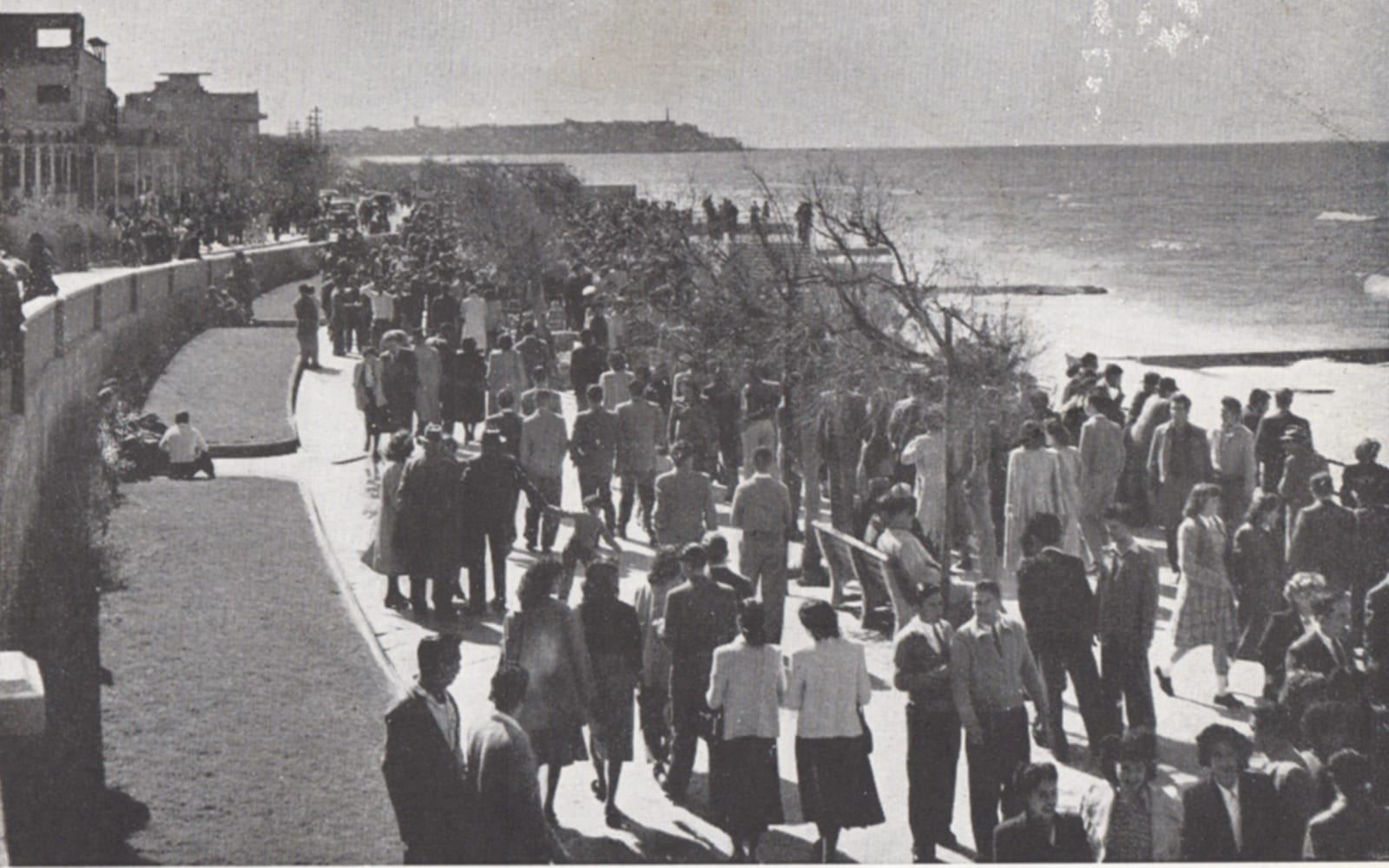
Tel Aviv beach in October: the Tayelet (promenade) is walkable without crowds; Gordon Beach and Frishman Beach are pleasant on weekday mornings. The paddleball and outdoor bar culture continues through October. By November the sea has cooled to 22–23°C — still swimmable for hardier visitors, and Eilat’s Red Sea remains 25–26°C through November and beyond.
5. Galilean cyclamen and early wildflowers
The autumn wildflower season begins quietly in November in the shaded forests of the Galilee. Cyclamen are the first to appear — delicate pink and white flowers carpeting the limestone forest floors of the Upper Galilee and the Carmel Ridge from late November onward. This is the very beginning of a sequence that builds through winter into the spring kalanit (anemone) explosion — but November cyclamens are less known and genuinely beautiful.
Where to look: Carmel National Park (Haifa), the forests around Safed (Tzfat), and the lower Galilee trails around Mount Arbel. Look for the early blooms in late November — they build through winter to the spring kalanit (anemone) carpets of February–March.
6. Desert stargazing at its best
Autumn nights at Makhtesh Ramon (Mitzpe Ramon) are among the clearest of the year. The summer haze has lifted, winter clouds haven’t arrived yet, and the nights are cool but not cold. The Ramon Crater is an IDA-certified International Dark Sky Park — the Milky Way is visible to the naked eye on clear new-moon nights. October and November new-moon periods are particularly good.
Landroom Observatory in Mitzpe Ramon runs 1–3 hour guided telescope sessions with professional astronomers in English. Book well ahead for October weekends. See the Israel stargazing guide for the full site guide and Perseid/Leonid calendar.
Region by region: autumn highlights
Tel Aviv and the coast
October is a wonderful month in Tel Aviv. The beach crowds of August are gone, the evening culture remains at full capacity, and the city’s outdoor restaurant terraces are comfortable well into November. The Carmel Market on Thursday evenings and Jaffa flea market on Friday mornings operate normally. The White City architecture walks are best done in autumn light.
November cools slightly (22–25°C days, 14–18°C evenings) but remains highly pleasant. The rainy season can begin in late November — pack a light jacket for evenings.
Jerusalem
Autumn in Jerusalem is beautiful: the Old City stone glows in the lower autumn light, the crowds after Sukkot thin dramatically, and temperatures of 18–24°C make the hilly topography comfortable to walk. October is one of the best months for Jerusalem’s outdoor sites — the Temple Mount / Haram al-Sharif, the Haas Promenade panorama, and the Gemany Colony for weekend mornings.
November brings the possibility of rain — Jerusalem’s wetter season begins and the Old City’s rooftop walks can be slippery. The markets and covered sites remain excellent year-round. Yad Vashem and the Israel Museum are ideal for any weather; see the Jerusalem food guide for covered-market options.
The post-Sukkot quiet in Jerusalem is real: mid-October through late November is genuinely the lowest-traffic period in the Old City, with Western Wall mornings peaceful even by Jerusalem standards.
Dead Sea
Autumn is an excellent time for the Dead Sea. October temperatures sit at 28–33°C — warm, comfortable, and mild compared to the 42°C extremes of July. The float is viable at any hour of the day rather than only at dawn. The Ein Bokek beach resort strip sees lower prices and shorter queues after the summer peak.
Combine the Dead Sea with a Masada visit in autumn — sunset on the Snake Path in October is feasible without the summer heat constraints, and the Masada sunrise experience is simply stunning without the 3:00am tactical necessity of August. See the Dead Sea guide for beach choices and the Masada visitor guide for trail logistics.
Galilee and the Golan Heights
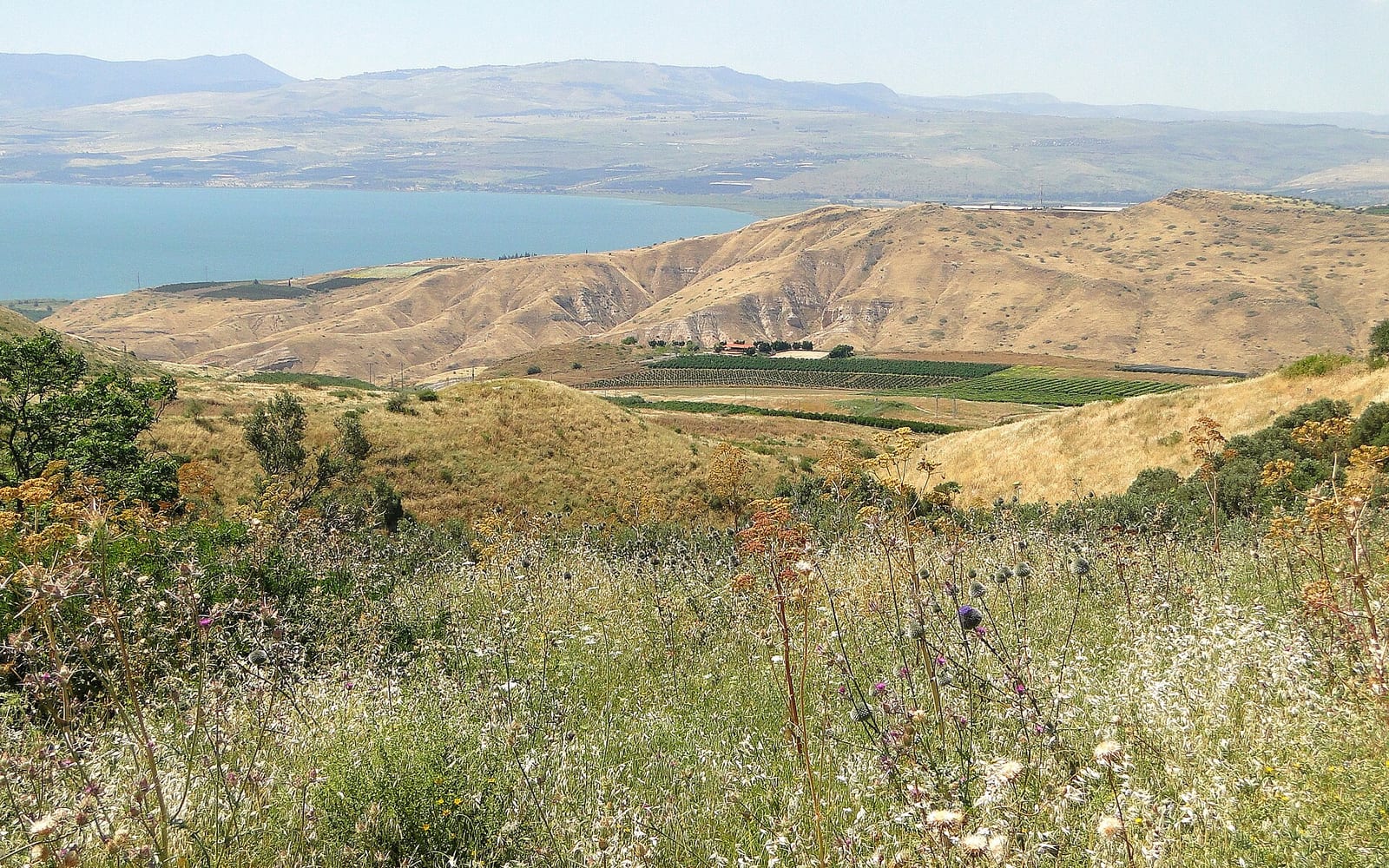
Autumn is the Galilee’s best season. The Sea of Galilee stays warm through October; the Golan plateau (700–1,000m altitude) runs at ideal hiking temperatures; and the birdwatching at Agamon Hula peaks in November.
The Golan Heights wine route (October harvest) and the Banias waterfall nature reserve are both excellent in autumn. The drive from Tiberias to Katzrin through the vineyards in October is genuinely scenic. See the Golan Heights guide and the Tiberias guide for base-city logistics.
Eilat and the Red Sea
Eilat is excellent in autumn. October temperatures (28–32°C) are far more comfortable than the 40°C extremes of summer, the Red Sea visibility is excellent, and the diving and snorkelling season extends year-round. November brings ideal conditions: 24–28°C, calm seas, and the coral at Coral Beach Nature Reserve at its most accessible.
The Timna Park, 25km north of Eilat, reopens for comfortable full-day visits in October after summer heat closures. The copper formations and desert geology are best in late afternoon autumn light. See the Eilat travel guide and Eilat diving guide for operator recommendations.
What to pack for autumn Israel
| Item | October | November |
|---|
| Light layers (T-shirts, long sleeves) | Essential | Essential |
| Rain jacket | Optional | Essential (Jerusalem/Galilee) |
| Swimwear | Yes (sea 25–26°C) | Eilat only |
| Sunblock 50+ | Yes | Yes |
| Walking shoes | Yes (Negev) | Yes |
| Warmer layer (fleece/jumper) | Jerusalem evenings | Most nights |
Negev nights drop to 8–12°C in November — pack a fleece for desert camping or stargazing. Jerusalem evenings in late October can feel cooler than the daytime numbers suggest. Eilat is the exception: warm throughout, no rain.
Budget: autumn is Israel’s value window
Post-Sukkot (typically mid-October through late November) is the lowest-price comfortable-weather window in Israel:
- Hotels: 20–40% less than August in most cities; Jerusalem and Tel Aviv see the biggest post-Sukkot drops
- Flights: shoulder-season pricing; lower than July–August peak and December Christmas rush
- Tours: no surge pricing; most experiences run at regular rates
- Exception: the Sukkot holiday week itself (first 8 days after Yom Kippur) sees hotel prices spike 30–50% in Jerusalem and 10–20% in Tel Aviv — book well ahead or visit immediately after
Sample autumn itinerary (8 days)
| Day | Base | Focus |
|---|
| 1 | Tel Aviv | Arrive; evening promenade; Jaffa dinner |
| 2 | Tel Aviv | Morning beach; Carmel Market; White City architecture walk |
| 3 | Jerusalem | Old City (all day comfortable); Western Wall at sunset |
| 4 | Dead Sea | Masada + Dead Sea float — no dawn required; Ein Bokek afternoon |
| 5 | Galilee / Golan | Wine route: Yarden Winery + Chateau Golan tasting |
| 6 | Galilee | Agamon Hula Sunrise Safari (4:30am) + Banias waterfall afternoon |
| 7 | Negev | Mitzpe Ramon: crater rim walk + stargazing tour (Oct/Nov dark sky) |
| 8 | Tel Aviv | Return; beach morning; flight |
Days 4–7 require a rental car. Days 1–3 are walkable or by train. See car rental guide for autumn rates and advice.
See best time to visit Israel for how autumn compares with the full year, Israel in September for the month-specific guide (Rosh Hashana, Yom Kippur bicycle day, grape harvest), Israel in October for Sukkot, wine harvest peak, and crane migration start, Israel in November for the crane migration peak, olive harvest festivals, and shoulder-season value, Israel events and festivals for the Sukkot + autumn calendar, Israel in winter for what follows — Dead Sea sunshine, Hanukkah, and the Negev wildflower bloom — and first time in Israel for the planning essentials.