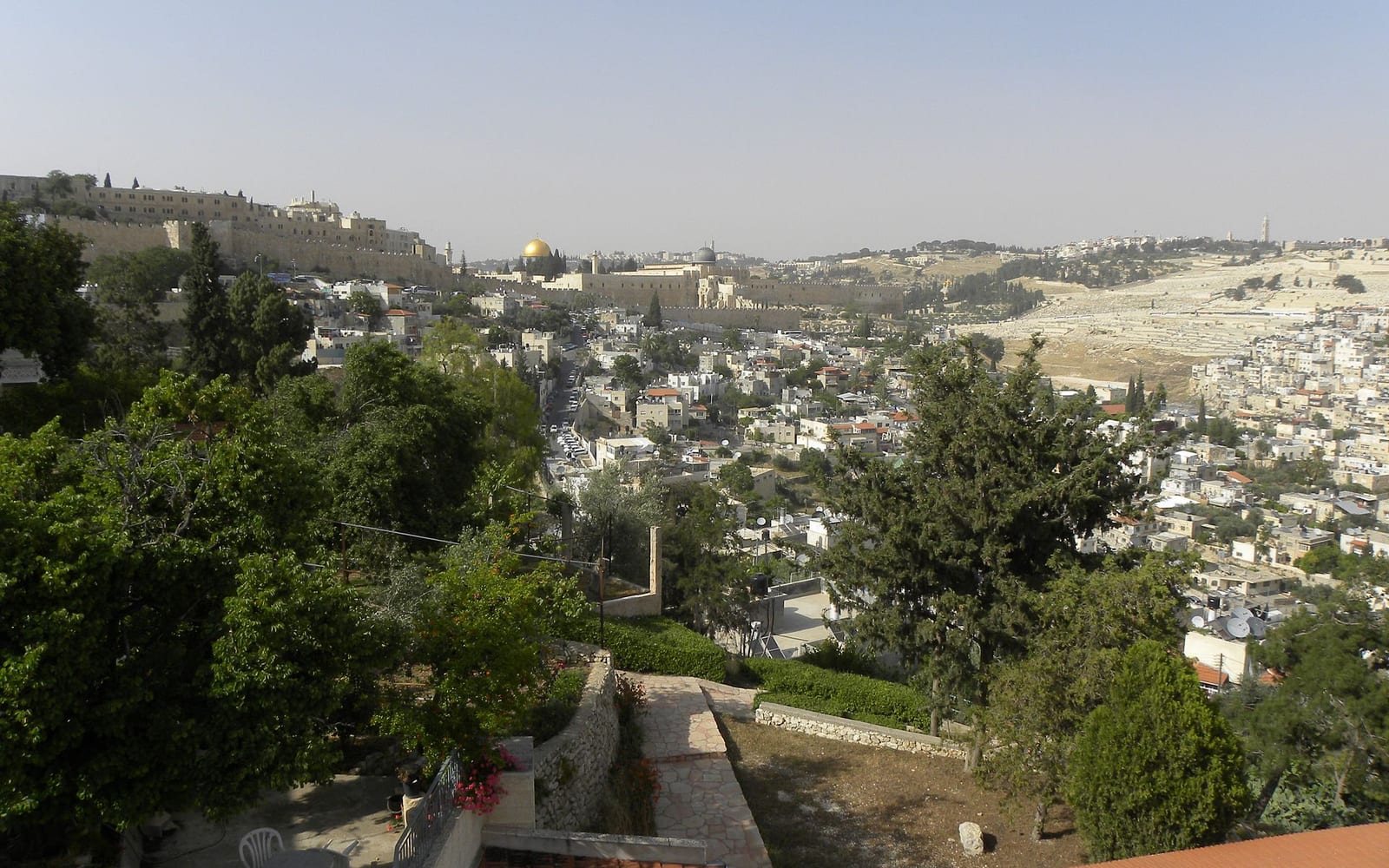
Jerusalem is not Tel Aviv — and that is precisely the point. Where Tel Aviv offers all-night clubs and beach raves, Jerusalem offers something rarer: bars carved into ancient stone cellars, a market that transforms from produce stalls into a buzzing street party after dark, and music venues embedded in the fabric of a city that has been lived in continuously for three thousand years. The scene closes around 2–3am and carries an older, more mixed crowd. It is, by any measure, one of the most atmospheric places to spend an evening anywhere in the world.
A fair warning before you start: Jerusalem nightlife is shaped by the Jewish calendar. Thursday is the biggest bar night of the week. Friday night (Shabbat) is largely closed. Saturday night is a late starter — bars only open after Shabbat ends around 21:00. Plan accordingly and you will have a spectacular time.
Mahane Yehuda at Night — the Shuk After Dark
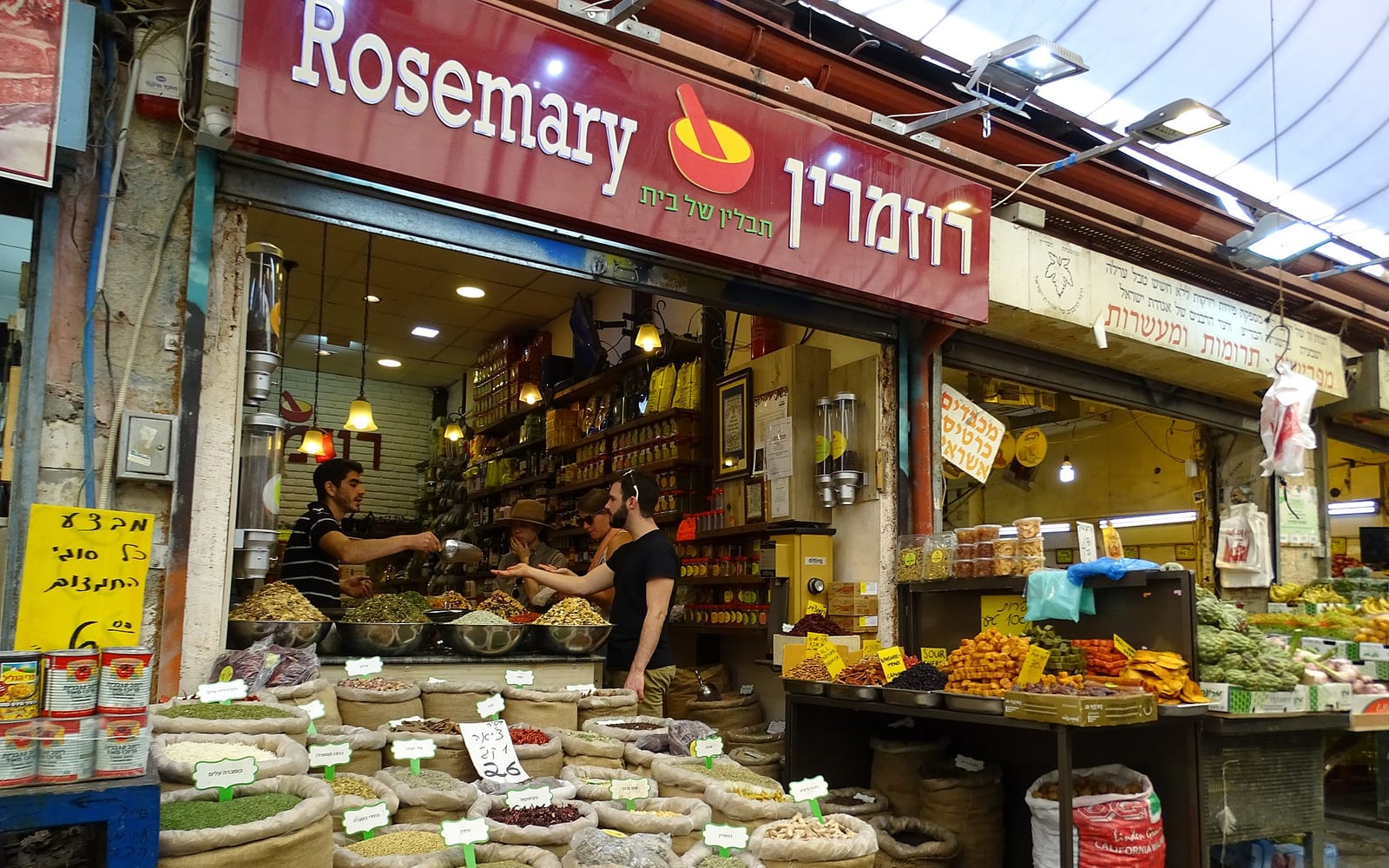
The market district north-west of the city centre is Jerusalem’s most distinctive evening destination. By day, Mahane Yehuda is one of Israel’s great food markets: olives, spices, fresh bread, fish on ice. By Thursday afternoon and Saturday night, the shutters come down on the fruit stalls and the transformation begins: the metal fronts fold out into bar counters, bottles appear, music spills through the lanes, and a crowd of students, locals and travellers fills the narrow market streets.
When to go: Thursday from about 21:00 is the biggest night. Saturday night works, but only from about 21:30 onwards — nothing opens before Shabbat ends. June to September is liveliest (warm evenings, outdoor seating spilling into the lanes). The market operates year-round but cold December or January evenings thin the outdoor crowd.
What to expect: No fixed entrance, no cover charge, no dress code. This is not a curated nightlife district — it is an organic neighbourhood that happens to come alive at night. You will find everything from hole-in-the-wall wine bars to basement cocktail spots to stalls serving beer and hummus at plastic tables. HaBasta (number 8 in the shuk interior) is a reliable wine bar with an excellent by-the-glass list. The Machneyuda restaurant and its adjacent bar areas pull a louder, younger crowd. Basher Wines on the edge of the market does natural Israeli wines and fills quickly.
Practical: Walk — parking near the shuk is impossible on busy nights. From the Old City, take a taxi or the light-rail (Central Station stop is a five-minute walk from the market entrance). Stay aware of your surroundings in the densest lanes; the shuk is safe but crowded.
German Colony & Emek Refaim — Wine Bars and a Quieter Scene
About ten minutes south of Mahane Yehuda by taxi, the German Colony is a neighbourhood of 19th-century Templer houses that has become Jerusalem’s most relaxed bar and restaurant street. Emek Refaim — the main commercial strip — has a string of wine bars and casual restaurants that draw a 30s-and-40s professional crowd looking for a good bottle and a quiet conversation rather than a market party.
Fattoush (Ben Zakai 1) has one of the best outdoor garden settings in the city — a Lebanese restaurant and bar that draws a mixed Jewish-Arab crowd and stays busy until midnight. The Ben Gurion Boulevard cross-streets have a handful of smaller wine bars worth exploring on foot.
The German Colony is notably quieter than Mahane Yehuda; expect it to wind down by midnight to 1am on most nights. On Shabbat, some businesses in the Colony open for Shabbat-dinner service but close earlier than usual.
Ben Yehuda & Zion Square — Accessible and Unpretentious
The pedestrianised Ben Yehuda Street and the streets radiating off Zion Square form Jerusalem’s tourist-accessible bar strip. This is not the city’s most atmospheric area, but it is convenient if you are staying near the Old City or in the centre: sports bars, backpacker-friendly pubs and casual beer spots where the language on the menu is English as often as Hebrew.
What you find here: Several sports bars with screens showing football and basketball, a few Irish-pub-style establishments, casual outdoor seating along the pedestrian strip. Good for a low-key first night in Jerusalem or a pre-dinner beer. Not good for a memorable evening.
Yellow Submarine — Jerusalem’s Indie Music Venue
Yellow Submarine (HaRechavim 13, industrial zone south of the city centre) is the most important live-music venue in Jerusalem and one of the most respected in Israel. Founded in 1994 and rebuilt after a difficult period, it hosts independent Israeli and international acts most nights of the week: indie rock, jazz, folk, and occasional hip-hop.
Tickets typically range from approximately ₪40–100 depending on the act. The bar is full and reasonably priced. The crowd is young, local, and knowledgeable — not a tourist venue.
Check the current schedule at yellowsubmarine.org.il before your trip. The venue is a 15-minute taxi ride from the centre; it is not walkable at night.
Mamilla Mirror Bar — the Upscale Option
If the shuk feels too chaotic and Emek Refaim too quiet, the Mamilla Hotel’s rooftop Mirror Bar faces the Old City walls directly across a stone valley. Cocktails run approximately ₪70–120; the setting — open air, lit walls, the Jaffa Gate visible at eye level — is genuinely extraordinary.
This is not a bar you go to for conversation: it is a destination for a single drink and a view. Arrive around sunset for the transition from golden hour to floodlit walls. Reservations are not usually needed but the bar fills quickly on summer weekends. The hotel is at the end of the Mamilla outdoor mall, five minutes on foot from the New Gate.
Beit Avi Chai — Cultural Evenings
For visitors who prefer culture to bars, Beit Avi Chai (8 Koresh St, near King George Street) runs a year-round programme of music, film, literary readings and performance events, often free or at low cost. The building is a beautiful converted space and the programming is consistently interesting — Israeli folk music one night, a documentary screening the next.
Check the schedule at beitavichai.org ahead of your visit.
Practical Advice
Shabbat timing is the single most important thing to understand. Shabbat begins at Friday sundown (anything from 16:15 in December to 19:45 in June) and ends when three stars appear on Saturday night — approximately 20:00–22:00 depending on the season. On Friday night, Mahane Yehuda is closed, most bars and restaurants in secular areas are shut, and the city is quiet. Visiting the Western Wall on Friday night after Shabbat begins, when the plaza fills with singing families, is one of Jerusalem’s great experiences — but plan to be back in your hotel by 22:00 rather than starting a night out. See our Shabbat guide for exact times and a neighbourhood-by-neighbourhood breakdown.
Getting around: Taxis are the most practical option after 22:00 — Gett and Yango apps work reliably in Jerusalem. The light-rail’s last service is around midnight. Uber is available but less dominant than in Tel Aviv.
Dress code: Casual at almost every venue. If you are moving between the Old City and the bar areas in a single evening, dress modestly while in the Old City and you can change or layer for the evening later.
Alcohol: Served freely in secular bars and restaurants. Some areas adjacent to ultra-Orthodox neighbourhoods — particularly Mea Shearim, which borders the shuk district — are dry and deeply conservative; the bar scene around the shuk itself is secular and unaffected, but be aware of the geography.
Comparing to Tel Aviv: If you expect something like Florentin or the Tel Aviv port, Jerusalem will feel quiet. If you approach it as one of the world’s great ancient cities that also happens to have excellent wine bars and a market that transforms after dark, it will feel extraordinary. Many visitors combine a Jerusalem evening with a Tel Aviv nightlife night to experience both — 45 minutes apart by train.
Venue schedules and hours change; always verify current information before visiting. For Jerusalem accommodation options close to the evening scene, see our Israel accommodation guide.