Choosing where to stay in Israel involves more than selecting a price tier. The country offers a genuine range of accommodation types — each with a distinct character, geographical footprint, and traveller profile — and matching the right type to your trip makes a substantial difference to the experience. This guide compares all seven main options side by side, then explains which suits each kind of traveller.
Accommodation types at a glance
| Type | Typical price (₪/night, couple) | Where found | Best for | Book via | Shabbat impact |
|---|
| City hotel | ₪700–2,500 | Jerusalem, Tel Aviv, Haifa, Eilat | Convenience, amenities | Booking.com | May close restaurant; open otherwise |
| Kibbutz guesthouse | ₪500–1,500 | Galilee, Golan, Dead Sea, Negev | Community atmosphere, rural setting | Booking.com | Kitchen closed Fri eve–Sat night |
| Zimmer / rural B&B | ₪350–1,800 | Galilee, Golan, Negev, Judaean Hills | Romantic weekends, couples | Zimmeril.com, Booking.com | Host may be unreachable; self-catering |
| Hostel | ₪120–350 per person | Jerusalem, Tel Aviv, Haifa, Eilat | Backpackers, solo travellers, social | Hostelworld, Booking.com | Common areas open; kitchen use varies |
| Serviced apartment | ₪600–1,400 | Tel Aviv, Jerusalem | Families, longer stays, self-catering | Booking.com, Airbnb | Fully self-catering; full control |
| Glamping | ₪600–1,500 | Negev, Galilee, Golan | Eco-travellers, adventure, couples | Booking.com, direct | Self-catering or hosted dinner |
| Bedouin tent | ₪400–1,200 | Negev desert | Desert immersion, stargazing | Direct / Booking.com | Typically unaffected |
Prices are indicative ranges for 2026. Always verify current rates on the booking platform — Israeli accommodation pricing fluctuates with season, Jewish holidays, and demand.
City hotels
Israel’s hotel market spans genuine budget to international luxury, concentrated in Jerusalem, Tel Aviv, Haifa, and Eilat. The mid-range tier (₪700–1,400 per room) covers clean, well-located three- and four-star properties adequate for most visitors. At the top end, several truly distinctive properties exist:
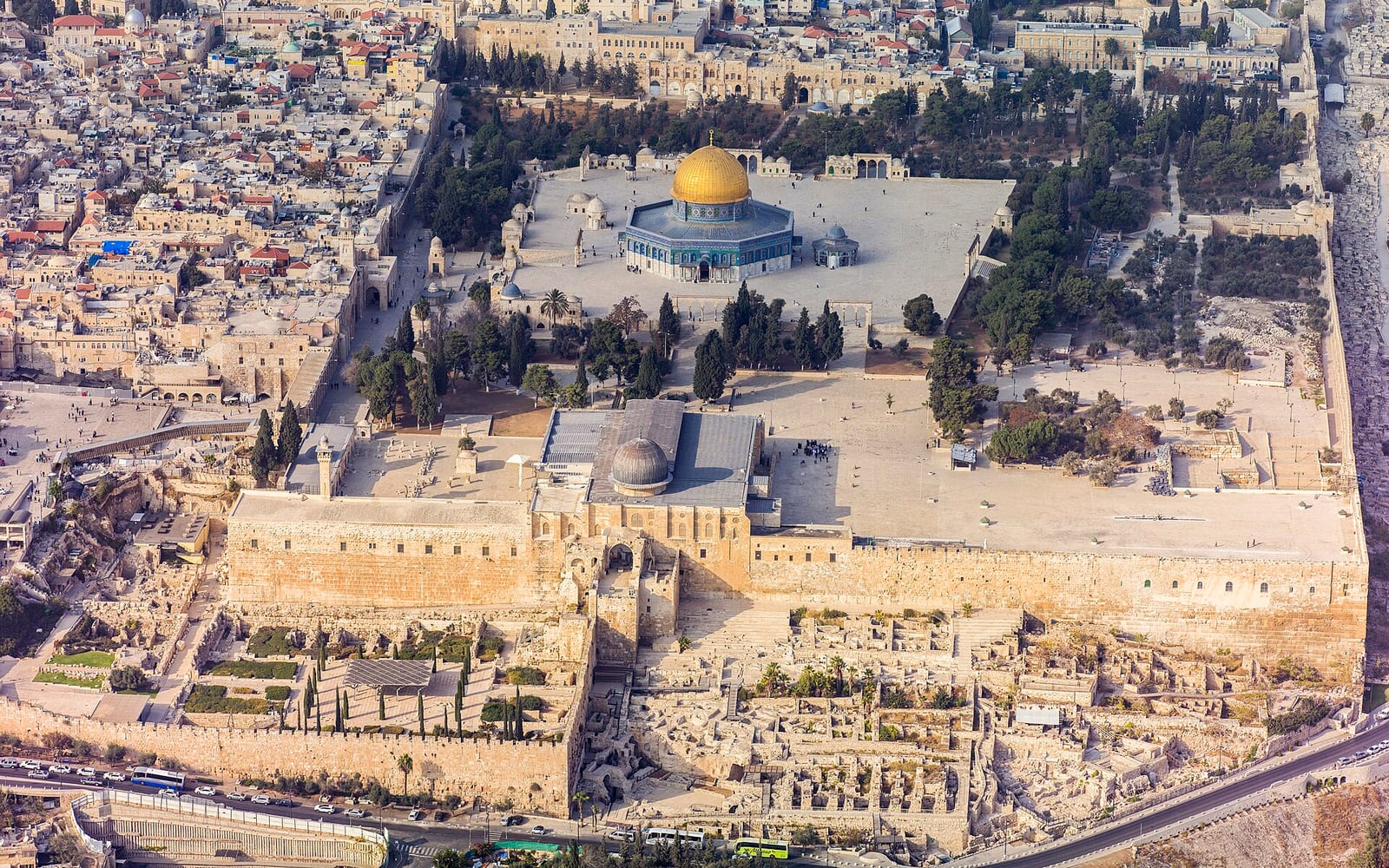
- Waldorf Astoria Jerusalem — a 1920s Crusader-era building converted to a five-star flagship in the city’s historic core, five minutes’ walk from Mamilla Mall and the Old City Jaffa Gate.
- King David Hotel, Jerusalem — the historic grand hotel of Israeli independence, with views across the valley to the Old City; a national institution as much as a hotel.
- Beresheet Resort, Mitzpe Ramon — perched on the rim of the Ramon Crater, the Negev’s luxury flagship blends dramatic desert landscape with spa facilities and an infinity pool that appears to pour into the crater below.
- Norman Hotel, Tel Aviv — a 1920s Bauhaus-adjacent boutique in central Tel Aviv with a rooftop pool and consistently strong service reviews.
- Herods Palace, Eilat — a waterfront resort on the Red Sea.
The hotel sector is the largest in terms of total inventory. Jerusalem’s Jewish Quarter and Old City guesthouses offer a distinctive middle tier: Christian hospices and historic guest houses run by religious communities, often in Ottoman-era buildings with rooftop terraces, at prices in the ₪500–900 range.
For city-specific picks at every price tier, see the dedicated guides: best hotels in Jerusalem, best hotels in Tel Aviv, and best hotels in Haifa (German Colony boutiques, Dan Carmel ridge, and the Colony Hotel). For the full Sea of Galilee accommodation landscape — kibbutz guesthouses at Nof Ginosar and Ein Gev, the Scots Hotel in Tiberias, Magdala pilgrim centres, and east-shore Golan retreats — see the best hotels at the Sea of Galilee guide. For Nazareth — Israel’s largest Arab city and the Galilee’s main Christian pilgrimage hub — see the best hotels in Nazareth guide for options from the Basilica-adjacent Rimonim to the remarkable Sisters of Nazareth Guesthouse with its first-century archaeological site.
Shabbat note: Hotels remain open throughout Shabbat, but the on-site restaurant will typically close Friday evening and reopen Saturday night. Some larger hotels offer a cold or pre-prepared Shabbat dinner; check in advance.
Kibbutz guesthouses
A kibbutz guesthouse (also called a kibbutz hotel or lodge) is operated by a collective community (kibbutz) and typically offers hotel-style rooms — sometimes in converted agricultural buildings — along with communal dining facilities and the distinctive experience of staying within a working settlement.
The range is wide. Some kibbutz hotels are genuinely large resorts:
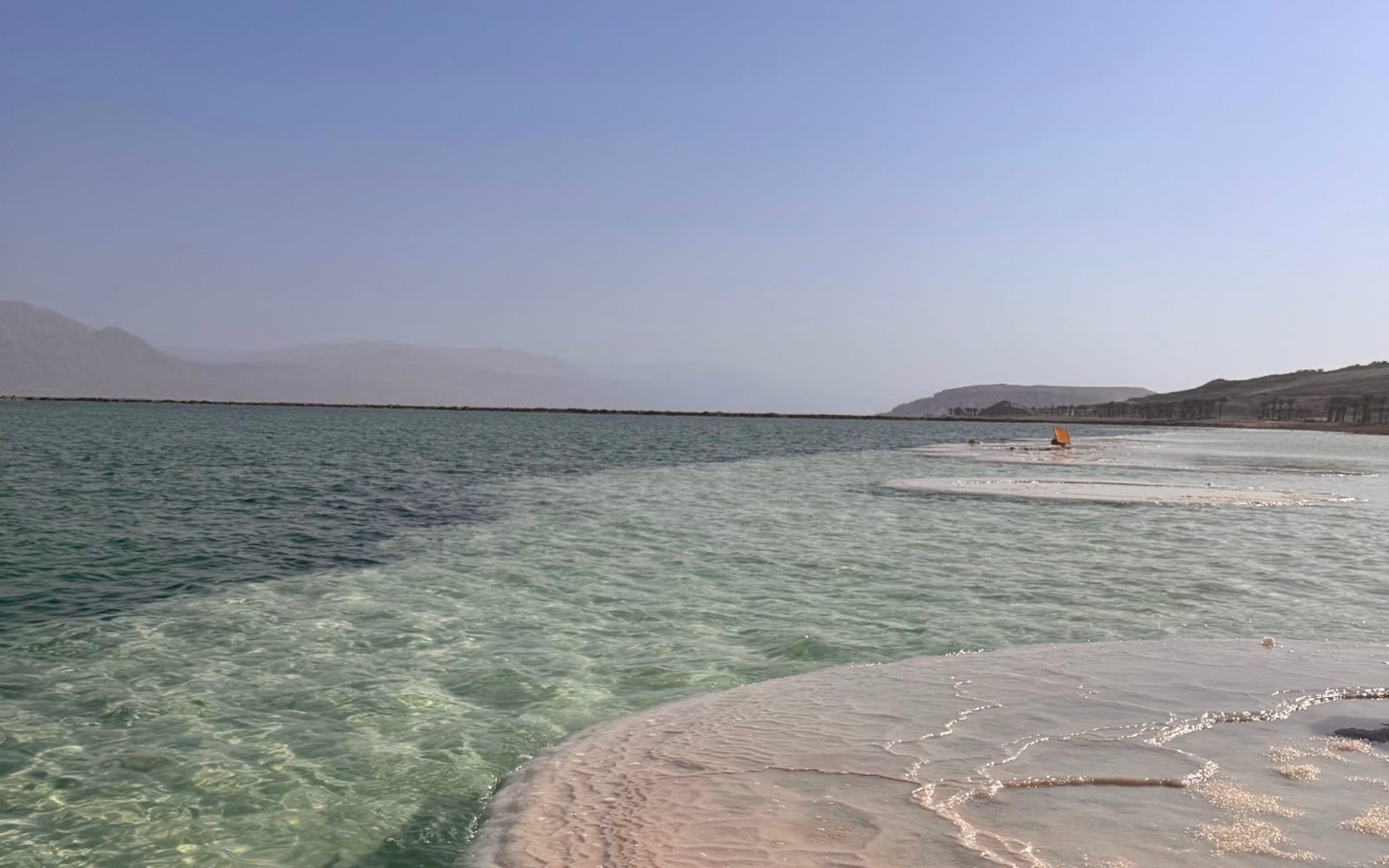
- Ein Gedi Resort Hotel (Dead Sea) is a full four-star property with mineral pool access, a botanical garden, and proximity to the Ein Gedi nature reserve.
- Kibbutz Lotan (Arava Valley) offers eco-lodge accommodation with a strong sustainability programme — geodesic domes and earthen structures on a working ecological kibbutz; an unusual and genuinely distinctive stay.
- Nof Ginosar (Sea of Galilee) is a lakefront property where the ancient wooden “Jesus Boat” is housed in an on-site museum.
On the more modest end, Galilee kibbutzim offer comfortable rural rooms with communal breakfasts, swimming pools, and easy access to hiking trails — reliable value at ₪500–900 for a couple.
Important honesty note: Modern kibbutz life is considerably less collective than it was in the founding decades. Guests arriving expecting a commune-style experience may find a well-run rural hotel with cooperative origins rather than an immersive community setting. The Ein Gedi property, for example, is effectively a Dead Sea resort hotel that happens to be owned by a kibbutz. The communal character is genuine but low-key.
For region-by-region picks and full booking guidance, see the kibbutz hotels guide.
Zimmer / rural B&B
The zimmer is Israel’s most popular form of non-urban accommodation and a genuinely distinctive local invention. The word comes from the German and Yiddish for “room” but in Israeli usage means a self-contained rural cabin — typically with a private kitchenette, garden or terrace, and in romantic complexes a hot tub or jacuzzi. There are an estimated 10,000 zimmers across Israel.
The heartland is the Upper Galilee and Golan Heights: forested slopes between Rosh Pina, Safed, and the northern border, with a dense concentration of vineyard and hilltop properties. The Negev (particularly Mitzpe Ramon) offers desert-adobe cabin stays. The Judaean Hills wine region has a growing number of vineyard B&Bs within easy reach of Jerusalem.
Zimmers are Israel’s go-to weekend break for couples and families — widely loved for their combination of self-contained independence, rural setting, and hospitality at a human scale.
Read the complete zimmer guide for a full breakdown by region, booking platforms, and what to expect.
Hostels
Israel has a strong hostel culture anchored by the Abraham Hostel chain — widely considered among the best social hostels in the Middle East. Abraham properties in Jerusalem (near Mahane Yehuda), Tel Aviv (central Florentin / Levinski area), Haifa, and Eilat offer dorm beds (₪120–200 per person) and private rooms (₪350–600), with on-site tour desks, communal dinners, rooftop bars, and a ready-made travel-meeting social scene.
Beyond Abraham:
- Jerusalem hostel cluster around the Old City gates and Ben Yehuda Street offers budget rooms in historic buildings
- Tel Aviv Florentin neighbourhood has several independent boutique hostels in a gritty-chic environment
- Eilat beach-adjacent hostels cater to the diving and beach crowd
Hostels are not just for backpackers. Travellers in their 30s and 40s who want social interaction rather than hotel anonymity, or those who specifically want help organising day trips, will find Abraham’s offering well matched.
Serviced apartments
Serviced apartments and short-term rentals (via Booking.com or Airbnb) are particularly useful for families, longer stays of a week or more, and travellers who want full kitchen access to manage dietary needs or save on dining. They are concentrated in Tel Aviv — where a broad inventory of 1–3 bedroom apartments exists in the White City, Florentine, and beachfront areas — and Jerusalem.
In Tel Aviv, a serviced apartment in a Dizengoff or Hayarkon Street building typically costs ₪600–1,200 per night for a 2-bedroom unit — competitive with two hotel rooms and substantially more space and flexibility.
The Airbnb Plus filter provides a useful baseline vetting for properties presented as boutique or high-quality; standard listing quality varies.
Glamping
Glamping in Israel — comfortable tented or cabin accommodation in nature settings, combining outdoor immersion with real beds and amenities — has grown significantly as a category, particularly in the Negev desert and Galilee.
The Negev is the strongest location. Properties near Mitzpe Ramon and the Arava Valley offer safari tents, geo-dome cabins, and wooden deck platforms under certified dark skies (the Ramon Crater area holds IDA Dark Sky Park status). A glamping night in the Negev typically includes a communal fire, a catered dinner drawing on Bedouin culinary traditions, and — on clear moon-free nights — a view of the Milky Way that is genuinely difficult to find elsewhere in the eastern Mediterranean.
Galilee glamping leans toward woodland tents with lake or forest views, pairing naturally with hiking trail access.
Prices span ₪600–1,500 per unit, depending on size and whether dining is included.
Bedouin tents
A Bedouin tent stay in the Negev offers the most immersive form of desert accommodation available in Israel. The best experiences involve traditional goat-hair or canvas tent structures hosted by Bedouin families or communities in the Negev highlands, with a fire-cooked dinner of musakhan or lamb-and-rice, strong coffee with cardamom, and stargazing that competes with any dark-sky destination in the world.
The category ranges from genuinely atmospheric to tourist-oriented and formulaic. Signals of quality: family or community ownership (not a tour company operating a themed camp), a proper home-cooked dinner rather than a packaged meal, and hosts willing to talk about Bedouin history and land rights. Read recent reviews carefully.
Prices run ₪400–1,200 per tent depending on season, group size, and inclusion of meals.
Which accommodation type suits you?
Couples (romantic weekend)
A zimmer in the Upper Galilee or Golan is the classic Israeli couples’ choice — private hot tub, forest or vineyard views, nothing to do but unwind. Luxury boutique hotels (Norman Tel Aviv, Beresheet Mitzpe Ramon) work for city-anchored or special-occasion breaks.
Families
Kibbutz guesthouses with garden space and swimming pools (particularly in the Galilee) suit families with children well. Serviced apartments in Tel Aviv give parents a kitchen and genuine living space. Some zimmer complexes explicitly cater to families with garden cabins and farm animals.
Solo travellers / backpackers
Abraham Hostels are the natural starting point — socially excellent, genuinely safe, and well-connected to day-trip organisation. The Jerusalem and Tel Aviv branches are among the best social hostels in the Middle East. For the full backpacker breakdown — hostel picks by city, sherut logistics, Shabbat planning and a sample 10-day route — see the backpacking Israel guide.
Budget travellers
Hostel private rooms (₪350–600) and kibbutz budget lodges compete on value. Zimmers midweek offer significant discounts over weekend rates — worth exploring if your schedule is flexible.
Eco-travellers
Kibbutz Lotan (eco-lodge, Arava Valley) and Negev glamping with strong environmental credentials are the standouts. The Dead Sea resort kibbutzim (Ein Gedi) occupy a middle ground.
Pilgrims and religious travellers
Jerusalem Old City guesthouses — particularly the Christian hospices and historic guest houses in the Armenian and Christian Quarters — offer a distinctive experience of being literally inside the ancient city walls. Booking several months ahead is essential for Easter and Christmas.
Luxury travellers
The Waldorf Astoria Jerusalem, King David Hotel, and Beresheet Resort (Mitzpe Ramon) form the top tier of Israeli hospitality, each with a genuine sense of place and not merely imported luxury-hotel uniformity.
Booking advice for each type
Hotels: Booking.com is the most comprehensive single platform for Israeli hotels, with a wide range of property types and reliable guest reviews. For luxury properties, direct booking often offers amenity upgrades. For the Christian hospice tier in Jerusalem, some properties take bookings only by email.
Kibbutz guesthouses: Booking.com lists most kibbutz hotels and lodges. Direct booking via the kibbutz website often supports the community more directly.
Zimmers: Zimmeril.com is the most established English-language zimmer directory. Booking.com lists many under the “Bed and Breakfast” type. For wider selection (in Hebrew), zimmer.co.il works with Google Translate.
Hostels: Hostelworld and Booking.com both list Israeli hostels. Abraham Hostel’s website allows direct booking.
Serviced apartments: Booking.com and Airbnb (use the Plus filter for vetted quality). For longer stays of 2+ weeks, look for monthly rate options.
Glamping and Bedouin camps: Many operate direct booking via phone or WhatsApp — a Booking.com or Airbnb listing where it exists is a useful trust signal, but many good properties are reached directly. Searching the name of the Negev camp or calling the property is often the most effective approach.