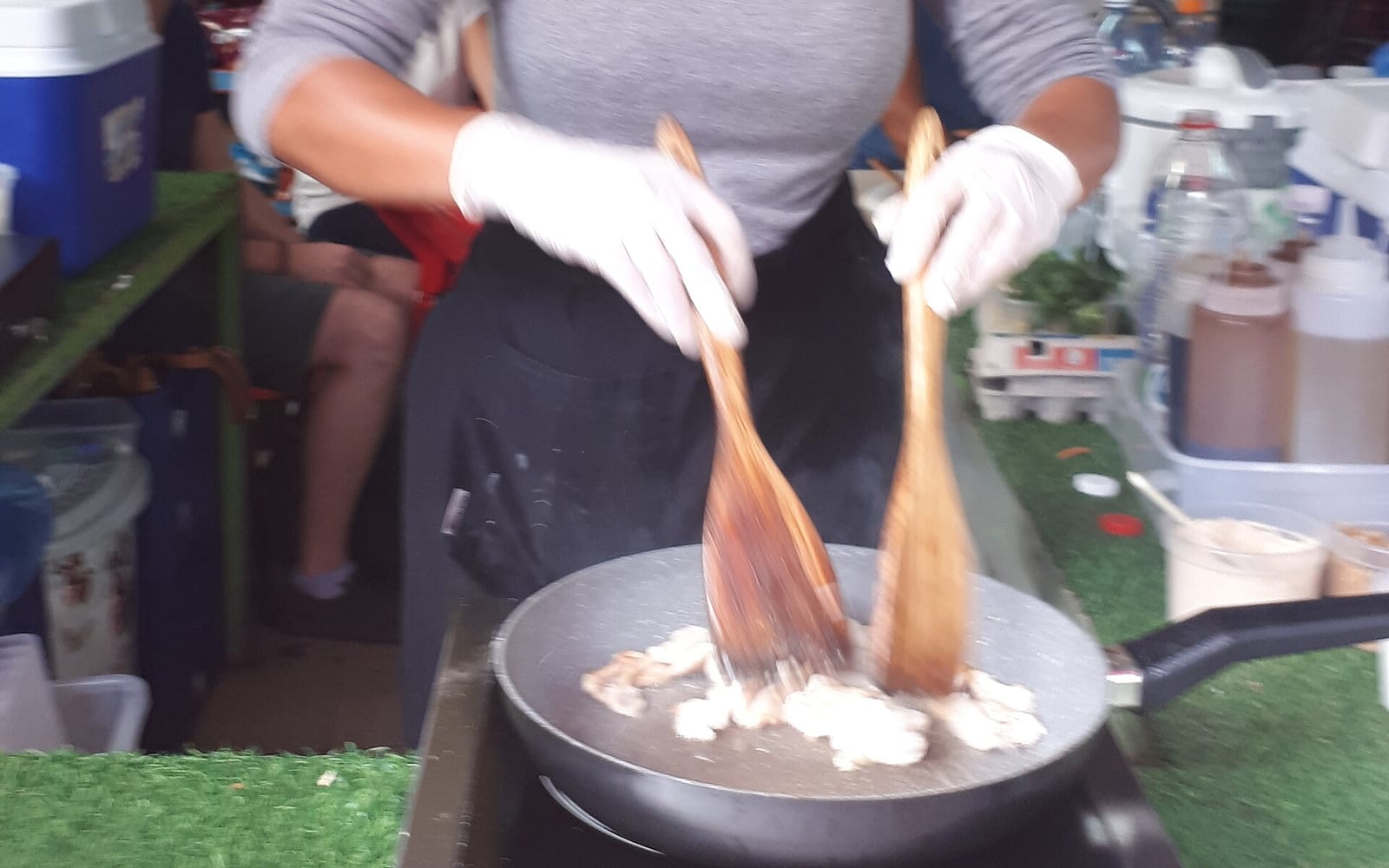
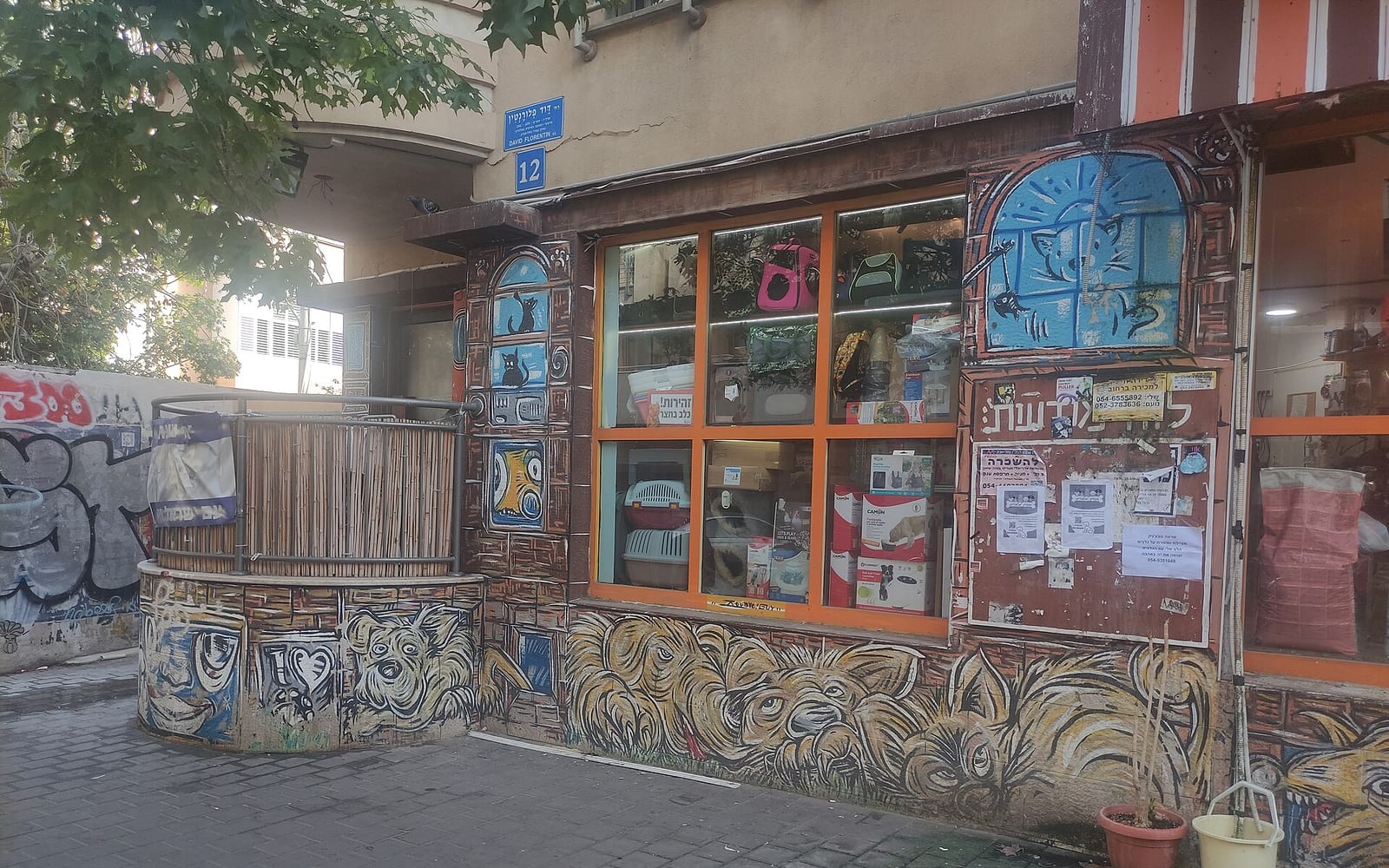
Israel is, by most measures, one of the best countries in the world for vegan and vegetarian travellers. The combination of a historically plant-forward Middle Eastern food culture and a disproportionately large modern vegan population — roughly 5% of Israelis, among the highest rates globally — produces a dining ecosystem where plant-based food is the default rather than the exception.
This guide covers what to eat, where to eat it, and how to navigate the kosher system to your advantage.
Why Tel Aviv specifically
Tel Aviv has earned the informal title of “Vegan Capital of the World” for reasons that go beyond marketing. The city’s vegan restaurant count relative to its population is among the highest anywhere; supermarkets stock a dense range of plant-based alternatives; and the social culture — young, secular, health-conscious — makes veganism mainstream in a way it simply is not in most other cities of comparable size.
The foundation is the Middle Eastern kitchen. Hummus, falafel, shakshuka, pita with tahini, chopped salads, roasted aubergine (baba ghanoush), msabbaha (whole chickpeas in lemon and tahini) — these are the staples of the Israeli street and the daily diet. None of them contain meat or dairy. A visitor who lives primarily on market and street food will eat very well without trying.
Layered on top of this is a generation of Israeli chefs who have made plant-based cooking a serious culinary category. Tel Aviv’s dedicated vegan restaurants range from casual falafel counters to sit-down fine dining.
The key dishes to know
Hummus — ground chickpeas with tahini, olive oil, lemon and garlic. Eaten as a starter or a main with pita. Every hummus shop serves it hot and fresh, with toppings: whole chickpeas, ful medames (slow-cooked broad beans), a drizzle of olive oil, chopped parsley. No dairy, no meat.
Falafel — deep-fried chickpea and herb fritters. The canonical street food and naturally vegan. Order a pita with falafel and ask for all the salads (Israeli coleslaw, pickled purple cabbage, parsley, onion), tahini, and amba (pickled mango sauce) — the full array is normally laid out in self-serve trays at the counter.
Shakshuka — eggs poached in a spiced tomato and pepper sauce. Not vegan (eggs), but vegetarian and a staple breakfast across the country. Most shakshuka restaurants offer green shakshuka variants (eggs in herb-and-spinach sauce) and some have vegan versions without eggs.
Sabich — a pita stuffed with fried aubergine, boiled egg, Israeli salad and amba sauce. Vegetarian; many versions effectively vegan if you leave the egg. Originally an Iraqi-Jewish breakfast dish; now a Tel Aviv street classic.
Msabbaha — whole chickpeas served warm in a bowl with tahini and lemon, sometimes with a ladle of hummus. Richer and more textured than hummus; found at traditional hummus shops.
Israeli breakfast spread — the hotel and café version of this involves hard-boiled eggs, yogurt and labneh (strained yogurt), but the vegetable side — roasted aubergine, sliced tomatoes, cucumber, hummus, tahini, olive oil, olives — is almost entirely vegan and the most distinctive part of the meal.
Tel Aviv restaurants
Casual and street food
Falafel Sumsum (Ibn Gvirol Street, Tel Aviv) — considered one of the best falafel counters in the city. The falafel are small, crisp, herb-heavy and made to order. The queue at lunch is real; most people order a portion to eat standing.
HaKosem (“The Magician”, Shlomo HaMelech Street) — another benchmark falafel and sabich counter. The sabich here — aubergine, boiled egg, amba, all the condiments — is frequently cited as the city’s best.
Abu Hassan (Jaffa / Yafo) — the most famous hummus destination on the Tel Aviv-Jaffa axis. Queues form from 8am. A bowl of msabbaha or hummus with pita and a glass of tea is the complete order. Cash only; closes when the day’s supply runs out (normally by midday). See the Jaffa travel guide for the Jaffa Old City context.
Carmel Market (Shuk HaCarmel) — Tel Aviv’s central outdoor market. The food stalls sell fresh produce, dried fruit, spices, pickles, olives and street food (falafel, burekas, freshly squeezed juice). Walking the main alley — roughly from Allenby Street to the intersection with Nahalat Binyamin craft market — is itself a vegan-friendly eating experience; grab a handful of medjool dates, pick up a tahini sesame bar, stop at the pickled vegetable stall. See the Carmel Market guide for the full layout.
Dedicated vegan restaurants
Meshek Barzilay (Ahad Ha’am Street, Tel Aviv) — the most celebrated plant-based restaurant in the city and one that deserves the reputation. The menu changes with the season. Dishes are technically accomplished: roasted beet carpaccio, smoked cauliflower with tahini, wild mushroom stew, chickpea-and-vegetable tagine with house-baked flatbread. The vibe is relaxed but the cooking is seriously considered. Book ahead at weekends.
Green Cat (Nahalat Binyamin, Tel Aviv) — a vegan pizzeria that has attracted a broader audience than just the plant-based crowd. Sourdough bases, house-made cashew mozzarella, roasted vegetable toppings. The restaurant is in the craft market area — easy to combine with an afternoon at the market.
Opa (Rothschild Boulevard area, Tel Aviv) — the more upscale end of the Tel Aviv vegan spectrum. A sit-down dining experience aimed at those who want a proper evening meal rather than street food. The menu draws on Israeli, Japanese and Mediterranean influences. Reasonable to call ahead and confirm current menus and opening hours.
Garden Restaurant (within the Dizengoff Centre area) — a long-running vegetarian restaurant that is not entirely vegan but has extensive vegan options and is considered one of the more reliable mid-range vegetarian stops in the city.
Understanding kashrut (the kosher system)
The Jewish dietary law system — kashrut — is relevant to vegan travellers in ways that can work either for or against you.
Meat restaurants and dairy-free menus: A kosher meat restaurant cannot serve dairy at all — not in desserts, not in sauces, not as a side. If you are vegan and also avoiding dairy, a kosher meat restaurant (look for the hechsher/kashrut certificate in the window, usually from the local rabbinate) guarantees that nothing on the menu contains milk, butter, cream or cheese. It may contain eggs or fish (parve includes these), but no dairy. This is more restrictive than a typical vegan menu, but the guarantee is absolute.
Parve: The term “parve” (sometimes spelled “parev”) means neutral — neither meat nor dairy. A parve dish contains neither, though it may contain eggs, fish or shellfish (all are parve under kashrut). On menus, parve dishes are safe for vegans avoiding meat and dairy — with the caveat about eggs and fish. Asking a waiter “is this parve?” and then clarifying you want no eggs either will be understood.
Non-kosher restaurants: Most of the fashionable Tel Aviv restaurants are not kosher (non-kosher = treif). They mix dairy and meat freely and have no separation requirement. These include the majority of the vegetable-forward, plant-based and fusion restaurants. Not being kosher says nothing about whether a restaurant is vegan-friendly — it just means the kitchen combines meat and dairy.
Dairy restaurants: A kosher dairy restaurant (milchik) cannot serve meat, which means it may be predominantly vegetarian or at least meat-free. Many Jerusalem café-bakeries are kosher dairy — good for a pastry and coffee, not useful if you want a meat-free main.
Jerusalem
Jerusalem’s plant-based scene is smaller and less adventurous than Tel Aviv’s but still workable.
The Mahane Yehuda Market — Jerusalem’s main market (the “Shuk”) has fresh produce stalls, hummus counters, and at the eastern end, where the covered market opens into the bar street, a handful of cafés that lean vegetarian. The market itself — dried fruit, fresh herbs, pickles, olives — is largely vegan. Evening hours have transformed the alleyways into bar territory; the daytime is for food.
Abu Shukri (Muslim Quarter, Old City) — a classic hummus institution near the 5th Station of the Via Dolorosa. A bowl of hummus with pita and a glass of lemon mint juice. The hummus is made without dairy; the restaurant has been operating in the Old City for decades. See the Jerusalem Old City walking tour guide for the Via Dolorosa context.
Nachlaot and German Colony neighbourhoods — both have a handful of vegetarian-leaning cafés. The German Colony (Emek Refaim Street) is the easier area to walk and browse; Nachlaot is denser and more local in character.
Shabbat planning: In Jerusalem, Friday evening and most of Saturday see the majority of Jewish-owned restaurants closed. The Muslim Quarter of the Old City stays open through Saturday. Plan midday Saturday meals around the Muslim Quarter or bring self-catering provisions. See the Shabbat guide for Shabbat’s practical impact on dining across Israel.
Haifa and the north
Haifa has a smaller vegan scene but the city’s Arab population means a reliable hummus and falafel circuit. The German Colony (Haifa’s equivalent — same name, Templar-era neighbourhood near the Bahá’í Gardens) has several vegetarian-leaning cafés. The Wadi Nisnas neighbourhood is an Arab area of the city with traditional hummus shops and produce markets that are naturally plant-friendly.
In the Galilee, Arab-owned restaurants in Nazareth serve large Lebanese-style mezze meals — a dozen small dishes of hummus, baba ghanoush, tabouleh, fattoush, stuffed vine leaves — that are largely vegan. See the Nazareth travel guide for specifics.
Reading labels in supermarkets
Israeli supermarket shelves have kosher certification on most packaged products. Looking for:
- חלב (chalav / dairy) or גבינה (gevinah / cheese) indicates dairy content — avoid if you want dairy-free.
- פרווה / פרוה (parve) on the label means the product contains neither meat nor dairy (but may contain eggs or fish).
- בשרי (basari / meat) means the product contains meat.
Chain supermarkets (Shufersal, Rami Levy, Victory) all have substantial produce sections, bulk grains, tahini, hummus, dried legumes and tofu. Israel produces several domestic vegan food brands — the Sunna brand has a range of plant-based spreads; Tivall is the leading plant-based protein brand (though not all Tivall products are vegan — some contain egg white).
Practical tips
Shabbat grocery run: If you are self-catering through Shabbat, shop before Friday afternoon (most supermarkets close by 2–3pm Friday and reopen Saturday night). A standard Israeli grocery shop — tahini, hummus, pita or bread, fresh vegetables, olives, pickles, fruit — will feed you comfortably for the gap.
Falafel quality varies: The best falafel are eaten fresh from the fryer — small, crisp and herb-heavy. Falafel that has been sitting in a tray for an hour or more is a different dish. Order from a counter with a queue; the turnover ensures freshness.
Amba sauce: A fermented mango sauce that appears in falafel and sabich. It is vegan and adds a distinctive tangy note. Worth requesting specifically if it is not automatically included.
Arabic coffee: The cardamom-spiced black coffee served at Arab-owned restaurants and some hotels is naturally vegan and a good morning drink if you want to avoid dairy in your coffee without needing to specify.
Apps: HappyCow has reasonable coverage of Tel Aviv and Jerusalem’s vegan and vegetarian restaurants. Worth downloading before you arrive as a backup to local recommendations.
See the Israeli food and cuisine guide for the broader food culture context, the kosher food guide for a full breakdown of kashrut, and the Tel Aviv food guide for a wider view of the city’s restaurant scene. For market visits, the Carmel Market guide and Mahane Yehuda Market guide have practical logistics. For Shabbat planning, see the Shabbat guide. For travellers who also need to avoid gluten, see the Israel gluten-free guide.