Backpacking Israel is easier than it looks and more rewarding than most first-timers expect. The country is small enough to see most of it in 10–14 days, the hostel scene is well-developed, public transport covers the main routes, and the Abraham Hostels group has built an ecosystem of affordable day tours that makes the logistics straightforward. This guide covers the hostel scene by city, the budget logistics that matter most, and how to plan a realistic backpacker route.
For general price expectations — accommodation tiers, food costs, transport fares — see the Israel travel cost & budget guide. This page focuses on the backpacker-specific logistics that guide doesn’t cover.
The Abraham Hostels network
No backpacker guide to Israel can ignore Abraham Hostels — the chain that anchors the scene in four cities:
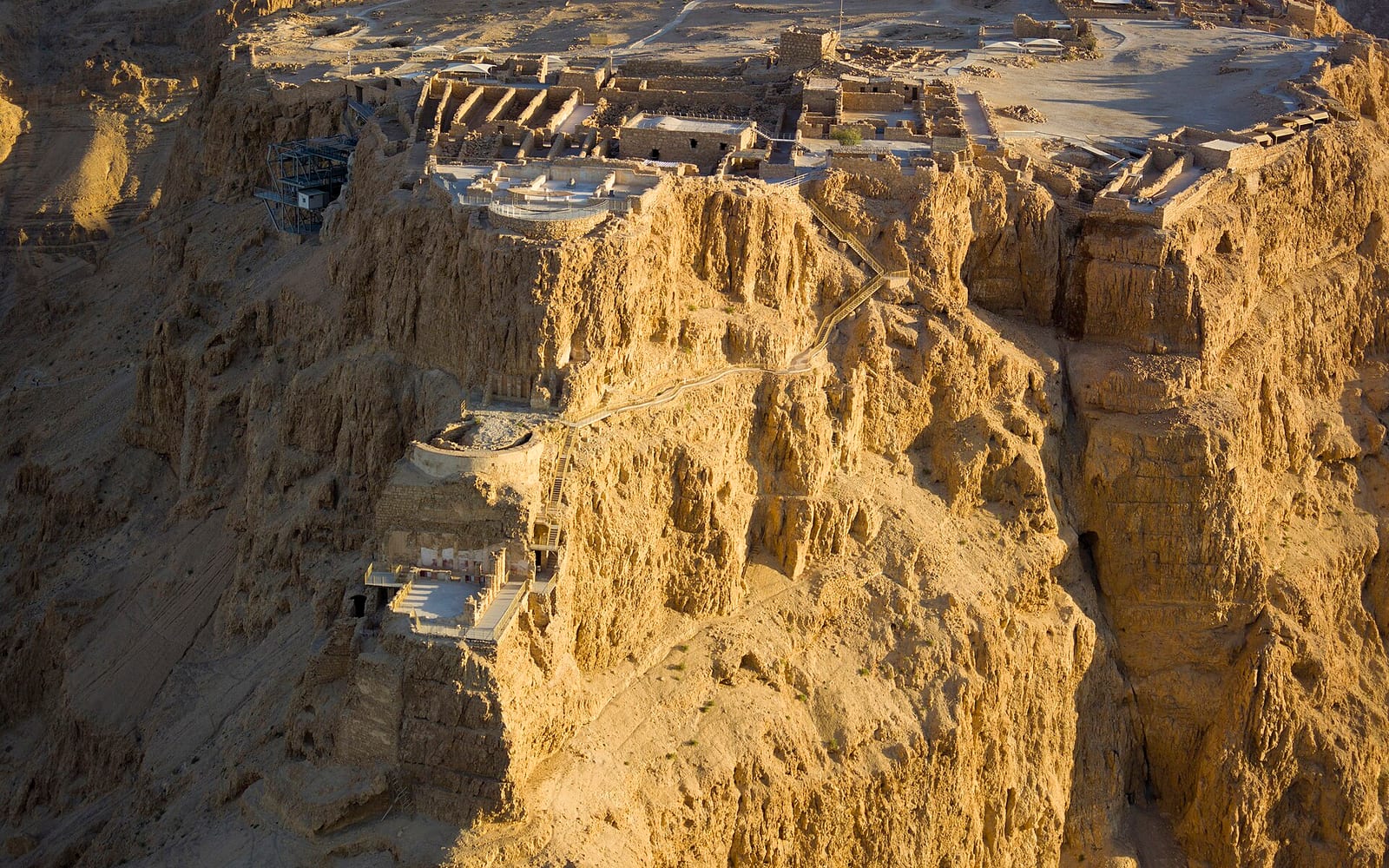
Abraham Hostel Jerusalem is the flagship: 350-bed property near the Mahane Yehuda Market on Agrippas Street, about 25 minutes’ walk from the Old City and a short bus ride from the Damascus Gate and Jaffa Gate. The communal areas, rooftop terrace and daily events make it the social hub of the Jerusalem backpacker scene. Tours to Masada + Dead Sea, Galilee, Petra (from the Jerusalem site), Bethlehem and West Bank context tours depart from here daily in peak season.
Abraham Hostel Tel Aviv occupies a converted building in the city centre on HaNevi’im Street, close to the Carmel Market and Florentin. Well-positioned for the beach, Jaffa and nightlife. The rooftop is a Tel Aviv highlight; social programme runs nightly. Tours to Jerusalem, the Dead Sea and Galilee depart from here alongside beach and Jaffa walking tours.
Abraham Hostel Haifa is the only Abraham property in a city where public transport runs on Shabbat — a practical advantage if you arrive on a Friday. Located near Haifa Merkaz HaShmona train station, within walking distance of the German Colony.
Abraham Hostel Eilat sits close to the North Beach promenade. It functions as the southern base for day trips to Petra (Wadi Araba border, ~90 minutes to Petra’s entrance), snorkelling at Coral Beach Nature Reserve, and Timna National Park. Group sizes are smaller here; the backpacker scene is less dense than Jerusalem or Tel Aviv.
All four properties run their own tour desks. Prices are typically ₪200–400 per person for the major full-day routes (Masada + Dead Sea from Jerusalem; Galilee circuit from TLV or Jerusalem; Petra from Jerusalem via Eilat). Book at reception; peak-season tours fill fast.
Best hostels by city
Jerusalem
Abraham Hostel Jerusalem (Agrippas 67) is the standout — tour infrastructure, social programme and location near Mahane Yehuda. For travellers who want a quieter, more residential experience: Ein Kerem (south-west Jerusalem, 30 minutes from the Old City by bus) has a handful of boutique guesthouses and pension-style stays in a village setting — good for longer stays. The village is 15 minutes from the Old City by taxi and gives easy access to Yad Vashem and the Chagall Windows at Hadassah.
Dorm rates in Jerusalem: roughly ₪90–200/night; check current rates on Hostelworld or Booking.com, as prices spike 2–4× around Passover, Sukkot, Christmas and Easter.
Tel Aviv
The Florentine Hostel (Florentin neighbourhood, south TLV) is the backpacker-neighbourhood option for those who want to be in the heart of the street art, creative scene and nightlife rather than city-centre convenience. Abraham Hostel Tel Aviv suits those who want the tour desk and social programme. Budget boutique options also cluster around the Carmel Market area.
Tel Aviv has a free bike-sharing scheme — Tel-O-Fun — with stations throughout the city, including the beachfront Tayelet. A single daily subscription costs a few shekels; it is the cheapest and fastest way to move around the flat central city without paying for buses.
Haifa
Abraham Hostel Haifa (near HaShmona train station) is the main option. Haifa is not a long-stay destination for most backpackers — one night is usually enough to see the Bahá’í Gardens and the German Colony. The train connection to Tel Aviv (55–65 minutes), Akko (25 minutes) and Nahariya (40 minutes) makes it an efficient stop-off on a northern route.
Eilat
Abraham Hostel Eilat anchors the southern end of the country. Budget guesthouses and hostel-style properties also cluster around the North Beach area. Eilat has no VAT (17% saving on purchases), which partially offsets its generally higher accommodation costs relative to northern cities.
Tiberias and the Sea of Galilee
The Sea of Galilee shoreline lacks a big-name hostel chain but has independent guesthouses in Tiberias and on the kibbutzim around the lake. Tiberias is the practical base for the Galilee circuit — Capernaum, the Mount of Beatitudes, Tabgha, and Ein Gev are all day-trip distance. The Ginosar Kibbutz Hotel has dormitory-style rooms at the lakeside if budget is priority; check availability via Booking.com.
Budget logistics
Getting around on a backpacker budget
The Rav-Kav transport card is the single most important purchase for budget travellers. Load it with credit at Ben Gurion Airport arrivals hall (24-hour information centre), at train station machines, or at post offices. A single intercity bus ride costs roughly ₪20–40; trains between Tel Aviv and Jerusalem cost approximately ₪15–20 with the Rav-Kav. See the transportation guide for route-by-route comparisons.
Sheruts (shared taxis) bridge the gaps on Shabbat. They run the major city pairs — Tel Aviv↔Jerusalem, Haifa↔Tel Aviv — at set fares (roughly ₪35 Tel Aviv–Jerusalem) and depart when full. On Shabbat they are often the only intercity option; pick up from near the Central Bus Station in Tel Aviv or the city centre in Jerusalem.
Food on a budget
Israel’s markets are both an experience and a money-saver:
- Mahane Yehuda, Jerusalem — buy hummus, bread, fruit and halva in the morning; return Friday afternoon before Shabbat for the best atmosphere. Falafel and shakshuka spots inside the shuk (covered market alley) are lunch for ₪20–35.
- Carmel Market, Tel Aviv — the food alley (HaCarmel Street) has excellent sabich, hummus and juice. Friday mornings are the most atmospheric.
- Jaffa Flea Market area — surrounding streets have cheap falafel and hummus institutions; Jaffa remains one of the most affordable dining zones in Tel Aviv.
A full market lunch typically costs ₪25–50 per person. For sit-down restaurant meals, budget ₪50–120 per person. See the Israeli street food guide for what to order and where.
Shabbat planning
Shabbat is the biggest practical challenge for first-time backpackers in Israel. From roughly Friday mid-afternoon (candle-lighting time varies by season — check the Shabbat calendar tool) to Saturday night, public transport shuts down across most of Israel. Supermarkets close; many restaurants close or reduce hours. Plan around it:
- Shop Thursday or Friday morning for food to carry through Shabbat — especially in Jerusalem, where Shabbat is strictly observed and options are limited.
- Use Shabbat to walk within your city. Saturday in Jerusalem’s Old City is exceptionally atmospheric; Tel Aviv’s beachfront is lively and secular.
- Haifa is the exception — the Carmelit cable subway and city buses run on Shabbat. See what’s open on Shabbat for the full breakdown by city.
- Sheruts run and are the only intercity public option Friday evening and Saturday.
Day tours from hostel hubs
The Abraham Hostels tour desk is the easiest starting point — competitive group prices, guides who know the route, and pickup from the hostel. For comparison and when Abraham tours are full, GetYourGuide and Viator list the same routes from multiple operators:
| Route | Typical price (per person) | Departs from |
|---|
| Masada sunrise + Dead Sea float | ₪280–400 | Jerusalem, TLV |
| Dead Sea full day (no Masada) | ₪220–330 | Jerusalem, TLV |
| Galilee + Nazareth day circuit | ₪280–400 | Jerusalem, TLV |
| Petra day trip (long day) | ₪500–700 | Jerusalem via Eilat |
| Bethlehem half-day | ₪150–250 | Jerusalem |
| Caesarea + Haifa half-day | ₪200–330 | TLV |
Prices are approximate ranges — check live listings for current rates. Abraham Hostels tours tend to sit at the lower end of these ranges for their guests.
Backpacker route suggestions
10 days: the classic circuit
Days 1–3: Tel Aviv — Jaffa, Carmel Market, beach, Florentin and Rothschild nightlife. Day tour to Caesarea as an optional half-day side trip.
Days 4–6: Jerusalem — Old City (Armenian, Christian, Jewish and Muslim Quarters), Mount of Olives, Mahane Yehuda, Yad Vashem. Day tour to Masada + Dead Sea floats. Half-day to Bethlehem.
Days 7–8: Galilee — Base in Tiberias or at Abraham Haifa. Sea of Galilee circuit (Capernaum, Mount of Beatitudes, Yardenit baptism site), optional Mount Arbel hike.
Day 9: Haifa — Bahá’í Gardens, German Colony, Wadi Nisnas.
Day 10: back to Tel Aviv for flight.
14 days: adding the south
Add two to three days in Eilat after Jerusalem — Coral Beach, Timna National Park, and the Petra day trip over the Wadi Araba border crossing. Return to Tel Aviv for departure or fly TLV→ETH internally.
Budget accommodation tip on the route
Booking consecutive nights rather than one-night stops saves both money and the effort of moving your pack daily. Jerusalem (3 nights) and Tel Aviv (3 nights) are the minimum sensible stays; Tiberias (2 nights) and Eilat (2 nights) if you’re doing the south. The Israel accommodation guide covers the full range from hostels to mid-range hotels by region.
Cross-links and further reading
- Israel cost & budget guide — daily cost breakdowns for backpacker, mid-range and luxury
- Transportation in Israel — trains, buses, sheruts and airport connections
- Rav-Kav guide — how to buy, load and use Israel’s transit card
- Shabbat guide — what closes, what stays open, and how to navigate the Jewish day of rest
- Cycling in Israel — Tel-O-Fun bike share, the Sea of Galilee circuit and longer routes
- Free things to do in Israel — top experiences that cost nothing
- Israeli street food guide — what to eat, where to find it, and what to pay
- Solo travel in Israel — city-by-city base guide, meeting people, and Shabbat planning for solo visitors