Israel sits in a sweet spot for smart luxury travel: the country has genuine world-class experiences — a crater-view infinity pool in the Negev, the Western Wall at dawn with a knowledgeable guide, a Dead Sea spa hotel — alongside perfectly good budget options for everything else. The question is not whether to travel luxuriously in Israel, but where to put the money so it actually changes what you experience.
The framework: splurge on access, save on logistics
The highest-value luxury upgrades in Israel are the ones that change what you see or how deeply you understand it — not the ones that just add comfort to something you would experience anyway. A private guide at Masada adds comprehension; premium legroom on a 4-hour shuttle from London adds almost nothing. A night on the Beresheet crater rim is an experience you genuinely cannot replicate; the same budget at a generic 5-star Tel Aviv beach hotel buys you something interchangeable with dozens of other Mediterranean cities.
The corollary: Israel’s free-tier and budget-tier experiences are genuinely good. The Western Wall, the Bahá’í Gardens in Haifa, Tel Aviv beaches, the Carmel Market and most of the national hiking trails cost very little. Concentrating money on the 2–3 experiences where premium makes a structural difference — and spending efficiently everywhere else — is the pattern that consistently produces the best trips.
Where to splurge
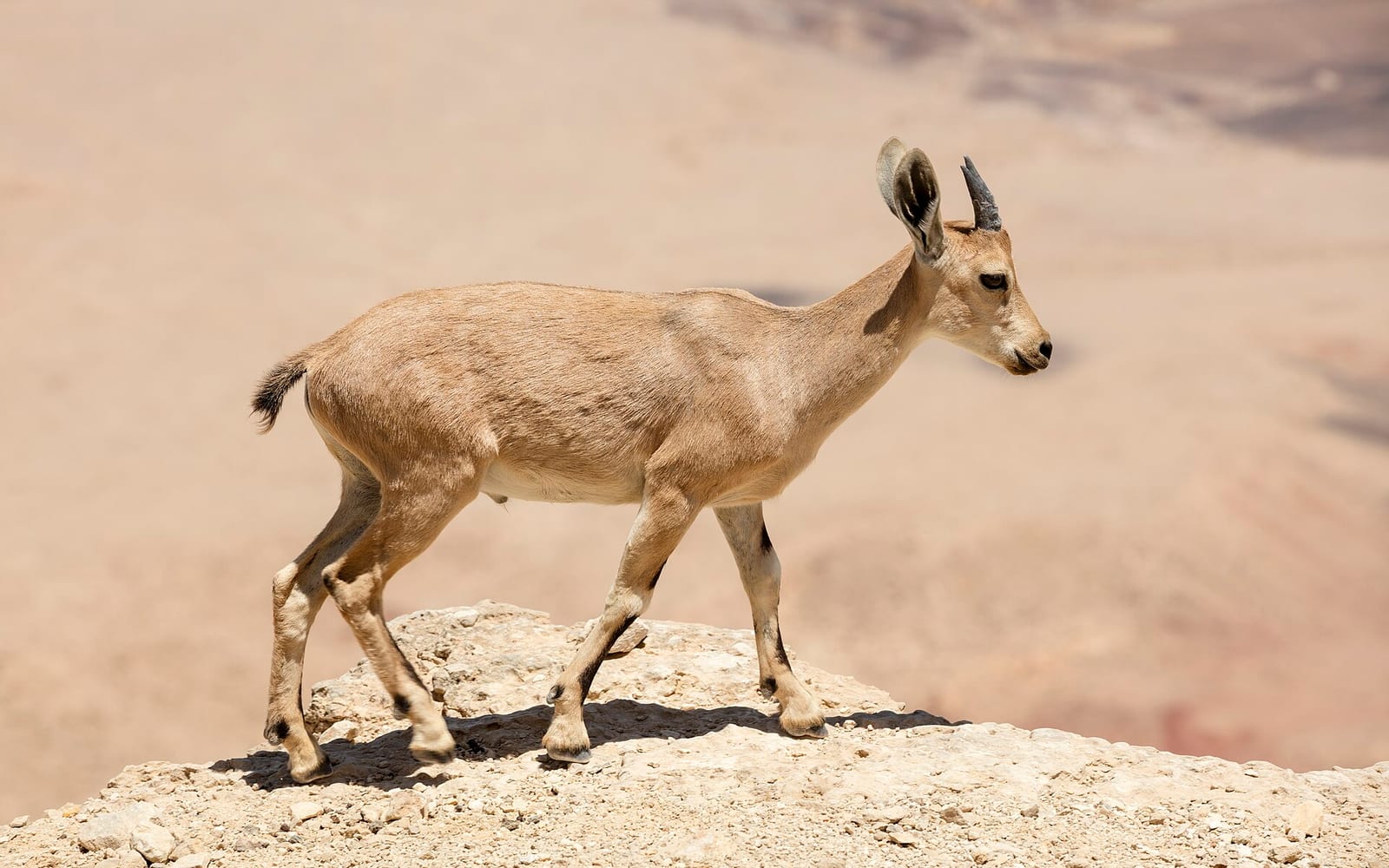
Two Israeli hotels justify a full-rate splurge on their own terms. The Beresheet Hotel (Mitzpe Ramon, Negev) sits on the rim of the Ramon Crater — a makhtesh, a uniquely Israeli geological formation — with room terraces and an infinity pool looking straight into the 40-kilometre canyon. There is nowhere else in Israel where the landscape does this. Even if you are not staying, a crater-view dinner at the Beresheet restaurant (₪250–350/head; book 6 weeks ahead in season) is one of the more memorable meals in the country.
The Norman in Tel Aviv (Nahalat Binyamin) is the best argument for a special-occasion city hotel: two beautifully restored Eclectic-style buildings from the 1920s, smaller and quieter than the beachfront chains, with the Rothschild restaurant scene on the doorstep. For a pair, the Norman at ₪2,000–3,000/night in shoulder season is often cheaper per night than a family room at a beachfront 5-star chain during summer.
For Jerusalem, the best hotels in Jerusalem guide covers the full tier breakdown, including the boutique properties in the German Colony and Mamilla that offer genuine 4-star quality at 3-star pricing.
Private guides: when it matters
A private licensed guide in Jerusalem’s Old City is the clearest case where a premium experience costs less than you expect. For two or three people, a 4-hour private Old City tour often comes in at a similar per-person cost as a mid-range group tour — and you get a completely different depth of access. You control the pace at the Church of the Holy Sepulchre, ask the questions that actually matter to you, and don’t spend 40 minutes at stops you have no interest in. Browse private options on GetYourGuide and filter by group size; the per-head price for small groups often surprises.
Dead Sea: spa hotel vs public beach
The Dead Sea has both a free public beach at Ein Gedi and a resort hotel strip at Ein Bokek with private pool access and mineral-treatment packages. The public beach is perfectly adequate for the float. The Ein Bokek spa hotel experience — private pool, mud-wrap treatment, sunset views from a lounger with no crowds — is a genuinely different afternoon that the public beach does not replicate. One night at a mid-range Ein Bokek resort is often the most straightforward “worth it” upgrade on a standard Israel itinerary.
Where to save
Transport
Public transport between Israel’s main tourist cities is fast, cheap and reliable. The Tel Aviv–Jerusalem train runs every 30 minutes and costs under ₪30; a sherut (shared taxi) runs the same route door-to-door for under ₪70. These cover the same route as a ₪450 private taxi transfer. Premium airlines on the London–Tel Aviv or New York–Tel Aviv leg rarely justify the price differential relative to economy on the same flight; the same budget buys a significant hotel upgrade on the ground, where it affects more hours of your trip.
Food
Israel’s mid-market food culture is extremely good. A hummus lunch at a local Arab-owned restaurant in Akko, a shakshuka breakfast at Carmel Market in Tel Aviv, or a lamb kebab at the Muslim Quarter in Jerusalem’s Old City costs ₪40–80 and frequently outperforms a hotel restaurant at four times the price. Save the restaurant budget for one or two genuinely memorable dinners — the Beresheet, or Machneyuda in Jerusalem — and eat cheaply and deliciously everywhere else.
Shoulder season strategy
November and February are the most consistent high-value windows in Israel. The weather is mild (15–22°C), crowds at major sites are noticeably thinner, and 4-star and boutique hotel rates typically run 30–40% below July–August peak on the same properties. The Dead Sea spa resorts and Jerusalem Old City guesthouses both show this seasonal swing clearly. The Israel travel cost guide covers budget benchmarks across seasons, and the trip cost calculator lets you model specific itineraries.
December is partially reclaimed by Christmas and New Year (Nazareth and Bethlehem fill up; Jerusalem rates spike). The High Holiday window (Rosh Hashanah through Sukkot, September–October) pushes Dead Sea resort rates sharply higher and reduces restaurant availability significantly. If budget is a genuine constraint, mid-November and February are the windows to target.
What is genuinely not worth the premium
El Al premium economy on short-haul European routes (4–5 hours): the extra legroom over a budget carrier rarely justifies the price differential versus an upgrade applied to accommodation or experiences at the destination.
Certain Old City “boutique” hotels in Jerusalem: the premium label does not always correspond to premium insulation, updated fixtures, or the breakfast quality that the rate implies. Read recent reviews carefully; the Old City’s stone buildings are atmospheric but can also mean noise between rooms and limited light. The best hotels in Jerusalem guide flags which properties genuinely deliver on their pricing.
Large group tours to Masada: the cable car and group-tour format at Masada works fine, but the experience is much better at sunrise before the crowds arrive — either via the Snake Path hike (free) or by booking a private driver for the 90-minute run from Tel Aviv or Jerusalem. The snake path hike is strenuous but free; the private car upgrade rather than the tour upgrade is what changes the experience.
For a full picture of where Israel travel spending goes at each budget tier, the Israel cost budget guide and the backpacking Israel guide cover the low end, while the best hotels in Tel Aviv guide covers the accommodation tier in detail for the city with Israel’s widest hotel range.