Both destinations sit in Israel’s arid south — one below sea level in a salt-lake depression, the other at the tip of the Red Sea — but they deliver very different experiences. Here is how they compare across the decisions that matter most.
Side by side
| Dead Sea | Eilat |
|---|
| Main draw | The float — world’s saltiest lake at −430 m | Red Sea diving, snorkeling, year-round sun |
| Water type | Hypersaline lake (34% salinity) | Warm tropical sea with coral reef |
| Best paired with | Masada sunrise + Ein Gedi hike | Petra day trip + Timna Park |
| Distance from Jerusalem | ~90 min (60 km) | ~4.5 hrs drive (330 km) or 50-min flight |
| Distance from Tel Aviv | ~90 min (80 km) | ~4.5 hrs drive or 50-min flight |
| Without a car | Day tours available daily | Fly or take the bus; walkable once there |
| Summer temperature | 38–42°C | 36–40°C (drier) |
| Family water activities | Float + mud; limited swimming | Snorkeling, Dolphin Reef, water parks |
| Spa hotels | Yes — Ein Bokek is Israel’s spa resort strip | Some; generally less spa-focused |
| Tax-free shopping | No | Yes — no VAT on most goods |
| Petra access | Via Allenby Bridge (~2.5 hrs total) | Via Yitzhak Rabin crossing (~1.5 hrs to Petra) |
Choose the Dead Sea if…
You want the single most iconic Israeli experience within reach of Jerusalem. No other natural phenomenon in the world lets you float motionless on the surface of a lake; the sensation — combined with the other-worldly mineral landscape — is on every bucket list for good reason.
The Dead Sea’s surrounding circuit is unmatched for cultural density:
- Masada — Herod’s fortress atop a sheer desert mesa; the sunrise Snake Path ascent is one of Israel’s defining experiences
- Ein Gedi Nature Reserve — a desert oasis with ibex, hyraxes, and freshwater waterfalls cutting through copper canyon walls; the Nahal Arugot trail is excellent
- Qumran — where the Dead Sea Scrolls were found; the caves are visible from the visitor centre
The practical case: the Dead Sea is an easy day trip or overnight from both Jerusalem and Tel Aviv (roughly 90 minutes each direction). No flights required. A half-day float at Kalia Beach or the Ein Bokek free public beach, combined with a morning Masada ascent, is among the best value southern itineraries available.
The floating tips matter: walk in to knee depth, squat and lean back slowly; keep your head back to avoid eye contact with the hyper-saline water; limit immersion to 15–20 minutes. See the Dead Sea visitor guide for the full practical briefing.
Choose Eilat if…
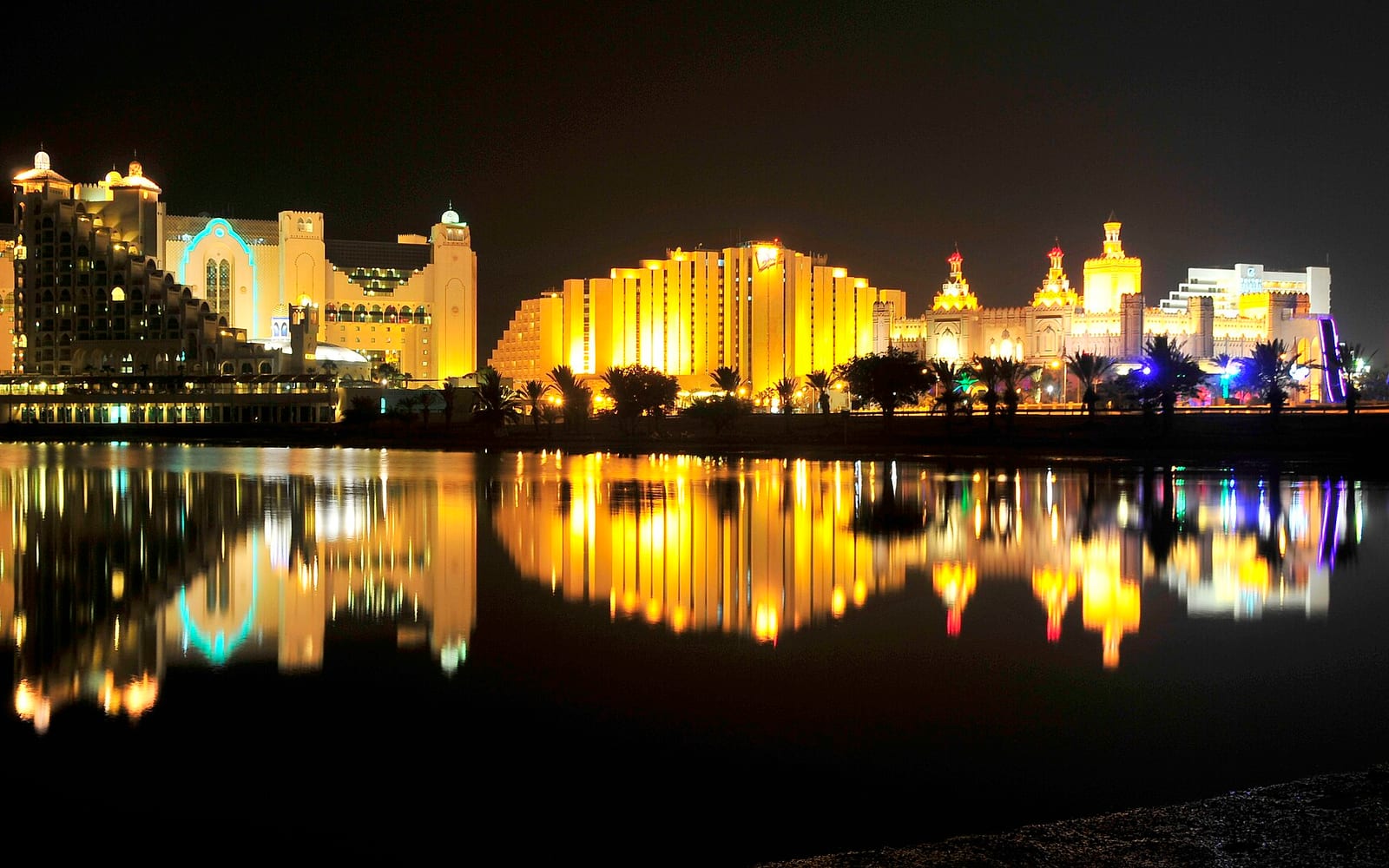
You want Red Sea marine life and a beach-resort atmosphere with more sustained activity over 2–3 nights.
The standout experiences are underwater:
- Coral Beach Nature Reserve — a protected reef managed by the Israel Nature and Parks Authority; snorkeling from shore brings you over brain corals, lionfish and parrotfish within minutes; no diving certification required for the shallows
- Underwater Observatory Marine Park — a semi-submarine observatory with aquariums, shark tanks and open-air exhibits; works well for children of any age and non-swimmers
- Dolphin Reef — semi-wild rescue dolphins in their natural bay; visitors can snorkel or dive in the same water; manage expectations (encounters not guaranteed — the dolphins interact on their own terms, not a trained show)
- Scuba diving — the northern tip of the Red Sea has warm water year-round, excellent visibility, and access to open-water depth within minutes of the shore
Beyond the water, Eilat’s Timna National Park (30 km north) is a geological spectacle: sandstone Solomon’s Pillars, ancient Egyptian copper mines, a mushroom-shaped rock, and the Zodiac amphitheatre. Half-day jeep tours operate from Eilat.
The tax-free shopping advantage is real: Eilat is a designated free-trade zone with no VAT (typically 17%). Alcohol, cosmetics, and electronics are significantly cheaper than anywhere else in Israel — stock up on the way back.
Eilat is also the closer departure point for Petra: the Yitzhak Rabin (Wadi Araba) border crossing is 5 km from Eilat’s city centre, putting the entrance to Petra roughly 1.5 hours away. Compare the two crossing options in Petra from Israel: Eilat vs Amman.
The honest answer: they are not rivals
Most visits to southern Israel do both — just not on the same trip unless you have a week. The ~250 km gap (about 3 hours by car along the Arava valley) makes combining them workable on a 5-to-7-day southern circuit, but tight on anything shorter.
A practical southern loop for a 5-day trip from Jerusalem:
- Day 1 — Drive to Masada; sunrise cable car or Snake Path; Masada fortress interior
- Day 2 — Dead Sea morning (Kalia Beach or Ein Bokek); Ein Gedi Nahal David trail; overnight Ein Bokek
- Day 3 — Morning Qumran; drive south on Route 90 through the Arava; Timna Park late afternoon; overnight Eilat
- Day 4 — Eilat: Coral Beach snorkel morning, Underwater Observatory afternoon; optional Dolphin Reef
- Day 5 — Eilat tax-free shopping; return north via desert highway or domestic flight from Ramon Airport
For a shorter break (2 nights), the Dead Sea is closer and richer in adjacent sightseeing from Jerusalem. For a pure beach-and-activities escape, Eilat’s reef and resort infrastructure give it the edge.
Plan your Dead Sea visit with the Dead Sea visitor guide, explore the region at the Dead Sea hub, or browse Eilat things to do for the full Eilat overview. If you’re weighing Eilat against Aqaba across the Jordanian border, see the Eilat vs Aqaba comparison for a side-by-side on diving, beaches and Petra logistics.