Israel is not a budget destination — but it is one where many of the most memorable experiences genuinely cost nothing. From UNESCO-listed gardens to ancient sacred sites and 13 kilometres of public beach, the free tier is surprisingly rich.
1. Yad Vashem — free with advance registration
Yad Vashem is Israel’s national Holocaust memorial and the world’s most comprehensive Holocaust museum. Entry is entirely free. The main complex covers over 18,000 square metres and includes the Holocaust History Museum, the Children’s Memorial, the Avenue of the Righteous Among the Nations and extensive sculpture gardens.
Allow three to four hours minimum. Online registration through the Yad Vashem website is required and runs out well ahead of peak dates — book as early as possible. Free guided tours depart at scheduled times; register for these separately on the same website. Yad Vashem sits on Mount Herzl in west Jerusalem, easily reached by Egged bus or light rail. See our complete Yad Vashem visitor guide for detailed timing, registration, and what to expect in each section.
2. Western Wall — free, 24 hours
The Western Wall (the Kotel) is the largest accessible section of the ancient Temple Mount retaining wall and the most sacred accessible site in Judaism. Entry to the plaza is free at all hours, every day of the year.
Bags are screened at the entrance. Head coverings are required at the Wall itself — kippot and head scarves are provided free at the gate. Men and women pray in separate sections. The plaza is particularly atmospheric at sunset on Fridays as Shabbat begins, and on Jewish holidays when large crowds gather for prayer.
The Wall sits inside the Old City of Jerusalem’s Jewish Quarter, a short walk from the Jaffa Gate entrance or the Jewish Quarter Road.
3. Tel Aviv beaches — 13 km of free coastline
All of Tel Aviv’s public beaches are free to access. The main strip runs continuously from Gordon Beach and Frishman Beach in the north through Bograshov, Banana Beach and down toward Old Jaffa — more than 13 km in total. Lifeguard service covers the main beaches during summer months.
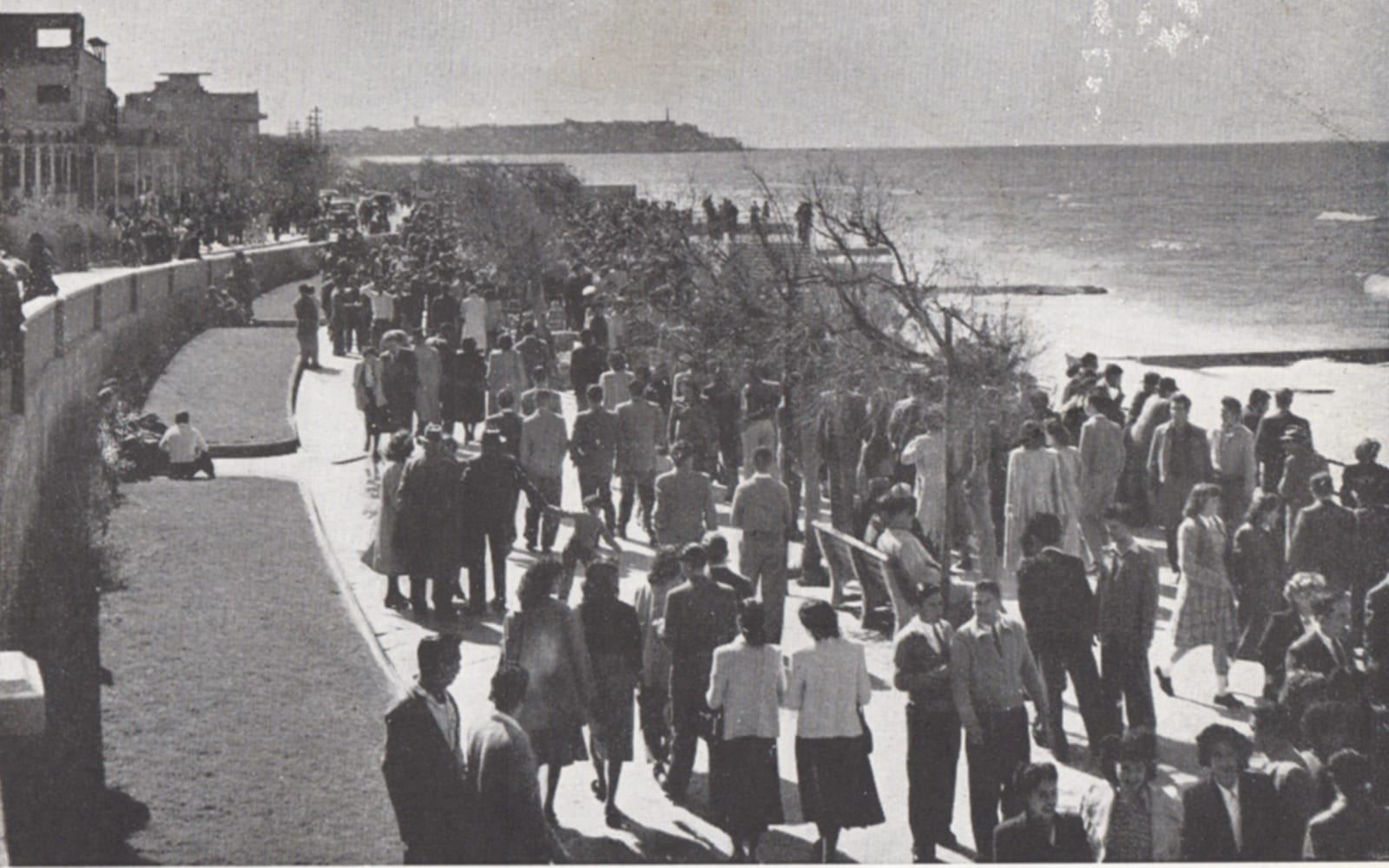
The beaches are backed by the Tel Aviv promenade (Tayelet), a paved seafront walkway ideal for running, cycling and people-watching. Sunlounger and umbrella hire is paid; swimming is not.
Hilton Beach, at the north end near the hotel, is well established as a welcoming space for the LGBTQ+ community and for dog owners. Religious visitors should be aware that the stretch opposite Kerem HaTeimanim (south of Gordon Beach) is often informally quiet on Shabbat.
For a full breakdown of each beach by character, crowd type and facilities — including Eilat’s coral reef beaches — see the best beaches in Israel guide.
4. Bahá’í Gardens in Haifa — free guided tours
The Bahá’í Gardens in Haifa — nineteen terraces of manicured gardens descending Mount Carmel toward the bay, centred on the golden-domed Shrine of the Báb — are a UNESCO World Heritage Site. Entry and guided tours are entirely free.
Free English guided tours run on Sunday, Monday and Wednesday mornings. Advance registration is required through bahai.org/haifa; spaces fill several weeks ahead in summer. Photography is permitted in the gardens but not inside the Shrine itself.
Visitors without a reservation can view the lower terrace and the panorama from Ben-Gurion Boulevard at the foot of the gardens at any time. The adjacent German Colony neighbourhood is ideal for a free wander before or after.
5. Via Dolorosa — a free walk through history
Via Dolorosa — the “Way of Grief” — is the route through the Old City of Jerusalem traditionally associated with the final journey of Jesus. The walk passes fourteen stations, from near the Lion’s Gate in the Muslim Quarter through the Christian Quarter to the Church of the Holy Sepulchre.
The route is a public street rather than a ticketed attraction; walking it costs nothing. Many visitors join the Franciscan Way of the Cross procession, which departs every Friday afternoon at 3 pm from the first station — open to all with no charge. See the full Via Dolorosa station-by-station guide for timing, what to expect at each stop, and how to time the Friday procession.
The Church of the Holy Sepulchre at the end of the route also has no entry charge.
6. Machane Yehuda Market — free to explore
Machane Yehuda Market (“the Shuk”) is Jerusalem’s main market, a covered-and-open labyrinth of spice stalls, produce vendors, bakeries, coffee shops and, by evening, bars and restaurants. Entry is free; the cost is entirely optional spending.
The market is liveliest on Thursdays and Friday mornings before Shabbat. By late afternoon on Fridays, most stalls close. Thursday and Friday mornings are also the time for best prices on produce. The evening bar scene (Thursday nights especially) is a different atmosphere entirely — outdoor tables, live music, and the market transformed into a nightlife corridor.
7. Mount of Olives viewpoint
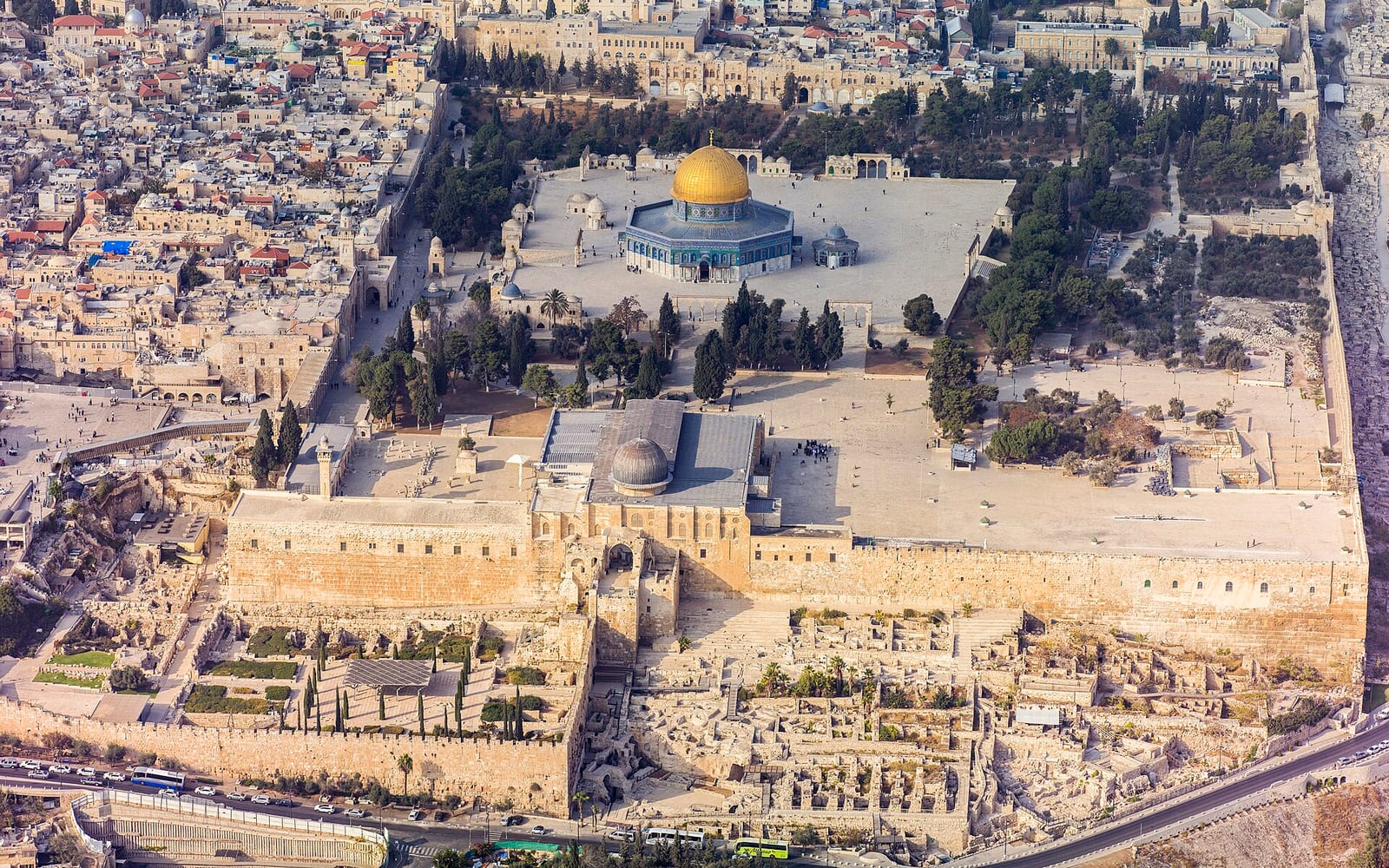
The Mount of Olives is one of the most photographed viewpoints in the world — the Old City panorama from the ridge, with the Dome of the Rock and Western Wall directly below and the Judean Desert behind, is iconic. The viewpoint itself is a public hilltop accessible at any time with no charge.
The classic sunrise visit rewards early risers: arrive before 6 am in summer to see the Old City glow in soft light with few crowds. The area is busy with tour groups through mid-morning. The Jewish cemetery on the slopes of the Mount of Olives, one of the oldest in the world, is also free to walk through respectfully.
8. Old Jaffa — free to wander
Old Jaffa (Yafo) is one of the oldest port cities in the world, now integrated into greater Tel Aviv. The ancient core — the hill around the lighthouse, the Ottoman-era clock tower, the artists’ quarter alleyways and the cliffside views over the Mediterranean — is entirely free to explore on foot.
The Jaffa Port itself is a working harbour; walking the stone quay is free. Ilana Goor Museum and St Peter’s Church are paid sites. The surrounding flea market (HaPishpeshim) is a free browse — best on Fridays.
9. Tel Aviv Greeters — free guided walks
TLV Greeters is a City of Tel Aviv initiative that pairs visitors with volunteer local guides for free two-to-three-hour themed walking tours. Themes include White City Bauhaus architecture, the foodie market circuit, the Florentin neighbourhood, and Old Jaffa.
Tours are free with no charge or tip expectation. Book through the official City of Tel Aviv tourism website at least one week ahead (popular dates fill months out). Tours run in English and other languages depending on guide availability.
10. Ben-Gurion House — free guided tours
The original home of Israel’s first prime minister, David Ben-Gurion, in central Tel Aviv is maintained as a house museum open to the public for free. Guided tours run in English on scheduled days and last approximately 45 minutes; the interior is preserved as it was during Ben-Gurion’s lifetime, including his substantial personal library.
Independence Hall (Beit Ha’atzmaut) on Rothschild Boulevard — where the State of Israel was declared on 14 May 1948 — is also free to enter and a 10-minute walk away. Both are covered in detail in the Tel Aviv museums guide, which also covers the Tel Aviv Museum of Art, ANU Museum, Eretz Israel Museum, and Design Museum Holon.
Practical tips
National parks preview days. Several Israel Nature and Parks Authority sites offer periodic free or reduced-rate entry days, typically around national holidays. The annual National Parks Pass (covered separately in the Israel National Parks Pass guide) pays for itself quickly if you plan to visit three or more paid parks.
Yad Vashem and Bahá’í Gardens book up fast. Both require advance online registration and both fill weeks or months ahead in summer. Treat registration as a logistics task rather than a casual plan-on-arrival option.
Jerusalem Old City entry. The Old City itself is free to walk through at any time, day or night. Individual paid sites within it include the Tower of David Museum, the Old City Ramparts Walk, and the Burnt House/Wohl Archaeological Museum — but the four quarters, the markets and the major open-air sacred sites are free.
Free versus paid in context. Israel’s national cost and budget guide covers the full picture of what trips typically cost. The sites on this page represent the free tier — combining them with one or two paid highlights is often how most visitors structure their days. For hostel-based travel that keeps the overall trip affordable, see the backpacking Israel guide.
Cross-city movement. Public transport is inexpensive rather than free. The Rav-Kav card covers Jerusalem light rail, Tel Aviv bus and light rail, and intercity buses at standard fares. Tipping in Israel is optional; see the tipping guide for norms.