July and August in Israel mean one thing: heat. The question is not whether to expect it — 38°C in Jerusalem and 42°C at the Dead Sea is simply the reality — but how to travel around it rather than through it. Millions of visitors, including most Israeli schoolchildren, are here in these months because school schedules leave no choice. This guide covers what actually works.
The most important re-frame: summer is the best season for Tel Aviv, the coast and the Sea of Galilee. It is the hardest season for the Negev, the Dead Sea in the afternoon, and any sustained outdoor activity inland. Plan accordingly and the experience is excellent.
Understand the heat geography
Israel is small but the temperature variation across it in summer is significant.
The Mediterranean coast (Tel Aviv, Haifa, Netanya): 28–32°C with a sea breeze. The coast is the most comfortable part of the country in summer. Humidity is higher than inland but the wind off the sea cuts the perceived temperature considerably. This is where you want to base yourself.
Jerusalem: 32–36°C, dry heat. Uncomfortable in the midday hours, but the dry air makes it more tolerable than the coast’s humidity might suggest. The Old City is largely shaded by stone walls and covered souks — the main unshaded exposure is the Temple Mount / Haram al-Sharif plaza. Plan Old City mornings early, finish by noon.
Dead Sea basin and Jericho: 40–45°C, highest humidity in the country. The Dead Sea is 400 metres below sea level, the lowest point on earth, and the heat accumulates in a way it does not elsewhere. This area is viable only before 9am. See the specific section below.
Negev (Mitzpe Ramon, Beersheba, Timna): 38–44°C, dry. Trail hiking is dangerous and closures are in effect. Car-based viewpoint visits (brief stops with the engine running for AC) are manageable. Defer desert hikes to October.
Sea of Galilee and the Golan: 28–34°C. The lake moderates temperatures, and the Golan Heights plateau (400–1,000m) runs 4–6°C cooler than the coast. Summer is excellent for water activities here.
Eilat (Red Sea): 38–42°C air temperature, but the Red Sea is the destination — diving, snorkelling, boat trips and the underwater observatory work fine year-round because you are in the water. Eilat is a functional summer destination if your activities are water-based.
The early-morning-first strategy
In July and August, structure each day so that outdoor historical sites are done by 10–11am. Everything after that goes to coast, indoor alternatives or sea activities.
Morning (6:00–10:00 am)
- Masada Snake Path (leave at 3:30 am, summit for sunrise, down by 9 am)
- Western Wall and the Jewish Quarter of Jerusalem’s Old City
- Nazareth’s Old City souks and the Church of the Annunciation before the coach groups arrive
- Ein Gedi Nahal David water hike — the spring-fed trail is best before 10am when the rocks are cool
- Dome of the Rock and Al-Aqsa plaza (non-Muslim access via Mughrabi Gate; check current hours, as access changes)
Midday refuges (11:00 am–4:00 pm)
The goal here is shade, cold drinks, and air conditioning.
- Covered markets: Mahane Yehuda in Jerusalem is fully covered and has excellent cafés. Carmel Market in Tel Aviv is partly covered. Both function perfectly in peak heat.
- Museums: the Israel Museum in Jerusalem has air-conditioned galleries for 3–4 hours (Dead Sea Scrolls gallery, archaeology wing); the Tel Aviv Museum of Art; the Eretz Israel Museum; the Bible Lands Museum Jerusalem. Any of these makes a natural midday slot.
- Shopping malls: Dizengoff Center in central Tel Aviv, Malha Mall in Jerusalem, Azrieli Tower in Tel Aviv. Useful as emergency cooling stops even if you don’t shop.
- Sarona Market in Tel Aviv’s Sarona complex — a covered food hall in a restored Templar neighbourhood; good for a long lunch.
- The beach: counterintuitive, but Tel Aviv beach in the middle of the day is actually comfortable because of the sea breeze and the option to cool down in the water.
Late afternoon and evening (4:00 pm onwards)
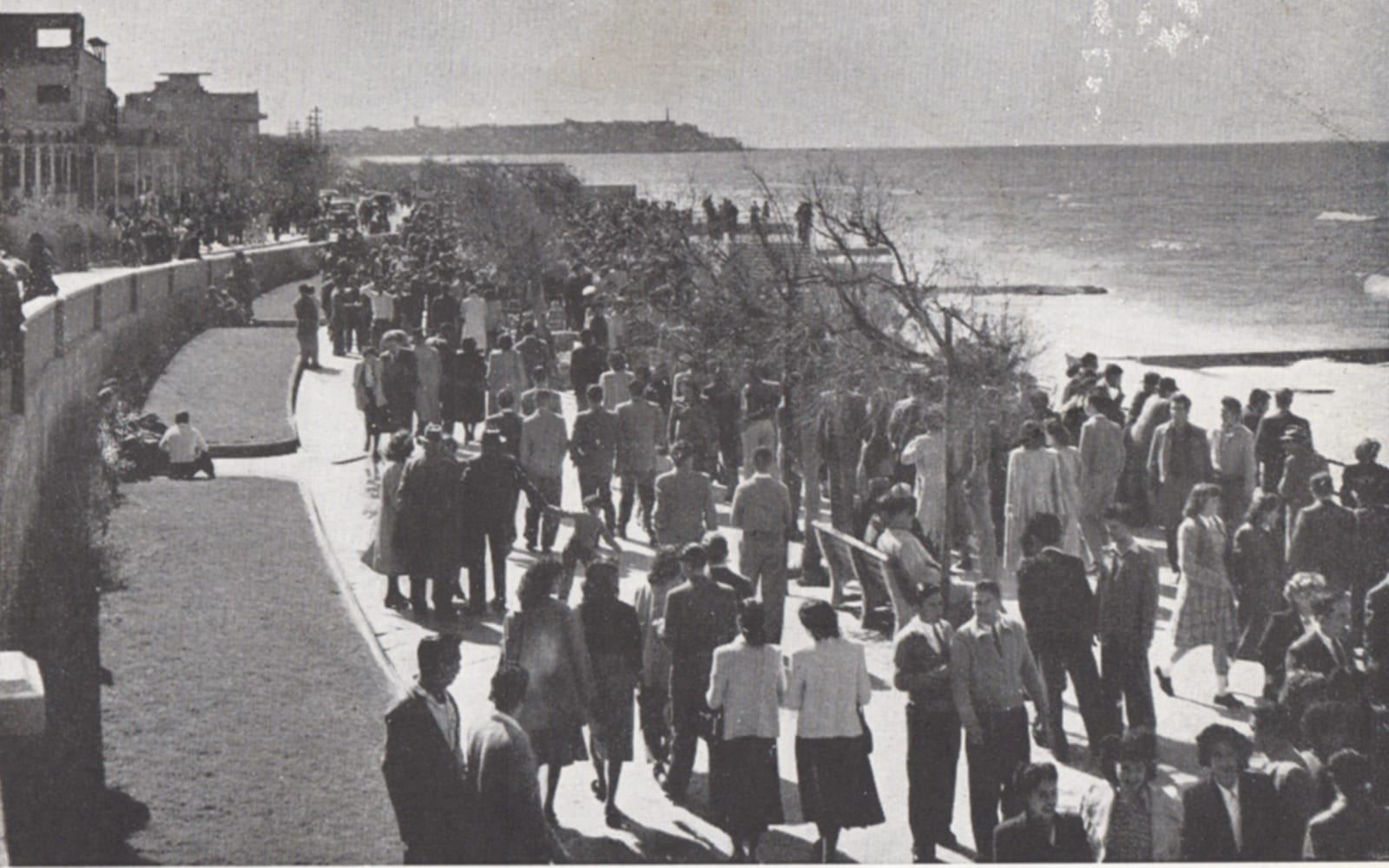
- Tel Aviv promenade — the best evening destination in Israel in summer
- Old Jaffa port and the flea market (Shuk HaPishpishim) on Fridays
- Carmel Market on Thursday evenings (outdoor bar scene from about 7pm)
- Jerusalem’s German Colony for dinner after 7pm
- The Sea of Galilee waterfront at sunset
Tel Aviv: the summer home base
Tel Aviv is the right place to base a summer Israel trip. The beach is at full capacity, the evening culture is the best in the country at this time of year, and the city’s walkable, bikeable grid means you can largely avoid the worst of the midday heat indoors without wasted car time.
What works in Tel Aviv in summer:
- Morning beach: before 10am the beach is relatively quiet, the water is warm (28–30°C) and the light is good. Gordon Beach, Frishman Beach and Hilton Beach are all walkable from central hotels.
- Bike the promenade: the 14km seafront path from the north Tel Aviv port down to Jaffa is flat, shaded in patches and best cycled in the morning or evening. Tel-O-Fun bike-share stations are everywhere.
- Afternoon Old Jaffa: the stone streets and covered areas of Old Jaffa tolerate midday heat better than open plazas. The port, the flea market area and the galleries are comfortable from noon onwards.
- Evening Florentin: the most vibrant neighbourhood for evening eating and bar culture; the street murals are also worth seeing at dusk when the light is good for photography.
For the full Tel Aviv summer activity programme, see the Tel Aviv things to do guide.
Dead Sea in summer: dawn only
The Dead Sea in summer is viable only before 9am — full stop.
The recommended approach: combine with the Masada sunrise hike on the same day. Wake at 3am, drive to Masada East Visitors Centre for a 3:30–4:00am trail start, summit for sunrise by 5:30–6:00am, descend by 9am, drive 15 minutes south to Kalia Beach for the Dead Sea float (9:00–10:00am), then drive back to base by noon with the rest of the day for shade and recovery.
Kalia Beach (northern Dead Sea, ₪60–90 entry with showers and changing rooms) opens at 8am and is the most accessible public beach from Jerusalem. Booking the Kalia Beach facility in advance during summer is recommended as the first-light slots fill early on weekends.
At the Dead Sea in summer: the salt brine amplifies UV — even 30 minutes is enough to burn at 9am. Sunblock rated 50+ is not optional. The black mineral mud is available at most beach facilities and is best applied before the heat peaks. See the full Dead Sea guide for what to bring, which beach to choose, and the floating technique.
Sea of Galilee and Upper Galilee
The north is the most underrated summer destination in Israel. The Sea of Galilee water temperature reaches 29°C, the Golan Heights plateau is 6°C cooler than the coast, and the tourist density is far lower than the south circuit.
Summer activities in the Galilee:
- Kayaking and paddleboarding on the Sea of Galilee from Gofra Beach or Kinneret Beach — best in the morning, but the water remains calm enough in the afternoon
- Kayaking the Jordan River from Sde Nehemia downstream through the Hula Valley — about 2 hours, mostly shaded by riparian vegetation; the most comfortable long outdoor activity in Israel in summer
- Achziv National Park near Nahariya — tidal pools, a sheltered lagoon and a beach; free entry outside peak hours
- Nahal Kziv water hike (flows October–April only; deferred to autumn)
- Rosh Hanikra sea caves — air-conditioned cable car down to the grottos; 20 minutes of cool cave exploration, good for midday
Safed (Tzfat) at 900m altitude runs 6–8°C cooler than the coast and is a legitimate escape from Tel Aviv heat. The artists’ quarter, medieval synagogues and Galilean views work well as a half-day addition to a northern itinerary. See the Safed guide.
Jerusalem in summer
Jerusalem is hot but manageable. The key is the dry heat — it feels very different from the coast’s humidity and cools noticeably after sunset.
Old City timing:
- The Jewish and Christian quarters are well-shaded by stone architecture and narrow covered souks. Morning visits before 11am are ideal, but the afternoon is tolerable in the covered markets.
- The Temple Mount / Haram al-Sharif plaza is fully exposed — it is the one area to visit strictly early morning (opening time, typically 7:30am for non-Muslims on weekday mornings).
- The Western Wall plaza has no shade; visit at dawn or in the evening when the heat has lifted and the plaza has a different atmosphere.
Indoor options:
- Yad Vashem (the Holocaust memorial) — the main museum is 3–4 hours indoors in air conditioning; one of the most appropriate midday activities in Jerusalem. See the Yad Vashem guide.
- Israel Museum — Dead Sea Scrolls gallery, sculpture garden (early morning only) and archaeology wing; allow 3 hours.
- Tower of David Museum — the recently renovated interior is excellent; the outdoor ramparts are hot at midday but worth the 30-minute early-morning circuit. See the Tower of David guide.
The Jerusalem food guide has suggestions for midday spots in Mahane Yehuda and the German Colony that work in the heat.
Eilat and Red Sea activities
Eilat’s air temperature (38–42°C) sounds brutal, but the Red Sea is the reason to come. The Red Sea coast is a water-activities destination in summer:
- Snorkelling at Coral Beach Nature Reserve — the coral reef is 50 metres from shore; entry fee includes equipment rental; best before 10am when the water is clearer
- Diving: the Red Sea has year-round visibility of 20–30m and water temperature of 27°C in summer; Eilat’s dive operators run morning trips that return to the marina by noon
- Underwater Observatory Marine Park — fully air-conditioned, 800+ marine species in tanks and underwater walkways; the best midday option in Eilat on the hottest days
- Red Sea boat trips — glass-bottom boats and snorkelling tours depart in the morning and generally return by noon
See the Eilat travel guide and Eilat diving guide for operator recommendations and what to expect at each site.
Practical heat management
Water: carry a minimum 1.5 litres per person whenever you are outdoors. Refill frequently — public water fountains exist in most Israeli parks and attractions. Dehydration at 40°C is faster than most visitors expect.
Clothing: light, loose-fitting, light-coloured, long-sleeved shirts protect better than bare skin in strong sun. Religious site etiquette (shoulders and knees covered at the Western Wall, Church of the Holy Sepulchre, Al-Aqsa) aligns well with sun protection. See the dress code guide.
Sunblock: 50+ SPF, reapplied every 90 minutes outdoors. The Dead Sea and Eilat coast amplify UV — one of very few places where sunburn from reflected light off water and salt is a real risk.
Shabbat and summer Fridays: many tourist sites close or reduce hours from Friday afternoon through Saturday. In summer, Israeli families converge on the coast on Fridays — beaches are at maximum capacity from Friday midday. Thursday and Sunday are the best beach days for avoiding crowds. See the Shabbat guide for opening hours and what to expect.
Car hire: having a rental car significantly expands summer options — you can do the pre-dawn Masada drive, reach Ein Gedi, and base-hop between the coast, Galilee and Jerusalem without public-transport timing constraints. Train connections cover the main city pairs (TLV–Jerusalem 35 min, TLV–Haifa 50 min) but are not useful for dawn desert starts. See the car rental guide.
Sample summer itinerary (7 days)
| Day | Base | Focus |
|---|
| 1 | Tel Aviv | Arrive; evening promenade; Jaffa port dinner |
| 2 | Tel Aviv | Morning beach; Florentin afternoon; Carmel Market evening |
| 3 | Jerusalem | Old City morning (7–11am); Israel Museum midday; Western Wall at sunset |
| 4 | Jerusalem / Dead Sea | Pre-dawn Masada (3:30am start); Dead Sea float 9am; back to base by noon |
| 5 | Tel Aviv or north | Drive north: Sea of Galilee or Haifa neighborhoods; Carmelit + Bahá’í Gardens morning |
| 6 | Galilee | Kayaking; Sea of Galilee; Safed afternoon |
| 7 | Tel Aviv | Late checkout; beach and Sarona for final lunch; evening flight |
The vehicle is essential for days 4 and 5–6. Days 1–3 are entirely walkable or by train. Keep the heavy outdoor history concentrated in the morning windows; afternoons are coast, markets and museums.
See Israel in June for the events-rich shoulder month before peak summer — Tel Aviv Pride, Jerusalem Festival of Light and White Night all fall in June. Israel in July covers the peak diaspora season, the Israel Festival in Jerusalem, and the full heat-management strategy for the hottest month. Israel in August covers the European family peak — Perseids meteor shower, Tel Aviv Cocktail Festival, Jerusalem Food Truck Festival, and the Sea of Galilee at its warmest. Best time to visit Israel compares summer across the full year. Israel in autumn covers what follows — cranes, wine harvest, and the post-Sukkot quiet — Israel in winter for Dead Sea sunshine and the wildflower season, Israel water parks & family fun for dedicated water-day planning, and first time in Israel for the planning essentials.