Tel Aviv is a city best described by what it fits into 24 hours: ancient Jaffa port and Abu Hassan hummus in the morning, a UNESCO Bauhaus boulevard and a beach in the afternoon, and some of the best restaurant and bar streets in the Middle East by evening. It is a 24/7 Mediterranean city that takes pride in refusing to slow down, and its attractions are dense enough that most first-timers feel they need to come back.
This guide covers the complete picture — beaches, culture, food, nightlife and the practical detail that makes each worth the time.
Old Jaffa (Yafo)
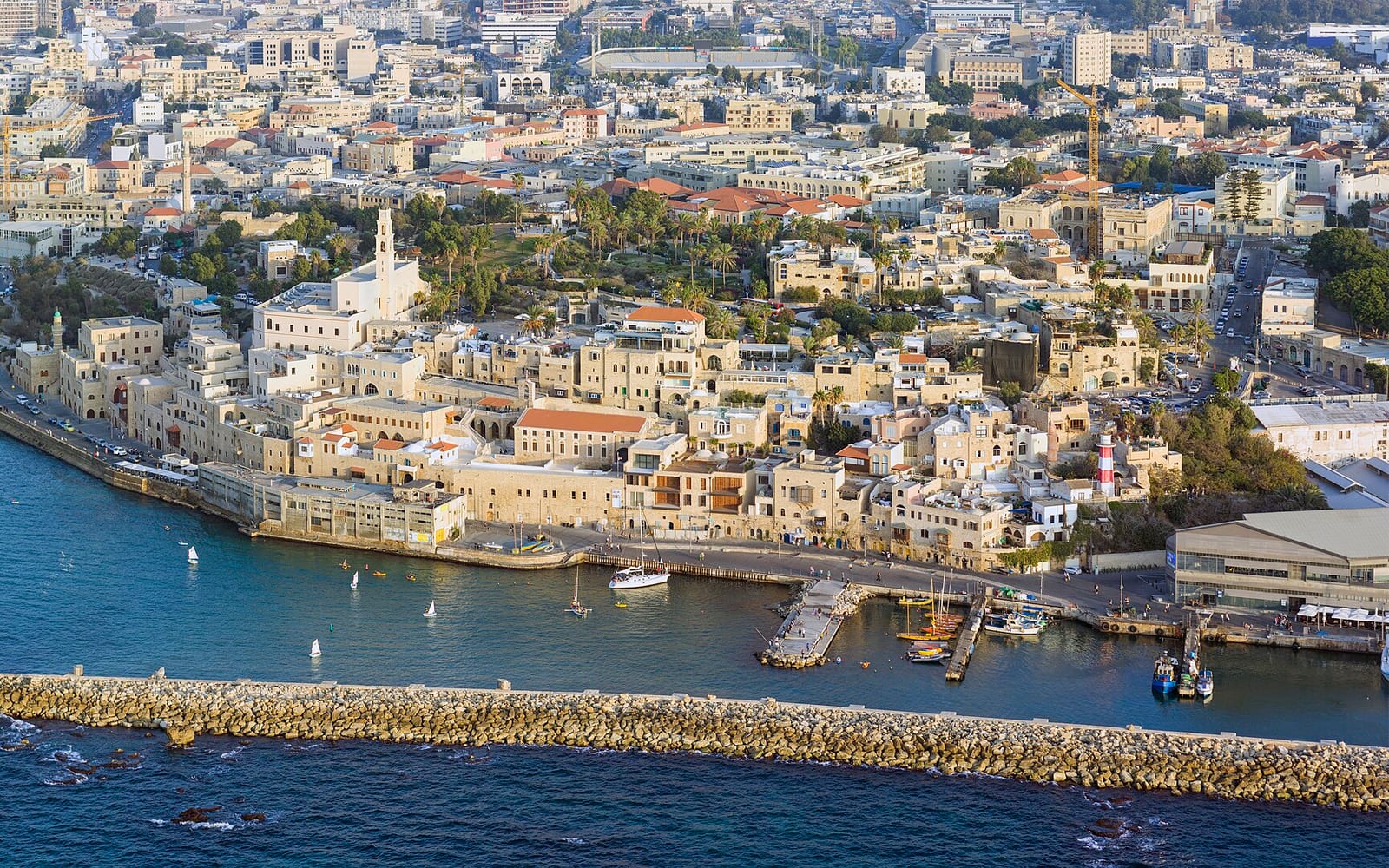
The oldest part of the city — and the one that predates Tel Aviv by roughly four thousand years — Old Jaffa is the logical starting point for any first visit. The ancient port, the pedestrian alleys of the artist colony, the Ottoman Clock Tower and the panoramic terrace above Andromeda’s Rock are all within ten minutes on foot of each other.
The port is best before 9am, when the fishing boats return and the light off the Mediterranean is exceptional. The converted stone warehouses now hold galleries, restaurants and event spaces — but the bones of one of the world’s oldest continuously used harbours are still visible.
HaPishpeshim flea market (Shuk HaPishpeshim) on Olei Zion Street opens Sunday through Friday and sells genuine antiques, mid-century Israeli furniture and a variety of hard-to-categorise objects. The surrounding lanes have become one of Tel Aviv’s best evening bar zones — the same alleys that hold the daytime antique market fill with music and outdoor seating after 21:00 on weekends.
Where to eat in Jaffa: Abu Hassan for hummus (early morning, cash only, closes when the pot is empty), Dr. Shakshuka for Libyan-Jewish home cooking, Said for the other great hummus debate, and Old Man and the Sea for seafood mezze at the port. Full detail in the Jaffa food guide.
Beaches
Tel Aviv’s Mediterranean coastline is one of the city’s best assets and one of the most accessible urban beach strips in the world: 5 km of sandy shore from Jaffa to the Tel Aviv Port, all free, all connected by the seafront promenade.
Gordon Beach is the most central and best-equipped — sun-lounger rentals, cafés, lifeguards in season, freshwater showers and easy access from the city centre by light rail or e-scooter. The beach at the Gordon Hotel end is calm and family-oriented; the northern section by the breakwater is popular with young locals.
Hilton Beach (a short walk north of Gordon) is the beach most associated with Tel Aviv’s LGBTQ+ community — a social rather than official designation, but long-established and well-known.
Metzitzim Beach further north toward the Tel Aviv Port has a younger, slightly more local character and is often less crowded than Gordon in peak season.
Alma Beach, at the southern end of the strip near Jaffa, has a more mixed and local atmosphere and is popular with families.
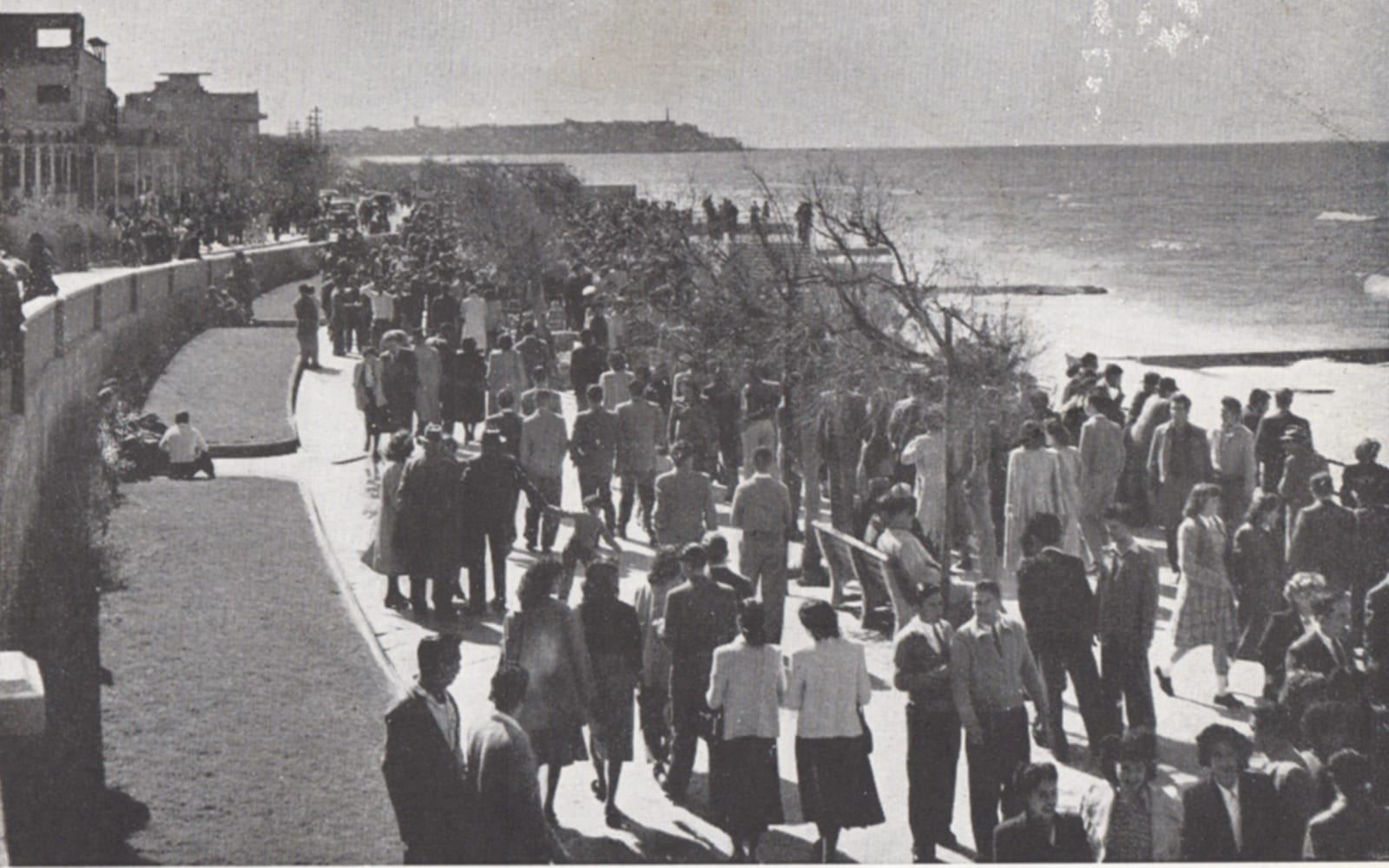
The promenade connecting all four — the tayelet — is a 5-km path without a single traffic crossing: one of the best urban walks in the country. An e-scooter (Lime or Bird, available docklessly throughout the city) makes it faster.
The White City & Bauhaus architecture
The White City — Tel Aviv’s UNESCO World Heritage Site — is a concentration of roughly 4,000 Bauhaus and International Style buildings constructed during the 1930s and 1940s by European-trained architects who brought the modernist movement to the Middle East. There is nowhere else in the world with this density of preserved International Style architecture in a working urban context.
The self-guided route most visitors use begins at the corner of Rothschild Boulevard and Allenby Street and follows Rothschild north to Dizengoff Circle. Key stops: the Engel House (Rothschild 84 — the first building in Israel with a rounded corner balcony, designed by Zeev Rechter); Beit Hadar (the Independence Hall building, where David Ben-Gurion declared statehood in 1948); Dizengoff Square with its period buildings and central fountain.
The White City Museum on Bialik Street has architectural models, photographs and original floor plans for those who want the full context; open Sunday–Friday. A guided walking tour (see the CTA above) gives the human stories behind the buildings that a map alone doesn’t provide.
Full detail on streets, buildings and the self-guided route: Tel Aviv White City guide.
Neighbourhoods
Tel Aviv’s neighbourhoods have very distinct personalities and are worth visiting as destinations in their own right rather than just as routes between attractions.
Neve Tzedek (south of central TLV, north of Jaffa) was the first Jewish neighbourhood built outside Jaffa in 1887. Its renovated Ottoman-era townhouses are now boutique galleries, independent cafés and design shops; the Suzanne Dellal Centre for dance and theatre anchors the cultural life of the neighbourhood.
Florentin (south of Neve Tzedek) is the city’s art and nightlife district — the streets are covered in murals, the bars stay open late and the restaurants run a grittier, more experimental menu than the polished places on Rothschild.
Dizengoff / Bauhaus quarter (central TLV) is the pedestrian and café heart of the city, running north from Dizengoff Circle to the Port. Dizengoff Street itself is lined with independent shops and the cafés that power the city’s famously long brunches.
Jaffa (to the south, merged with TLV) has its own section above. Full neighbourhood detail: Tel Aviv neighbourhoods guide.
Food & markets
Tel Aviv’s food scene is one of the best in the Middle East — dense, diverse and genuinely world-class in certain categories (especially hummus, shakshuka, mezze, seafood and the bakery culture that followed waves of immigration from Europe, North Africa and the Former Soviet Union).
Carmel Market (HaCarmel) is Tel Aviv’s main outdoor produce and street-food market, open Sunday through Friday (closed Saturday). The southern end runs to spices, tahini, dried fruits and nuts; the middle to fresh produce; the northern end into street food — sabich, falafel, bourekas, fresh juice and the legendary ₪8 hummus stands. On a weekday morning it is one of the best sensory experiences in the city. Full Carmel Market guide.
Levinsky Spice Market (Levinsky Street, near the bus station) is a more specialist address — a street of spice merchants, pickle sellers, Turkish coffee roasters and specialty food shops that rewards the food-curious. Less crowded than Carmel; more focused.
Sarona Market (near HaShalom station) is the upscale indoor alternative — open daily including Saturday, air-conditioned, with premium food producers, wine shops and sit-down restaurants. Useful on Shabbat when Carmel is closed.
Full eating guide: Tel Aviv food guide.
Culture & museums
Tel Aviv Museum of Art (27 Shaul Hamelech Boulevard) is one of the leading art museums in the Middle East — strong on Israeli art from the early 20th century to the present, plus international collections including Impressionism, Constructivism and contemporary work. The building itself is architecturally distinguished: a star-shaped atrium designed to bring natural light deep into the interior. Open Sunday–Thursday 10:00–18:00 (21:00 on Tuesday), Saturday 10:00–14:00, closed Friday. Tickets ~₪55 adults, ₪40 students.
Eretz Israel Museum (2 Haim Levanon St, Ramat Aviv) is a campus of pavilions covering archaeology, glass, ceramics, ethnography and the historic Tel Qasile excavation — a complete Philistine city uncovered on the museum grounds. Ideal for a deeper historical context of the region. Tickets ~₪54.
The Palmach Museum (Haim Levanon St) uses immersive, guide-led group narratives to tell the story of the pre-state Jewish underground. Advance booking required; guide-led only.
Design Museum Holon (Pinkhas Eilon St 8, Holon) — 20 minutes south of central Tel Aviv — is Israel’s only museum dedicated entirely to design. The building, by architect Ron Arad, is a landmark in its own right: five sweeping ribbons of corten weathering steel. The museum operates on a rotating-exhibitions model with no permanent collection; check the current programme at dmh.org.il before visiting. Natural pairing with the White City Bauhaus streets and the Tel Aviv Museum of Art. See the Design Museum Holon visitor guide for directions, hours and tickets.
For a full museum overview across all Tel Aviv cultural institutions, see the Tel Aviv museums guide.
Independence Hall (Rothschild 16) is where David Ben-Gurion declared the establishment of the State of Israel on 14 May 1948. The building has been closed for renovation since 2024 — no official reopening date has been announced; check current status at the Tel Aviv municipality website before visiting. The exterior on the Rothschild Boulevard promenade remains accessible. The nearby Democracy Pavilion (free interactive installation on Rothschild Blvd, open now) lets visitors explore the founding of Israel and digitally sign the Declaration of Independence.
Nightlife
Tel Aviv’s nightlife is one of its defining features and the one that sets it apart from most other cities in the region. It runs late — many bars only fill up after midnight — and it is genuinely diverse in music and atmosphere.
Florentin is the first address for bars and clubs: Rothschild 12, Radio Bar, Breakfast Club, Minzar and a cluster of small bars around Florentin and Vital streets. The scene is young, mixed, creative and informal.
The Port (Namal Tel Aviv) is the more polished version — converted warehouse spaces with better sound systems and an older, slightly more dressed-up crowd. Haoman 17 and Hangar 11 are the flagship venues here for larger events.
Rothschild Boulevard has a stretch of more grown-up bars and wine bars suitable for an earlier evening drink before dinner.
Shabbat consideration: Friday night is actually Tel Aviv’s biggest night out — the city doesn’t shut down, it switches modes. Saturday afternoon and evening are also very active. Sunday is typically quiet by Tel Aviv standards.
Full detail on venues, hours and neighbourhoods: Tel Aviv nightlife guide.
Day trips from Tel Aviv
Tel Aviv’s train and bus connections make several destinations easy as day trips.
Jerusalem (35–40 min by high-speed train from Tel Aviv Savidor to Jerusalem Navon) is the most popular day trip — long enough to warrant a separate overnight but very feasible as a day trip for the Old City, Western Wall and Mahane Yehuda. See the 1-day Jerusalem itinerary for a tested plan.
Dead Sea (~90 min by bus from Jerusalem or by tour from TLV) is typically combined with Jerusalem or Masada. The float in the hypersaline water and the Ein Gedi nature reserve are the draws.
Caesarea (45 min by train to Binyamina, then taxi) offers Roman-era ruins, a Crusader city, an amphitheatre and a working port — compact and very well-presented.
Haifa (55 min by train from TLV HaShalom) combines the Bahá’í Gardens and German Colony with a different, calmer city character. See the Haifa travel guide.
More day-trip options and logistics: day trips from Tel Aviv.
Getting around Tel Aviv
Tel Aviv Light Rail (Metro): the Red Line (open 2024) runs from Petah Tikva through the city centre to the southern suburbs and Ben Gurion Airport. The Purple and Green lines are under construction. Tickets via Rav-Kav contactless card (available at stations) or the Hop On transit app. Single ride ~₪6.
E-scooters: Lime and Bird operate across the city — scan via app and leave at any valid spot. The best option for the promenade and short cross-city hops.
Buses: extensive network operated by Dan. Useful for routes the light rail doesn’t cover.
Taxis and rideshare: Gett and Yango both operate in TLV. Licensed taxis are metered; always insist on the meter (or use the app).
Cycling: Tel Aviv has a well-used rental bike system (Tel-O-Fun) and dedicated bike lanes on major boulevards. Helmets not required by law but recommended.
Full transport detail: Tel Aviv Light Rail guide.
Planning a Tel Aviv visit
If you have only one day, the 1-day Tel Aviv itinerary covers Jaffa, the promenade, Carmel Market and the White City in a tested morning-to-evening plan.
If you’re deciding between Tel Aviv and Jerusalem for time allocation, the Tel Aviv vs Jerusalem guide lays out the comparison honestly.
For guided options across all the categories above — walking tours, cooking classes, day trips, boat trips and more — see Tel Aviv tours compared.