Birthright gave you ten days and a carefully curated version of Israel. You saw the Old City of Jerusalem at a sprint, slept near Masada before sunrise, floated in the Dead Sea, swept through Tel Aviv, and visited a Galilee kibbutz. Now you want to go back — on your own terms, at your own pace, with access to everything the program logistics couldn’t reach.
This guide is for Birthright alumni planning a second trip: what to go back for, how long to stay, where to sleep, how to get around, and how to see the parts of the country you were either rushed through or couldn’t visit at all.
What Birthright covers — and what it cannot
The program covers significant ground in ten days, but it is structured around communal logistics: buses, group hotels, and an itinerary built for cohesion rather than depth. A few things it almost never reaches:
Places rarely or never visited on Birthright:
- The West Bank — Bethlehem, Ramallah, Nablus, Jericho. These require a different kind of logistical care and cultural framing than a group program can offer; most Birthright trips skip them entirely.
- The Negev beyond Masada — the Ramon Crater (a vast erosion crater in the heart of the desert), the Arava, Timna Park and the Bedouin heartland.
- Acre (Akko) — one of the best-preserved Crusader cities in the world, with a remarkable Old City and active Arab market. Most Birthright buses pass it without stopping.
- Caesarea — the Roman amphitheatre and Crusader port on the coast.
- Safed (Tzfat) — the mystic Kabbalah city in the Upper Galilee. Even programs that reach the Galilee often miss it.
- Eilat and the Red Sea — the coral reefs of the Gulf of Aqaba are genuinely excellent and unlike anything in the Mediterranean.
Things the program moves too fast for:
- Sitting in Jerusalem’s Old City without a schedule — wandering the Armenian Quarter, eating in the Muslim Quarter, exploring the Jewish Quarter rooftops.
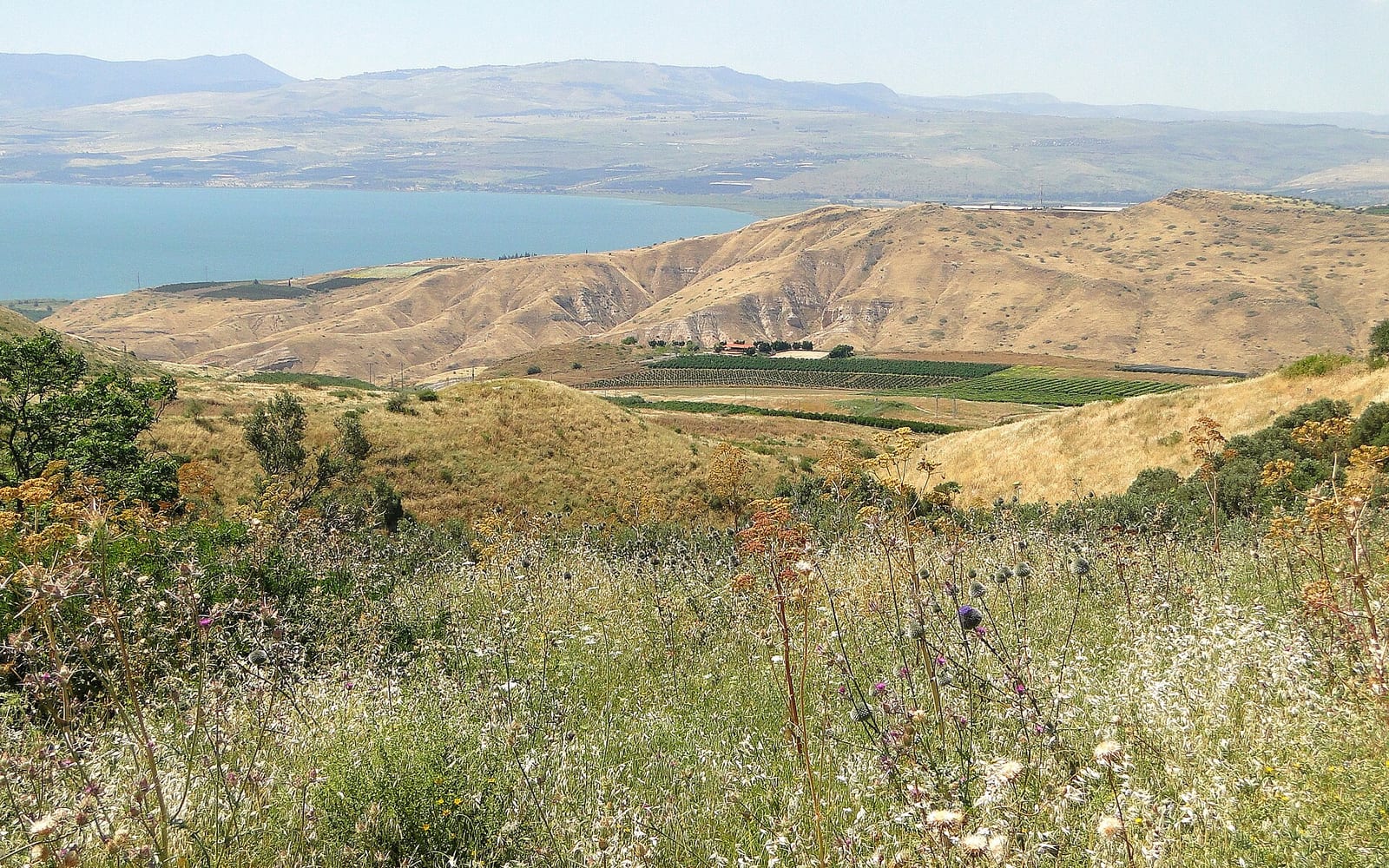
- Slowing down in the Galilee: overnight in a zimmer, hike the Jesus Trail, spend a morning at a Druze village.
- Tel Aviv as a city, not a photo stop — the White City Bauhaus architecture, Old Jaffa, Florentin and Rothschild at a walking pace.
- Shabbat on your own terms — experiencing Jerusalem on Shabbat without a group schedule is a completely different thing.
How long to return for
| Trip length | What fits | Best for |
|---|
| 3 days | One city properly (Jerusalem or Tel Aviv) | Long weekend; first taste of independent travel |
| 5 days | Jerusalem + Dead Sea day trip + Tel Aviv | First independent return |
| 7 days | Jerusalem + north circuit OR south (Negev/Eilat) | Standard second trip |
| 10 days | North + south + Jerusalem + Tel Aviv + West Bank day | Near-complete independent circuit |
| 14+ days | Everything, slowly | Extended stay or repeat visitor |
Most returning alumni find that 7–10 days hits the sweet spot — long enough to slow down and go deeper, short enough to stay focused.
Where to base yourself
Unlike on Birthright, where the program chooses your hotels, you now get to decide. See our full base city guide for a complete comparison; the short version for returning alumni:
Jerusalem — if you want to live in the Old City for a few days rather than visit it. Guesthouses inside the walls exist in the Jewish, Muslim, Christian and Armenian quarters; some are small and atmospheric in ways no Birthright hotel is. Budget: ₪300–600/night for a guesthouse; ₪700–1,400 for mid-range; ₪2,500+ for luxury (King David, Waldorf Astoria).
Tel Aviv — if you want the secular, coastal, food-obsessed city that Birthright glimpsed but could not dwell in. Ben Gurion Airport is 20 minutes away; Jerusalem is 45 minutes by train; the Dead Sea is 90 minutes by car.
The Galilee — if the north is your focus. A zimmer (rural B&B) in the Galilee hills between the Sea and Safed gives you a completely different experience than any Birthright hotel. Tiberias is the practical transit hub.
The Golan — for Druze village meals, wine tasting at the Golan Heights Winery, and landscapes that look nothing like what most people imagine when they picture Israel.
What to do differently this time
Go slower in Jerusalem
Book 3 nights in or near the Old City. Walk the ramparts. Eat lunch in the Arab market. Spend an afternoon at the Israel Museum — the Dead Sea Scrolls in the Shrine of the Book and the Second Temple model in the garden are absorbing in a way a 30-minute group visit cannot convey. Take a morning for Yad Vashem if you didn’t get there, or return with more time and fewer people around you.
Bethlehem is 30 minutes by taxi or shared bus from Damascus Gate. The crossing is simpler than most alumni expect. The Church of the Nativity and Manger Square are accessible to independent visitors; a guided half-day from Jerusalem adds context that makes the visit considerably richer.
Self-drive the north
The Galilee and Golan Heights are best explored with a rental car. A self-drive lets you overnight in different places, stop when something catches your eye, and reach corners — Druze villages on the Carmel ridge, the Hula Valley wetlands, Nimrod Fortress in the Golan mist — that Birthright buses schedule but never linger at.
A 3-night north circuit from Tel Aviv might look like: Tel Aviv → Caesarea (lunch stop at the Roman theatre) → Haifa (Bahá’í Gardens, German Colony dinner) → Akko (morning walk through the Crusader tunnels) → Galilee zimmer for 2 nights (hike, Sea of Galilee, winery visit) → return.
Go south into the Negev
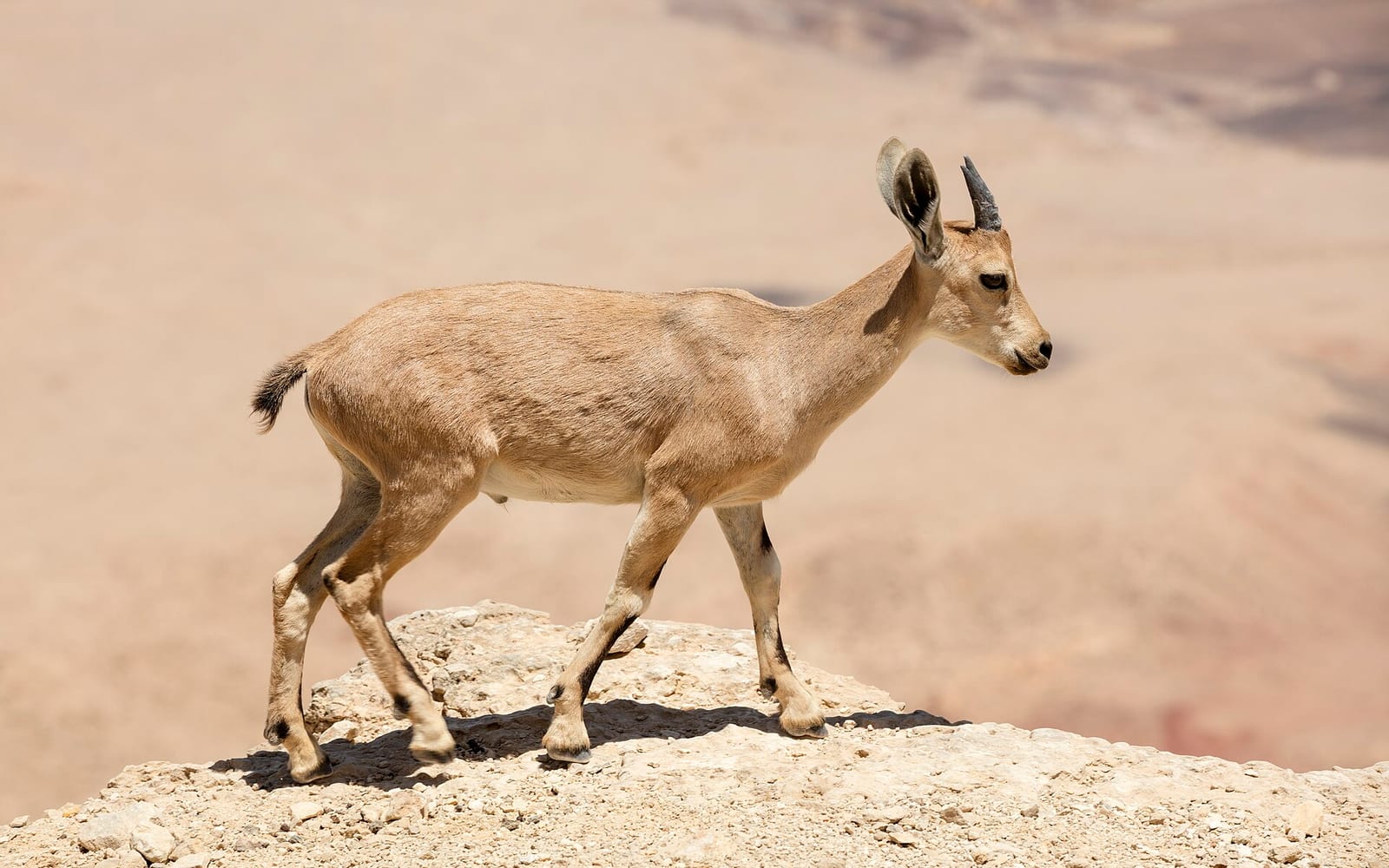
Birthright does Masada. Few programs reach the Ramon Crater — an enormous erosion crater ringed by multi-coloured sandstone cliffs, with a small town (Mitzpe Ramon) perched on its rim. It is 2 hours from Tel Aviv, 2.5 hours from Jerusalem. Add a night and you get desert silence, Negev Bedouin hospitality, and star-gazing with minimal light pollution.
Eilat at the southern tip is 4–5 hours by road or 50 minutes by domestic flight (Arkia, Israir). The coral reef snorkelling in the Gulf of Aqaba is excellent and unlike anything in the Mediterranean.
Spend real time in Tel Aviv
Spend a morning in the White City — the UNESCO Bauhaus neighbourhood is best explored on foot or with a short tour. Have a long lunch in Old Jaffa. Explore Florentin in the evening. This is the cosmopolitan, secular, 24-hour version of the city that does not show itself during a Birthright afternoon.
Tours worth booking this time
Guided tours for your return do not need to be full-day affairs. Some of the best are half-day deep dives into things Birthright logistics couldn’t reach:
- Bethlehem day tour from Jerusalem — the checkpoint crossing, church, and souq in 4–5 hours with a guide who knows the rhythms
- Masada at sunrise from Tel Aviv — the cable car beats the crowd; the tour handles logistics and the Dead Sea float afterward
- Druze village and Golan half-day — a format Birthright approximates but never dwells in; small-group tours from Tiberias cover the terrain properly
- Old Jaffa food walk — the market, hummus institutions and harbour fish stalls in 3 hours
Practical notes for returning alumni
Cost: Budget ₪400–600/day for a comfortable independent trip (hostel or mid-range hotel, local food, buses, day trips); ₪700–1,000/day with boutique accommodation; a rental car adds roughly ₪200–350/day plus fuel. See our Israel cost guide for a full breakdown.
Getting around: Israel’s intercity buses and trains cover the main cities reliably. The train from Ben Gurion to Tel Aviv takes 20 minutes; Tel Aviv to Jerusalem is 45 minutes. For the Galilee and Negev, a rental car is the practical choice — public transport exists but is infrequent outside the cities.
Shabbat: From Friday afternoon to Saturday night, public transport stops across most of Israel. Sheruts (shared taxis) run on some routes; Arab cities operate normally; Tel Aviv bars and many restaurants stay open. See our Shabbat guide for the full picture.
Visa and entry: Most Western passport holders enter visa-free for 90 days. If you want to stay longer, you can apply for an extension at the Population and Immigration Authority — see the visa extension guide for the full process. See the current visa guide for entry requirements.
Connectivity: An Israeli eSIM (Airalo, Holafly) or a local SIM (Hot Mobile, Partner) runs ₪30–60 for 10–20 GB. You will need data for navigation, especially in the north and south. See our Israel eSIM guide for options.
First visit context: If the trip is for someone who has never been to Israel (going with a returning alumni), our first-time guide covers the orientation they will need.