Two weeks is the length that lets you do Israel justice — not just the Old City and the Dead Sea, but the Galilee’s hilltop villages, the Golan’s basalt plateaus, the Negev’s silent erosion craters, and the Red Sea. This route covers all of it: Tel Aviv and Jaffa, the northern coast (Caesarea, Haifa, Akko), the Sea of Galilee, the Golan Heights, Jerusalem in depth, a day in Bethlehem, Masada and the Dead Sea, an overnight in the Negev at Mitzpe Ramon, Eilat on the Red Sea, and a full day in Petra. Shorter on time? See the 5-day, 7-day and 10-day itineraries.
The route is designed to be driven north-to-south: pick up a rental car in Tel Aviv for the northern loop (days 3–6), return it before Jerusalem, then pick up a one-day car for the Negev leg. Everything else — Tel Aviv, Jerusalem, Eilat — runs on trains, taxis and guided tours.
Watch Shabbat — Friday afternoon to Saturday evening slows or stops trains and most non-tourist transport. The plan below slots a driving day or a beach day over every Shabbat window so the rhythm barely changes.
Before You Go: The Practical Frame
Airport and intercity rail. The high-speed train links Ben Gurion to Tel Aviv (~20 min, ₪18 / $5) and Jerusalem (~30 min, ₪18), roughly every 30 minutes Sunday–Thursday, pausing for Shabbat. Top up a Rav-Kav card (₪5) at any station, or use the Moovit app to tap on.
Car for the north. Rent at Tel Aviv for days 3–6 (₪200–320 / $55–90 a day; book ahead via DiscoverCars or a rental search). The Galilee and Golan sights are spread over a wide area where public bus service is sparse. Return the car in Jerusalem, where parking is a headache and the light rail covers the centre.
Negev car. Pick up a one-day rental in Jerusalem or Be’er Sheva for the Mitzpe Ramon leg (day 11). Return it in Eilat or at a major agency hub.
Flying to Eilat. A domestic flight from Tel Aviv to Eilat–Ramon (~1 hour, $50–110) is significantly faster than the 4–5 hour drive. If you drive the Negev leg to Eilat, the flight is unnecessary; otherwise, book early.
Where to stay (by base). Tel Aviv (2 nights), the Galilee/Tiberias (1 night), Jerusalem (4 nights), Mitzpe Ramon (1 night), Eilat (2 nights). Mid-range hotels run ₪450–800 / $130–220 a night; the Galilee has excellent kibbutz guesthouses and zimmer B&Bs at the lower end.
Days 1–2 — Tel Aviv & Jaffa
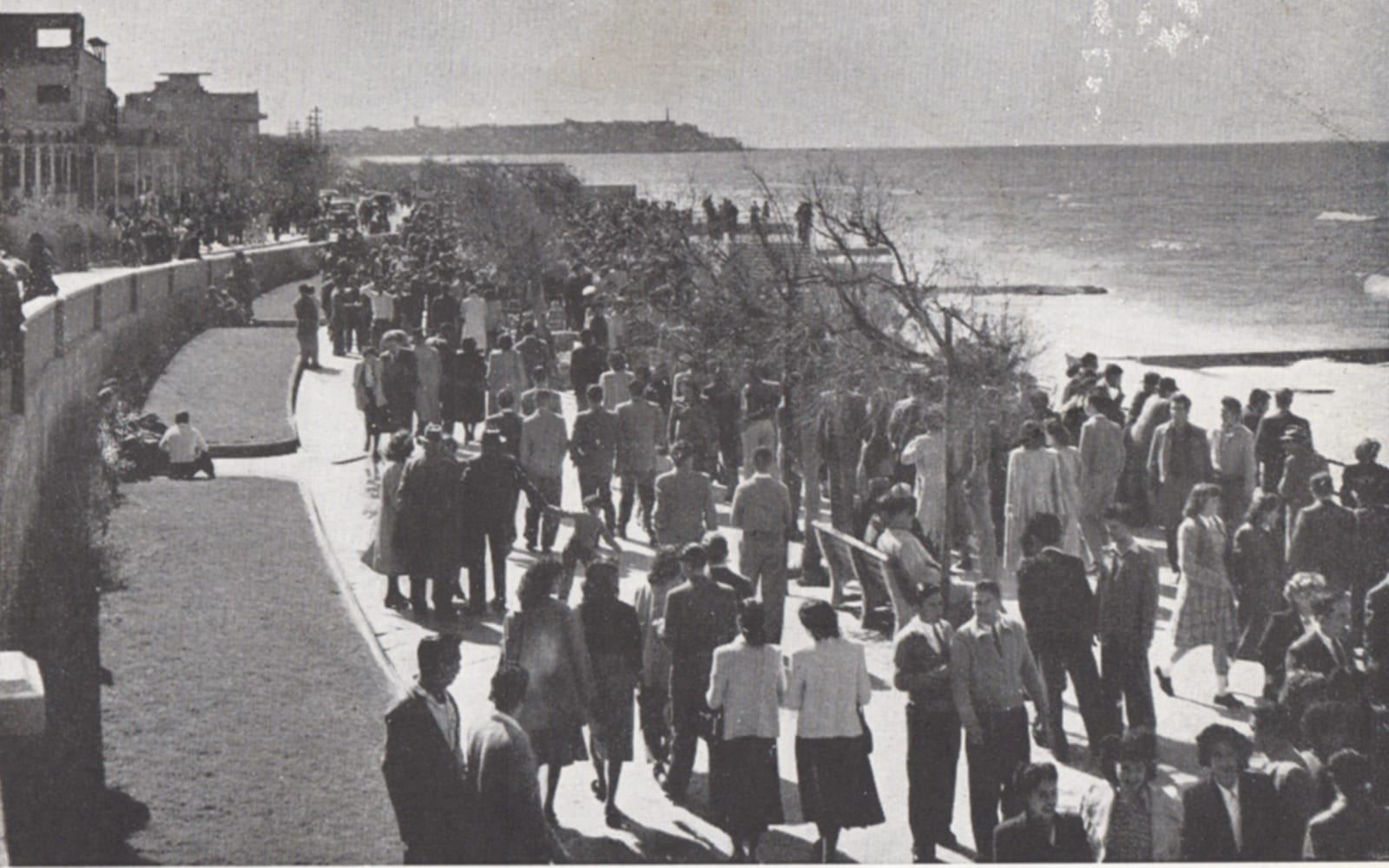
Day 1 — Arrive. Train from Ben Gurion to Tel Aviv (~20 min, ₪18). Ease in along the Tayelet beach promenade from Gordon Beach south to Old Jaffa — the flea market, harbour lanes and hilltop panorama. First Mediterranean swim is free. Dinner in Neve Tzedek or Florentin (₪70–130). Stay: Tel Aviv (1/2).
Day 2 — Tel Aviv in depth. Morning White City Bauhaus walk along Rothschild Boulevard and Dizengoff Square (self-guided free, or a Bauhaus Center tour at 10am on Fri/Sun). Mid-morning at the Carmel Market: dried fruits, fresh falafel, burekas and za’atar. Afternoon: the Tel Aviv Museum of Art (₪50 / $14, closed Sundays) or a longer beach stretch. Evening: Florentin bars and street food or a rooftop cocktail at sunset. Stay: Tel Aviv (2/2). Spend over two days: ~$130–240 plus hotels.
Day 3 — The Northern Coast: Caesarea, Haifa & Akko
Morning. Collect the rental car and drive north (~1 hour) to Roman Caesarea national park (₪41 / $12) — the harbour, amphitheatre seating 10,000, the aqueduct beach and the Crusader walls.
Afternoon. Continue to Haifa for the terraced Bahá’í Gardens (free; guided tour 9am daily, book ahead at bahai.org; upper-terrace times limited, modest dress required) and the German Colony below. Then the Crusader old city of Akko: the Hospitaller halls and Templar tunnel (combined ticket ~₪49 / $14), the sea walls, and the Al-Jazzar Mosque.
Evening. Overnight in Haifa or push on toward the Galilee. Stay: Haifa or the Galilee (1/1). Spend: ~$70–130 plus car and hotel.
Day 4 — The Galilee
All day. Base at the Sea of Galilee. The Christian-pilgrimage cluster sits on the north shore: Capernaum (₪10), the Mount of Beatitudes (free; gardens and chapel; dress conservatively) and the baptismal site at Yardenit (free to view; robe rental extra for immersion). Lunch on St Peter’s fish in lakeside Tiberias. In the afternoon, drive up through the Galilee hills to Safed (Tzfat) — Israel’s highest city and 16th-century centre of Jewish mysticism. Walk the artists’ quarter and visit the Ha’Ari and Abuhav synagogues (dress modestly; do not enter during prayer). Return to your overnight in the Galilee or Tiberias.
Stay: Tiberias or Sea of Galilee (1/1). Spend: ~$50–90 plus car and hotel.
Day 5 — Golan Heights
Morning. Drive up into the Golan Heights: the thundering Banias waterfall (₪29 / $8 — Israel’s tallest, 10m; wooden walkway through basalt canyon), the medieval Nimrod Fortress (₪22 / $6; Crusader–Mamluk castle on a 800m ridge) and the Mount Bental volcano crater with its panoramic view over Syria (free; on-site café).
Afternoon. Choose a Golan Heights winery tasting (Pelter, Assaf and Odem Mountain all have tasting rooms; call ahead), or extend the hike at Banias. Head south toward Nazareth in late afternoon.
Stay: Nazareth area or push direct to Jerusalem. Spend: ~$60–120 plus car.
Day 6 — Nazareth & Transfer to Jerusalem
Morning. Nazareth: the Basilica of the Annunciation (free; modest dress required; interior mosaics from 50+ countries), the adjacent Church of St Joseph and the outdoor market of the Old City Arab quarter. Allow 2–3 hours.
Afternoon. Return the rental car (drop-off in Tel Aviv or at a Jerusalem branch) and transfer to Jerusalem — by train from Tel Aviv (~30 min, ₪18) or a direct pre-booked sherut transfer from Nazareth (~1.5h).
Evening. First walk into the Old City through Jaffa Gate at dusk: the lit Western Wall plaza at night is one of Israel’s most striking first impressions. Stay: Jerusalem (1/4). Spend: ~$40–80 plus final car day.
Days 7–8 — Jerusalem in Depth
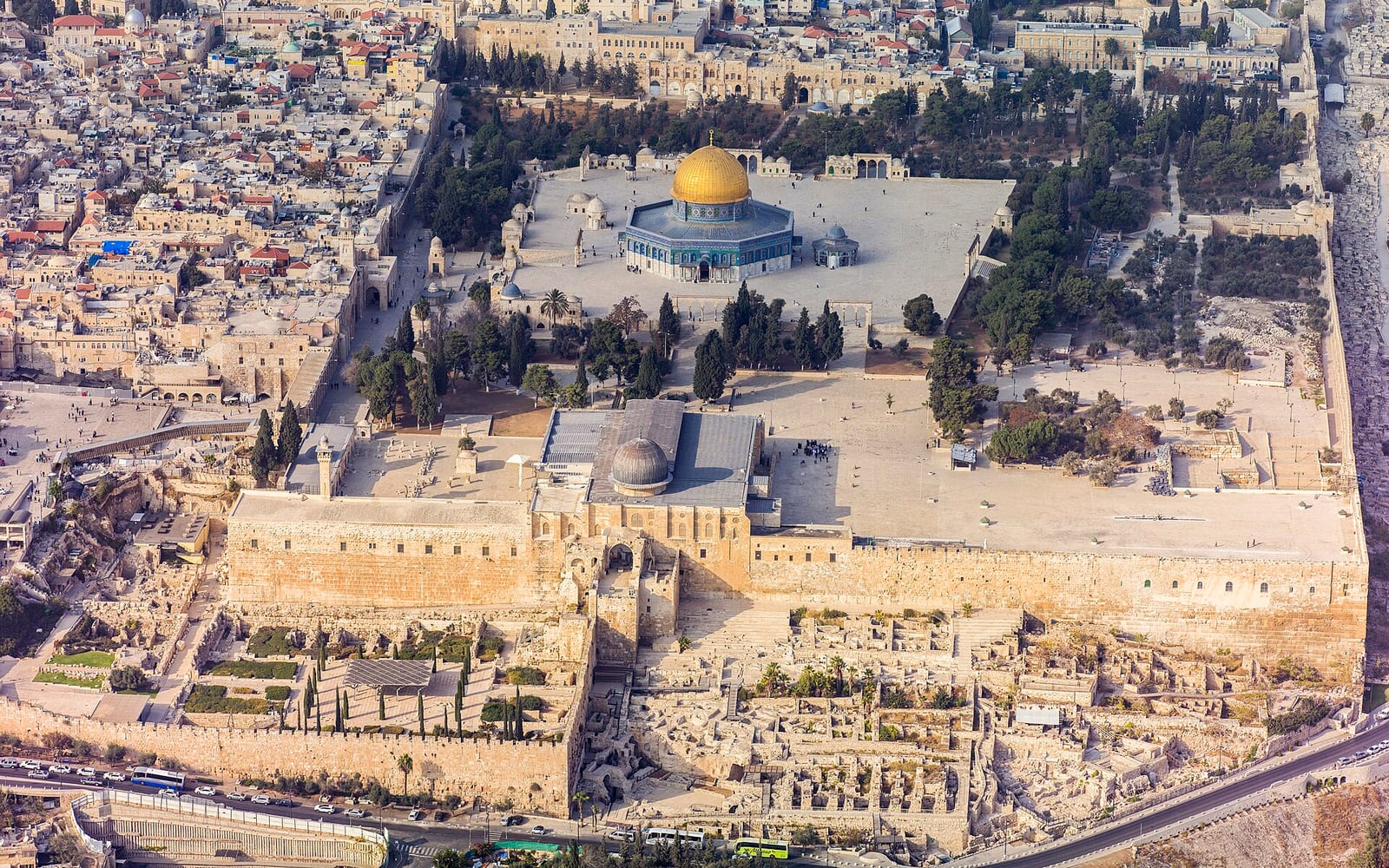
Day 7 — The Old City. Begin at dawn at the Western Wall (24h, free; arrive early for quiet). Continue to the Church of the Holy Sepulchre (from 04:00, free), the Temple Mount / Haram al-Sharif platform (non-Muslim access Sun–Thu during restricted morning and early-afternoon windows — check current hours with the Western Wall Heritage Foundation; free; modest dress). Walk the Via Dolorosa and the Armenian and Jewish Quarters. A guided Western Wall Tunnels tour (₪40–69 / $12–20, book at the heritage foundation website) reveals 2,000 years of Herodian stonework beneath the city. Evening at the Mahane Yehuda market bar alleys (₪90–160 dinner with drinks). Stay: Jerusalem (2/4). Spend: ~$80–140.
Day 8 — Yad Vashem, Israel Museum & the New City. Begin early at Yad Vashem (free, advance booking mandatory — do this before you travel; closed Saturdays; allow three to four hours; under-10s not admitted). The New History Museum and the Children’s Memorial are extraordinary — leave time to sit quietly after. Afternoon: the Israel Museum (₪64 / $18) for the Dead Sea Scrolls in the Shrine of the Book and the 1:50 model of Second Temple Jerusalem. Evening: coffee and dinner in the German Colony’s Emek Refaim Street or in the Mamilla Mall pedestrian area. Stay: Jerusalem (3/4). Spend: ~$90–160.
Day 9 — City of David & Bethlehem
This day combines two of the most distinctive Jerusalem-area experiences: an underground Bronze Age water tunnel and a day trip into the West Bank. Both are completely accessible from the Old City.
Morning. The City of David archaeological park (Sha’ar HaArayot St, just outside Dung Gate; ₪34–55 / $10–15 depending on route). Hezekiah’s Tunnel — a 2,700-year-old water tunnel hand-chiselled through solid bedrock by King Hezekiah to secure Jerusalem’s water supply during Assyrian siege. The underground walk takes 30–45 minutes, ankle- to knee-deep in flowing spring water (water shoes available for rent or bring old trainers). The dry Canaanite Tunnel is the alternative if you want to stay dry. Above ground: excavated layers of ancient Jerusalem going back 3,800 years, including the Stepped Stone Structure and Pool of Siloam.
Afternoon. Bethlehem. Take a sherut or prearranged private car from Damascus Gate (30 min; checkpoint 300 for tourist passports is typically 2–5 minutes). The Church of the Nativity (UNESCO World Heritage; free entry; dress code — shoulders and knees covered; long queues at the Grotto of the Nativity — arrive before 9am or after 4pm). Manger Square; the Shepherds’ Field (Franciscan chapel 2km east by taxi); Banksy artworks on the Separation Wall (a short taxi ride from Manger Square — the “Flower Thrower” and “Dove of Peace” are unmissable). Lunch at Afteem or Abu Elie on Manger Square — Palestinian mezze and lamb. Return by sherut in the afternoon. Check border-crossings guide for current checkpoint notes and carry your passport. Stay: Jerusalem (4/4). Spend: ~$60–100.
Day 10 — Masada & the Dead Sea
The classic desert day, easiest as a guided tour from Jerusalem because dawn at Masada by public transport is impractical.
Pre-dawn pickup (~03:30–04:00). Sunrise climb of Masada via the Snake Path (~1 hour each way) or the cable car from 08:00 (park ₪31 / $9; cable car ₪48 / $14 each way). The plateau at sunrise — the Herodian palaces, Roman siege ramp and the desert horizon blazing pink — is unmissable.
Late morning. Waterfall hike at the Ein Gedi oasis (₪29 / $8, David’s Waterfall trail).
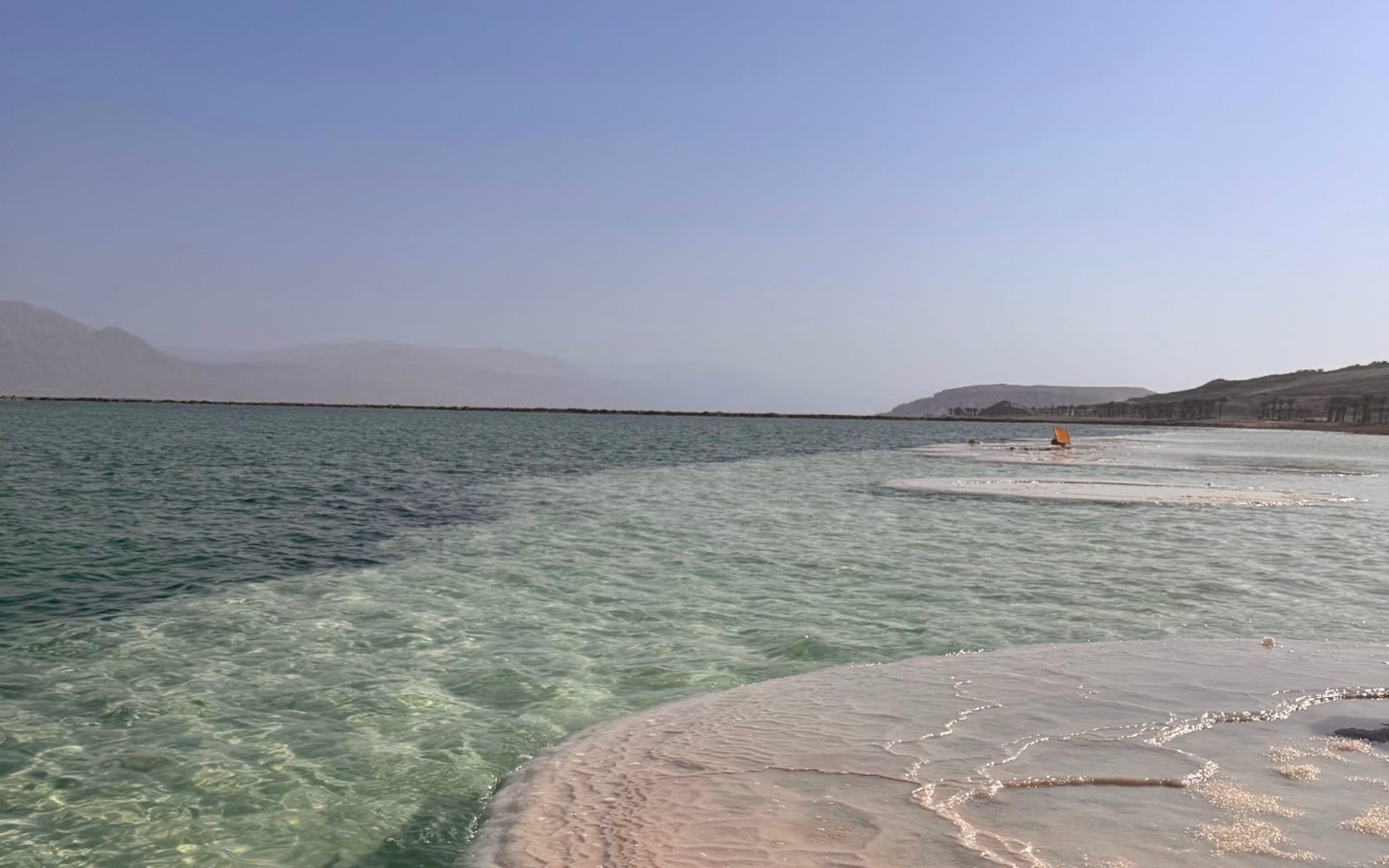
Midday. Float in the Dead Sea at a public beach — Kalia or Ein Bokek (Kalia beach entry ~₪75 includes showers; bring water shoes for the salt crystal shoreline, an old swimsuit the salt will bleach, and SPF 50). Slather on the black mineral mud, wait 15 minutes, rinse. 15–20 minutes in the water is enough; don’t get it in your eyes. Guided Masada–Dead Sea day trips from Jerusalem run $95–120 per person, back by mid-afternoon. Stay: Jerusalem or transfer south. Spend: ~$120–160.
Day 11 — The Negev: Beer Sheva to Mitzpe Ramon
This is the day most itineraries skip — and the one that generates the most powerful memories.
Morning. Rent a car in Jerusalem or take the bus to Be’er Sheva (direct train from Jerusalem ~1h). A quick stop at the ancient Tel Beer Sheva UNESCO site (₪18 / $5; fortified Israelite city from the 10th century BCE) and the ancient Abraham’s Well courtyard.
Mid-morning. Drive south on Route 40, the Negev’s main artery (~1h20 from Be’er Sheva). Stop at Kibbutz Sde Boker (Ben-Gurion’s desert home and grave; free; the Negev Institute is adjacent) and the Ein Avdat canyon (₪28 / $8; short chalk-cliff canyon walk to a spring-fed pool; waterfall in winter/spring; upper trail requires moderate fitness).
Afternoon. Continue to Mitzpe Ramon and the Makhtesh Ramon — the world’s largest erosion crater, 40km long, 10km wide and 500m deep (not a meteor impact; a geological makhtesh unique to the Negev; do NOT use “impact crater” language). Start at the Ilan Ramon Space Center and Visitor Center (₪32 / $9; excellent geology exhibits) for context, then walk the crater rim trail for the scale. Sunset from the rim is extraordinary.
Evening. Stargazing: Makhtesh Ramon is an IDA-certified International Dark Sky Park, the only one in the Middle East. On a clear new-moon night the Milky Way is visible to the naked eye. Book a guided telescope session with Landroom Observatory or Astronomy Israel (₪80–140; advance booking required). Stay: Mitzpe Ramon (1/1; Selina Ramon eco-camp or town B&B). Spend: ~$80–130 plus car.
Days 12–13 — Eilat & Petra
Day 12 — Eilat. Drive the last 165km from Mitzpe Ramon to Eilat on the Red Sea (~2h via Route 40 south — or fly from Tel Aviv if you returned the car after day 10). Check in, then: the Coral Beach Nature Reserve (₪35 / $10; snorkel the protected reef — no scuba required; the healthiest coral in Israel), the Underwater Observatory Park (₪124 / $35; 35+ aquariums, 800+ species), or a late-afternoon boat snorkel trip. Eilat’s North Beach promenade is free — swim, parasail or paddleboard. Dinner at the marina or North Beach strip. Stay: Eilat (1/2). Spend: ~$90–150 plus hotel.
Day 13 — Petra, Jordan. Depart Eilat early for the Yitzhak Rabin / Wadi Araba border crossing (north of Eilat; opens 6:30am for tourists; bring passport). A full-day organised tour handles the border crossing in both directions, the Jordanian visa fee, the 2-hour drive each way to Petra and a knowledgeable guide through the Siq. You will arrive at the Treasury (Al-Khazneh) by 10am and have five to six hours in the site — enough to reach the High Place of Sacrifice and the Byzantine Church, and to attempt the Monastery (Ad Deir) if you have the energy (800 steps). The Petra entry ticket alone is JOD 50 / ~$70 for one day; full guided tours typically run $200–250 all-in. Read the border crossings guide before going and carry your passport and sufficient cash (Jordanian dinars or USD). Stay: Eilat (2/2). Spend: ~$200–260.
Day 14 — Departure
Morning. Last Red Sea swim or a leisurely breakfast. Eilat–Ramon Airport (30-min taxi) has domestic flights back to Tel Aviv (~1h) or you can bus north to Ben Gurion (~4.5h via Egged 444). Allow three hours before international departures at Ben Gurion for security.
What This 14-Day Trip Costs
Per person, excluding international airfare:
| Item | Budget | Mid-range |
|---|---|---|
| Accommodation (13 nights) | $390–600 | $1,690–2,860 |
| Food (14 days) | $250–385 | $490–770 |
| Northern car rental (4 days) | $220–360 | $270–440 |
| Negev–Eilat car (1–2 days) | $55–90 | $90–180 |
| Domestic flight to Eilat (if used) | $50–90 | $80–140 |
| Local transport, trains, taxis | $60–100 | $90–150 |
| City of David + Bethlehem day | $50–80 | $70–110 |
| Masada & Dead Sea tour | $95–120 | $95–120 |
| Petra day trip (guided) | $200–240 | $220–280 |
| Other tours, entries, guides | $80–140 | $200–380 |
| Total | ~$1,450–2,205 | ~$3,295–5,430 |
See the full Israel cost & budget guide for per-city breakdowns and saving tactics.
Make It Your Own
Want the Negev deeper? Replace one Eilat day with a second Mitzpe Ramon day: hike the Nahal Nekarot riverbed in the crater, book a 4×4 jeep tour of the crater floor, or visit the Nabataean Incense Route city of Avdat (₪34 / $10, INPA pass valid) on the drive south.
Muslim or Arabic cultural focus? Add a day in Nazareth’s Old City market and Al-Aqsa context at the Old City; extend the Akko day to include the Muslim quarter’s hummus restaurants and the Hassan Bek Mosque.
Winter travel. Jerusalem can see snow in January and February, Safed frequently does; the Negev winter nights are cold but the days are perfect for hiking; Eilat has 300+ days of sunshine and is the best warm-weather escape November–March. See the best time to visit for the seasonal breakdown.
Tight budget. Cut the Petra day (saves $200–250 per person) and spend day 13 in Eilat’s free Coral Beach and North Beach instead. Consider overnighting in the Galilee at a kibbutz guesthouse (₪280–400 / $75–110 for a double, breakfast included) rather than a hotel. The cost guide has more tactics.
Frequently Asked Questions
The FAQ entries above answer the most common questions about a two-week Israel trip — whether 14 days is enough, the best order to travel, how much it costs, whether Petra fits in, and what time of year to come. The schema-driven FAQ block below surfaces these directly in Google results so travellers find them before they book.