Only have five days? This itinerary captures the essence of Israel — its sacred heart, its desert drama and its Mediterranean cool — without feeling rushed. It assumes you fly into and out of Ben Gurion Airport (TLV), sleep three nights in Jerusalem and two in Tel Aviv, and move by train plus one guided day trip. No rental car needed. Got longer? See the 7-day and 10-day versions, or focus the whole trip on the capital with 3 days in Jerusalem. Just here for the city? The 2 days in Tel Aviv itinerary covers the beach, Jaffa and the neighbourhoods as a standalone trip.
The pacing below assumes a Sunday-to-Thursday run, which keeps you clear of Shabbat closures (Friday afternoon to Saturday evening). If your five days span a Friday–Saturday, do the Dead Sea day on Saturday — the desert sites run normally and shared sherut taxis cover the transport gap — and eat in the Christian Quarter or East Jerusalem where restaurants stay open.
Before You Go: The Practical Frame
How to get from the airport. The Yitzhak Navon high-speed train runs from Ben Gurion straight to Jerusalem in about 30 minutes for ₪18 (about $5), roughly every 30 minutes Sunday–Thursday and Friday morning; it stops for Shabbat. Tap in with a Rav-Kav card (₪5 to buy, top up at any station machine) or pay contactless with the Hopon/Moovit app. A sherut shared taxi or private cab runs ₪250–320 ($70–90) and is the only option during Shabbat.
Where to stay. Three nights in Jerusalem around Mamilla or the city centre puts you walking distance from both the Old City and the nightlife; two nights in Tel Aviv near the beach or Rothschild/Florentin for the food and bars. Expect ₪450–800 ($130–220) a night for a solid mid-range hotel in either city, or ₪110–160 ($30–45) for a hostel dorm. Book ahead — rates spike hard around Passover, the High Holidays, Christmas and Easter.
Money, dress and insurance. ATMs are everywhere and cards are accepted almost universally; carry ₪150–200 cash for market stalls and sherut taxis. Cover shoulders and knees at every religious site (men get a paper kippah at the Western Wall; women want a scarf for churches and the plaza). Carry travel insurance for any Israel trip — hospital costs are reasonable but not trivial.
Day 1 — Arrive & Jerusalem’s Old City
Morning / midday. Land, clear the airport, and take the train into Jerusalem (30 min, ₪18). Drop bags near Mamilla and grab a falafel or sabich lunch (₪25–35) before you start walking.
Afternoon. Walk into the Old City through Jaffa Gate. Make for the Western Wall plaza first — open 24 hours, free, the afternoon light on the Herodian stones is excellent. Then thread five minutes north to the Church of the Holy Sepulchre (open from 04:00; free) and do a first loop of the four quarters. Allow three to four hours and don’t try to “finish” the Old City today — you’re orienting.
Evening. Dinner at the Mahane Yehuda market, ten minutes from the centre on foot or one light-rail stop (₪6). From Thursday night the daytime stalls flip into the city’s best bar street; a sit-down dinner at Machneyuda or a graze through the alleys runs ₪90–160 ($25–45).
Stay: Jerusalem (night 1 of 3). Day spend, mid-range: ~$50–80 plus your hotel.
Day 2 — Jerusalem in Depth
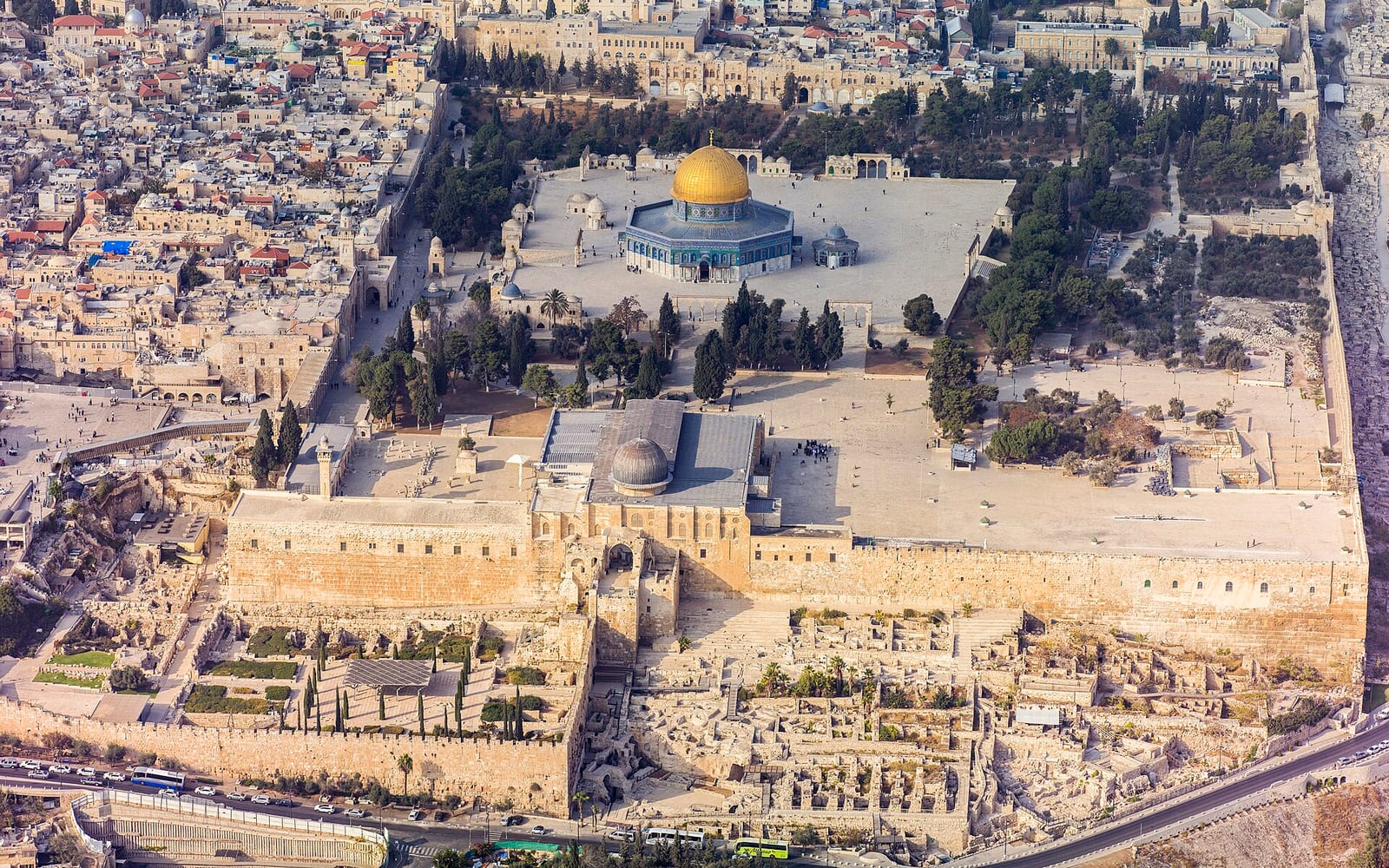
Morning. Start early. If your dates align, the Temple Mount / Haram al-Sharif non-Muslim entry windows are typically Sunday–Thursday, 07:30–10:30 and 12:30–13:30; entry to the platform is free but the Dome of the Rock and Al-Aqsa interiors are for Muslim worshippers only. Enter via the Mughrabi Bridge from the Western Wall plaza, expect a security line, and leave bags light. Then trace the Via Dolorosa from the Lion’s Gate through the Stations of the Cross back toward the Holy Sepulchre.
Afternoon. Choose one anchor: Yad Vashem, Israel’s Holocaust memorial (free, closed Saturdays, allow three hours, under-10s not admitted to the main museum), or the Israel Museum for the Dead Sea Scrolls and the Second Temple model (around ₪64 / $18, allow two hours). Yad Vashem is the more affecting; the Israel Museum is better in heat or rain.
A guided Old City walk pays for itself today — the Status-Quo politics, the Roman Cardo and the rooftop viewpoints are hard to read solo. Half-day group walks run about $40–55; book the day before.
Evening. A second, slower evening in Mahane Yehuda, or head to Emek Refaim in the leafy German Colony (Caffit, Tmol Shilshom) — a 12-minute light-rail ride.
Stay: Jerusalem (night 2 of 3). Day spend, mid-range: ~$70–110.
Day 3 — Masada & the Dead Sea
The classic Jerusalem day trip, and the single best use of a guided tour on this itinerary because public transport to Masada at dawn is impractical.
Pre-dawn / morning. Pickup around 03:30–04:00 for the sunrise climb of Masada — the Snake Path takes about an hour each way, or the cable car runs from 08:00 (park entry ₪31 / $9; cable car adds ₪48 / $14 each way). Sunrise over the Moab mountains from Herod’s fortress is the photograph of the trip.
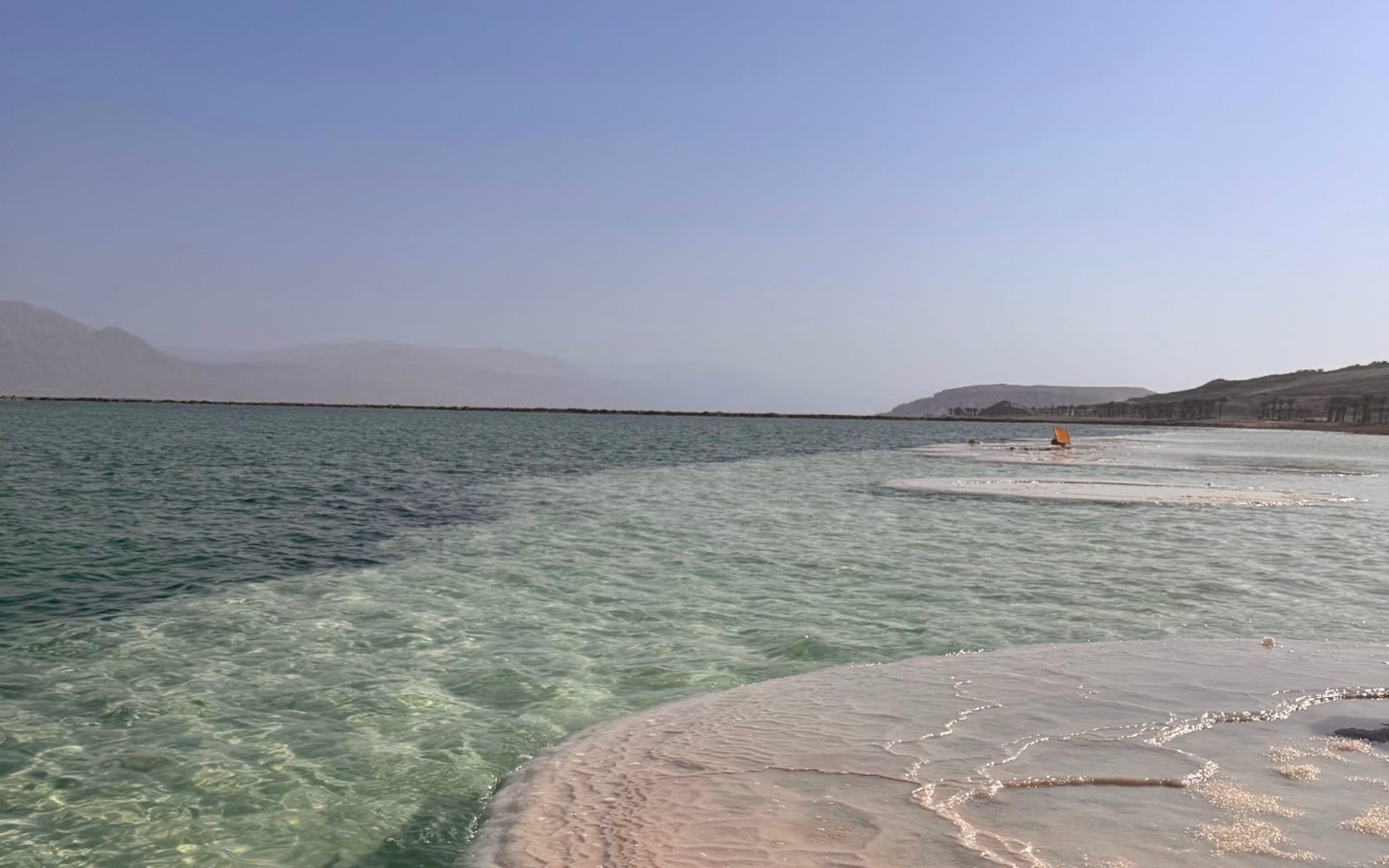
Late morning. Descend to the Ein Gedi nature reserve (₪29 / $8) for a short waterfall hike through the oasis, then a float in the Dead Sea — the lowest point on Earth at 430m below sea level. Smear on the mineral mud, float (don’t swim — keep the water out of your eyes), and rinse thoroughly at the free showers. Bring sandals; the shoreline pebbles and salt crystals are sharp.
Booking & cost. Guided Masada–Ein Gedi–Dead Sea day trips from Jerusalem run about $95–120 including transport and a guide (park fees sometimes extra); they return you to the city by mid-to-late afternoon. Book through the affiliate tour cards below or a Dead Sea day-tour search.
Evening. Back in Jerusalem, an easy dinner near your hotel — you’ll be tired and salty.
Stay: Jerusalem (night 3 of 3). Day spend, mid-range: ~$110–140 (tour-driven).
Day 4 — Transfer to Tel Aviv & Old Jaffa
Morning. Check out and take the train from Jerusalem–Yitzhak Navon to Tel Aviv (about 35–45 minutes, ₪18–25). Drop bags at your beach-area or Florentin hotel.
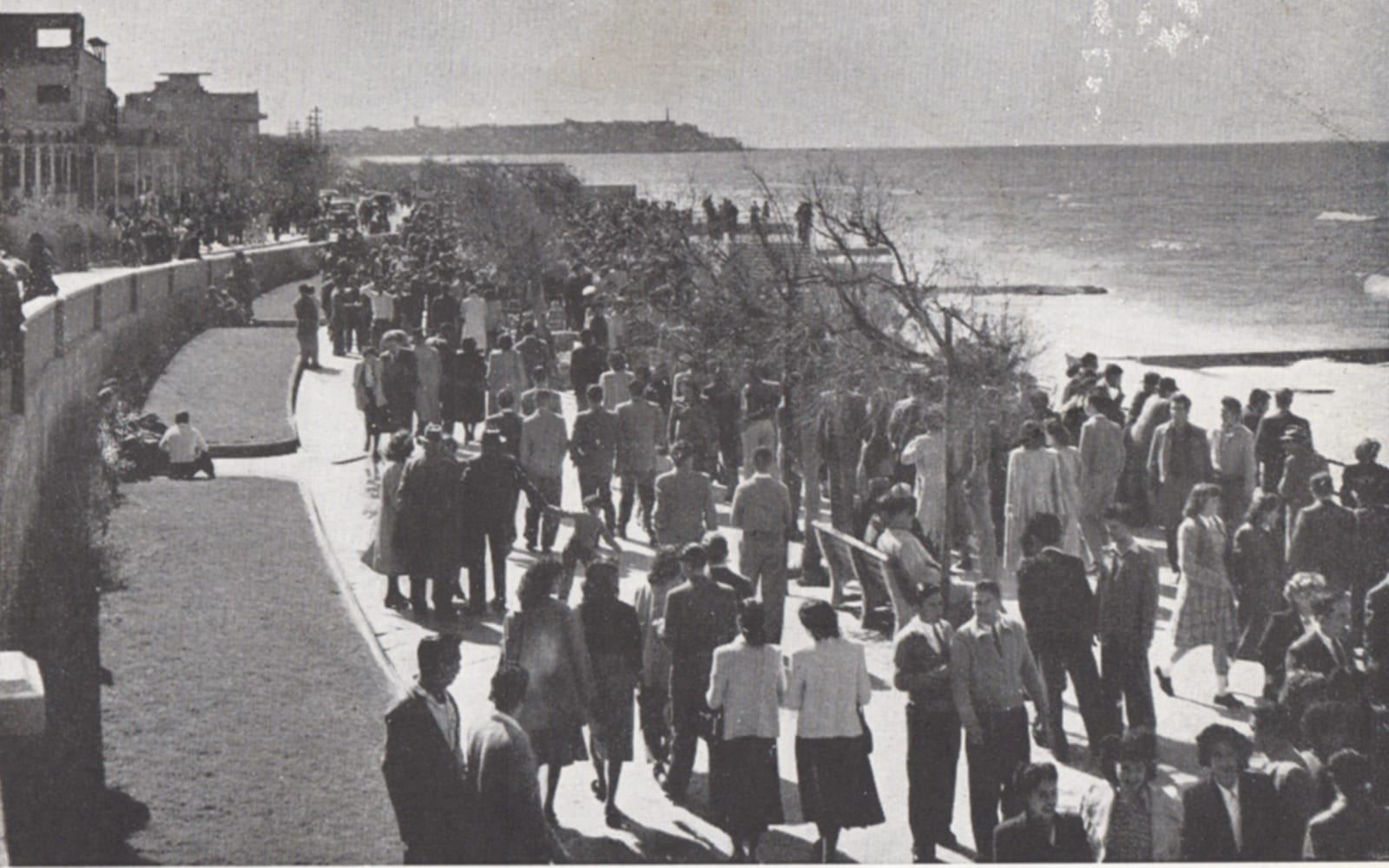
Afternoon. Walk ancient Old Jaffa — the flea market, the restored stone lanes, the harbour, and the Old Jaffa lookout for the skyline panorama. Stroll back north along the Tayelet beach promenade (Tel Aviv beachfront); rent a Tel-O-Fun share bike (₪17/day access) if you’d rather ride. A first dip in the Mediterranean is free and excellent.
Evening. Dinner in Neve Tzedek (pretty, pricier) or buzzing Florentin (street art, cheap eats, late bars). A casual dinner runs ₪70–130 ($20–37); cocktails ₪48–60.
Stay: Tel Aviv (night 1 of 2). Day spend, mid-range: ~$60–100.
Day 5 — Tel Aviv & Departure
Morning. A morning of Bauhaus White City architecture — the UNESCO-listed cluster around Rothschild Boulevard, best self-guided with a free map or a Bauhaus Center walk — and the Carmel Market for a final graze. Or skip both and just take the beach.
Midday. Train from Tel Aviv (HaShalom or Savidor Center) back to Ben Gurion — only 20–25 minutes, ₪18. Allow a generous buffer: Israeli airport security wants you there three hours before an international departure.
Stay: Departure. Day spend, mid-range: ~$30–50 plus airfare.
What This 5-Day Trip Costs
A realistic per-person estimate, excluding international airfare:
| Item | Budget | Mid-range |
|---|---|---|
| Accommodation (4 nights) | $120–180 | $520–880 |
| Food (5 days) | $90–140 | $175–275 |
| Local transport (incl. airport) | $25–40 | $40–70 |
| Masada & Dead Sea tour | $95–120 | $95–120 |
| Jerusalem walking tour + entries | $25–45 | $60–110 |
| Total | ~$355–525 | ~$890–1,455 |
See the full Israel cost & budget guide for per-city deltas and savings tactics.
Make It Your Own
Swap the Day 3 desert trip for Bethlehem (Church of the Nativity, 8km south, guided tours handle the crossing) or Roman Caesarea on the coast. Want the north? Stretch to the 7-day itinerary and add the Galilee. Price your trip with the cost guide, check when to visit, and read the first-time-in-Israel guide before you fly.
Frequently Asked Questions
The FAQ entries above answer the most common questions about a five-day Israel trip — whether it’s enough time, which city to start in, how to get around, and the daily budget. The schema-driven FAQ block at the bottom of this page surfaces these to search engines so travellers find them directly from a Google result.