Israel occupies an unusual place in the digital nomad world: exceptional infrastructure (among the world’s fastest fixed internet, robust 5G, a mature coworking market), a globally connected city in Tel Aviv that runs on startup culture and English, and a country that offers one of the most historically and culturally rich backdrops for a working stint — but with no official digital nomad visa framework and a cost of living that makes it one of the more expensive bases on the planet. This guide covers the practical reality for nomads who want to work from Israel, honestly.
The visa reality — no digital nomad visa, just the tourist permit
Israel does not offer a dedicated digital nomad visa or remote-worker permit as of 2026. Citizens of most Western countries (US, UK, EU, Australia, Canada and many others) enter on a tourist/visitor permit — typically stamped for 90 days on arrival, though shorter periods are sometimes granted at the officer’s discretion.
Working remotely for a foreign employer while in Israel on a tourist permit sits in a legal grey area. If your salary comes from a company with no Israeli entity and you are not competing in the local labour market, the practice is common and rarely questioned — but Israel has no formal legal mechanism that explicitly permits it. The only permitted-work route for most nationalities is obtaining an Israeli work visa, which requires an Israeli employer, or a specific volunteer or study visa for those categories.
Practical implications for nomads:
- Do not work for Israeli companies or accept Israeli income on a tourist permit.
- The 90-day period resets when you leave and re-enter, but repeated border crossings raise questions; border officers can and occasionally do deny entry if they believe you are circumventing immigration rules.
- If you plan a stay longer than 90 days or need legal clarity, consult a licensed Israeli immigration lawyer. The Population and Immigration Authority (PIBA) is the official body for visa and permit questions.
- For the latest visa and entry requirements — including the ETA-IL electronic travel authorisation required for some nationalities before boarding — see our separate visa guide.
Tel Aviv’s coworking ecosystem
Tel Aviv has one of the densest coworking markets in the Middle East, anchored by the city’s status as a major startup hub (the Startup Nation narrative is well-documented, though the sector has contracted from its 2021 peak). Spaces range from global chains to independent operators, with strong clustering in the Rothschild Boulevard corridor and the Sarona Complex.
Major operators
WeWork has multiple Tel Aviv locations including on Sarona Tower, Azrieli and Rothschild Boulevard. As a global brand, membership cards from other countries sometimes grant access. Pricing: hot desk from approximately ₪1,500–2,200/month; dedicated desks from ₪2,500+. Verify current pricing directly with WeWork as rates change.
Mindspace (Israeli-founded coworking brand) operates several spaces in Tel Aviv, Herzliya and Ramat Gan and is considered one of the better-designed networks in the city. Known for a social atmosphere and strong fibre connections. Monthly pricing broadly comparable to WeWork.
Impact Hub Tel Aviv offers a mission-driven coworking environment that attracts social entrepreneurs, NGO workers and sustainability-focused nomads. Often slightly more affordable than the commercial chains; sliding-scale membership available for some categories. Located near the Carmel market.
SOSA (previously operates as both a coworking space and a startup hub) focuses on tech and innovation; best fit for nomads in the tech sector who want ecosystem access alongside desk space.
Day passes and café coworking
If you are testing Tel Aviv for a week before committing to a membership, day passes at major chains run approximately ₪100–220/day. Alternatively, Tel Aviv’s café culture is genuinely laptop-friendly: most independent cafés on Rothschild, in Florentin and in the Sarona area have fast Wi-Fi, plenty of power outlets, and no time limits beyond the expectation of spending ₪25–50 on coffee and food over a working morning.
Practical coworking notes
- Most spaces require ID (passport) and a local or international payment method to sign up.
- 24/7 access is standard at the major commercial chains; community spaces may have staffed hours only.
- Air conditioning is essential and universal — summers in Tel Aviv are hot (30–35°C), and all good coworking spaces are heavily air-conditioned.
- Shabbat (Friday sunset to Saturday night) is observed differently across spaces: commercial chains typically remain physically accessible with key-card access; some community spaces close. Confirm hours before relying on Saturday access.
Internet speeds and connectivity
Israel’s digital infrastructure is a genuine nomad strength. Fixed broadband (primarily fibre-to-the-home networks run by Bezeq and HOT) delivers median download speeds of 200–500 Mbps in major cities, with symmetric fibre more common than in many Western European markets. 5G coverage extends across central and northern Tel Aviv, Haifa, Jerusalem and the major corridors connecting them.
Mobile data is fast, affordable and reliable. The main carriers — Cellcom, Partner (Orange), HOT Mobile and Golan Telecom — compete aggressively. A local SIM with 50 GB of LTE/5G data typically costs ₪30–60/month. The fastest, lowest-friction option for short to medium stays is an Israel eSIM via Airalo: activate before you land, no SIM queue on arrival, no passport registration at a carrier shop. For longer stays where a physical SIM is worth the setup, Golan Telecom is known for competitive unlimited data plans.
Power sockets: Israel uses the unique Type H socket (three round pins in a V-shape, found only in Israel and the Palestinian Territories). If you are arriving with a laptop or phone charger from the US, UK or EU, you will need an adapter or a universal travel adapter. See the Israel power plug guide for a by-country breakdown of what to buy.
Cost of living breakdown for nomads
Tel Aviv is consistently ranked among the five most expensive cities in the world by cost-of-living indices (Mercer, EIU, Numbeo). That reality matters for nomad budgeting.
| Category | Monthly estimate (₪) |
|---|
| Studio apartment (central Tel Aviv) | ₪7,000–12,000 |
| Private room in shared flat (Florentin/Allenby) | ₪3,500–6,000 |
| Coworking hot desk (monthly) | ₪1,200–2,000 |
| Groceries (supermarket cooking at home) | ₪1,500–2,500 |
| Restaurant / café meals (3–5 per week) | ₪1,000–2,000 |
| Transport (Rav-Kav unlimited or bike/scooter) | ₪200–400 |
| Phone/data | ₪30–80 |
| Realistic monthly total | ₪13,000–22,000 |
All figures are ranges — not exact prices — and reflect 2026 market conditions. Apartment prices in particular fluctuate; use Yad2.co.il (Israel’s main rental listings site) to check live rates before committing.
Where to save:
- Market eating: Carmel Market (central Tel Aviv) and the Levinsky Spice Market (Florentin) offer cheap, excellent food — a full hummus or falafel lunch runs ₪25–45.
- Shared flats: Florentin, Allenby and the Kerem HaTeimanim quarter are 20–35% cheaper to rent in than the Rothschild or Neve Tzedek premium zones.
- Rav-Kav: Israel’s multi-modal transit card covers metro bus, light rail and intercity trains. See the transportation guide for loading options.
- Weekly markets: Supermarket chains (Shufersal, Rami Levy) are cheaper than convenience stores; the Hatikva market in south Tel Aviv has the lowest grocery prices in the city.
For a detailed breakdown of costs across Israel, including accommodation, food and tours, see the Israel cost and budget guide.
Best neighbourhoods for nomads in Tel Aviv
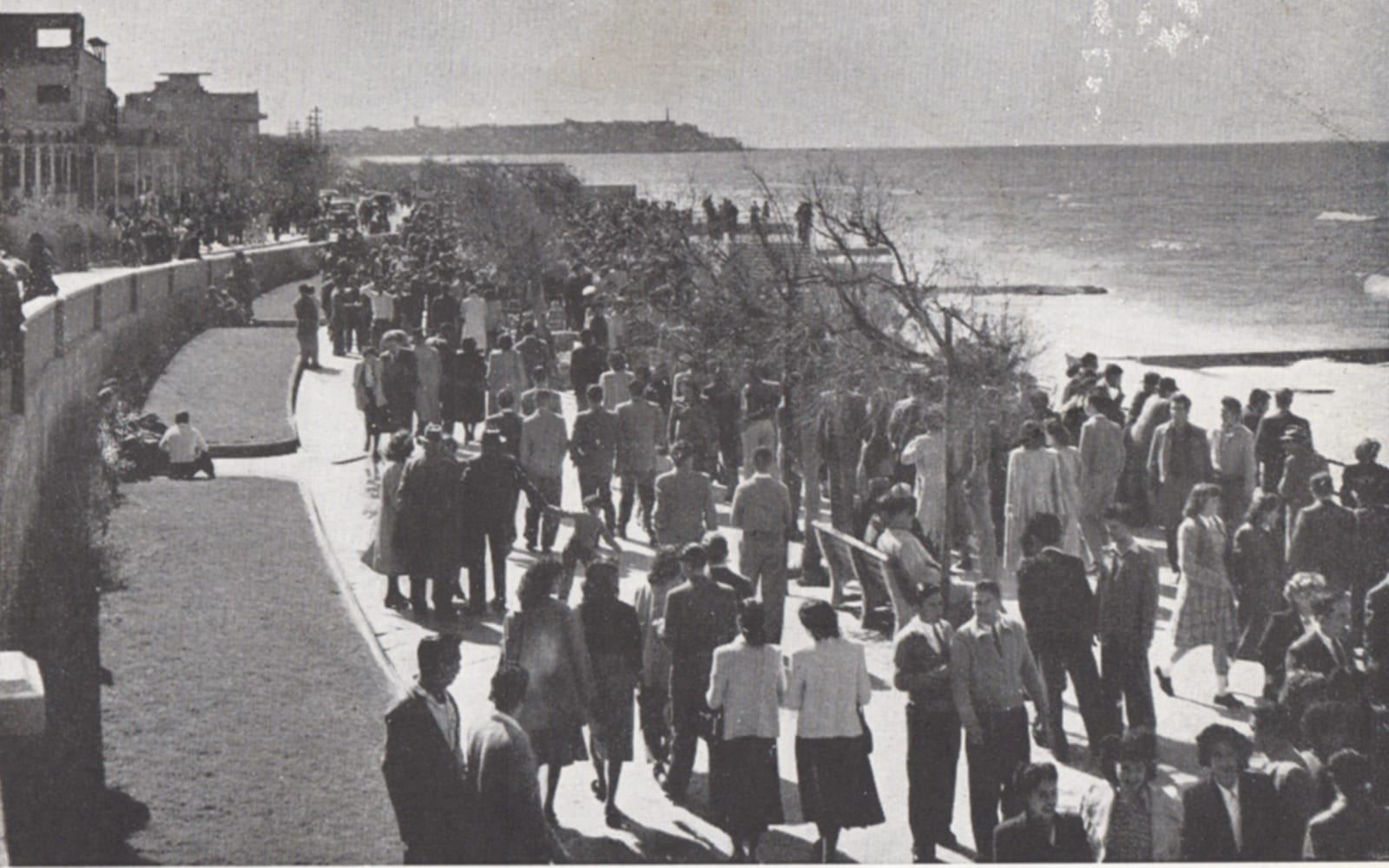
Rothschild Boulevard / Neve Tzedek — the default nomad headquarters. Lined with Bauhaus buildings, dense with coffee shops and within walking distance of the main coworking cluster. Rents are the highest in central Tel Aviv; compensated by walkability and the quality of the public spaces.
Florentin — the cheaper, grittier alternative immediately south. A neighbourhood that has attracted artists, freelancers and younger internationals for a decade. More independent cafés and less corporate energy than Rothschild; 15 minutes by bike from the main coworking spaces. The realistic choice for nomads on tighter monthly budgets.
Sarona Complex — a converted German Templar colony that now hosts upmarket restaurants, office buildings and two large coworking operators. An excellent location if you need meeting rooms or enterprise-grade facilities, though less atmospheric for day-to-day living.
Ramat Gan — technically a separate city adjacent to Tel Aviv, connected by bus and light rail. Several enterprise-grade coworking and serviced-office buildings; lower rents than Tel Aviv proper. The right choice for nomads who need a fixed office rather than the social café ecosystem.
For a neighbourhood-by-neighbourhood breakdown of where to stay in Tel Aviv, see the Tel Aviv neighbourhoods guide.
Beyond Tel Aviv: other cities for remote work
Haifa is the most credible alternative to Tel Aviv for remote workers. Israel’s third city has a smaller but functional coworking scene (Haifa TechPark, University-adjacent shared spaces), excellent fast internet, and a cost of living 20–30% lower than Tel Aviv. The city has a more mixed Arab-Jewish character, more relaxed pace, and direct rail connections to Tel Aviv (one hour). Less social infrastructure for nomads currently, but worth considering for longer stays.
Jerusalem offers a profound cultural context and reasonable coworking access (a WeWork branch and several independent spaces) but is harder to settle into for remote work than Tel Aviv: more complex urban geography, heavier religious observance on Shabbat, and higher accommodation costs in the premium Old City areas. Best as a short working stint (1–2 weeks) rather than a long base.
Eilat — Israel’s southern Red Sea resort — is a VAT-free zone (17% VAT does not apply to most goods purchased there), which reduces the cost of electronics and luxury goods. Internet infrastructure is solid. It is effectively a resort economy and offers limited professional networking, but for nomads who want beach and diving access alongside reliable work connectivity, it is a functional option for a month.
Banking and money
Israel is essentially cashless in the urban economy — credit and debit cards are accepted nearly everywhere in Tel Aviv and the major cities. Visa, Mastercard and American Express all work. ATMs are available at Ben Gurion Airport, banks and SuperPharm pharmacies throughout the country.
Foreign card fees: most international cards charge 2–4% on foreign transactions. A Wise or Revolut card (where available in your country) eliminates or minimises these fees and is widely recommended among nomads for everyday spending in Israel.
VAT: Israel’s VAT is 17% and is included in advertised prices. Tourists purchasing goods at participating retailers can reclaim a portion at Ben Gurion Airport on departure (minimum ₪400/receipt). For nomads buying electronics or expensive gear, the refund is worthwhile.
Tipping: service staff expect a 10–15% tip at restaurants; delivery orders add 10–15% automatically on some platforms; taxis round up or add 10% at discretion. See the Israel tipping and currency guide for more detail.
Getting around as a nomad
Within Tel Aviv: the Tel Aviv Light Rail Red Line (opened 2023, extended 2025) runs from the north of the city through the centre and connects to the Ben Gurion Airport express train. The Rav-Kav card covers this plus all bus routes. Cycling is excellent: Tel Aviv has a dense network of bike lanes, and the Tel-O-Fun bike-share scheme (₪17/day, ₪60/week) is one of the most used in the city. Electric scooters (Lime, Bird, local operators) are everywhere but use with helmet caution.
Between cities: Israel’s train network connects Tel Aviv, Haifa, Beer Sheva and Ben Gurion Airport cheaply and reliably. The journey Tel Aviv → Haifa takes about 1 hour; Tel Aviv → Jerusalem about 30 minutes. For remote areas (Galilee, Ramon Crater, the Golan), a rental car is the practical choice — see the car rental guide.
See the full transportation guide for Rav-Kav setup, train timetables, intercity sherut taxis and driving logistics.
Useful resources for nomads in Israel
- Nomad List / Teleport: Tel Aviv has appeared in multiple ranking rounds with high marks for internet speed and nightlife offset against high cost.
- Israel tech community: Meetup.com lists active tech, startup and English-language professional events in Tel Aviv most weeks. The Israel Tech community (Facebook group) is a useful entry point.
- Emergency numbers: police 100, ambulance (Magen David Adom) 101, fire 102. The Magen David Adom app registers your location for emergency dispatch.
- Safety updates: subscribe to your embassy’s traveller registration programme (STEP for US citizens, LOCATE for Canadians) so you receive direct alerts during any security escalations.
For safety context, including how the broader regional situation has affected travel in 2024–2026, see Is Israel safe to visit?. For arriving logistics including airport transfers, see the Ben Gurion Airport guide.