On 18 June 2026, Prime Minister Benjamin Netanyahu and US Ambassador Mike Huckabee jointly inaugurated Derech HaTanach — the Biblical Highway — at a ceremony near Jerusalem. The initiative designates Route 60, the ancient ridge road running the length of the Judean and Samarian highlands, as a national faith-tourism corridor. New interpretive signage, visitor centres and welcome infrastructure have been added at the sites associated with the patriarchal and early-Israelite narratives that run through the Hebrew Bible from Genesis to Samuel.
For evangelical Christian and Jewish heritage travelers, the biblical terrain of this highland road has always been a pilgrimage. The official Derech HaTanach designation makes it easier to plan, easier to navigate, and easier to visit the key sites in sequence.
What is Route 60?
Route 60 (Kvish Shishim) is one of Israel’s oldest north–south arteries, following the watershed ridge of the central highlands — the same geographic spine that the patriarchal narratives describe the family of Abraham traversing between Be’er Sheva in the Negev and the highlands of Samaria. The road passes through or near Beer Sheva, the Judean hills, Jerusalem and Bethlehem, and continues north through the Samarian plateau to Shiloh, Beit El and beyond.
Large sections of the route are within Israel proper; the northern sections — Beit El, Shiloh and the Samarian plateau — are in the West Bank, administered by Israel under Area C of the Oslo Accords. The sites themselves are regularly visited by thousands of international pilgrims each year on licensed guided tours. Always read the is-israel-safe guide and consult your home government’s current travel advisory before planning any West Bank visits.
Key sites on the Biblical Highway
Tel Be’er Sheva — Abraham’s ancestral city
Location: 5 km east of modern Beer Sheva, south of Route 60. Access: Easy — inside Israel, well-signposted, INPA national park.
Tel Be’er Sheva (תל באר שבע, Tell es-Seba) is the UNESCO World Heritage archaeological site associated in the Hebrew Bible with Abraham, Isaac and Jacob. The narrative places three wells here — the well where Abraham made a covenant with the Philistine king Abimelech (Genesis 21), and where Isaac re-dug his father’s wells (Genesis 26). The ancient city flourished during the Iron Age (10th–7th centuries BCE) and the remains of a large administrative city — a gate complex, storehouses, a water system and a sacred horned altar (the only complete ancient Israelite altar found in situ) — are visible from the walkways.
Practical: INPA national parks pass valid. Entry fee approximately ₪28 adult if paying at gate; check parks.org.il for current rates and hours (closed Shabbat and some Jewish holidays). A 40-minute self-guided walk covers the main features. Combine with a tour of modern Beer Sheva (Ben Gurion University, Old City market) as a half-day Negev stop.
Bethlehem — Church of the Nativity
Location: 10 km south of Jerusalem, West Bank Area A. Access: Guided tour or licensed taxi strongly recommended; hire-car contracts typically prohibit driving into Area A.
Bethlehem (Beit Lechem) sits just off Route 60 and holds two major biblical associations: the birthplace of David (1 Samuel 17) and, in Christian tradition, the birthplace of Jesus. The Church of the Nativity is jointly administered by Greek Orthodox, Armenian Apostolic and Roman Catholic communities under the Status Quo, and is one of the oldest continuously operating churches in the world.
This guide does not repeat the full Bethlehem visitor coverage — see our dedicated Bethlehem travel guide for Church of the Nativity logistics, Shepherds’ Field, the Milk Grotto, Manger Square restaurants and practical checkpoint guidance.
Jerusalem — the Old City
Location: Central to the route. Access: By car, Light Rail, bus or taxi from anywhere in Israel.
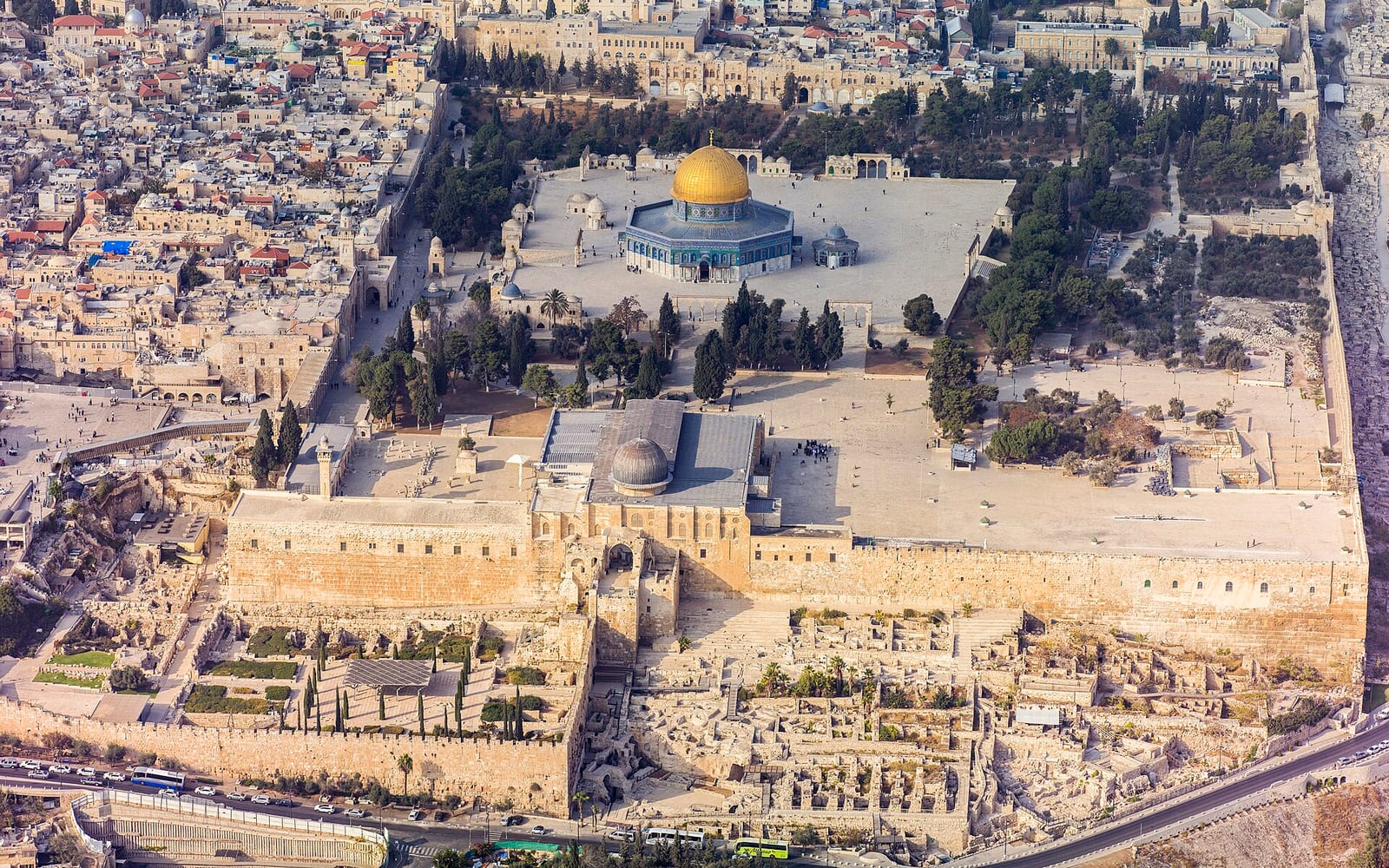
Jerusalem anchors the Biblical Highway — it is the most accessible point on the entire route and the natural base for a multi-day circuit. For faith travelers, the Old City’s Western Wall, the Via Dolorosa, the Church of the Holy Sepulchre and the Temple Mount compound represent the convergence of Jewish, Christian and Islamic sacred geography in a single square kilometre.
The Jerusalem Pilgrimage Road — the ancient stepped street uncovered between the Pool of Siloam and the Temple Mount — and the City of David archaeological site give Route 60 visitors the chance to walk a street that was in use during the Iron Age and Second Temple periods described across both Old and New Testaments.
See our Christian pilgrimage guide for a full Jerusalem faith itinerary, and our Jewish heritage guide for the broader context of sacred Jewish geography.
Beit El — where tradition holds Jacob dreamed
Location: Approximately 18 km north of Jerusalem’s Old City (via Route 60 north). West Bank Area C.
Beit El (Hebrew: בֵּית-אֵל, “House of God”) is the site where, in the narrative of Genesis 28, Jacob stopped for the night on his way north, slept on a stone, and dreamed of a ladder reaching heaven with angels ascending and descending. On waking, Jacob anointed the stone with oil and named the place Bethel — “Surely the Lord is in this place, and I did not know it.” The place is also associated in the narrative with the location where the Ark of the Covenant rested briefly during the period of the Judges.
The modern settlement of Beit El (Binyamin Regional Council, West Bank Area C) is adjacent to the archaeological area. Access for international visitors is on guided tours from Jerusalem — the site lacks formal tourist infrastructure comparable to Tel Shiloh. Licensed operators running the Derech HaTanach circuit will include a stop at Beit El’s outlook and archaeological area. Check GetYourGuide or tour operators specialising in biblical heartland itineraries for current tour availability.
Tel Shiloh — where the Tabernacle stood
Location: Approximately 40 km north of Jerusalem, near Shilo settlement, West Bank Area C.
Shiloh is the most comprehensively developed faith-tourism site on the northern Route 60 circuit. The Tabernacle reconstruction at the Shiloh Heritage Site (operated by Sde Hemed Tours under the auspices of the Ministry of Tourism’s Biblical Heartland initiative) provides a full-scale model of the portable desert Tabernacle as described in Exodus — the golden-roofed tent sanctuary with its bronze altar, courtyard and Holy of Holies — giving visitors a spatial understanding of the ritual described across much of the Torah.
The archaeological site (Tel Shiloh) preserves remains from the Middle Bronze Age through the Iron Age I–II, spanning the period when the Hebrew Bible places the Tabernacle at Shiloh (roughly 1250–870 BCE in biblical chronology). The massive collar-rim storage jars — the type associated throughout the Bible with the priestly tithe system — have been found in large quantities here.
The visitor centre at Shiloh includes:
- A guided walk through the Tabernacle reconstruction
- Archaeological displays from the excavation at Tel Shiloh
- A multimedia presentation (available in English) on the biblical and archaeological narrative
- The excavation overlook at Tel Shiloh with panoramic views over the Samarian hills
Practical: Entry is via guided tour or by joining a Shiloh Heritage Site organised visit. Call ahead or book online at tel-shiloh.co.il. The site is open Sunday–Thursday and Friday mornings; closed Shabbat and Jewish holidays. The closest large city is Ramallah (Area A, not recommended for tourist access); most visitors come directly from Jerusalem on a tour or hire car. A hire car puts the Shiloh entrance 40–50 minutes from Jerusalem’s Old City via Route 60 north — but read the Route 60 security section below before driving this section independently.
Access, safety and Route 60 logistics
Southern section (Be’er Sheva to Jerusalem): This section runs entirely within Israel and is straightforward to drive independently with any hire car. Tel Be’er Sheva, the Judean hills and Jerusalem are all served by normal Israeli road infrastructure. No special security considerations beyond standard Israeli driving norms.
Central section (Jerusalem and environs, including Bethlehem): Bethlehem is in West Bank Area A — Palestinian Authority-administered territory. Israeli law prohibits Israeli citizens from entering Area A; international tourists may enter but standard hire-car contracts prohibit taking vehicles into Area A. Use a licensed guide, a local Bethlehem taxi (available outside the Checkpoint 300 pedestrian crossing) or a pre-booked tour.
Northern section (Jerusalem north to Beit El and Shiloh): Route 60 through the Samarian plateau — the West Bank north of Jerusalem — is a mixed-traffic road running through Israeli settlements (Area C) and past Palestinian towns and villages (Areas A and B). The road itself and the tourist sites at Beit El and Shiloh are in Area C and routinely visited by Israeli and international tourists. However, security conditions can change. A licensed Israeli guide or organised tour from Jerusalem is strongly recommended. Multiple companies now run dedicated Derech HaTanach day tours from Jerusalem — consult GetYourGuide, Bein Harim Tours, The Biblical Heartland or Sar-El Tours.
Advisory links: Always read the current advisory from your government before planning:
Getting there
By hire car (recommended): Pick up at Ben Gurion Airport or central Tel Aviv. Jerusalem is 1 hour from the airport. Tel Be’er Sheva is 2 hours from Ben Gurion via the expressway south. Shiloh is 1.5 hours from Ben Gurion via the Jerusalem–Shiloh Route 60 corridor. Compare hire car rates →
By guided tour from Jerusalem: Multiple operators in Jerusalem run dedicated biblical heritage day tours covering Beit El, Shiloh and the Samarian Highland sites. A 1-day tour typically covers 2–3 sites plus road context. Check GetYourGuide for currently available English-language options.
By public transport: Not feasible for Beit El or Shiloh — no regular public transport serves tourist visitors to these sites from Jerusalem. Tel Be’er Sheva is reachable by Egged bus from Beer Sheva central station, but the 5 km walk from the bus stop makes a hire car strongly preferable.
Planning your visit
Suggested 2-day Biblical Highway itinerary from Jerusalem
Day 1 — South: Beer Sheva and the Negev anchor
- Morning: Drive Route 40 south from Jerusalem (~1.5h) to Tel Be’er Sheva national park. Walk the archaeological site (40 minutes). Visit Abraham’s Well in the modern Beer Sheva Old City (free, open courtyard).
- Afternoon: Option A — continue to Mitzpe Ramon for Negev/Ramon Crater combination (see our Mitzpe Ramon guide). Option B — return to Jerusalem for Old City evening.
Day 2 — North: Beit El and Shiloh on a licensed tour
- Join a Derech HaTanach day tour from Jerusalem (depart ~8am). Route: Jerusalem north via Route 60 → Beit El overlook and archaeological area (1h) → Shiloh Heritage Site Tabernacle and Tel Shiloh (2–2.5h including multimedia presentation) → return to Jerusalem by early afternoon.
Half-day option: The Shiloh Heritage Site alone, on an organised tour from Jerusalem, is a focused 4–5 hour half-day excursion.
Where to stay
Jerusalem is the natural base for the entire Biblical Highway circuit. The Old City guesthouses (Notre Dame Centre, Austrian Hospice, Christ Church Guesthouse) suit pilgrimage travelers; the western city has a full range of 3–5 star hotels. Browse Jerusalem hotels →
For a Negev extension, Beer Sheva and Mitzpe Ramon have hotels and boutique accommodation; see our Mitzpe Ramon guide for options.