March, April and May are Israel at its best. The wildflower bloom fills the Negev with colour, Galilee trails reopen after winter mud, the coast warms up without the summer crush, and Jerusalem hosts two of the world’s great religious events — Easter and Passover — in the same weeks. Spring is Israel’s most photogenic season and, outside the Passover price window, its best value.
Why spring works everywhere
Israel’s seasonal split that makes winter complicated — warm south, wet and cold north — dissolves in spring. By April, every region is comfortable:
The coast (Tel Aviv, Haifa, Akko) reaches 18–24°C in April and 22–28°C in May. The Mediterranean sea warms steadily from 19°C in March to 24°C by late May. Promenade walking, beach time from late April, and the outdoor restaurant culture of Tel Aviv and Jaffa are all at their best before the summer humidity arrives.
Jerusalem (750–850m altitude) is 14–21°C in April — ideal for walking the Old City without the August heat or the January cold. The spring light on the golden limestone is widely agreed to be the most beautiful of the year.
The Negev and Dead Sea are in their hiking-season prime before the summer closure. Temperatures in Makhtesh Ramon are 15–25°C in March and April, ideal for full-day trail hiking. The Dead Sea beaches are warm and uncrowded before Israeli school summer holidays.
The Galilee and Golan are green from winter rains and not yet sun-dried. The Sea of Galilee is full, water hiking in nahal streams is in its prime window, and the Golan Heights plateau (700–1,000m) is comfortable for walking from March onwards.
The wildflower bloom: what spring still offers
The famous Darom Adom anemone bloom peaks in February but its tail extends through March — and a wetter winter can push the peak into early March. Early March visitors can realistically catch both the end of the red anemone carpet in the Shokeda Forest and the iris, cyclamen, and lupine second wave that follows through April.
March wildflowers:
- Negev highlands (Makhtesh Ramon area): irises and small anemones on rocky slopes
- Judean foothills (Elah Valley, Adulam Forest): purple lupines and pink-white anemones in the valley fields
- Carmel mountains: cyclamen in shaded areas under the pines
- Galilee: poppies and sage in the Upper Galilee hillsides
April wildflowers:
- The Golan plateau produces its own wildflower season — irises, poppies, and orchids — that peaks in April when the Negev bloom has largely passed
- Galilee fields: poppies turn the upper ridges red in April; the effect is different from the Negev anemone bloom but equally photogenic
- Jerusalem hills: cyclamen and wild sage in Ein Kerem and the Judean hills
Always check current conditions and bloom tracking at daromadom.co.il before planning Negev flower visits. See the Israel spring wildflowers guide for a full site breakdown.
Hiking season opens
Spring is the primary hiking season in Israel. The Negev trails — officially closed in summer due to extreme heat — reopen in October and remain excellent through May before closing again. April is the prime window:
Negev:
- Makhtesh Ramon (the Ramon Crater): a 40km-wide erosion crater — the largest of its kind in the world. The Mitzpe Ramon rim trail, Nahal Ardon route, and the Red Canyon (Nahal Shani) are all best hiked in spring
- Incense Route cities (Avdat, Mamshit, Shivta, Haluza): UNESCO World Heritage Sites accessible by car with hiking trails; spring temperatures make the exposed desert landscapes comfortable
- Israel National Trail (INT): the 1,100km trail traverses the Negev in its southern section; spring-season through-hikers and day-trekkers share the trails
Galilee and Golan:
- The Sea of Galilee circuit (60km) is best hiked in April–May before heat
- Golan Heights: Mount Bental, Nimrod Fortress trails, Banias waterfall circuit — all comfortable in March–May
- Nahal hiking (water hiking in stream corridors): April is the final month for good water levels in nahal streams before summer dries them — Nahal HaKibbutzim, Nahal Kziv, and Nahal Arugot at Ein Gedi are excellent. See the water hiking guide
Always carry 3L+ of water per person for Negev hikes; tell someone your trailhead and return time; check trail conditions with the Israel Nature and Parks Authority before setting out. See hiking in Israel for trail grades and planning advice.
Easter and Holy Week in Jerusalem
Jerusalem is one of Christianity’s most powerful Easter destinations, and spring is the window when it happens. The exact timing varies by year — Catholic Easter falls in March or April; Eastern Orthodox Easter follows 0–5 weeks later and sometimes coincides.
Key Holy Week moments for visitors:
- Palm Sunday: A public procession descends from the Mount of Olives through the Lion’s Gate into the Old City. Open to all; follow the procession or watch from the roadside
- Via Dolorosa on Good Friday: The Franciscan Custos of the Holy Land leads the Stations of the Cross procession at 11:30am, beginning near the First Station (northwest corner of the Old City). The route is free and open to all; arrive 30 minutes early for a good position
- Holy Saturday — the Holy Fire: The most dramatic ceremony in the Eastern Christian calendar. The Greek Orthodox Patriarch enters the Edicule tomb at the Church of the Holy Sepulchre; minutes later, candles are lit and passed through the crowd in an extraordinary moment. The church fills completely hours before; arrive 4–5 hours early or watch from the surrounding Christian Quarter streets, where the procession exits
- Easter Sunday: Services at all the major churches; the Old City is busy but the atmosphere is celebratory
Practical for Holy Week: Accommodation in Jerusalem books out 2–4 months ahead during Holy Week — plan well in advance. Modify dress code for church entry: covered shoulders and knees. See Christian pilgrimage in the Holy Land for denomination-specific logistics and site access.
Passover: the Israeli spring
Passover (Pesach) is Israel’s central family holiday and the week that shapes all spring travel logistics. The date shifts annually (typically March or April) — always verify exact dates for your year at chabad.org/holidays.
How Passover affects visitors:
- Hotel prices: Jerusalem, Tel Aviv, and the Dead Sea resort strip spike 30–50% in the Passover week and the pre-holiday week. Book early or plan dates around the holiday
- Restaurants: Chametz (leavened products — bread, pasta, certain grains) is removed from most Israeli kitchens for 8 days. Many restaurants close entirely for the first few days; others switch to Passover menus (matzah dishes, fish, meat, vegetables). The food scene shrinks temporarily
- Attractions: National parks, museums, and tourist sites operate normally throughout Passover but are very busy — the holiday is peak domestic tourism time. Masada, Ein Gedi, the Dead Sea, and the Sea of Galilee are all crowded
- Seder night: If you’re in Israel for the first two nights of Passover, many hotels offer communal Seder dinners — a genuine cultural experience open to visitors of all backgrounds. Ask your hotel or GYG/Viator for organised Seder experiences
- The upside: If your dates straddle Passover but start or finish outside the week, you get the best of both worlds — spring weather and either pre-holiday or post-holiday prices
See traveling in Israel during Jewish holidays for the full Passover logistics and what to expect.
Yom HaZikaron and Yom HaAtzmaut
Two of Israel’s most emotionally charged national days fall in spring (usually late April or early May; exact dates shift annually by the Hebrew calendar).
Yom HaZikaron (Memorial Day): A solemn 24-hour period of national mourning for fallen soldiers and victims of terrorism. Two public sirens sound — at 8pm on the eve and 11am the following morning — during which the entire country stops. Cars on highways pull over; pedestrians stand still; the atmosphere is one of collective grief. Shops and entertainment venues are closed in the evening; ceremonies are held at memorial sites and military cemeteries nationwide. For visitors, witnessing the siren moment is one of the most profound Israeli experiences possible.
Yom HaAtzmaut (Independence Day): Israel’s independence is celebrated the night Yom HaZikaron ends. The transition — from the most solemn moment of the year to street parties, fireworks, and outdoor barbecues — is startling. Tel Aviv parks fill with families grilling mangal (barbecue); Dizengoff Square hosts public events; the mood is joyful and open. Most tourist sites close or reduce hours; the outdoors is where the celebration happens.
Region by region: spring highlights
Tel Aviv and the coast
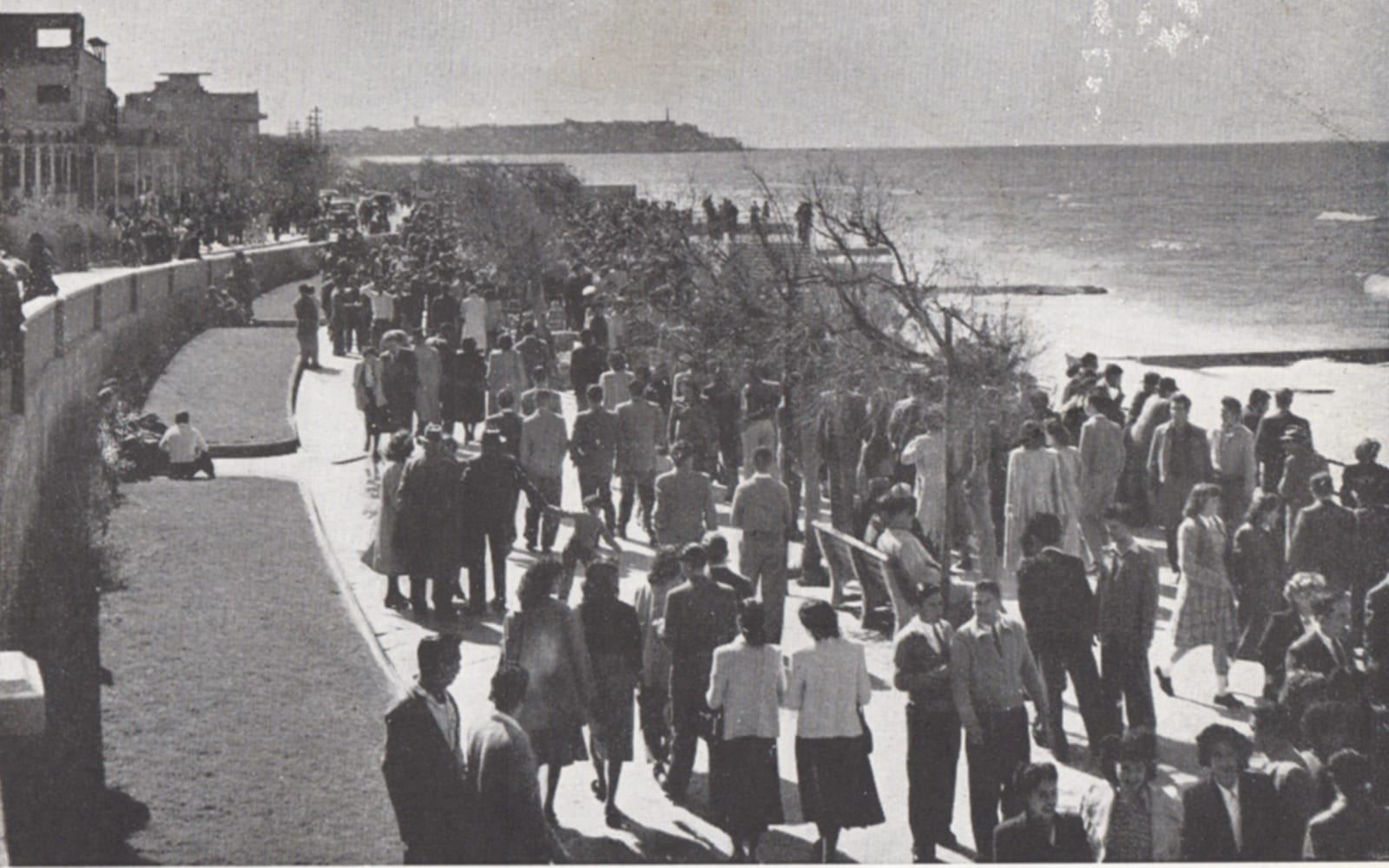
Tel Aviv in spring (March–May) is near-perfect: 18–26°C days, low humidity, the sea warming to swimmable temperatures by late April. The promenade (Tayelet) is at its most lively before summer’s crowds. The Carmel Market and Nahalat Binyamin craft market operate on normal schedules; the outdoor café culture of Rothschild Boulevard is at its most pleasant. See Tel Aviv food guide for year-round restaurant recommendations.
Haifa: The Bahá’í Gardens are at their most spectacular in April, with the 19 terraces in full spring bloom running from the Louis Promenade down to the German Colony. The Haifa travel guide covers the Bahá’í visit, Wadi Nisnas, and the German Colony food scene.
Jerusalem
Jerusalem spring (April and May especially) is the city at its most walkable. Temperatures of 16–22°C, clear skies, and the Old City without the weight of summer heat or the winter rain. April sees the highest concentration of religious observances (Easter, Passover, Yom HaZikaron, Yom HaAtzmaut) — Jerusalem is at its most emotionally complex and alive.
The outdoor sites — the Mount of Olives panorama, the City of David, the Haas Promenade — are all best in spring light. The Western Wall is still relatively uncrowded before summer tour-group season peaks. See traveling in Israel during Jewish holidays for navigating Jerusalem during Passover.
Dead Sea
Spring is a strong season for the Dead Sea: 26–32°C in April (versus the 42°C July extremes), warm enough to float at any hour of the day, and the Ein Bokek beach facilities are less crowded than during Israeli school summer holidays. The mud ritual and the float itself are unchanged — spring light over the water in the late afternoon is excellent for photography.
Spring hiking at Masada is particularly good: the Snake Path ascent is comfortable from 5am to 9am before temperatures climb, and the light on the fortress walls at sunrise in spring is among the most dramatic in Israel. See the Masada visitor guide for sunrise logistics. The Dead Sea visitor guide covers beach choices and the Ein Bokek resort strip.
Galilee and the Golan Heights
Spring transforms the Galilee. The Sea of Galilee is full from winter rains, the hillsides around Tiberias and Nazareth are bright green, and nahal water hiking is at its seasonal best with water flowing in the stream corridors. The Golan plateau is excellent in April and May: wildflowers, the Banias waterfall at full flow, and comfortable temperatures at altitude.
Bird migration peaks in spring: tens of millions of birds cross Israel on the Afro-Eurasian flyway in March and April, using the Jordan Valley as a corridor. The Agamon HaHula bird park in the Hula Valley is worth visiting in March–April for migrating raptors, storks, and pelicans passing through. See hiking in Israel for Galilee trail recommendations.
Negev
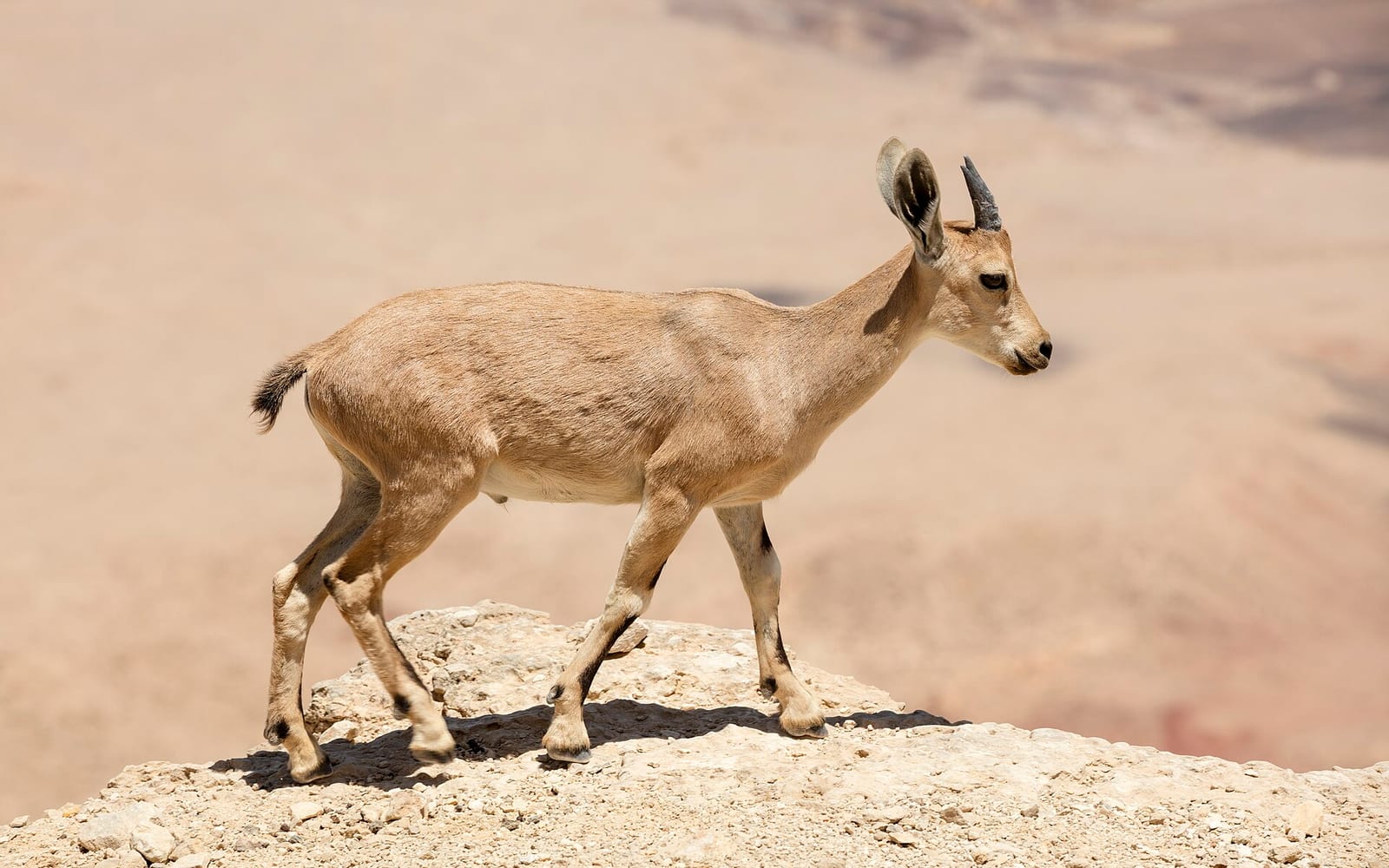
The Negev is in its prime in March and April. Makhtesh Ramon is at its most dramatic: cooler temperatures allow full-day hiking on the crater rim and into the crater floor. The Incense Route UNESCO cities — Avdat, Mamshit, Shivta — are comfortable in spring daylight hours. The Bedouin hospitality tents and eco-lodges around Mitzpe Ramon are popular for overnight stays with stargazing (the Ramon Crater is an IDA-certified dark-sky park, excellent year-round but especially atmospheric on spring evenings). By May, temperatures in the crater start to climb toward summer — early morning starts become important again.
Eilat
Eilat in spring is excellent, with one note: Israeli domestic tourism peaks here during Passover school holidays. The Red Sea water temperature is 22–24°C in spring — comfortable for snorkelling and diving at Coral Beach Nature Reserve. The Timna National Park (30km north) is ideal for spring visits: copper-mine history, geological formations, and evening illuminations in comfortable temperatures. See Eilat travel guide and Eilat diving and snorkelling guide.
What to pack for spring Israel
| Item | Coast / Tel Aviv | Jerusalem | Negev / Galilee |
|---|
| Layers (fleece/jacket) | March only | March–April (evenings) | March mornings |
| Light rain jacket | March–April | March–April | Optional |
| Sunblock 50+ | Essential | Essential | Essential |
| Swimwear | From late April | Not needed | Not needed |
| Walking shoes | Useful | Essential (cobblestones) | Trail shoes |
| Modest dress layer | For religious sites | For religious sites | Optional |
Note: Jerusalem evenings in March drop to 8–12°C; by May they are mild (15–18°C). The Negev at sunrise in March can be 5–10°C — a fleece is necessary for early-morning hikes.
Budget: spring pricing at a glance
| City / season | Pre-Passover (March–early April) | Passover week | Post-Passover (late April–May) |
|---|
| Jerusalem | Moderate | 30–50% spike | Moderate, dropping |
| Tel Aviv | Moderate | 20–30% spike | Good value |
| Dead Sea (Ein Bokek) | Good value | 20–30% spike | Good value |
| Eilat | Moderate | Busy, pricier | Good value |
Flights from Europe and North America in March are among the cheapest of the year. April flights see some uplift around Easter and Passover dates. May is generally good value. Book hotels 6–8 weeks ahead for March, 2–3 months ahead for any dates that overlap with Passover or Easter Holy Week.
Sample spring itinerary (10 days)
| Day | Base | Focus |
|---|
| 1 | Tel Aviv | Arrive; Tayelet promenade walk; Jaffa port dinner |
| 2 | Tel Aviv | Carmel Market morning + Old Jaffa; coast afternoon |
| 3 | Haifa | Bahá’í Gardens terraces; German Colony + Wadi Nisnas food |
| 4 | Galilee | Tiberias; Sea of Galilee boat; Mount of Beatitudes |
| 5 | Galilee / Golan | Banias waterfall + nahal walk; Nimrod Fortress |
| 6 | Jerusalem | Old City all day; Western Wall at dusk |
| 7 | Jerusalem | Via Dolorosa / Easter events OR Passover Seder dinner; Israel Museum |
| 8 | Negev | Drive south; Mitzpe Ramon crater rim; afternoon hike |
| 9 | Dead Sea | Masada sunrise; Dead Sea float + mud; Ein Bokek |
| 10 | Departure | Tel Aviv airport or Eilat option |
Days 4–10 require a rental car or organised transfers. Days 1–3 are accessible by intercity train and bus. See car rental in Israel for spring rates and road-trip logistics.
For the March-specific guide — Purim street parties, wildflower bloom, and pre-crowd hiking — see Israel in March. For the peak April window — Passover, Easter, and Independence Day — see the Israel in April guide. For May — Yom HaAtzmaut, Lag BaOmer, Jerusalem Day, and the opening beach season — see the Israel in May guide. See best time to visit Israel for how spring compares with the full year, Israel events and festivals for the complete spring event calendar, and first time in Israel for the planning essentials that apply year-round.