Hamat Gader (Hebrew: חַמַּת גָּדֵר; Arabic: الحمة) sits in a remarkable geographic position — at the point where Israel, Jordan, and Syria converge in the southern Golan Heights, on the banks of the Yarmouk River. For over two thousand years, natural hot mineral springs have been the reason people come here: Hellenistic settlers, Roman legionaries, Byzantine monks, Umayyad caliphs, and today thousands of Israeli families. The Roman thermal bath complex that survives at the site is among the largest and best-preserved in the ancient world east of Rome — a fact that surprises most visitors who expect only a swimming pool.
This guide covers everything you need to visit Hamat Gader, with practical sections on the other thermal spring sites in northern Israel — Tiberias and Ein Gedi — for visitors building a broader wellness itinerary.
Hamat Gader: Israel’s premier thermal springs
What makes the site unusual
Most thermal resorts offer a pool and a wellness centre. Hamat Gader offers those — plus a zoo-scale crocodilian park, well-preserved Roman bath ruins that you walk through to reach the pools, and a geographic setting at one of the most historically charged border points in the Middle East. The springs flow at roughly 50°C from fissures in the volcanic basalt bedrock; the water is rich in sulphur, sodium chloride, magnesium, and bromide — the same mineral cocktail that made the ancient Romans detour here on the Via Maris trade route.
The Roman baths
Before entering the modern pool complex, take 20–30 minutes to walk the Roman ruins that frame the site. The baths at Hamat Gader (ancient Gadara) were built during the 2nd–4th centuries CE and represent one of the most elaborate Roman spa complexes outside of Italy. Key elements visible today include:
- The Great Hall — the central heated chamber (caldarium), with original basalt column bases and the outline of the floor-heating system (hypocaust)
- The pool of Laughter and the pool of Anguish — two large inscription-decorated basins whose Greek names were recorded by a 4th-century CE Jewish poet and are carved into the entrance marble
- The Oval Hall — an elliptical room with mosaic floor fragments
- Intact water channels — the stone-cut aqueduct channels that fed the pools from the spring source are still visible along the eastern edge of the site
You don’t need an archaeology background to appreciate the scale; the engineering achievement of delivering and controlling hot spring water through a 2nd-century CE plumbing system — which still functions in modified form beneath the modern resort — is remarkable on its own terms.
The thermal pools
The modern pool complex occupies the western section of the resort, with multiple zones at different temperatures:
| Pool zone | Approximate temperature | Character |
|---|
| Main outdoor thermal pool | 36–40°C | Large, mineral-rich; most popular |
| Hot jacuzzi baths | 40–43°C | Small pools; intense mineral concentration |
| Tepid pool | 28–32°C | Gentler entry point; families with young children |
| Children’s wading section | 28–30°C | Shallow; toddler-friendly |
The water colour in the thermal pools has a slight yellow-green tint from the mineral content — this is normal and not a sign of poor maintenance. The sulphurous smell is more pronounced near the hot jacuzzi baths and fades in the larger main pool. First-time visitors to sulphur springs often find the smell off-putting for the first 10 minutes; most find it unremarkable after acclimatising.
Time limits: Unlike the Dead Sea, there is no strict medical recommendation for limiting soak time, but the Israeli resort recommends no more than 20–30 minutes in the hottest sections at one stretch, particularly in summer when ambient heat adds to the thermal load. Listen to your body; the hotter baths are genuinely warming.
The alligator and crocodile park
The zoological section at Hamat Gader holds one of Israel’s largest collections of crocodilians — Nile crocodiles, American alligators, and several hybrid subspecies. The park is primarily aimed at families and runs scheduled feeding shows in the main enclosure; check the board at the park entrance for today’s show times (typically 2–3 shows per day, with timing adjusted seasonally).
The park includes a walk-through observation section where you can see the animals at close range through safety barriers, and a hatching area. The crocodilians are genuinely impressive in scale — adult Nile crocodiles in the park reach 4–5 metres in length.
Beyond the crocodilians, the park holds a smaller collection of other animals including birds, turtles, and various small mammals in a zoo-format section. This part of the resort is more modest than the headline crocodilian attraction and will add roughly 30–45 minutes to a visit.
Logistics at a glance
Getting there: From Tiberias, take Route 90 south along the Jordan River, then Route 98 south — approximately 45 minutes. Route 98 follows the Jordan River valley through dramatic scenery; the approach to Hamat Gader includes a border area with Jordan visible across the Yarmouk River gorge. Stay on the marked tourist road and do not approach or photograph the border security installations. From Tel Aviv, the drive takes roughly 2 hours via Route 6 (toll motorway) north, then Route 65 east to Afula, then Routes 71 and 98 south.
Hours and Shabbat: The resort closes on Shabbat (Friday approximately 3pm to Saturday night). Check hamtgader.co.il for current hours before any visit — they change seasonally and on public holidays.
Entry: Hamat Gader is a privately managed resort, not an INPA national park site. Your Israel National Parks Pass is not valid here. Entry is paid at the gate; prices change annually — check the official website for current adult and child rates. The entry fee covers both the thermal pools and the alligator park.
What’s on site: Changing rooms, showers, lockers, sunbeds (small additional charge or included depending on season), a restaurant, and a café. Towel rental is available. The resort hotel (Hamat Gader Resort Hotel) accepts advance day-pass bookings for the spa facilities — recommended on Israeli public holidays when walk-in entry can sell out.
Safety in the Golan area: Hamat Gader is a well-established civilian tourist attraction with Israeli security presence. The Golan Heights is under Israeli administration; the tourist areas including Hamat Gader are routinely visited without incident. For current travel advisories relevant to your home country, check your government’s travel advice and see the is Israel safe guide.
Tiberias thermal springs: Hamat Tiberias
The ancient thermal springs at Hamat Tiberias (sometimes written Hammat Tiberias) flow from the same volcanic fissure system as Hamat Gader, 45 kilometres to the north. The Roman city of Tiberias was founded partly to exploit these waters — they were famous throughout the ancient world and drew visitors from across the Roman Empire.
The springs flow at approximately 60°C naturally (cooled to bathing temperature) and carry a higher sulphur concentration than Hamat Gader. The Hamat Tiberias National Park (INPA-managed; National Parks Pass valid for the archaeological sections) preserves both the thermal pool complex and — more significantly — an exceptional 4th-century Byzantine synagogue mosaic floor, featuring a complete zodiac wheel, seasonal personifications, and a menorah panel. This mosaic is among the finest ancient floor mosaics in Israel and justifies the visit independently of the thermal bathing.
Practical: Pool opening hours and pricing at the thermal complex within the park vary seasonally and separately from the archaeological park entry. Check parks.org.il or hamat-tiberias.co.il for current arrangements. The site is 2 km south of central Tiberias — easy to reach by car or a 15-minute waterfront walk south from the Tiberias promenade.
For the complete Tiberias context — waterfront dining, Sea of Galilee boat tours, and day-trip planning — see the Tiberias & Sea of Galilee guide. For a broader overview of Israel’s spa and bathing culture including the Dead Sea and hammam traditions, see the Israel wellness and spa guide.
Ein Gedi: thermal springs in the desert
The Kibbutz Ein Gedi Hotel operates a sulphur thermal pool fed by springs from the Judean Desert cliffs — a dramatically different landscape from the Golan but the same mineral principle. The Dead Sea is visible below the Ein Gedi hillside site; Nubian ibex wander the grounds at dusk. The spring-fed pool is warm and mineral-rich, combining naturally with the adjacent Ein Gedi Nature Reserve’s hiking trails (David’s Waterfall, Nahal Arugot gorge) for a full wellness-and-hiking day.
See the Ein Gedi guide for trail details and the Dead Sea visitor guide for the full Ein Bokek resort context.
Comparing Israel’s thermal spring sites
| Site | Region | Distance from TLV | Key character | Shabbat closure |
|---|
| Hamat Gader | Southern Golan | ~2 hours | Large resort: Roman ruins + alligator park + thermal pools | Yes (Fri ~3pm to Sat night) |
| Hamat Tiberias | Galilee (Tiberias) | ~1.5 hours | Archaeological park with Byzantine mosaic + smaller thermal pool | Yes (INPA hours) |
| Ein Gedi Kibbutz | Dead Sea corridor | ~1.5 hours | Intimate desert spa; combines with nature reserve | Reduced service (kibbutz manages) |
| Ein Bokek hotels | Dead Sea | ~1.5 hours | Resort strip; Dead Sea flotation + mineral pools + spa treatments | Hotels open; some day-pass services reduced |
Planning a thermal springs day trip
From Tel Aviv or Jerusalem: Hamat Gader is comfortably reachable as a day trip. Leave early (8am from TLV or Jerusalem) to arrive at opening time and have the cooler morning hours for the pools before the site fills on weekends and holidays. The drive back to TLV or Jerusalem takes 2–2.5 hours; a 7am departure and 4pm return is a comfortable structure.
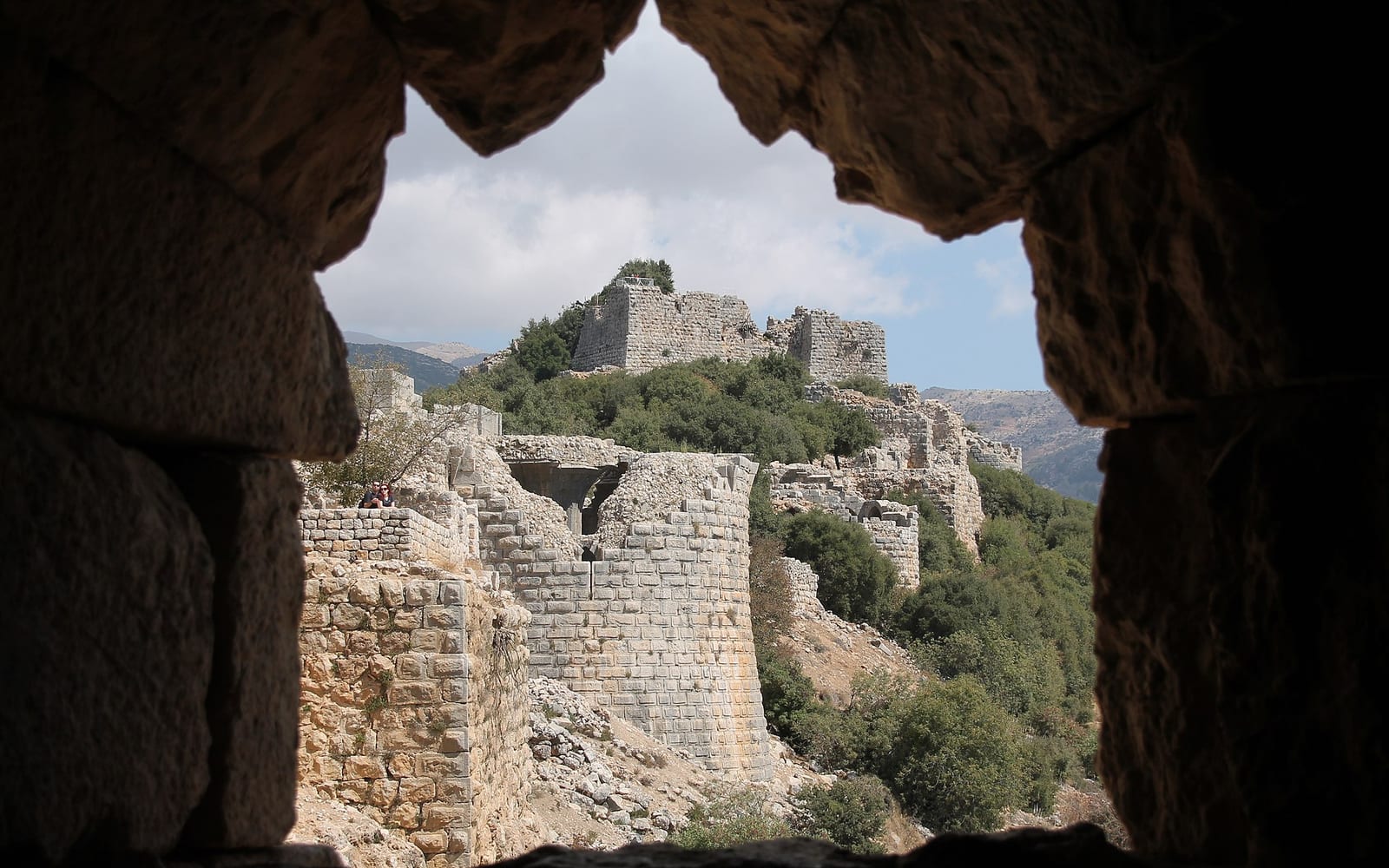
Combining Hamat Gader with the Galilee: Hamat Gader pairs naturally with a Galilee circuit. A logical 2-day itinerary: Day 1 — Tiberias waterfront, Sea of Galilee boat tour, Capernaum or Yardenit; overnight Tiberias. Day 2 — Hamat Gader morning (arrive at opening, leave by early afternoon), then north to Banias waterfall or Nimrod Fortress in the Golan, return via Route 90 or Route 65.
Car vs. organised tour: A rental car gives full flexibility for this combination itinerary. Organised day tours to the Galilee and Golan from Tel Aviv and Jerusalem sometimes include Hamat Gader; check current tour offerings via GetYourGuide or Viator before booking. For planning a self-drive Galilee circuit, see the Northern Israel road trip guide and the car rental in Israel guide.
Practical tips
- Sulphur smell: The spring water has a distinct sulphurous odour that clings to hair and skin. Bring shampoo and conditioner if you mind; the resort showers provide basic soap.
- Jewellery: Remove rings, bracelets, and silver chains before entering the pools. Sulphur in the water tarnishes silver and can damage metal settings.
- Crowds: Israeli school holidays (Passover week, Sukkot week, summer July–August, Hanukkah) bring heavy crowds to Hamat Gader. Arrive at or before opening time. Weekday visits in autumn or spring are the quietest.
- Health claims: The mineral-rich spring water is promoted in Israel as beneficial for skin conditions and joint discomfort. Clinical evidence for thermal spring bathing is modest — the relaxation and heat effects are real, but do not expect guaranteed therapeutic outcomes. If you are visiting for a specific medical condition, consult your doctor before and after.
- Photography: The Roman ruins section and the scenic gorge approach allow photography freely. Check with staff before photographing crocodilians during shows — some restricted areas exist.