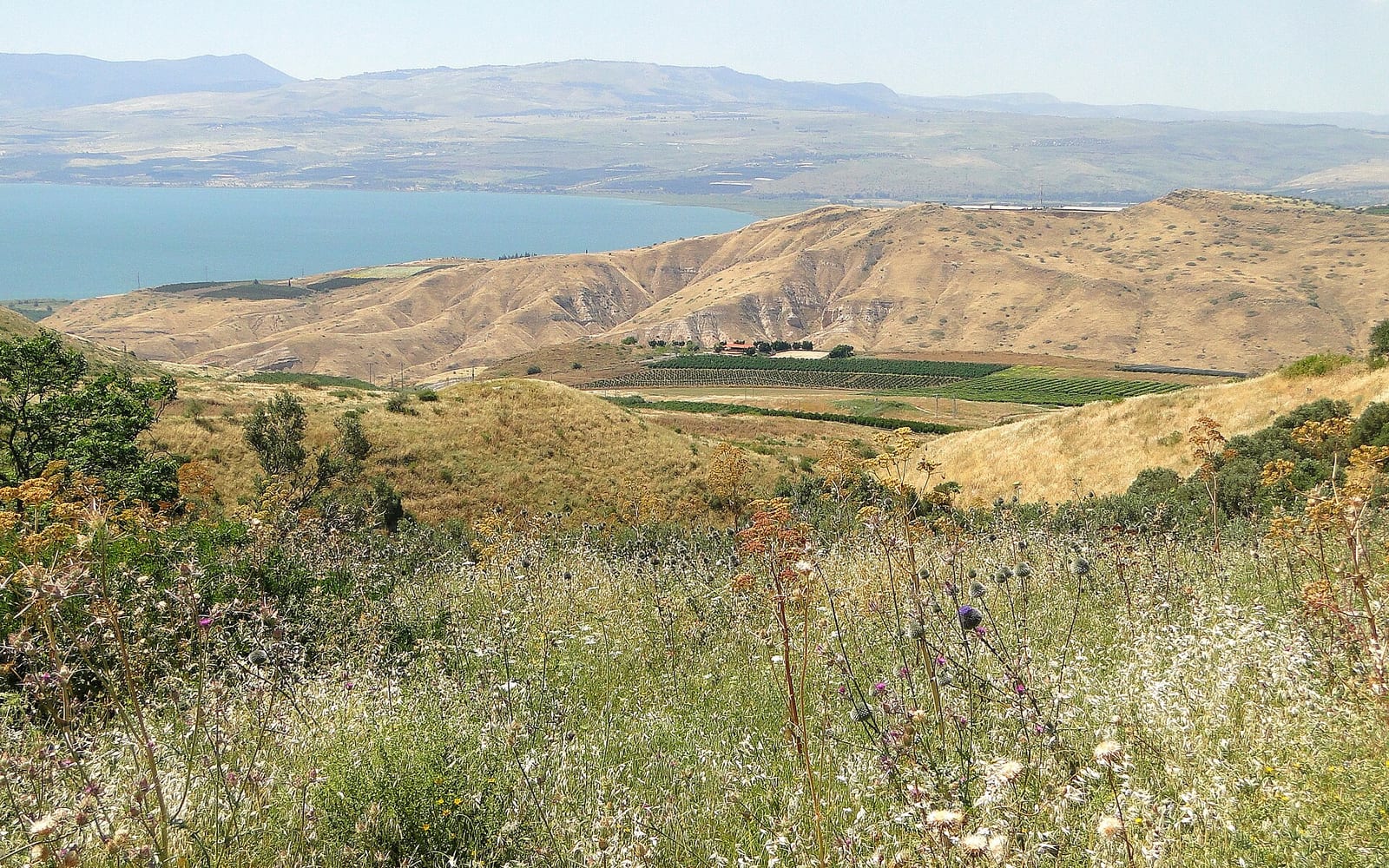
The Galilee Culinary Institute at Kibbutz Gonen is one of the most significant new culinary destinations to open in Israel in recent years — a NIS 100M farm-to-table campus in the Upper Galilee that brings together a working farm, restaurant, wine bar, microbrewery and cooking school on a single 12-dunam estate. The institute opened in 2026 under the creative direction of Chef Lior Lev Sercarz, the Israeli-born, French-trained founder of New York’s La Boîte spice brand, and is funded by JNF-USA as a flagship investment in Upper Galilee culinary tourism. The restaurant, wine bar, brewery, guest suites and day-tripper cooking workshops are now all open to the public; the first full academic year launches October 2026.
For travellers who have already discovered the Upper Galilee’s wine villages — Rosh Pina, the Dalton and Galil Mountain wineries, the stone houses of Safed — the institute adds a new reason to extend a Galilee itinerary northward, toward the Hula Valley and the slopes of Mount Hermon.
What the Galilee Culinary Institute is
The institute occupies a site at Kibbutz Gonen, one of the collective agricultural settlements along the Hula Valley corridor in the Upper Galilee. Kibbutz Gonen itself was founded in 1951 and sits on Route 918, east of the main Route 90 highway that runs the length of the Jordan Valley.
The project’s culinary philosophy draws explicitly on the multicultural food traditions of the Upper Galilee — a region where Jewish, Druze and Bedouin communities have lived alongside one another for generations, each with distinct agricultural practices, spice cultures and kitchen traditions. The Galilee’s position near Lebanon also gives it access to ingredients and techniques from the broader Levantine culinary tradition.
The campus components, all now open to visitors:
- 12-dunam working farm: growing herbs, vegetables and seasonal produce used directly in the restaurant kitchen, with additional sourcing from neighbouring Galilee farms and producers; guided farm tours available for day-trippers
- Restaurant and wine bar: farm-to-table dining using estate produce and a wine list focused on Upper Galilee and Golan Heights producers; restaurant reservations recommended, especially weekends
- Microbrewery: on-site craft beer production using local ingredients, complementing the wine bar
- Guest suites: accommodation enabling multi-day culinary retreat stays; book directly via galileeculinaryinstitute.com
- Cooking workshop space: the educational core of the institute, where participatory cooking sessions are held with visiting chefs and institute instructors — now publicly available to day-trippers, not just enrolled students
The first full academic year launches October 2026, expanding the educational programme. Always check galileeculinaryinstitute.com directly for current hours, workshop schedules and restaurant booking before planning a visit.
Chef Lior Lev Sercarz
Lior Lev Sercarz is the institute’s culinary and creative director. Born in Israel, he trained in France before establishing a professional career that eventually brought him to New York, where he founded La Boîte — a spice and specialty ingredient brand whose hand-blended mixes have become a reference point for chefs and cooks across North America.
His return to Israel to lead the Galilee Culinary Institute brings a specific sensibility: an interest in the complexity and heritage of spice traditions, and a commitment to connecting professional-level culinary technique with the agricultural landscape where ingredients originate. The Upper Galilee is well suited to that project — the region’s multi-ethnic farming history and proximity to Lebanon give it a depth of culinary tradition that few other areas in Israel can match.
Cooking workshops
The institute’s cooking workshops follow a farm-to-table arc: a guided walk through the working farm to understand what is growing and what will be used, followed by a hands-on cooking session, and concluding with a sit-down meal from the prepared dishes. The format is participatory rather than demonstration-only — visitors cook alongside the instructor rather than watching.
Workshop content varies by season, reflecting what the farm is producing at the time of visit. Typical session themes draw on the Galilee’s multicultural food heritage:
- Druze food traditions: thin flatbreads (markook), labneh with fresh herbs, mountain herb-infused olive oil, dishes that reflect the Druze community’s close relationship with the land
- Bedouin spice culture: the use of warming spices — cardamom, black lime, dried herbs — in rice dishes, lamb preparations and coffee rituals
- Jewish Galilee cooking: North African-influenced preparations brought by Moroccan and Libyan Jewish immigrants to the Galilee, alongside Levantine vegetable dishes and dairy-based cooking from the kibbutz tradition
English-language sessions are available on request. Day-tripper workshops are publicly available — you do not need to be an enrolled student to participate. With the first full academic year launching October 2026, workshop formats and frequency are expanding. Advance booking is essential — capacity per session is limited and the institute is attracting significant interest from Israeli and international food-focused travellers. Book directly via galileeculinaryinstitute.com.
The restaurant and wine bar
The restaurant serves lunch and dinner using farm-grown produce and ingredients sourced from Galilee producers. The food follows the same multicultural Galilee philosophy as the workshops — an evolving menu reflecting what is in season on the estate and in the surrounding agricultural landscape.
The wine bar focuses on Upper Galilee and Golan Heights producers, which together represent some of Israel’s most interesting wine country: high-altitude vineyards in the Galilee foothills, the volcanic basalt soils of the Golan plateau, and the boutique producers that have emerged across the region since the 1990s. Wineries whose bottles are likely to appear on the list include Galil Mountain (near Kibbutz Yiron, 15km away), Dalton (10km southeast), and Pelter (Galilee foothills).
The microbrewery adds a craft beer dimension to the offering — a growing element in Israeli food culture that reflects the broader hospitality direction of the campus.
Getting to Kibbutz Gonen
Kibbutz Gonen is located on Route 918 in the Upper Galilee, east of Route 90 and north of Safed. A rental car is essential — there is no public transport connection to the kibbutz.
Driving times:
| From | Route | Approx. time |
|---|
| Tiberias | Route 90 north → Route 918 east | ~45 minutes |
| Rosh Pina | Route 90 north → Route 918 east | ~20 minutes |
| Safed (Tzfat) | Route 89 or 90 north → Route 918 east | ~25 minutes |
| Haifa | Route 75 / Route 70 north → Route 90 | ~1 hour |
| Tel Aviv | Route 6 north → Route 77 east | ~2 hours 15 minutes |
For car hire, see the Israel car rental guide for current comparison prices and pickup logistics from Ben Gurion Airport and northern Israel.
Pairing with other Upper Galilee destinations
Kibbutz Gonen sits within easy reach of several of the Upper Galilee’s finest natural and historical sites. A recommended full-day Upper Galilee circuit might combine:
Morning: Tel Dan Nature Reserve (20km from Gonen) — Israel’s largest spring and the remains of the biblical city of Dan, including one of the world’s oldest surviving arched gates, dated to the Middle Bronze Age. The nature trail takes 1.5–2 hours and is suitable for families.
Late morning: Banias Nature Reserve (20km northeast of Gonen) — a waterfall fed by one of the three major headwater springs of the Jordan River, with ruins of a Hellenistic-Roman sanctuary at the site of ancient Panias (Caesarea Philippi in the Gospels).
Lunch and afternoon: Galilee Culinary Institute restaurant or cooking workshop, Kibbutz Gonen.
Late afternoon / evening: Rosh Pina (20 minutes south) — the village’s Old Quarter along HaKahal Street is at its best in late afternoon light, and the village has good dinner options at Alef Alef and Auberge Shulamit.
An alternative circuit adds Nimrod Fortress (15km northeast of Gonen) — a ruined Crusader-Mamluk castle on a ridge overlooking the Hermon foothills, with panoramic views across the Hula Valley and into Lebanon.
For the wine-focused visitor, the Upper Galilee winery circuit pairs well: Dalton Winery (10km southeast of Gonen, near Kerem Ben Zimra) has a visitor centre with regular tastings; Galil Mountain Winery (near Kibbutz Yiron, 15km west) is one of the larger quality producers in the north with an English-friendly tasting room; and Alma Winery operates in the Rosh Pina village itself. See the Israel wine and wineries guide for the full regional picture.
Birdwatching extension: the Hula Valley
The Hula Valley Nature Reserve sits 10km south of Kibbutz Gonen, making it a natural extension to a Gonen visit — particularly for visitors arriving in autumn or winter. Each year between October and February, up to 500,000 Eurasian Cranes winter in the Hula Valley, making it one of the most spectacular wildlife spectacles in the Middle East. The KKL-JNF-managed reserve has an observation network, guided sunrise safaris by tractor wagon, and flamingos, kingfishers and pelicans year-round.
See the birdwatching in Israel guide for seasonal timing and how to book sunrise safari tickets in advance.
Address: Kibbutz Gonen, Upper Galilee (Route 918)
Status: Fully open — restaurant, wine bar, brewery, guest suites and day-tripper cooking workshops all operating; first full academic year launches October 2026
Booking: galileeculinaryinstitute.com (advance booking required for workshops; strongly recommended for restaurant weekends)
Getting there: Own car or rental car essential — no public transport
Nearest accommodation hub: Rosh Pina (20 min south) — stone guesthouses, vineyard B&Bs and rural zimmers; see our Israel zimmer guide for how to search and book rural Galilee accommodation
Hours, workshop schedules and menu focus are subject to change — always verify current details directly at galileeculinaryinstitute.com before making a special trip.
For a broader Galilee itinerary context, see the 3 days in the Galilee guide, the Rosh Pina wine village guide and the Israel agritourism guide.