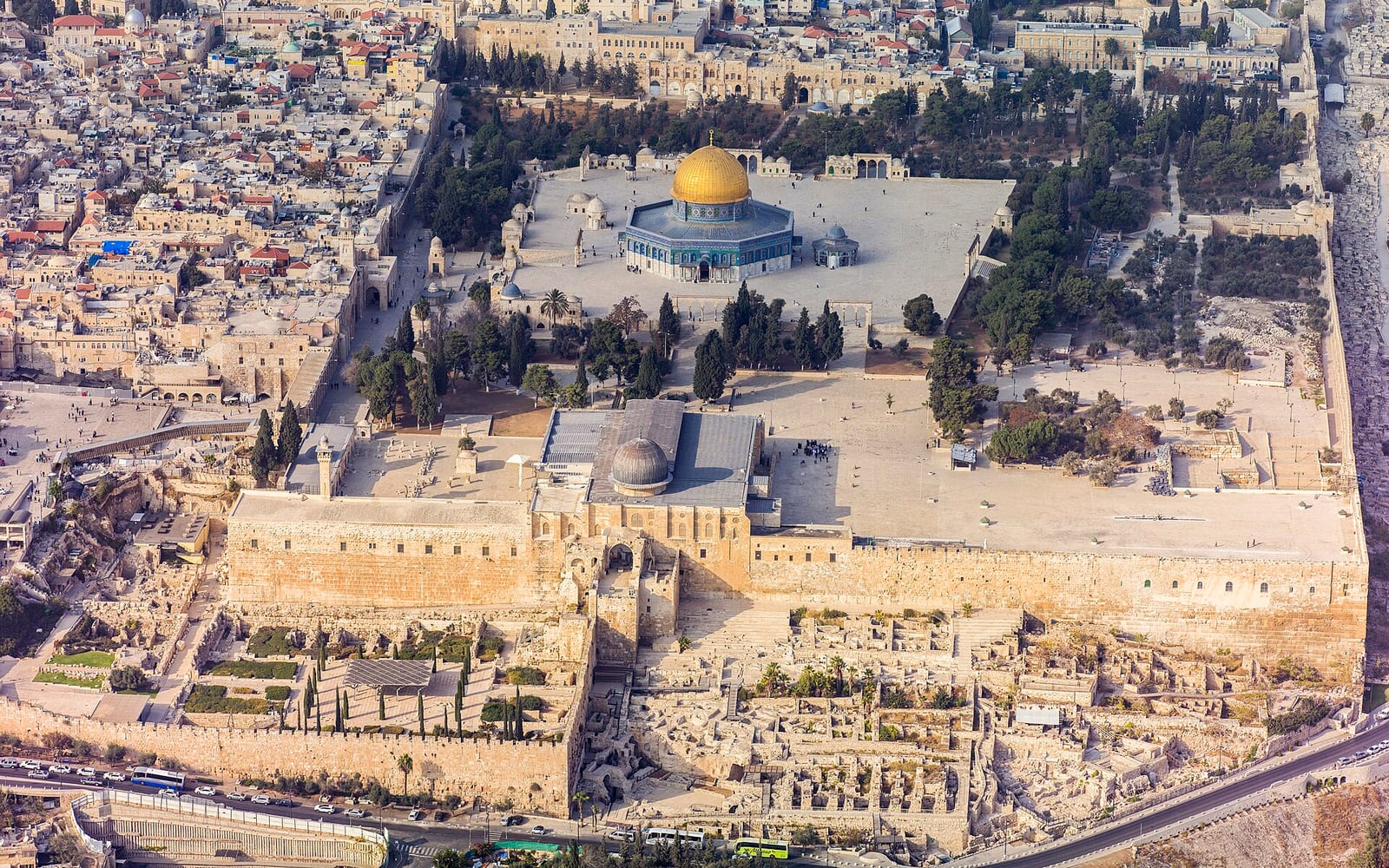
Few destinations in the world raise the “guided or independent?” question quite as sharply as Israel. The country is compact, English-friendly and very manageable on your own — yet it also has sites where a licensed expert genuinely transforms the experience. Here is how to choose, and why many visitors end up doing both.
Why Israel is different from other destinations
Most countries treat hiring a guide as a nice-to-have. Israel has a layer that other countries do not: a Ministry of Tourism licensed-guide requirement at several key sites. The Western Wall Tunnels, the underground medieval and Crusader sections of the Old City, and restricted areas of the City of David cannot be entered independently — you must book a guide or a pre-arranged group tour. That is not optional.
Beyond the regulatory requirement, there is a practical case: Jerusalem’s layered 3,000-year history, multi-faith sensitivities, and the logistics of sites like Masada’s sunrise access (requiring early booking and coordination) reward expert guidance in ways that a standalone audio tour cannot match.
The case for a guided tour
Sites that require it — Western Wall Tunnels, restricted City of David sections, some national-park excavation areas. No guide, no entry.
Sunrise-access logistics — Masada sunrise requires an early-morning cable-car or predawn hike; a guide manages the booking and timing so you actually make it.
Arabic-language markets and souks — a local guide unlocks authentic interaction and fair pricing in the Old City’s Muslim Quarter and Acre’s market.
Security-sensitive logistics — some heritage sites near sensitive areas are safer with a professional who knows the protocols.
Licensed expertise — Israeli Ministry of Tourism guides pass government exams on history, archaeology, languages and first aid. The depth of insight, especially on archaeology, is frequently cited as a travel highlight.
The case for self-guided travel
Shabbat freedom — from Friday afternoon to Saturday night, trains and most buses stop. A rental car is the primary way to keep moving; a guided group tour cannot run on Shabbat.
Your own pace — linger in a Galilee winery for two hours, skip the queue at a site you have already seen, eat lunch at noon or at 3pm.
Cost per couple or solo traveller — for two people, a rental car plus Israel National Parks Pass (₪170, covering 35+ parks) is typically cheaper per day than two seats on a private guided tour.
Spontaneity — the best falafel stall, the viewpoint not on the map, the kibbutz guesthouse you pass on the way south.
Coastal and resort areas — Tel Aviv’s beach, Eilat’s dive sites, Caesarea’s Roman ruins, and the Dead Sea float require no guide whatsoever.
Repeat visitors — if you have done the Old City before, self-guided exploration of lesser-known quarters or the Negev is often more rewarding.
The hybrid model (recommended for most first-timers)
The most cost-efficient approach for a first visit:
Rent a car (or use trains/buses between cities) for your independent movement.
Book a licensed guide for one full day in Jerusalem Old City — the investment pays off in historical depth and access to the Tunnels.
Optionally add one Galilee guide day (Sea of Galilee + Capernaum + Mount Tabor circuit) if you have a faith or archaeology focus.
This hybrid keeps daily costs moderate while ensuring you get the regulated-access sites correctly and have an expert for the single highest-information-density day of the trip.
Cost comparison
All figures are indicative ranges for planning only — get live quotes from operators before booking.
Option
Typical cost
Best for
Private licensed guide + vehicle
$150–350 per day
First-timers, pilgrimage, archaeology, families
Shared / small-group guided day tour
$50–120 per person per day
Solo travellers, those without a car, budget-focused
Rental car + INPA parks pass
~$40–80/day car + ₪170 pass
Independent explorers, couples, Shabbat mobility
Train + bus (intercity)
$5–15 per day
City-to-city travel; not viable for Galilee or Negev interior
For detailed car-rental category pricing and company comparisons, see our Israel car rental guide. For a breakdown of private-vs-group-vs-small-group tour costs, see private tours of Israel.
Matching by traveller type
Traveller
Recommended approach
First-timer, 7–10 days
Hybrid: rent a car + 1–2 guided days (Jerusalem Old City essential)
Religious pilgrim
Primarily guided — licensed expertise at holy sites is significant; Christian pilgrimage hub for operators
Couple, 5 days, mainly cities
Trains/buses + one guided Old City day + one guided Galilee or Dead Sea day
Repeat visitor
Fully self-guided; focus on lesser-visited regions, new openings
Family with children
Private tour for Jerusalem (keeps logistics stress-free); self-drive for Dead Sea and Negev
Budget solo traveller
Hostel-run group day trips (Masada+Dead Sea from ~$50) + self-drive or trains
Short stay (2–3 days)
Guided package — maximises coverage; least margin for logistics errors
How to book a licensed guide
Israeli Ministry of Tourism guides hold a government-issued licence after completing a two-year academic programme including Israeli law, archaeology, history, languages and first aid. The licence is NOT a self-declared title — it is legally regulated.
What to look for: the phrase “Ministry of Tourism licensed” or the Hebrew acronym “מוסמך משרד התיירות” in the guide’s profile.
Unlicensed “guides”: freelancers calling themselves guides without the licence are operating outside Israeli law and do not carry regulated liability insurance — relevant at sites with restricted access where guides are legally required.
Before finalising your approach, check our Is Israel safe to visit? guide for the current security context — the answer shapes whether certain areas are accessible to self-guided travellers. If this is your first visit, first-time in Israel covers the full planning checklist. Sort an eSIM and travel insurance early — both are easier to arrange before departure.
Frequently asked questions
Do I need a guide to visit the Western Wall?
+
The Western Wall plaza itself is freely accessible. However, the underground Western Wall Tunnels require a booked tour with an authorised guide — you cannot enter independently. Similarly, the Herodian Tunnels beneath the Old City, many Crusader-era sites, and some sections of the City of David require pre-booked guided access.
How much does a licensed tour guide cost in Israel?
+
A Ministry of Tourism licensed guide charges approximately $150–350 per day (plus vehicle and entries) for a private booking, depending on group size, vehicle type and season. Shared guided day tours typically run $50–120 per person. Multi-day private packages bundle guiding, transport and hotels. Always request a live quote — these are illustrative ranges.
Can I self-drive everywhere in Israel?
+
Yes, almost everywhere. Roads are well-signed in Hebrew, Arabic and English, and driving is on the right. The main exception is that most Israeli rental contracts prohibit taking the car into Jordan or some West Bank areas — check your terms. The Golan Heights, Negev, Galilee and Dead Sea region are all comfortably self-driven.
What is the hybrid touring model in Israel?
+
Hybrid means renting a car (or using trains and buses) for independent travel between regions, but booking a licensed guide for the one or two days where expert knowledge adds the most — typically a full day in Jerusalem Old City and possibly one in the Galilee. This approach keeps costs reasonable while unlocking the sites that genuinely reward a guide.
When is a guide technically required in Israel?
+
A Ministry of Tourism licensed guide is required for certain regulated sites including the Western Wall Tunnels, some City of David sections, and certain archaeological parks when entering restricted excavation areas. Licensed guides also carry liability insurance and have passed Israeli government exams — relevant in sensitive historical and religious sites. "Guides" without the licence are operating outside these regulations.
Is Israel safe for independent self-guided travel?
+
Israel is generally accessible for independent travellers in its main tourism areas — the coastal cities, Galilee, Negev and Jerusalem historic sites. Security situations can change, so always check the current official advisory from your government before travel and read our dedicated safety guide before finalising your plans.
How do I find and book a licensed Ministry of Tourism guide?
+
The Israeli Ministry of Tourism maintains an official licensed guide directory at the israel.travel site. You can also book certified guides through platforms like GetYourGuide, Viator and Abraham Tours, which list their guide credentials. Look for the phrase "Ministry of Tourism licensed" in the listing — this is a regulated Israeli government qualification, not a marketing claim.