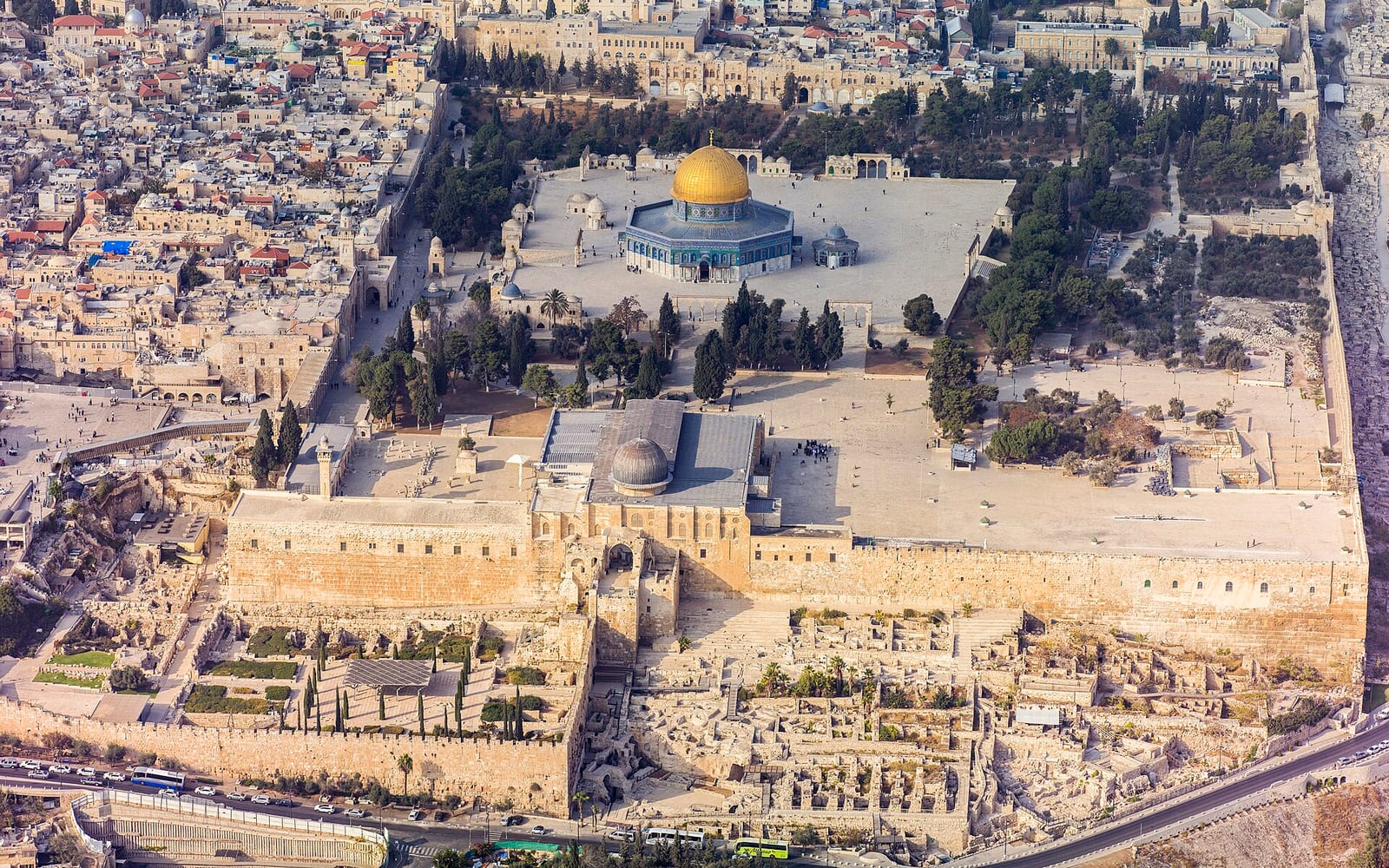
Passover (Pesach) is the most widely observed Jewish holiday, and in Israel it transforms the country for eight days each spring in ways that no other event can match. The Western Wall fills with white-robed Kohanim extending their hands in the ancient priestly blessing; chametz — leavened bread — vanishes from supermarket shelves and restaurant menus; millions of Israeli families descend on national parks, beaches and resort hotels; and the rhythm of the country slows to a rhythm determined by the Jewish calendar rather than the workweek.
For international visitors, Passover week offers both extraordinary experiences and genuine logistical challenges. This guide covers everything you need to plan a Passover visit to Israel — from the Birkat Kohanim spectacle at the Western Wall to Pesach hotel programs to what is actually open on the main holiday days.
Passover 2027 dates
Passover 2027 begins at sunset on Thursday, April 22, 2027 and ends after nightfall on Thursday, April 29.
| Period | Dates | What to expect |
|---|
| First Seder night | Evening of 22 April | Hotels and tour programs begin; shops close by late afternoon |
| First two days | 22–23 April | Full Yom Tov closures; minimal transport; Western Wall packed |
| Chol HaMoed | 24–27 April | Sites re-open; extremely crowded; festive family atmosphere |
| Birkat Kohanim Shabbat | 26 April | Priestly Blessing at Western Wall — arrive 7:30 am |
| Final two days | 28–29 April | Full Yom Tov closures again; airports operational |
| Motzei Pesach | Evening of 29 April | Holiday ends; chametz returns to restaurants and shops |
All dates begin at sunset the evening before and end after nightfall on the listed date.
Pesach hotel programs: the all-inclusive route
For visitors who want to be fully immersed in Passover without the logistical challenge of finding open kosher restaurants during holiday closures, Pesach hotel programs are the established solution.
A program hotel converts its kitchen entirely for kosher-for-Passover supervision from before the holiday through its conclusion. The package typically includes the Seder meal(s), full-board accommodation with Passover-only menus, children’s programming, evening entertainment, and sometimes daytime excursions. The quality ranges from simple kibbutz guesthouse programs to elaborate five-star productions at flagship resort hotels.
Program tiers and settings:
- Dead Sea (Ein Bokek resort strip): Israel’s most popular Passover resort zone. Hotels here run the country’s most sought-after programs — combining the world’s most famous floating experience with spa facilities and elaborate Seder productions. Programs at the Dan Dead Sea, Isrotel Dead Sea, and similar properties book out by October for the following April. Expect ₪8,000–₪20,000+ per person per week for full-board in a standard room at a top property.
- Eilat (Red Sea): The warm-weather alternative for families and beach-seekers. Eilat’s tax-free zone, coral reef access, and year-round sunshine make it a favourite for Israeli families from the centre and north. Programs run at the Isrotel Royal Beach, Dan Eilat, and others. Comparable pricing to Dead Sea; book similarly far ahead.
- Jerusalem: Several Jerusalem hotels — including the King David and Inbal — run full Pesach programs with ceremonial Seders in grand ballroom settings. The advantage is proximity to the Kotel Birkat Kohanim event and Old City. Programs tend to be smaller and more atmospherically suited to a religious or heritage-focused visit.
- Kibbutz guesthouses (rural programs): More modest programs, often in the Galilee or Negev, combining a low-key country setting with Passover meals and programming. Prices from ₪3,500–₪7,000/person/week; a good choice for visitors who want the kosher-for-Passover dining sorted without the resort-hotel price tag.
How to book: Specialist sites including totallyjewishtravel.com, passoverlistings.com and israelmaven.com list current programs by property, price and date. TourRadar aggregates multi-night packaged tours including Pesach programs. Book as early as possible — the best Dead Sea and Eilat programs for 2027 may sell out in late 2026.
Tourist Seder options: joining the table
The Seder is the heart of Passover — a two-to-three hour ritual dinner and storytelling ceremony guided by the Haggadah. Visiting Israel at Passover without attending at least one Seder would be like arriving at Christmas and skipping the meal. Options for visitors of any background:
Abraham Hostels in Jerusalem, Tel Aviv, and Nazareth run open community Seders accessible to international travellers of all backgrounds and religions. These are lively, multilingual evenings — the Haggadah is narrated in English, Hebrew, and often Spanish, French, or Russian — with a real attempt to make the ceremony accessible to first-timers. Cost approximately ₪150–200 per person including the full Seder meal. Book in advance through Abraham Hostels’ website; they fill up.
Chabad open-door Seder
Chabad has a presence in virtually every Israeli city and major tourist area — including inside the Old City of Jerusalem, near the Western Wall, in Tel Aviv, Haifa, Netanya, Eilat, and at many beach resort hotels. Chabad Seders are open to all Jewish visitors and welcomed for non-Jewish guests with interest. They are typically free or run on a suggested donation basis. Contact the local Chabad house in advance to confirm timing and attendance.
Private Seder experience via guide
GetYourGuide and other platforms list private Seder experiences — joining a local Jewish-Israeli family for the full ceremony and meal. These are available in Jerusalem and Tel Aviv. A private experience allows more personal engagement with the ritual and provides space for questions. Prices typically ₪300–600/person.
Hotel Seder
If you are staying at a full-service hotel, most four-star and five-star properties in Jerusalem, Tel Aviv, and resort areas organise a Seder night for guests. Quality varies widely — ask when booking whether the hotel runs its own Seder programme or arranges access to one nearby.
Birkat Kohanim at the Western Wall
The Priestly Blessing at the Western Wall (Kotel) during Passover is one of the most extraordinary public events in Israel. It occurs once during Passover (on the intermediate Shabbat, April 26, 2027) and once during Sukkot, drawing crowds that can exceed 80,000 people in the Kotel plaza and on the elevated Jewish Quarter promenade above.
The ceremony takes place during the Shacharit (morning prayer) service. Kohanim — men of priestly descent — don white tallitot (prayer shawls) over their heads, ascend platforms at the front of the congregational prayer area, and chant the three-verse Aaronic blessing (Numbers 6:24–26) over the assembled worshippers in a single sustained melody. The visual effect — a white-robed wall of prayer shawls raised over the ancient limestone — is profound.
Practical guide to attending:
- Arrive by 7:30 am. The main Shacharit service begins around 8 am and the blessing takes place within it. Arriving later means navigating deep crowds without a view.
- The Western Wall Plaza is open to all visitors regardless of religion. There is no ticket or booking required.
- Women attend from the women’s section of the Kotel plaza; the view from the elevated promenade is also excellent for both men and women who want a panoramic perspective.
- Dress code applies: men require a head covering (kippot are available at the entrance); women should dress modestly (shoulders covered, skirts or trousers to the knee). Shawls are available at the entrance for women who need them.
- Photography: the blessing itself takes place inside an active prayer service — be sensitive and respectful; many observers prefer not to photograph during the priestly blessing itself.
What’s open and closed during Passover
First and last days (April 22–23 and April 28–29)
These operate like Shabbat but more broadly:
- Shops and supermarkets: closed from mid-afternoon before the holiday until nightfall at its end. Stock up on food and supplies the day before.
- Restaurants in Jewish areas: closed. Tourist hotels remain open with full-board Passover menus.
- Public transport: reduced or suspended. Rental car and taxis (Gett, Yango) remain operational.
- National parks and sites: closed on full Yom Tov days. Check the Israel Nature and Parks Authority (parks.org.il) for updated holiday hours.
- Arab-owned restaurants and shops: generally open in East Jerusalem, Nazareth, Akko, Jaffa and other Arab neighbourhoods — this is not their holiday.
Chol HaMoed (April 24–27)
The intermediate festival days see Israel in full domestic-tourist mode:
- National parks and nature reserves: open — and packed. Ein Gedi, Masada, the Sea of Galilee, Caesarea, and Rosh Hanikra are at annual capacity. Plan for early-morning arrivals (8 am or before opening time) to avoid queues.
- Restaurants in Jewish areas: open but serving Passover-only menus — no bread, pasta, grains, or leavened products. This means no hummus (which contains chickpeas and flour), no falafel, no pizza, no regular pasta. Arab restaurants in mixed cities serve their regular menus.
- Supermarkets: open, but chametz is covered or sold off; the Passover food aisle expands significantly.
- Public transport: operating on modified schedules.
The chametz question
Chametz — all leavened grain products — is not sold, owned, or displayed by observant Jewish homes and businesses during Passover. In practice, this means: no bread, no pita, no pasta, no pizza, no pastries, no beer, no whiskey in most Jewish-owned businesses during the holiday. Many supermarkets cover their chametz aisles entirely. This is a significant dietary change for non-Jewish visitors accustomed to falafel and shakshuka in pita — both of which disappear from Jewish-neighbourhood menus for the week.
What you can eat: eggs, fish, meat, vegetables, fruit, rice (in Sephardic households — a common source of confusion), potatoes, and a wide range of Passover-certified products. Most tourist hotels have extensive Passover menus that are generous and varied.
Jerusalem vs Tel Aviv for Passover
Jerusalem
Jerusalem is the spiritual centre of Passover in Israel — the city towards which Jews have oriented the Seder prayer “Next year in Jerusalem” for two millennia. The Western Wall gathers the largest prayer crowds of the year. The Old City fills with Jewish pilgrims from around the world. Synagogues run services throughout the holiday; the Jewish Quarter restaurants shift to elaborate Passover menus.
The city is quieter on the full Yom Tov days — and beautifully so. The atmosphere in the Old City on the first night of Passover, with families walking to synagogue in white clothing and the streets largely car-free, is something no other city in the world offers.
Jerusalem Passover planning tips:
- Book accommodation three to six months ahead; the week fills with Jewish pilgrims and diaspora visitors.
- The German Colony and Emek Refaim neighbourhood has restaurants that resume service during Chol HaMoed — one of the liveliest areas for mid-holiday dining.
- Do not rent a car if you plan to stay in central Jerusalem — parking is already scarce and worsens significantly during the holiday.
Tel Aviv
Tel Aviv during Passover is secular and family-friendly rather than religious. The beach fills with holiday families; Yarkon Park hosts open-air markets and cultural events; cafés and restaurants pivot to creative Passover menus while staying open as long as possible. The city has its own Passover rhythm — relaxed, outdoor, and distinctly Israeli in a contemporary sense.
Tel Aviv Passover tips:
- Tel Aviv is one of the few cities in Israel where non-religious restaurants and bars remain partly open; it is the most food-accessible option during Chol HaMoed.
- Dizengoff Square and the Carmel Market neighbourhood host outdoor Passover food events.
- Combining Tel Aviv beachfront with a day-trip to Jerusalem for the Birkat Kohanim is a feasible two-centre approach (90 min by car or bus).
Dead Sea and Eilat
Both destinations function almost entirely around the hotel program model during Passover — the holiday is the reason visitors come to these resort zones during April. If you are not booked into a Passover program hotel, the Dead Sea and Eilat are the most logistically challenging destinations during the holiday (little open outside hotel grounds). Within a Pesach program, they are consistently rated as Israel’s finest Passover holiday experiences.
Planning your Passover visit
Book accommodation first. Jerusalem and Tel Aviv fill quickly; Dead Sea and Eilat sell out months in advance for Passover. For program hotels, bookings typically open in autumn (September–October) for the following April.
Plan transport independently. A rental car gives maximum flexibility for Chol HaMoed site visits — public transport is modified and can be unreliable. Car hire is in high demand; book before the holiday window.
Visit national parks early. During Chol HaMoed, major parks (Ein Gedi, Masada, Caesarea, Beit She’an) see their highest single-week visitor numbers of the year. Arriving at or before the 8 am opening time avoids the worst of the queue and morning heat.
Bring snacks or plan ahead for the main days. On full Yom Tov days, your hotel will feed you but venturing out for food requires knowing in advance which Arab-neighbourhood or non-Jewish establishments are open in your area.
See our traveling in Israel during Jewish holidays guide for the broader calendar and a comparison of all major holiday periods. For the full April travel picture — Easter, Independence Day, and wildflowers alongside Passover — see the Israel in April guide.