The Golan Heights is Israel’s most prestigious wine region — a volcanic plateau rising to 1,200 metres above the Sea of Galilee, where basalt soils, cool nights, and a continental-influenced climate produce conditions that Israeli winemakers have been steadily exploiting since the 1980s. The wines that emerged from this unlikely landscape — structured Cabernet Sauvignons, fresh Chardonnays, increasingly ambitious blends — put Israeli wine on the international map and started a quality revolution that spread to the whole country.
A wine day in the Golan is unlike anything else in Israel: sweeping volcanic highland scenery, small producers willing to pour for individual visitors, and the option of pairing tastings with Druze village hospitality, a hike at Banias waterfall, or sunset views from Mount Bental. It makes a natural addition to any northern Israel itinerary.
Why the Golan Heights makes great wine
The Golan’s grape-growing advantage comes down to altitude and soil. The plateau sits at 700–1,200 metres above sea level — dramatically higher than Israel’s coastal plains. This elevation brings:
- Cooler nights: A pronounced diurnal temperature shift (warm summer days cooling sharply at night) slows ripening and preserves natural acidity, producing wines with better structure than hot low-altitude growing areas.
- Continental climate: Unlike Israel’s Mediterranean coast, the Golan gets cold winters, spring frost risk, and enough rainfall to allow dry-farming at some estates — less irrigation dependency than the rest of the country.
- Volcanic basalt soils: Basalt-derived soils from ancient lava flows provide good drainage, mineral complexity, and nutrients that produce distinctive fruit character in the wines.
The modern Golan wine story begins in 1983, when the Golan Heights Winery was established by a consortium of four kibbutzim and four moshavim — the first Israeli producer to use temperature-controlled fermentation and plant vineyards at elevations above 1,000m. Their wines under the Yarden label demonstrated that Israel could produce internationally competitive wines and triggered a wave of boutique producers across the region.
Top Golan Heights wineries for visitors
Golan Heights Winery / Yarden (Katzrin)
The Golan Heights Winery is the Golan’s founding producer and by far its largest, with an estimated 4–5 million bottles annually across its three labels: Yarden (flagship premium), Gamla (mid-tier), and Golan (everyday drinking). Their visitor centre in Katzrin is the most developed tasting facility in the region — set tasting sessions, barrel tastings for premium visitors, and a shop with the full range.
Highlights: The Yarden Cabernet Sauvignon is a benchmark; the Yarden Blanc de Blancs (méthode traditionnelle sparkling) is genuinely surprising and rarely seen outside Israel. The Gamla Shiraz offers excellent value.
Visiting: Located in Katzrin, the Golan’s main town. Open Sunday–Thursday; Friday morning sessions available; closed Saturday. Tasting sessions run at set times — check the winery website for current schedule. Walk-in possible mid-week for set sessions; advance booking recommended for weekends or groups.
From Tiberias: ~35 minutes via Route 87.
Chateau Golan (Eliad)
Chateau Golan is a small family winery producing around 30,000 bottles per year — concentrated, site-expressive wines that regularly win medals at international competitions. The name is not pretentious: the founders trained in Bordeaux and brought back techniques they applied to Golan’s basalt-grown Cabernet and Syrah. This is considered one of the top 3–4 producers in Israel.
Highlights: The flagship Eliad blend (Cabernet Sauvignon, Merlot, Cabernet Franc) and the varietal Syrah are their best-known wines — structured and age-worthy.
Visiting: Appointment-only. Contact via website. Visits are typically owner-led or with a senior winemaker — the upside is a genuinely personal tasting experience. Book at least 3–4 weeks ahead in peak season. Located in Moshav Eliad in the southern Golan.
From Katzrin: ~20 minutes south.
Assaf Winery (Kidmat Tzvi)
Assaf Winery is the Golan’s most boutique producer that punches farthest above its weight: a family estate producing just 12,000–15,000 bottles per year from Kidmat Tzvi in the central Golan, with wines that have won Israel’s most prestigious tastings against much larger operations.
Highlights: The Cabernet Sauvignon and the Merlot are both award-winners; some vintages produce a single-vineyard bottling that represents the estate at its best.
Visiting: Call ahead essential. Assaf is a small family operation — visits are personally conducted and genuinely intimate. Not a polished tasting room but a working estate. The experience is for wine enthusiasts who want to understand the winemaking process, not just taste. Very limited visitor slots even in good weeks.
Bazelet HaGolan (Quneitra area)
Bazelet HaGolan (“Golan Basalt”) is a small producer in the northern Golan Heights, with vineyards close to the Quneitra area and dramatic views toward Mount Hermon. The winery focuses on Cabernet Sauvignon, Merlot, and Cabernet Franc, with a house style emphasising freshness over extraction.
Visiting: Advance contact required. Access to this part of the Golan is further from Katzrin (~30–40 min north); combine with a visit to Nimrod Fortress or Banias on the same day if doing the northern Golan circuit.
Pelter Winery (Alonei Habashan)
Pelter Winery is the Golan’s most visitor-friendly boutique producer — they have a proper tasting room with cheese and local charcuterie pairings, open on weekends without strict appointment requirement (though booking ahead is still advisable). The location at Alonei Habashan in the northern Golan puts it conveniently near other northern attractions.
Highlights: The T2 blend (Cabernet Sauvignon and Merlot) is their flagship; the Pelter White is one of the better Golan whites. They also produce an affordable “Pelter T” everyday range and an “Arena” premium tier.
Visiting: Open Friday–Saturday (the most visitor-accessible Golan winery for weekend visitors); weekday visits with advance contact. The food pairing — local cheeses, olives, charcuterie — makes this a genuine extended-afternoon experience.
From Katzrin: ~40 minutes north via Route 98.
A self-drive Golan wine circuit
A practical two-winery half-day for first-time wine visitors to the Golan, based from Tiberias or Katzrin:
09:30: Drive from Tiberias to Katzrin (35 min via Route 87). Visit the Golan Heights Winery visitor centre for the morning tasting session (check schedule; usually 10:00 or 11:00 start). Allow 1.5 hours for the tasting + shop.
11:30: Drive south from Katzrin toward Moshav Eliad (20 min) for a pre-booked appointment at Chateau Golan. The owner-led tasting typically runs 45–75 minutes. Allow time for questions — these visits reward the curious.
13:00: Lunch options nearby: drive to a Druze village restaurant (Majdal Shams is 30–40 min north; Mas’ada is closer). A traditional Druze meal — flat bread, a spread of mezze, grilled meats — makes an excellent counterpoint to a morning of wine.
Afternoon: Optionally head to Mount Bental viewpoint (15 min from Majdal Shams), the Valley of Tears Yom Kippur War memorial, or return south to Tiberias (35 min).
Total driving: approximately 120–150 km from Tiberias return, including the lunch and optional afternoon stop.
Guided tour or self-drive?
| Option | Best for | Typical cost |
|---|
| Self-drive | Wine enthusiasts, couples, designated driver | Car rental + tasting fees (₪60–120/pp per winery) |
| Guided day tour from Tel Aviv | Groups, no designated driver | ₪600–900/pp — includes transport, 2–3 wineries, guide |
| Guided day tour from Tiberias | Northern Israel visitors | ₪450–700/pp — shorter drive, similar winery coverage |
| Private tour | Flexible itinerary, premium experience | ₪1,200–2,500/group for private wine guide with transport |
The case for a guided tour: The Golan wine circuit is spread over a large plateau — Pelter in the north and Chateau Golan in the south are 60 km apart. A guided tour handles the driving, pre-books the appointments, and lets everyone taste freely. For visitors coming from Tel Aviv who want to see wineries plus Mount Bental and Banias in a single day, a guided full-day tour is the most practical option.
The case for self-drive: If you’re already based in Tiberias or Katzrin and want to build your own route at your own pace — visiting two boutique producers and a Druze village restaurant over a relaxed day — the self-drive is a more personal and flexible experience.
Pairing the wine circuit with other Golan attractions
The Golan rewards a full day or overnight stay. Wine can combine with:
- Mount Bental: The Golan’s most-visited viewpoint — a former Syrian military position with panoramic views toward the UN buffer zone and Mount Hermon. Coffee Anan café at the summit. 20 minutes north of Katzrin.
- Banias waterfall & Caesarea Philippi: Israel’s largest waterfall and the ancient site of Caesarea Philippi (where Herod built a temple over the spring of Pan). A 1.5–2h nature walk. 30–35 minutes north of Katzrin.
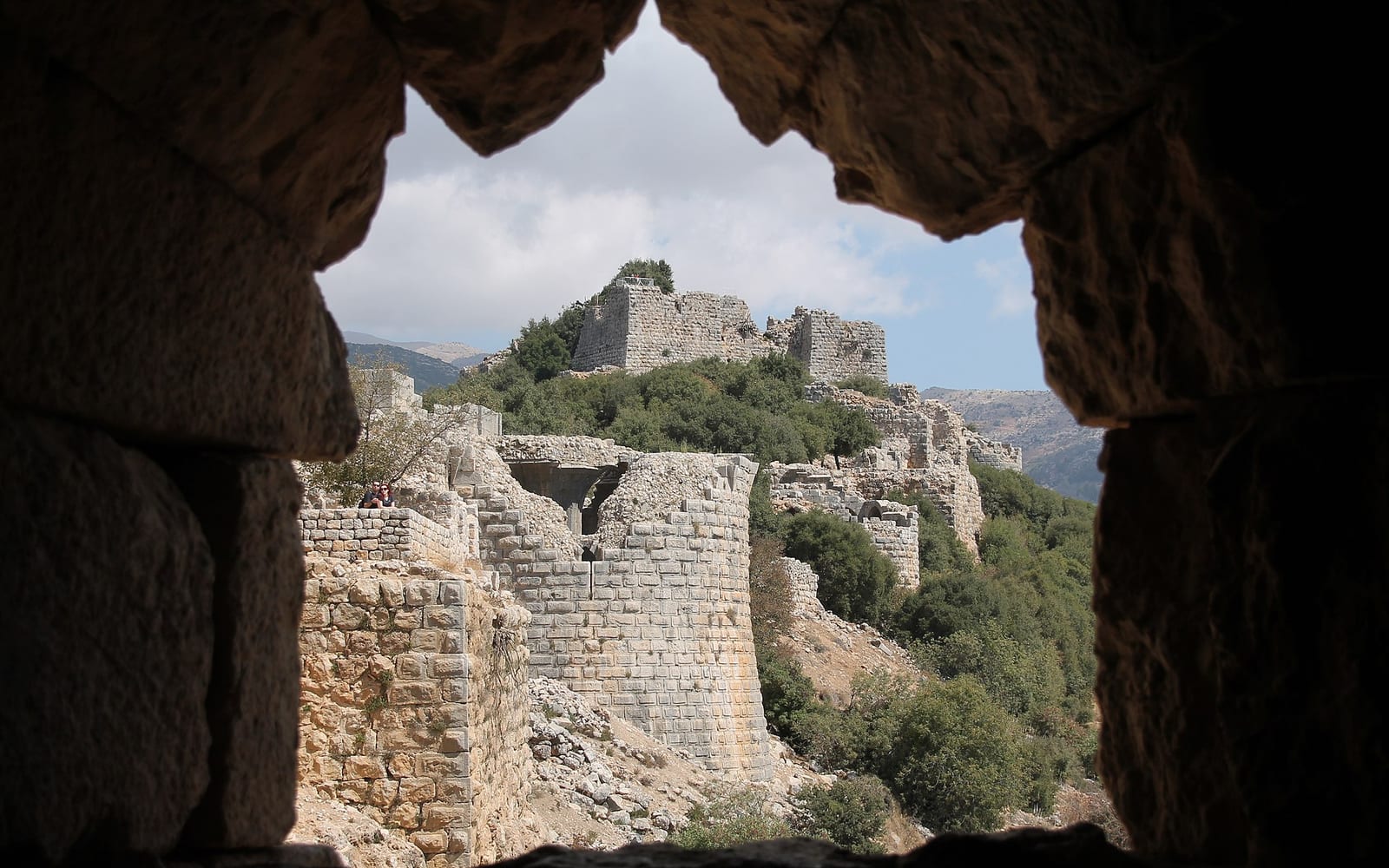
- Nimrod Fortress: The largest Crusader/Mamluk fortress in the Middle East, clinging to a ridge above the Banias. Pairs naturally with the Banias visit. INPA pass valid.
- Druze villages: Mas’ada, Majdal Shams, and Ein Kinya offer traditional Druze hospitality — flatbread from stone ovens, labane, and strong coffee. An authentic lunch that contrasts with the wine circuit.
- Valley of Tears memorial: The 1973 Yom Kippur War battlefield where 177 Israeli tanks held off 1,500 Syrian vehicles over three days. An outdoor tank museum with a powerful atmosphere.
- Gamla Nature Reserve: Extinct volcanic peak, Gamla city archaeological ruins, and Israel’s largest griffon vulture colony. An excellent half-day addition.
| Detail | Info |
|---|
| Distance from Tiberias | Katzrin ~35 min; Pelter Winery (north Golan) ~75 min |
| Distance from Tel Aviv | 2.5–3h by car (Route 6 north + Route 77 east) |
| Best seasons | Spring (Mar–May) and harvest (Sep–Oct); summer workable at altitude |
| Booking required? | Yes — all boutique wineries need advance booking; GHW visitor centre preferred |
| Tasting fees | Typically ₪60–120/person per winery; some waived with bottle purchase |
| Driving | Car essential; limited bus coverage within Golan plateau |
| Drink-drive limit | Israel: 0.05% BAC — designate a driver or book a guided tour |
| Shabbat hours | Many boutique wineries closed Saturday entirely; GHW closed Friday pm + Saturday |
| Golan political status | Israeli-administered; US-recognised 2019; most international bodies consider it occupied Syrian territory — see FAQ |
| Languages | English widely spoken at visitor-facing wineries |
See also: Golan Heights visitor guide · Israel wine & wineries guide · Judean Hills wine trail (Jerusalem) · Rosh Pina Upper Galilee wine village · Galilee vs Golan: which to visit · Car rental in Israel · Driving in Israel · Golan Heights tours compared · Druze villages Golan · Mount Bental