The Philippines is home to approximately 92 million Catholics — the third-largest Catholic population on earth — and Filipino Catholic pilgrimage to the Holy Land is one of the most significant and fastest-growing visitor segments in Israel. El Shaddai, Couples for Christ, the Catholic Charismatic Renewal, individual dioceses and Catholic travel agencies organise hundreds of group pilgrimage tours each year. This guide covers the essential practical information for Philippine passport holders: the ETA-IL requirement, flights from Manila, Catholic pilgrimage sites, health insurance abroad, banking and GCash, OFW-family visit logistics and safety contacts.
For the broader trip-planning picture, see the complete first-time visitor guide and the is Israel safe guide.
Entry requirements: ETA-IL for Philippine passport holders
Filipino citizens are on Israel’s visa-exempt list — you do not need a full visa. However, since January 2025, all visa-exempt nationals (including Filipinos) must obtain an Electronic Travel Authorisation (ETA-IL) before travelling to Israel.
Applying for the ETA-IL
- Apply at: iaa.gov.il — the official Israeli Airports Authority portal
- Fee: ₪25 (approximately ₱700 at recent exchange rates; fee is charged in shekels)
- Validity: 2 years, multiple entries
- Processing time: typically 72 hours to several days — apply at least one week before departure
- What you need: your passport number, date of birth, and basic travel details — no supporting documents are required for the ETA-IL itself
The ETA-IL is not a guarantee of entry. Israeli immigration officers at Ben Gurion Airport may ask about your travel purpose, accommodation details and return flight. Having your tour operator confirmation letter, hotel bookings and return ticket on your phone or printed will help the process go smoothly.
On arrival at Ben Gurion Airport
Filipino pilgrimage groups typically travel with a tour operator confirmation and church affiliation letter. This is helpful to present at immigration alongside your passport and ETA-IL confirmation. Immigration queues at Ben Gurion can be long — allow extra time if arriving on a busy international flight. Passport stamps: Israel no longer stamps passports by default; you will receive a paper entry card instead. Keep this card for the duration of your stay.
Flying from Manila to Israel
There is currently no direct non-stop service between Manila (MNL) and Tel Aviv (TLV). The most popular connections for Filipino travellers are via Gulf hubs:
| Hub | Main Carriers | Typical Total Journey Time |
|---|
| Dubai (DXB) | FlyDubai, Philippine Airlines | 15–17 hours |
| Doha (DOH) | Qatar Airways, Philippine Airlines | 14–16 hours |
| Abu Dhabi (AUH) | Etihad, Philippine Airlines | 15–17 hours |
| Bangkok (BKK) | Thai Airways | 16–20 hours |
| Bahrain (BAH) | Gulf Air | 15–18 hours |
FlyDubai via Dubai is a popular routing — FlyDubai (distinct from Emirates; both are Dubai government-owned) continues up to 10 daily DXB–TLV flights. Note: Emirates has permanently suspended its Tel Aviv service. Qatar Airways via Doha offers competitive fares and is widely used by pilgrimage groups.
El Al direct Manila service (October 2026)
El Al Israel Airlines has announced a direct TLV–Manila route planned for launch in October 2026 — the first-ever non-stop Israel–Philippines service. When operational, this will significantly reduce travel time and open more competitive fare options for Filipino travellers. Check elal.com for launch updates and booking status.
When to book
The cheapest fares from Manila to Tel Aviv are typically in January–February and October–November (outside Israel’s peak seasons and Jewish holidays). The most expensive windows are Passover/Holy Week (March–April), the Jewish High Holidays (September–October), the summer peak (July–August) and the Christmas–New Year period. See the cheap flights to Israel guide for airline comparison tools.
Catholic pilgrimage for Filipino travellers
Israel contains the most significant sites in Christian tradition, concentrated in a geography compact enough to visit in a single trip. Filipino pilgrimage tours typically run 8–14 days and follow a well-established circuit.
The core Holy Land pilgrimage circuit
Nazareth — Galilee Region:
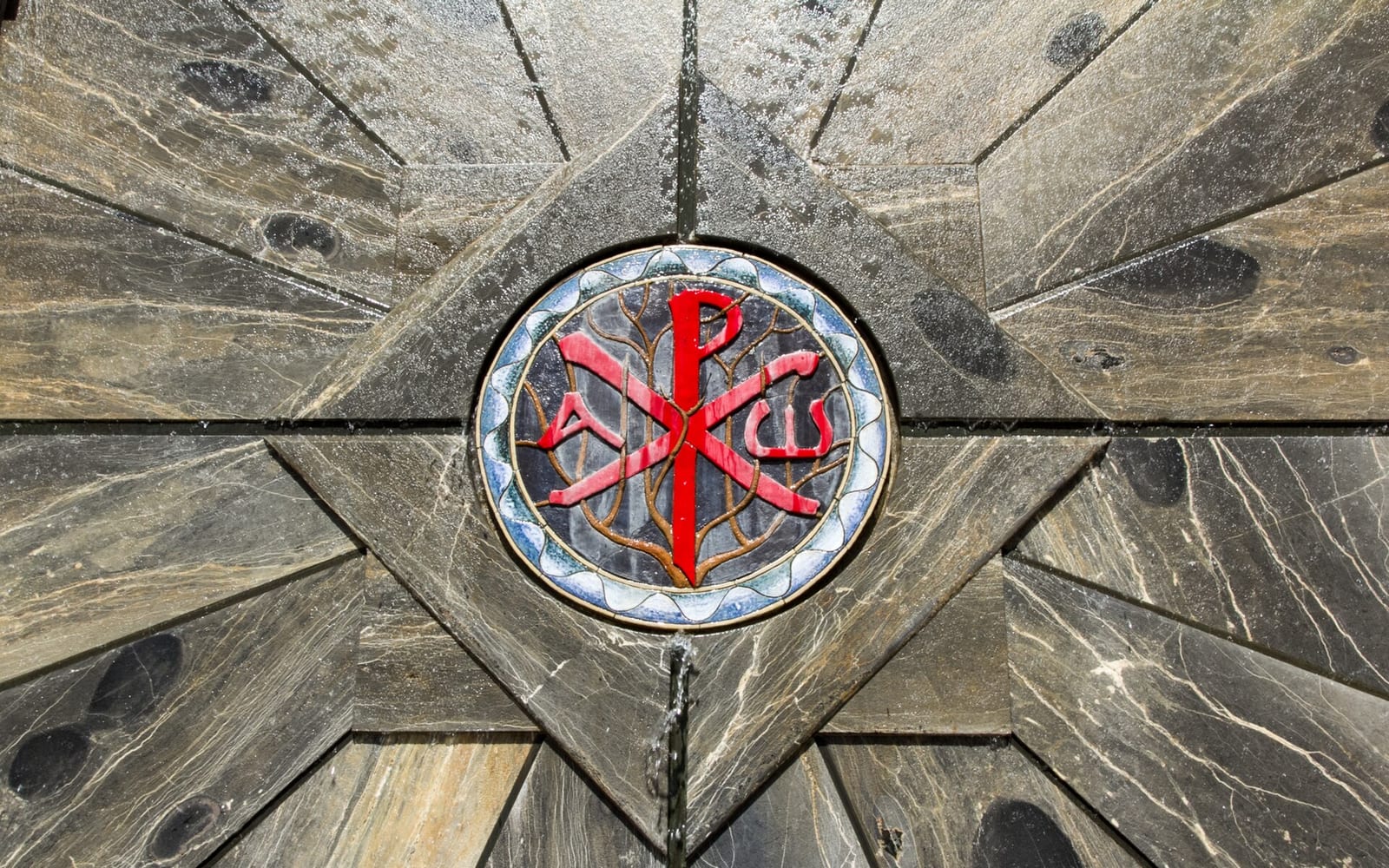
- Basilica of the Annunciation — the largest church in the Middle East, built over the site where the angel Gabriel is said to have appeared to Mary; remarkable Lower Church with international Marian art including a Filipino-donated panel from the Archdiocese of Manila
- Church of the Multiplication of Loaves and Fishes (Tabgha) — on the shore of the Sea of Galilee; remarkable 5th-century mosaic floor
- Church of the Beatitudes — hilltop chapel at the traditional site of the Sermon on the Mount; panoramic views over the Sea of Galilee
- Capernaum — ruins of the village where Jesus based his Galilean ministry; foundations of the synagogue where he is said to have preached
Sea of Galilee:
- Boat tour — a significant moment for many Filipino pilgrims; traditional wooden boats operate from Tiberias and Ginosar; during the voyage, guides read the calming-of-the-storm passage; pre-book through your tour operator
Jordan River — Yardenit Baptism Site:
- The most visited baptism site in Israel for Christian tourists; located at the southern end of the Sea of Galilee where the Jordan River exits
- Pilgrims may renew their baptismal vows or receive full immersion baptism in the Jordan River
- White robes are available for hire; the site is well-managed with changing facilities and lockers
- Free entry; donations accepted; a bookshop sells religious items
- Note: this is a commercial, organised site — the river at Yardenit is not the same location as the Baptism Site of Jesus (Qasr al-Yahud, on the West Bank side near Jericho, is the site many scholars associate with John the Baptist’s ministry — many pilgrimage itineraries include both)
Jerusalem:
- Via Dolorosa (14 Stations of the Cross) — the route Jesus walked carrying the cross through the Muslim Quarter and Old City to Golgotha; the journey is deeply moving for Filipino pilgrims; Franciscan friars lead a public procession every Friday at 3pm (times vary — confirm on arrival); the Via Dolorosa guide covers all 14 stations in detail
- Church of the Holy Sepulchre — the site of the crucifixion, burial and resurrection according to Christian tradition; the largest and most visited Christian site in the world; no entry fee; arrive before 8am or after 5pm to avoid peak crowds; several Christian denominations share custody of the church, including the Filipino-connected Franciscan Custody of the Holy Land
- Garden of Gethsemane — the ancient olive grove where Jesus prayed before his arrest; the Church of All Nations (Basilica of the Agony) stands adjacent; several of the olive trees are among the oldest in the world
Bethlehem (West Bank):
- Church of the Nativity — birthplace of Jesus; UNESCO World Heritage Site; located in Bethlehem in the Palestinian Authority, not Israel proper; most pilgrimage tours include Bethlehem as a day trip from Jerusalem; the checkpoint crossing at Rachel’s Crossing (Checkpoint 300) is straightforward for international tourists with valid passports; the Jerusalem–Bethlehem day trip guide covers the logistics
Other significant sites:
- Yad Vashem (Holocaust Memorial and Museum) — included in most Filipino pilgrimage itineraries; the experience is profoundly meaningful for Filipino pilgrims given the Philippines’ own history of wartime suffering and its role in sheltering Jewish refugees during WWII; free entry; the Children’s Memorial and Avenue of the Righteous are particularly moving
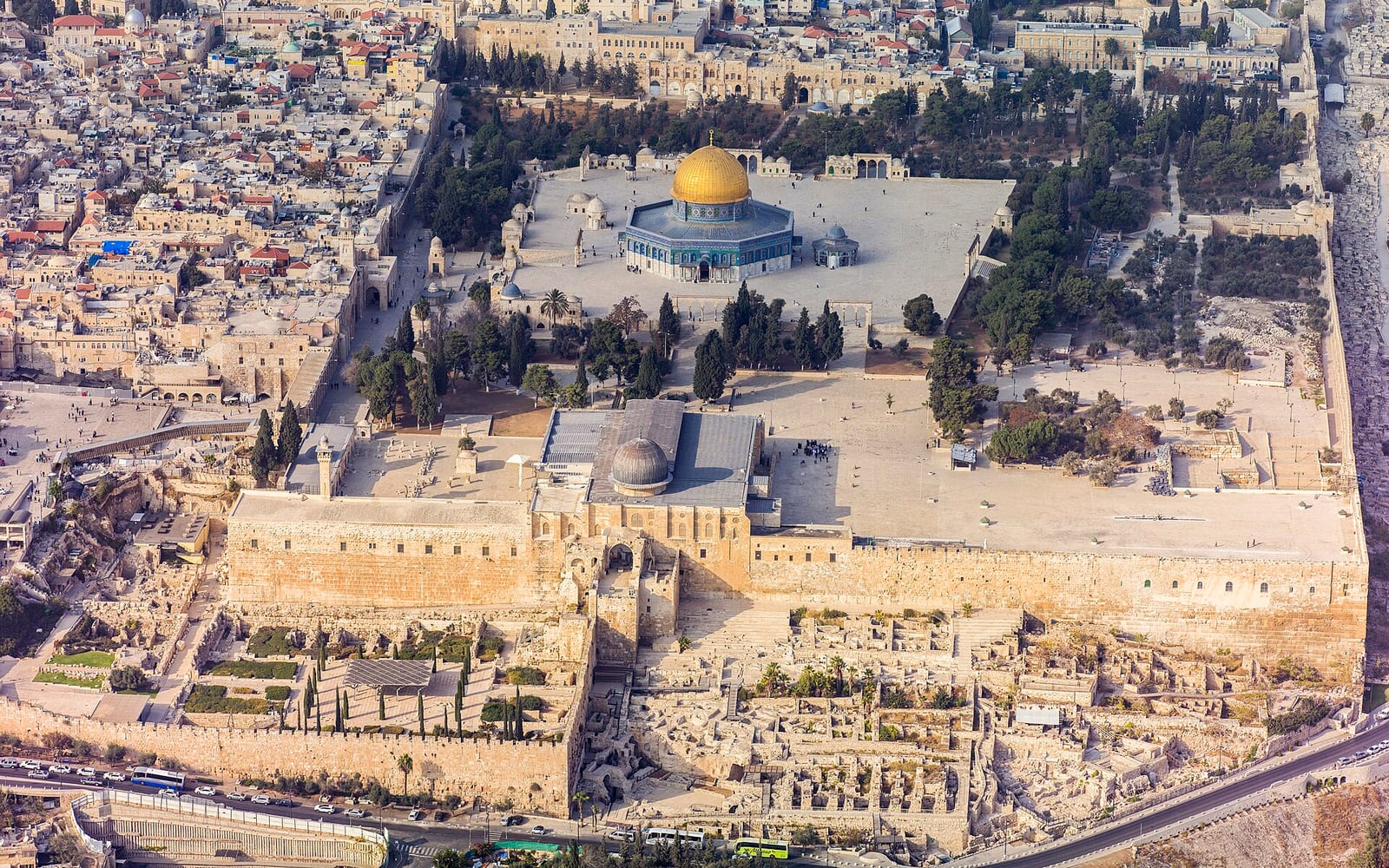
- Mount of Olives — panoramic viewpoint over the Old City and Temple Mount; the Church of the Pater Noster (Lord’s Prayer inscribed in 140 languages, including Tagalog and Cebuano); Jewish cemetery on the hillside; Dominus Flevit church (Jesus wept over Jerusalem)
Filipino Catholic pilgrimage organisations
Major Filipino Catholic movements that organise regular Holy Land pilgrimages include El Shaddai (DWXI-PPFI), Couples for Christ, the Catholic Charismatic Renewal of the Philippines, Focolare, and numerous diocesan-organised programmes. Parish priests and parish councils in Metro Manila, Cebu, Davao and Iloilo frequently organise group tours of 20–50 pilgrims. These group packages typically include licensed Israeli Ministry of Tourism guides, transport by coach, accommodation at pilgrim guesthouses or 3–4 star hotels, and pastoral leadership from a Filipino priest.
For individuals not travelling with an organised group, GetYourGuide and Viator offer guided Holy Land day tours with English-speaking licensed Israeli guides that cover the main Christian pilgrimage sites from Jerusalem or Tel Aviv.
OFW families visiting Israel
Israel has one of the largest Filipino Overseas Filipino Worker (OFW) communities in the Middle East — approximately 30,000 Filipinos work primarily as caregivers, nurses and domestic workers across Israel, concentrated in Tel Aviv and the surrounding metropolitan area.
Family members visiting OFW relatives should note:
- Arrival: Immigration officers at Ben Gurion Airport occasionally ask additional questions of visitors travelling to visit OFW relatives rather than on organised tours. Having contact details for your relative in Israel, their address, and any supporting documentation of your relationship is helpful
- Accommodation: OFW workers often live in their employer’s home and may not have independent accommodation to host visiting family. Plan for hotel or guesthouse accommodation — Booking.com and Airbnb have extensive options in Tel Aviv and Jerusalem
- POLO-OWWA assistance: The Philippine Overseas Labor Office (POLO) in Tel Aviv provides welfare services and assistance to Filipinos in Israel. The POLO-OWWA office can be contacted for emergency assistance, document authentication, and welfare cases. Philippine Embassy Tel Aviv address: 11 Abba Hillel Silver Street, Ramat Gan, Tel Aviv
- Extending your stay: The standard ETA-IL and visa-exempt entry permits up to 90 days. Extensions require application to the Israeli Population and Immigration Authority (PIBA) before the expiry date
Banking and payments: GCash does not work in Israel
This is one of the most important practical notes for Filipino travellers.
GCash International does NOT work in Israel. The GCash International service, which lets you use your GCash balance abroad via Mastercard, is not supported by Israeli payment terminals. Do not rely on GCash as your primary payment method.
What works in Israel
| Method | Works? | Notes |
|---|
| Visa / Mastercard (BDO, BPI, Metrobank, UnionBank) | ✓ Yes | Universally accepted; inform your bank before travel |
| Mastercard (Landbank, Security Bank) | ✓ Yes | Confirm international transactions are enabled |
| Maya (PayMaya) international Visa card | Check first | May work at POS — verify with Maya customer support |
| GCash International | ✗ No | Not supported in Israel |
| Google Pay / Apple Pay (linked to Visa or Mastercard) | ✓ Yes | Works on NFC terminals |
| Philippine PESO cash | ✗ No | Not exchanged in Israel; convert at the airport before departure or upon arrival |
Cash tips
- Withdraw New Israeli Shekel (₪) from Israeli ATMs using your Visa or Mastercard — select “charge in local currency (NIS)” to avoid dynamic currency conversion fees
- Carry approximately ₪200–400 in cash for markets, small shops, and shared taxis (sheruts)
- Airport exchange counters have poor rates — Bank Leumi and Bank Hapoalim ATMs inside city centres give better rates
- The approximate exchange rate at time of writing is ₪1 ≈ ₱28–30 — verify at XE.com before travel; this guide does not quote a fixed rate
Health insurance and medical coverage abroad
PhilHealth does not cover international medical costs
PhilHealth’s coverage is limited to accredited hospitals and clinics in the Philippines. A hospital stay or emergency treatment in Israel is not reimbursed by PhilHealth. Medical costs for uninsured tourists can be substantial.
For regular Filipino tourists
Take out a dedicated international travel insurance policy before departure. Options widely used in the Philippines:
- Manulife Philippines — international travel plans with medical, cancellation and baggage cover
- AXA Philippines — travel insurance with high medical limits
- Pioneer Insurance — international travel plans
- Pacific Cross — popular with OFW families and pilgrimage groups
Alternatively, international providers such as SafetyWing, World Nomads or Allianz Global Assistance cover Israel. Always confirm that Israel is explicitly listed as a covered destination in the policy wording given current geopolitical context.
For OFW families visiting relatives in Israel
OWWA (Overseas Workers Welfare Administration) provides limited medical benefits to documented OFWs. OWWA coverage is a welfare supplement and does not substitute for a comprehensive travel insurance policy. Visiting family members should take out their own independent travel insurance.
Mobile phones and connectivity
Philippine SIM cards (Globe, Smart, DITO) work in Israel on roaming. Roaming rates can be expensive — compare your carrier’s international roaming packs before departure. Globe and Smart both offer roaming add-ons for Israel; check current rates on their websites.
Better options for connectivity:
-
Israeli tourist SIM — available at Ben Gurion Airport arrivals hall from Golan Telecom and Hot Mobile kiosks, typically open around the clock. A 30-day unlimited-data SIM costs approximately ₪50–90 (~₱1,400–2,520) and includes calls within Israel. Your Philippine phone must be SIM-unlocked — check with Globe or Smart before travel; many Philippine handsets are carrier-locked
-
eSIM — providers such as Airalo or Nomad offer Israel data eSIMs activated on your phone before leaving the Philippines. Compatible with iPhone XS and later and many modern Android handsets. Lets you keep your Philippine number for SMS while having Israeli data
Power adapter
Israel uses Type H sockets — a unique three-flat-pin format (V-shape arrangement) not found anywhere else in the world.
The Philippines uses Type A/B sockets — the US-style flat-pin format. Philippine plugs do not fit Israeli sockets without an adapter.
Good news on voltage: the Philippines runs on 220V/50–60Hz and Israel on 230V/50Hz — the voltage ranges are compatible. Most modern phones, laptop chargers and camera chargers are marked “100–240V” and work in Israel with just a plug adapter (no voltage converter needed). Check the label on each device. The only devices that may need a converter are older appliances rated “220V only” without the 100–240V range — uncommon on modern electronics.
Buy a Type A/B to Type H adapter before leaving the Philippines — they are inexpensive at Lazada or Shopee and considerably cheaper than options at Ben Gurion Airport.
Embassy of Israel in the Philippines (Manila)
23/F Trafalgar Plaza, 105 H.V. dela Costa Street, Salcedo Village, Makati City, 1227 Metro Manila
Telephone: +63-2-8892-5329
Website: embassies.gov.il/manila
Philippine Embassy in Israel (Tel Aviv)
11 Abba Hillel Silver Street, Ramat Gan, Tel Aviv 5250607
Telephone: +972-3-613-0400
Emergency (OFW distress, 24h): Contact POLO-OWWA Tel Aviv via the Philippine Embassy
Philippine Overseas Labor Office (POLO) Tel Aviv
Co-located with the Philippine Embassy; provides OFW welfare, legal assistance, and document authentication services
Quick reference for Filipino travellers
| Item | Detail |
|---|
| Entry requirement | ETA-IL required (not a visa); apply at iaa.gov.il; ₪25 (~₱700); 72h+ before travel; 2-year multi-entry |
| Flights | No direct Manila–TLV yet; FlyDubai via Dubai (not Emirates — Emirates suspended TLV), Qatar via Doha, Etihad via Abu Dhabi; El Al direct planned Oct 2026 |
| Currency | New Israeli Shekel (₪); ₪1 ≈ ₱28–30 (verify at XE.com) |
| Payments | Visa/Mastercard (BDO, BPI, Metrobank) — GCash International not accepted |
| Power | Type H socket; 230V/50Hz — same voltage range as Philippines; plug adapter needed |
| Health insurance | PhilHealth not valid abroad; take out travel insurance; OWWA = supplement only |
| Mobile data | Local SIM (₪50–90) or eSIM recommended; Globe/Smart roaming available but check rates |
| Safety advisory | Check dfa.gov.ph/travel-advisory before booking and before departure |
| Emergency numbers | 100 (police), 101 (ambulance), 112 (works from Philippine SIM on roaming) |
| Philippine Embassy in Israel | 11 Abba Hillel Silver Street, Ramat Gan, Tel Aviv · +972-3-613-0400 |
Planning your Israel trip from the Philippines
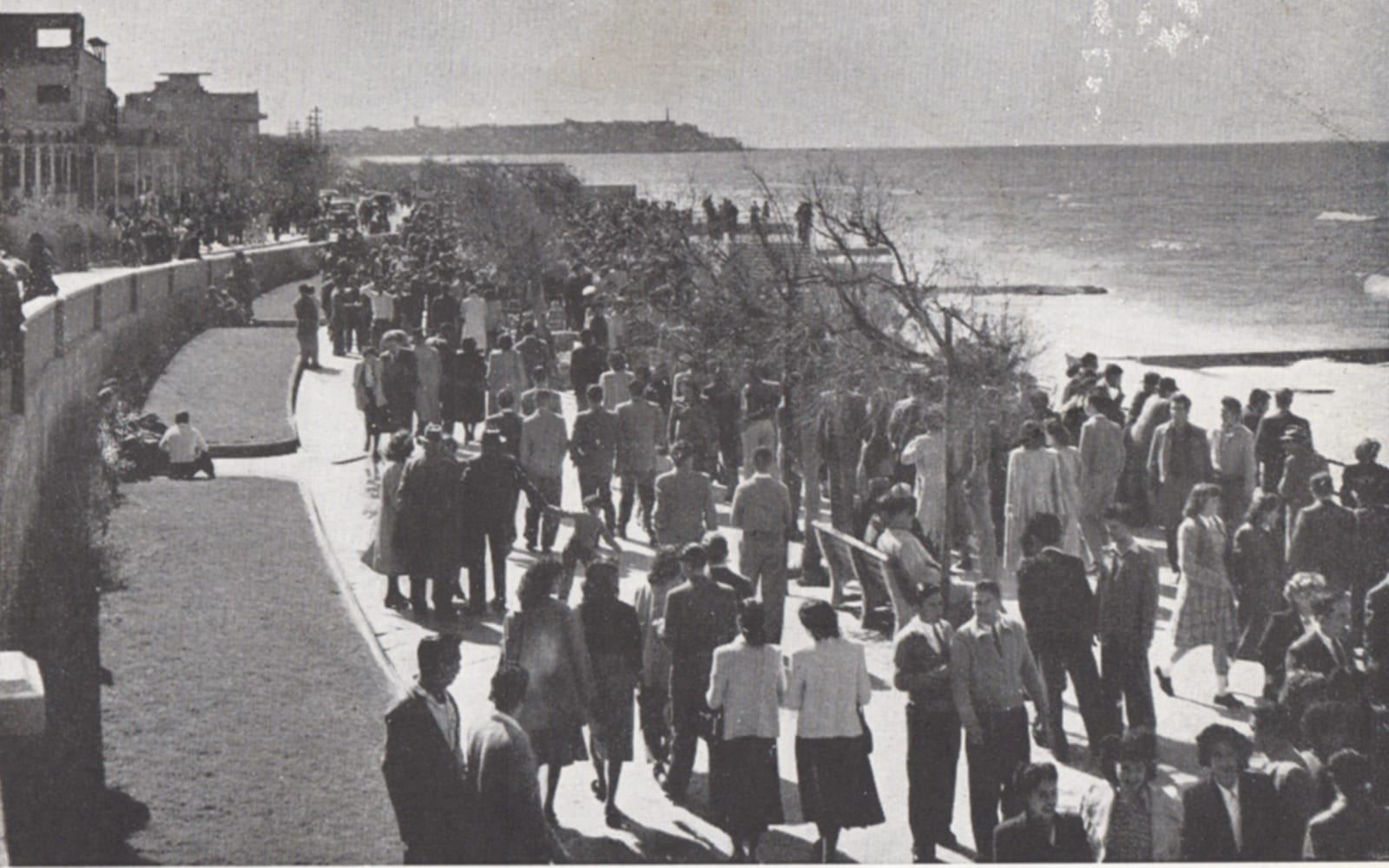
A 10–14 day pilgrimage itinerary covers the main Holy Land sites comfortably: 2–3 nights Jerusalem (Old City, Via Dolorosa, Church of the Holy Sepulchre, Garden of Gethsemane, Mount of Olives, Yad Vashem); a Galilee–Nazareth day or overnight (Basilica of the Annunciation, Sea of Galilee boat, Tabgha, Yardenit baptism); a Bethlehem morning (Church of the Nativity, Manger Square); and 1–2 nights Tel Aviv (Jaffa Old City, Mediterranean beaches, Carmel Market).
The 5 vs 7 vs 10 days guide helps calibrate the right trip length. For pilgrimage sites in depth, see the Christian pilgrimage Holy Land guide and the Via Dolorosa guide. For the Jordan River baptism, see the Jordan River baptism sites guide.