South Korea has approximately 29% Christian population — around 14 million Christians, with roughly 10 million Protestant — making it one of the world’s most prominent Christian nations per capita. Korean evangelical church culture places strong emphasis on the Holy Land as a pilgrimage destination: organised church group tours to Galilee, Jerusalem and the Jordan River are a well-established part of Korean Christian practice. This guide covers the essential practical information for South Korean passport holders: ETA-IL requirements, the new El Al direct Seoul–Tel Aviv service launching March 2027, evangelical pilgrimage logistics, health insurance, Korean payment methods and contacts.
For the broader trip-planning picture, see the complete first-time visitor guide and the is Israel safe guide.
Entry requirements: ETA-IL for Korean passport holders
South Korean citizens are on Israel’s visa-exempt list — you do not need a full visa. However, since January 2025, all visa-exempt nationals (including Koreans) must obtain an Electronic Travel Authorisation (ETA-IL) before travelling to Israel.
Applying for the ETA-IL
- Apply at: iaa.gov.il — the official Israeli Airports Authority portal
- Fee: ₪25 (approximately ₩9,000–10,000 at recent exchange rates; charged in shekels — verify the current KRW/ILS rate at XE.com before applying)
- Validity: 2 years, multiple entries
- Processing time: typically 72 hours to several days — apply at least one week before departure
- What you need: your passport number, date of birth and basic travel details — no supporting documents are required for the ETA-IL itself
The ETA-IL is not a guarantee of entry. Israeli immigration officers at Ben Gurion Airport may ask about your travel purpose, accommodation details and return flight. Having your hotel bookings and return ticket available on your phone or printed will help the process go smoothly. Korean-speaking assistance is not always available at immigration — carry your key information in English.
On arrival at Ben Gurion Airport
Korean church pilgrim groups typically travel with a tour operator confirmation letter and church group documentation — having this available alongside your passport and ETA-IL confirmation is helpful. Passport stamps: Israel no longer stamps passports by default; you receive a paper entry card instead. Keep this card for the duration of your stay.
Flying from Seoul to Israel
El Al direct service (27 March 2027)
El Al Israel Airlines is launching a direct non-stop service between Seoul Incheon International Airport (ICN) and Tel Aviv Ben Gurion Airport (TLV) starting 27 March 2027, operating 3 times per week (Mondays, Wednesdays and Saturdays) on a Boeing 787-9. This will be the first direct Israel–Korea service since Korean Air suspended its TLV route following October 2023. Check elal.com for booking availability as the launch date approaches.
Current connections (until the El Al direct launches)
Until 27 March 2027, the main routing options from Seoul are:
| Hub | Main Carriers | Typical Total Journey Time |
|---|
| Istanbul (IST) | Turkish Airlines | 14–16 hours |
| Hong Kong (HKG) | Cathay Pacific | 15–18 hours |
| Abu Dhabi (AUH) | Etihad | 15–18 hours |
| Dubai (DXB) | FlyDubai | 15–18 hours |
| Doha (DOH) | Qatar Airways | 15–17 hours |
Turkish Airlines via Istanbul is one of the most popular routings for Korean travellers given Turkish Airlines’ strong ICN frequency and short layover times at Istanbul Airport. Asiana Airlines and Korean Air code-share with partner carriers for connections to TLV.
When to book
The most affordable fares from Seoul to Tel Aviv are typically in January–February and October–November (outside Israel’s Jewish holiday peak seasons). The most expensive periods are Passover/Easter (March–April), Jewish High Holidays (September–October), the summer peak (July–August) and the December holiday window. See the cheap flights to Israel guide for airline comparison tools.
Evangelical Christian pilgrimage for Korean travellers
Israel contains the most significant sites in Christian tradition, concentrated in a geography compact enough to visit in a single trip. Korean evangelical pilgrimage tours typically run 8–14 days and follow a well-established circuit.
The core Holy Land pilgrimage circuit
Galilee Region:
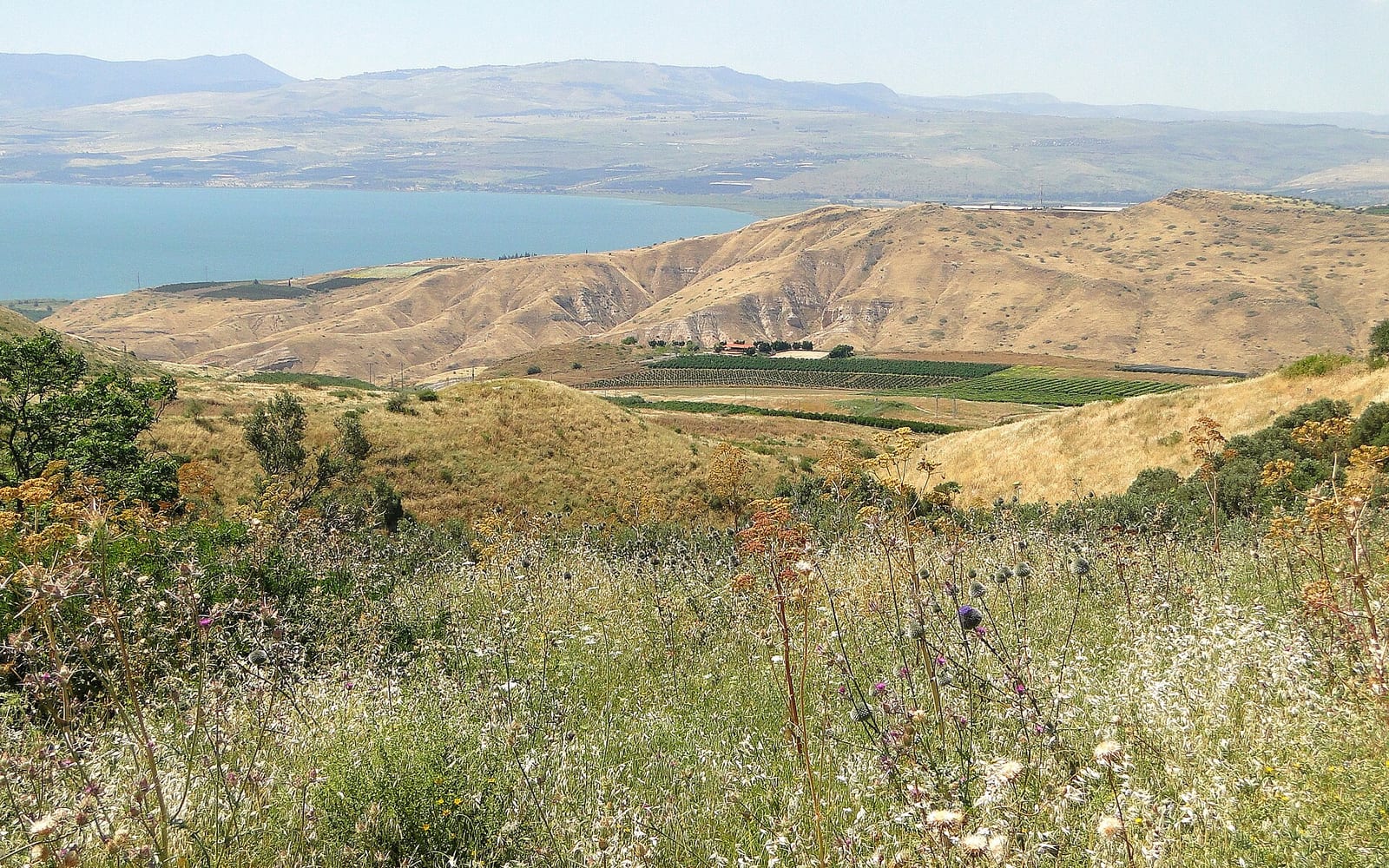
- Sea of Galilee (Kinneret) — the inland lake where Jesus conducted much of his ministry; traditional wooden boat tours operate from Tiberias and Ginosar; during the voyage, guides read the calming-of-the-storm passage; this experience resonates deeply with Korean pilgrims and is usually the emotional centrepiece of the Galilee day
- Church of the Beatitudes — hilltop chapel at the traditional site of the Sermon on the Mount; panoramic views over the Sea of Galilee; reflective atmosphere valued for quiet prayer and group devotionals
- Church of the Multiplication of Loaves and Fishes (Tabgha) — on the lake shore; remarkable 5th-century mosaic floor depicting the multiplication miracle; brief but moving visit
- Capernaum — ruins of the village that served as Jesus’ base for the Galilean ministry; octagonal Byzantine church covers the traditional site of Peter’s house; the ancient synagogue foundations where Jesus is said to have preached
Nazareth:
- Basilica of the Annunciation — the largest church in the Middle East, built over the traditional site of the Annunciation; the Lower Church contains international Marian artwork from around the world; Korean artists contributed a panel alongside contributions from Japan, the United States and other nations
Jordan River:
- Yardenit Baptism Site — the most visited baptism site in Israel for Christian tourists; located at the southern end of the Sea of Galilee where the Jordan River exits the lake; Korean pilgrims often renew baptismal vows or receive full-immersion baptism in the Jordan River; white robes are available for hire; the site is professionally managed with changing facilities, lockers and a bookshop; free entry, donations accepted; Korean-speaking guides are sometimes available through specialised Korean-Israeli tour operators — book in advance
- Qasr al-Yahud (optional extension) — the West Bank site many scholars associate with John the Baptist’s ministry and the actual baptism of Jesus; located near Jericho across the Jordan from Jordan; accessible on some itineraries; requires crossing checkpoint — coordinate with your tour operator
Jerusalem:
- Garden of Gethsemane — the ancient olive grove at the foot of the Mount of Olives where Jesus prayed before his arrest; the Church of All Nations (Basilica of the Agony) stands adjacent; several of the olive trees are thousands of years old; the site has deep resonance for Korean pilgrims who associate Christ’s anguish in the garden with prayerful intercession
- Via Dolorosa — the route through the Muslim Quarter of Jerusalem’s Old City along which Jesus walked carrying the cross to Golgotha; 14 stations marked; Franciscan friars lead a public procession every Friday at 3pm (times vary — confirm on arrival); the Via Dolorosa guide covers all 14 stations in detail
- Church of the Holy Sepulchre — built over the sites of the crucifixion, burial and resurrection according to Christian tradition; the most important church in Christendom; no entry fee; arrive before 8am or after 5pm to avoid peak crowds; several Christian denominations share custody; Korean evangelical groups typically focus on the Edicule (Jesus’ tomb) and Golgotha chapel
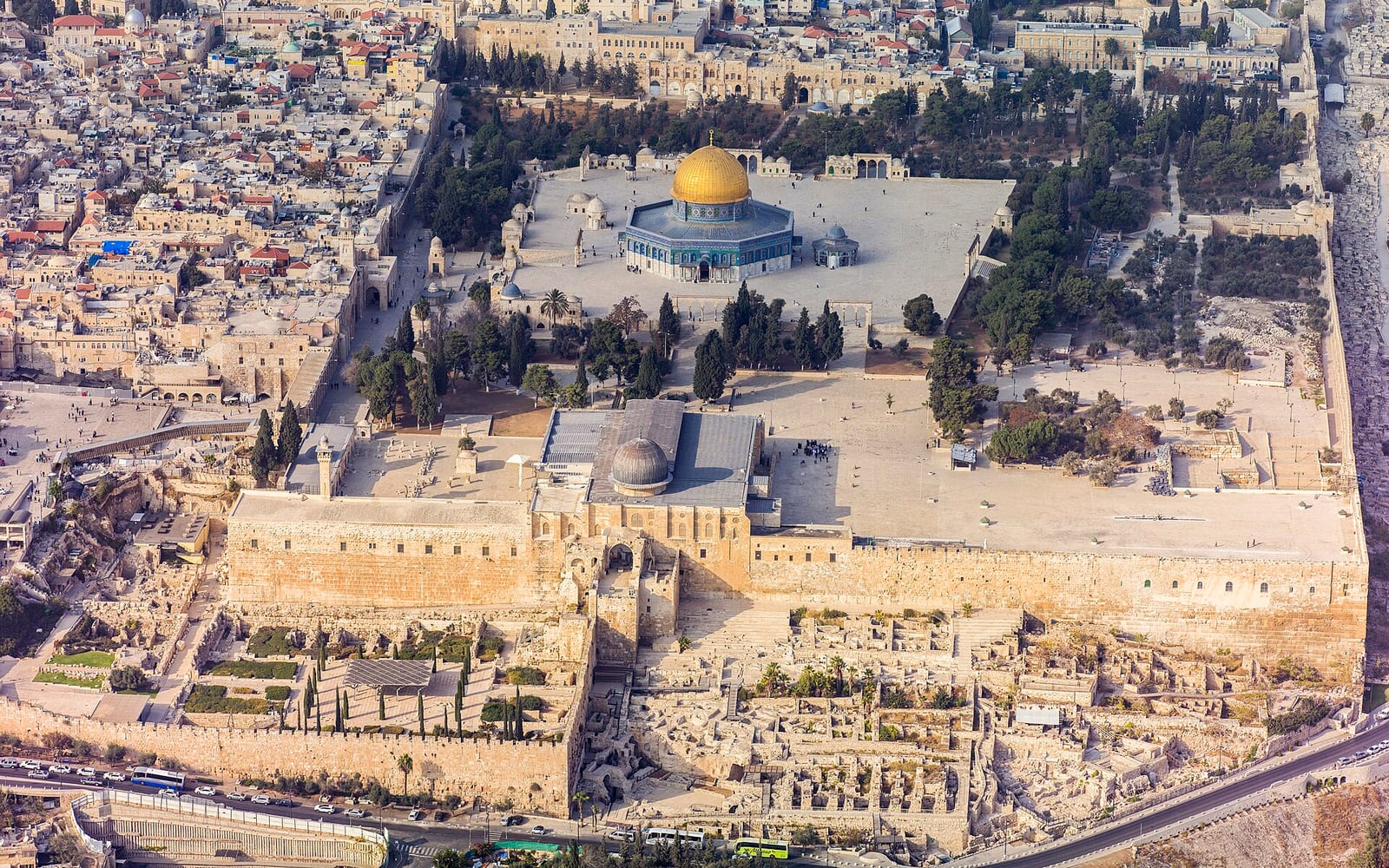
- Mount of Olives — panoramic viewpoint over the Old City and Temple Mount (Haram al-Sharif); the Church of the Pater Noster with the Lord’s Prayer inscribed in 140 languages; Dominus Flevit chapel (the teardrop-shaped church where Jesus wept over Jerusalem)
Yad Vashem — Holocaust Memorial and Museum:
Included in most Korean pilgrimage itineraries. Yad Vashem resonates particularly with Korean visitors who draw parallels between the Holocaust and Korea’s own experience of Japanese colonial occupation and the suffering of the Korean War. The Children’s Memorial and Avenue of the Righteous are frequently cited as the most moving parts of the visit. Free entry; advance reservations recommended for groups; closed Saturdays and Jewish holidays.
Bethlehem (West Bank):
- Church of the Nativity — the birthplace of Jesus; UNESCO World Heritage Site; located in Bethlehem in the Palestinian Authority, reachable as a half-day trip from Jerusalem; the checkpoint crossing at Rachel’s Crossing (Checkpoint 300) is straightforward for international tourists with valid passports and ETA-IL; the Jerusalem–Bethlehem day trip guide covers logistics in full
Korean church group pilgrimages
Major Korean Christian organisations that organise regular Holy Land pilgrimages include Yoido Full Gospel Church (여의도순복음교회 — one of the world’s largest single congregations), the Presbyterian Church of Korea, the Methodist Church of Korea, various Evangelical and Pentecostal denominations, and numerous individual megachurches. Korean pilgrimage groups typically travel with a Korean-speaking Israeli Ministry of Tourism-licensed guide, a Korean pastoral leader, and a licensed Korean travel agency managing logistics. Reputable Korean-Israel tour operators advertise directly on Korean Christian media and church networks.
For Koreans not travelling with an organised church group, GetYourGuide and Viator offer guided Holy Land day tours with English-speaking licensed Israeli guides from Jerusalem and Tel Aviv.
Korean payment methods in Israel
What works and what does not
| Payment Method | Works in Israel? | Notes |
|---|
| Visa / Mastercard (Korean bank cards) | ✓ Yes | KB국민, 신한, 하나, 우리, BC카드 — accepted at ATMs and card terminals |
| Samsung Pay (linked to Visa/Mastercard) | ✓ Sometimes | Works on NFC terminals if linked to international Visa/Mastercard; not universal |
| Apple Pay / Google Pay (Visa/Mastercard) | ✓ Yes | Works on NFC-enabled terminals |
| KakaoPay (카카오페이) | ✗ No | Korean domestic network only — not accepted in Israel |
| Naver Pay (네이버페이) | ✗ No | Korean domestic network only — not accepted in Israel |
| T-money (티머니 transit card) | ✗ No | Korean transit card; not accepted anywhere in Israel |
| Korean won (₩) cash | ✗ No | Not exchangeable in Israel — bring USD or EUR for cash exchange |
Cash tips
- Withdraw New Israeli Shekel (₪) from Israeli ATMs using your Visa or Mastercard — select “charge in local currency (NIS)” to avoid dynamic currency conversion fees
- Carry approximately ₪200–400 in cash for markets, small cafés, food stalls and shared taxis (sheruts)
- Bring USD or EUR cash if you want to exchange cash in Israel — Israeli exchange offices (cambios) accept USD and EUR readily but do not accept Korean won
- The approximate exchange rate at time of writing is ₪1 ≈ ₩380–400 — verify at XE.com before travel; this guide does not quote a fixed rate
Health insurance and medical coverage abroad
NHIS does not cover international medical costs
Korean National Health Insurance (국민건강보험, NHIS) provides coverage only within Korea. A hospital visit or emergency treatment in Israel is not covered by NHIS and will not be reimbursed. Medical costs for uninsured tourists can be very high.
Recommended Korean travel insurance providers
Overseas travel insurance (해외여행보험) is available from major Korean insurers before departure:
- KB Insurance (KB손해보험) — widely used; available via KB국민은행 or separately
- Samsung Fire & Marine Insurance (삼성화재) — strong international medical limits
- Hyundai Marine & Fire Insurance (현대해상) — popular with Korean travellers
- DB Insurance (DB손해보험) — competitive international travel plans
Many Korean Holy Land tour packages sold through 하나투어 (Hana Tour) and 모두투어 (Mode Tour) include bundled travel insurance — verify that the bundled policy explicitly covers Israel given current geopolitical context. International providers such as SafetyWing, World Nomads and Allianz Global Assistance also cover Israel.
Mobile phones and connectivity
Korean SIM cards (SKT, KT, LG U+) work in Israel on international roaming but rates can be expensive. Check your carrier’s international roaming add-on before departure.
Better options:
-
Israeli tourist SIM — available at Ben Gurion Airport arrivals hall from Golan Telecom and Hot Mobile kiosks, typically open around the clock; a 30-day unlimited-data SIM costs approximately ₪50–90 (~₩19,000–34,000); your Korean phone must be SIM-unlocked — check with your Korean carrier before travel
-
eSIM — providers such as Airalo or Nomad offer Israel data eSIMs you can activate before leaving Korea; compatible with iPhone XS and later and most modern Android handsets; lets you keep your Korean number active for incoming calls while having Israeli data
Power adapter
South Korea uses 220V/60Hz electricity with Type C/F plugs (two round pins, the standard European format). Israel uses 230V/50Hz with Type H sockets (three pins in a V-shape unique to Israel).
Voltage: Both countries run at approximately 220–230V, so the voltage is compatible. Your Korean chargers and electronics (phone chargers, laptop chargers, camera chargers) will work in Israel with just a plug adapter — no voltage converter is needed. Check the label on each device for the “100–240V” marking to confirm.
Adapter: You DO need a Type C/F to Type H plug adapter. Buy one in Korea before departure — widely available online (search ‘Type H adapter’ on Coupang or Naver Shopping) and considerably cheaper than purchasing at Ben Gurion Airport.
Embassy of Israel in Korea (Seoul)
46 Dobong Street, Seongbuk-gu, Seoul
Telephone: +82-2-3210-8500
Website: seoul.mfa.gov.il
Embassy of the Republic of Korea in Israel (Tel Aviv)
25 Yirmiyahu Street, Tel Aviv 6209101
Telephone: +972-3-696-1994
Email: israelemb@mofa.go.kr
Quick reference for Korean travellers
| Item | Detail |
|---|
| Entry requirement | ETA-IL required (not a visa); apply at iaa.gov.il; ₪25 (~₩9,000–10,000); 72h+ before travel; 2-year multi-entry |
| Flights | El Al direct ICN→TLV launching 27 March 2027, 3×/week; Turkish Airlines via IST available now |
| Currency | New Israeli Shekel (₪); ₪1 ≈ ₩380–400 (verify at XE.com) |
| Payments | Visa/Mastercard Korean bank cards — KakaoPay / Naver Pay / T-money not accepted |
| Power | Type H socket; 230V/50Hz — same voltage range as Korea; plug adapter (C/F→H) needed |
| Health insurance | NHIS not valid abroad; take out 해외여행보험 before departure |
| Mobile data | Local SIM (₪50–90) or eSIM recommended; Korean carriers on roaming are expensive |
| Safety advisory | Check 0404.go.kr (Korean MoFA) before booking and before departure |
| Emergency numbers | 100 (police), 101 (ambulance), 102 (fire), 112 (works from Korean SIM on roaming) |
| Korean Embassy in Israel | 25 Yirmiyahu Street, Tel Aviv · +972-3-696-1994 |
Planning your Israel trip from Korea
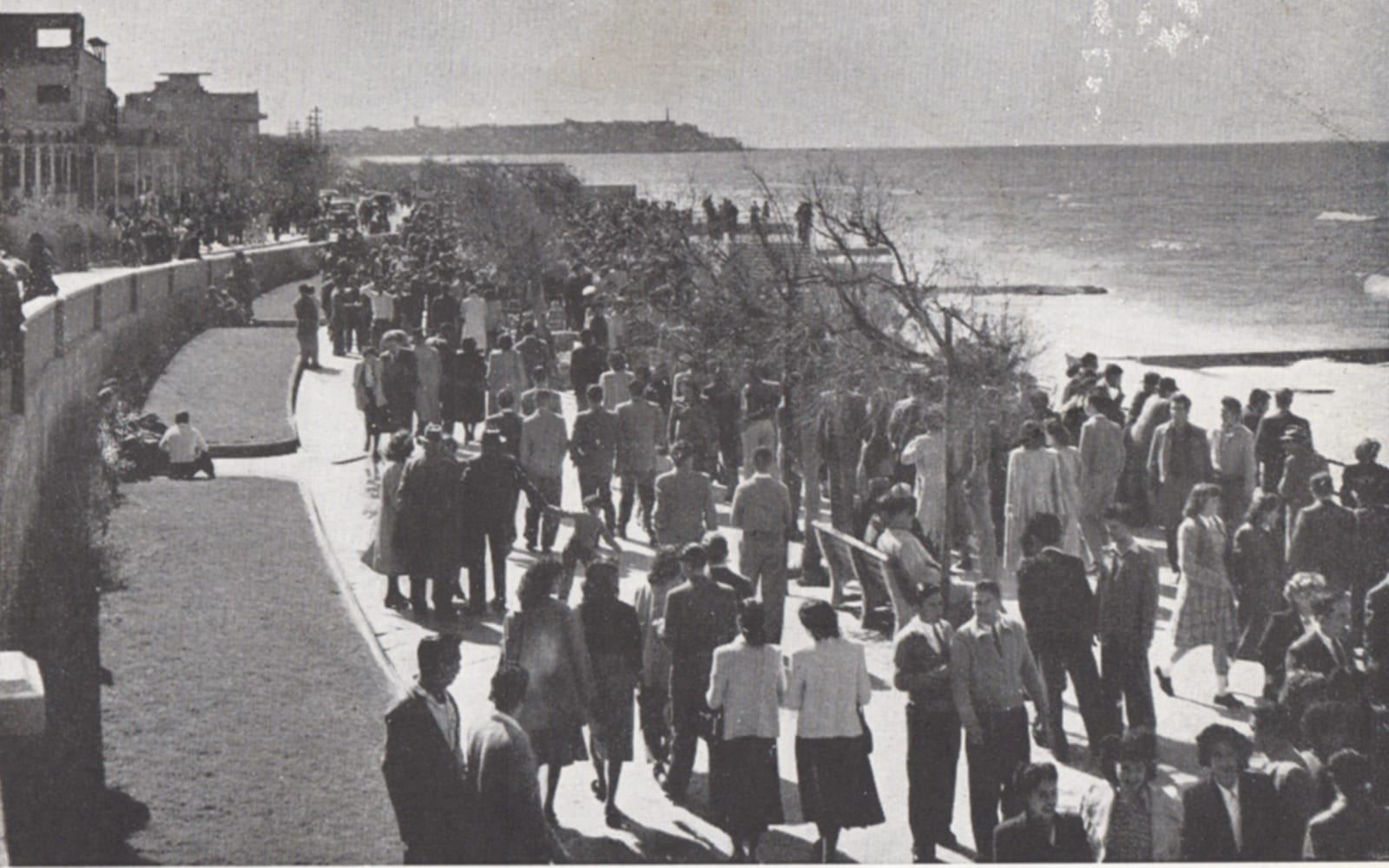
A 10–14 day pilgrimage itinerary covers the main Holy Land sites comfortably: 2–3 nights Jerusalem (Via Dolorosa, Church of the Holy Sepulchre, Garden of Gethsemane, Mount of Olives, Yad Vashem); a Galilee–Nazareth day or overnight (Sea of Galilee boat tour, Church of the Beatitudes, Capernaum, Nazareth, Yardenit baptism); a Bethlehem morning (Church of the Nativity); and 1–2 nights Tel Aviv (Jaffa Old City, Mediterranean coast, Carmel Market).
The 5 vs 7 vs 10 days guide helps calibrate the right trip length. For pilgrimage sites in depth, see the Christian pilgrimage Holy Land guide. For the Jordan River baptism in detail, see the Jordan River baptism sites guide. For getting around Israel, see the Israel transportation guide.