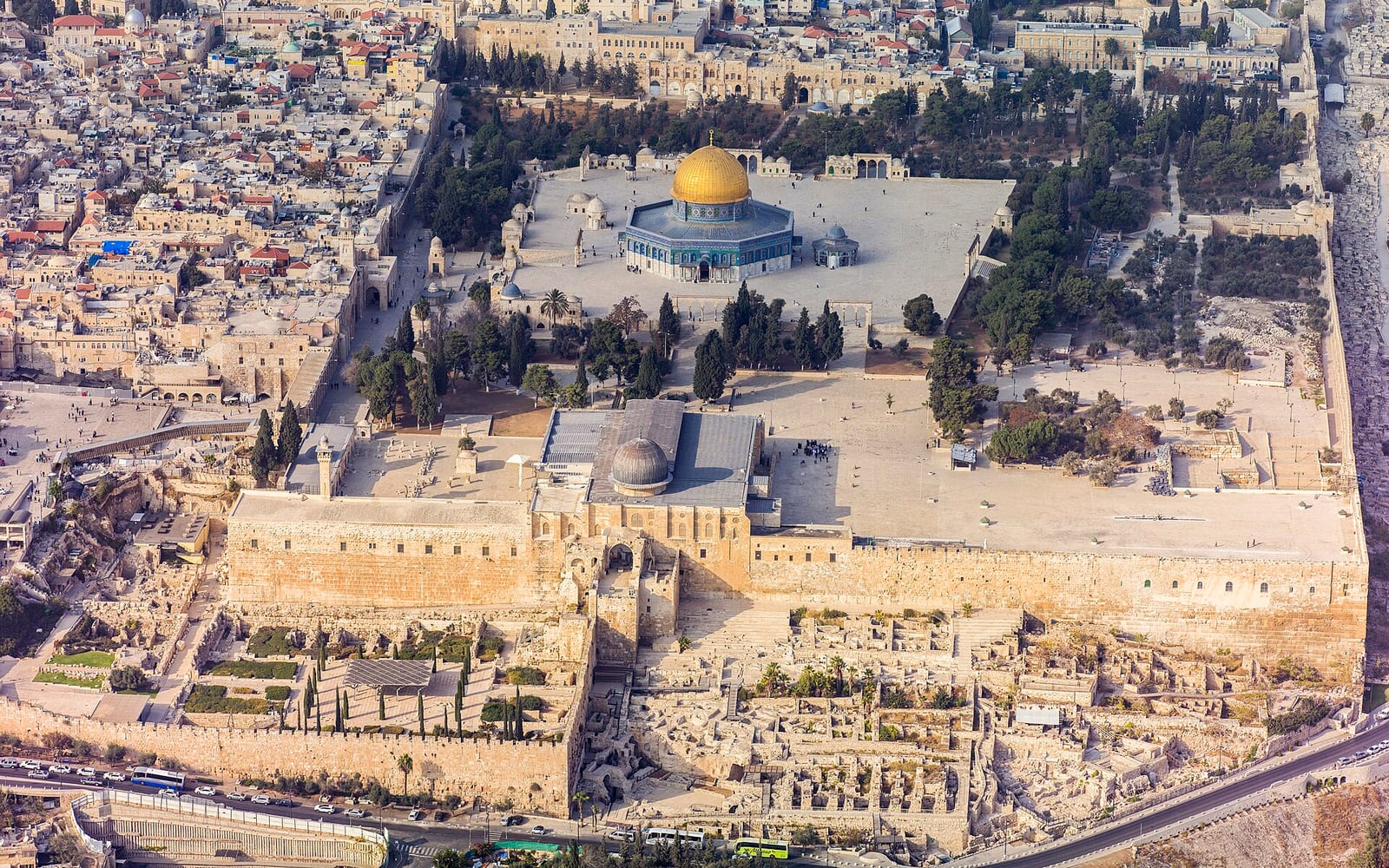
Nepal and Israel are separated by thousands of kilometres, but they share a profound connection for the significant Christian and Buddhist communities in Nepal who make the Holy Land one of the world’s most meaningful pilgrimage destinations. This guide covers everything Nepali passport holders need to know before travelling to Israel — particularly the B/2 Tourist Visa process (the most critical planning step, since Nepal is not on Israel’s ETA-IL eligible list), flights via Middle Eastern hubs, pilgrimage sites, currency, power adapters and health insurance.
For the broader trip-planning picture, see the complete first-time visitor guide and the is Israel safe guide.
Entry requirements: B/2 Tourist Visa for Nepali passport holders
This is the single most important section of this guide. Nepal is not on Israel’s ETA-IL eligible countries list.
The ETA-IL (Electronic Travel Authorisation) is an online pre-clearance system used by approximately 96 nationalities — primarily European, North American and some Asian countries. Nepali citizens are not eligible for the ETA-IL and cannot apply through the iaa.gov.il portal used by eligible nationalities.
Nepali passport holders must apply for a B/2 Tourist Visa through the Embassy of Israel in Nepal before travelling.
The B/2 Tourist Visa application process
| Item | Detail |
|---|
| Where to apply | Embassy of Israel in Nepal, Lazimpat, Kathmandu (verify current address at embassies.gov.il/nepal) |
| Visa type | B/2 Tourist and Visitor Visa |
| Processing time | Typically 5–15 working days; allow more time during Israeli public holidays |
| Validity | Typically single-entry or limited-entry; confirm with the embassy |
| Recommended lead time | Apply at least 4–6 weeks before travel |
Documents typically required
- Valid Nepali passport with at least 6 months’ validity beyond your planned return date
- Completed visa application form (available from the embassy)
- Recent passport-size photograph
- Confirmed hotel booking or accommodation invitation letter
- Confirmed return airline ticket or flight itinerary
- Bank statements for the past 3 months showing sufficient funds
- Travel insurance covering the full duration of stay in Israel
- A brief cover letter explaining the purpose of your visit
Honesty note: Visa requirements, fees and document lists can change. Always verify current requirements directly with the Embassy of Israel in Nepal at embassies.gov.il/nepal before submitting your application. This guide reflects publicly available information but is not a substitute for the embassy’s official guidance.
On arrival at Ben Gurion Airport
Israeli immigration officers may ask about your travel purpose, accommodation and return flight. Have your hotel booking, return ticket and visa approval accessible on your phone or as printed copies. Israel generally does not stamp foreign passports — you receive a small entry card instead. Keep this card throughout your stay.
For a full overview of Israel’s entry process, see the visa and entry requirements guide.
Flights from Nepal to Israel
There are no direct flights between Kathmandu’s Tribhuvan International Airport (KTM) and Tel Aviv Ben Gurion (TLV). All Nepali travellers connect through a Middle Eastern or South Asian hub.
| Route | Carrier | Approximate Total Journey Time |
|---|
| Kathmandu (KTM) → Dubai (DXB) → Tel Aviv (TLV) | Flydubai / Emirates | ~9–11 hours |
| Kathmandu (KTM) → Doha (DOH) → Tel Aviv (TLV) | Qatar Airways | ~9–12 hours |
| Kathmandu (KTM) → Abu Dhabi (AUH) → Tel Aviv (TLV) | Etihad Airways | ~10–12 hours |
| Kathmandu (KTM) → Bangkok (BKK) → Tel Aviv (TLV) | Israir (summer) / El Al via Bangkok | ~12–14 hours |
Journey times are approximate and depend on connection duration. Check current routes and fares at Google Flights or Skyscanner — seasonal availability and pricing vary significantly. Fares are typically most competitive when booked 6–10 weeks in advance. The Dubai routing via Flydubai or Emirates tends to offer the highest frequency and flexibility.
See the cheap flights to Israel guide for broader strategies on finding competitive fares to Tel Aviv.
Pilgrimage and religious sites for Nepali visitors
Nepal has a significant Christian community of approximately 2 million, predominantly Catholic and Protestant evangelical, for whom Israel and the Holy Land represent the most sacred pilgrimage destination in the world. Nepal also has a substantial Buddhist community with growing interest in peace-pilgrimage visits to Jerusalem.
Christian pilgrimage highlights
Jerusalem (3–4 days minimum):
- Church of the Holy Sepulchre — built over the site identified as Golgotha (the crucifixion) and the tomb of Christ; shared by six Christian denominations including Catholic, Greek Orthodox and Armenian; open daily, free entry; one of Christianity’s holiest sites
- Via Dolorosa — the 14 Stations of the Cross through the Old City’s Muslim Quarter; the Franciscan Order leads a public procession every Friday afternoon (approximately 15:00); an intensely moving experience for Christian pilgrims
- Garden Tomb — an alternative site venerated by Protestant denominations as the possible tomb of Christ; a quieter, more contemplative site than the Church of the Holy Sepulchre; free entry
- Mount of Olives — the Garden of Gethsemane (where Jesus prayed before his arrest), the Church of All Nations, and the panoramic view of the Old City walls from the hillside
Bethlehem (day trip from Jerusalem):
- Church of the Nativity — built over the traditional birthplace of Jesus; approximately 10 km south of Jerusalem in Palestinian-administered Bethlehem; accessible by taxi or organised tour from Jerusalem; the grotto beneath the altar is the site of the nativity manger; admission free but queues can be long
- Jerusalem–Bethlehem tours are a standard day trip for pilgrims; see the Christian pilgrimage Holy Land guide for a full multi-day pilgrimage itinerary
Galilee (2 days):
- Yardenit Baptism Site — on the Jordan River near Tiberias; the most popular baptism site in Israel; robes available to rent; open daily; a deeply meaningful experience for Christian pilgrims
- Church of the Annunciation, Nazareth — where the Angel Gabriel announced the birth of Jesus to Mary; the largest church in the Middle East; Nazareth is approximately 1.5 hours by car from Jerusalem
- Sea of Galilee — where Jesus carried out much of his ministry; boat trips from Tiberias; the Mount of Beatitudes, Tabgha (multiplication of loaves and fishes) and Capernaum are all nearby
Buddhist pilgrimage and peace visits
Israel does not have major Buddhist temples or shrines in the traditional sense, but Jerusalem holds significant resonance for Buddhist pilgrims from a number of Tibetan and Himalayan Buddhist traditions. The Dalai Lama has spoken publicly about Jerusalem as one of the world’s most sacred cities — a place of shared spiritual gravity across traditions. Several interfaith peace-pilgrimage organisations that include Buddhist communities offer guided visits to Jerusalem’s holy sites in a spirit of compassionate witness and intercultural encounter.
Nepali Buddhist pilgrims visiting Israel typically include Jerusalem’s Old City as the focal point, with visits to the Old City’s multiple places of prayer, contemplative walks on the Via Dolorosa, and visits to the Mount of Olives overlook.
Payments and banking
Nepali Rupees (NPR) cannot be exchanged in Israel. Israeli exchange bureaux and banks do not trade NPR.
Before and on arrival
- Convert Nepali Rupees to US Dollars (USD) in Kathmandu at Tribhuvan International Airport, Thamel money-changers or your bank before departure
- Exchange USD to New Israeli Shekels (₪) at Ben Gurion Airport exchange counters on arrival, or at change bureaux in Jerusalem’s city centre or Ben Yehuda Street
- Withdraw ₪ directly from Israeli ATMs using a Nepali Visa or Mastercard — select “charge in local currency (NIS)” when prompted to avoid dynamic currency conversion markup
- Inform your Nepali bank in advance that you will be using your card internationally
| Payment method | Works in Israel? | Notes |
|---|
| Visa / Mastercard (Nepali banks: Himalayan Bank, NIC Asia, Nabil, etc.) | ✓ Usually | Verify international availability with your bank; some cooperative/rural banks restrict international use |
| Cash USD / EUR | ✓ Exchangeable | Easiest pre-departure option |
| Nepali Rupee (NPR) cash | ✗ No | Not exchangeable in Israel |
| eSewa / Khalti / IME Pay | ✗ No | Not supported on Israeli terminals |
Carry approximately ₪200–400 in cash for markets, shared sherut taxis, entrance fees and smaller establishments. For the current NPR/ILS exchange rate, check xe.com before travel — this guide does not quote a fixed rate.
Power adapter
Israel uses Type H sockets — a unique three-pin flat-blade configuration found almost exclusively in Israel and is not standard elsewhere.
Nepal uses Type C and Type D sockets (round two-pin or round three-pin). Nepali plugs do not fit Israeli sockets without an adapter.
Voltage is compatible: Nepal operates at 220–240V/50Hz and Israel at 230V/50Hz — the same voltage range. Modern phones, laptop chargers and camera chargers are typically rated “100–240V” and require only a plug adapter, not a voltage transformer. Check the label on each device before relying on this. Type C-to-Type H or Type D-to-Type H adapters are available in Thamel electronics shops in Kathmandu and at Ben Gurion Airport arrivals (airport prices are considerably higher).
Health insurance
Nepal does not have a reciprocal health insurance agreement with Israel. Medical treatment for uninsured tourists in Israel can be expensive — an emergency room visit or overnight hospitalisation may cost several thousand shekels (several hundred US dollars or more).
Take out an international travel insurance policy with emergency medical cover, hospitalisation, medical evacuation and trip-interruption benefits before departure. Confirm that Israel is explicitly listed as a covered destination in the policy wording. Travel insurance providers popular among Nepali and South Asian travellers include SafetyWing Nomad Insurance (affordable monthly plans popular with budget travellers), World Nomads and Allianz Travel.
Mobile connectivity
Nepali SIM cards (Ncell, Nepal Telecom) have limited international roaming agreements. Verify your carrier’s Israel roaming rates before departure — roaming charges can be high and may not be available at all.
Better options for Israel connectivity:
- Israeli tourist SIM — available at Ben Gurion Airport arrivals from Golan Telecom and Hot Mobile kiosks (typically open around the clock). A 30-day unlimited-data SIM costs approximately ₪50–90; your Nepali phone must be SIM-unlocked to use it
- eSIM — providers such as Airalo, Nomad or Holafly offer Israel data eSIMs; activate before leaving Kathmandu on compatible handsets (iPhone XS or later, many Android flagships)
Embassy of Israel in Nepal (Kathmandu)
Lazimpat, Kathmandu
Website: embassies.gov.il/nepal
Verify the current address, phone number, opening hours and appointment requirements directly with the embassy before visiting — consular office details can change.
Embassy of Nepal in Israel (Tel Aviv)
Verify the current address and consular contact details at nepaliembassy.org or through the Government of Nepal Ministry of Foreign Affairs. Nepal maintains diplomatic representation in Israel; contact the embassy for emergency consular assistance during your trip.
Quick reference for Nepali travellers
| Item | Detail |
|---|
| Entry requirement | B/2 Tourist Visa required — apply through the Embassy of Israel in Kathmandu (iaa.gov.il/nepal); not ETA-IL; allow 4–6 weeks |
| Flights | No direct flights — connect via Dubai (Flydubai/Emirates), Doha (Qatar Airways), Abu Dhabi (Etihad), or Bangkok; approximately 9–12 hours total |
| Currency | New Israeli Shekel (₪); NPR not exchangeable — bring USD or withdraw NIS from Israeli ATMs on arrival |
| Payments | Visa/Mastercard from Nepali banks (verify international access); eSewa/Khalti not accepted |
| Power | Type H socket; 230V/50Hz — same voltage as Nepal; plug adapter needed (Type C/D → Type H) |
| Health insurance | No Nepal–Israel reciprocal agreement; purchase international travel insurance with Israel coverage |
| Mobile data | Israeli SIM (₪50–90) or eSIM recommended; Ncell/NTC roaming limited — verify rates |
| Embassy of Israel | Lazimpat, Kathmandu — verify current details at embassies.gov.il/nepal |
| Emergency numbers | 100 (police), 101 (ambulance), 102 (fire), 112 (national emergency) |
Planning your Israel trip from Nepal
A 7–10 day pilgrimage itinerary from Kathmandu covers the main Christian Holy Land sites comfortably: 3–4 nights Jerusalem (Old City, Western Wall, Via Dolorosa, Church of the Holy Sepulchre, Garden of Gethsemane, Mount of Olives, Yad Vashem Holocaust Memorial); 1–2 nights Bethlehem area (Church of the Nativity day trip or overnight); 2 nights Galilee / Tiberias area (Yardenit baptism, Nazareth, Sea of Galilee, Church of the Annunciation); and an optional Dead Sea afternoon (the lowest point on Earth, about 1 hour from Jerusalem).
Most Nepali Christian pilgrimage groups travel to Israel with an organised tour operator based in Nepal — this provides visa assistance, group visa support, guided access to Christian sites and Nepali-speaking group leaders. Independent travel is possible but requires more planning, particularly around the B/2 visa process.
For the complete Christian pilgrimage itinerary, see the Holy Land pilgrimage guide. For budget planning, see the Israel cost and budget guide. For the latest safety situation, see the is Israel safe guide.