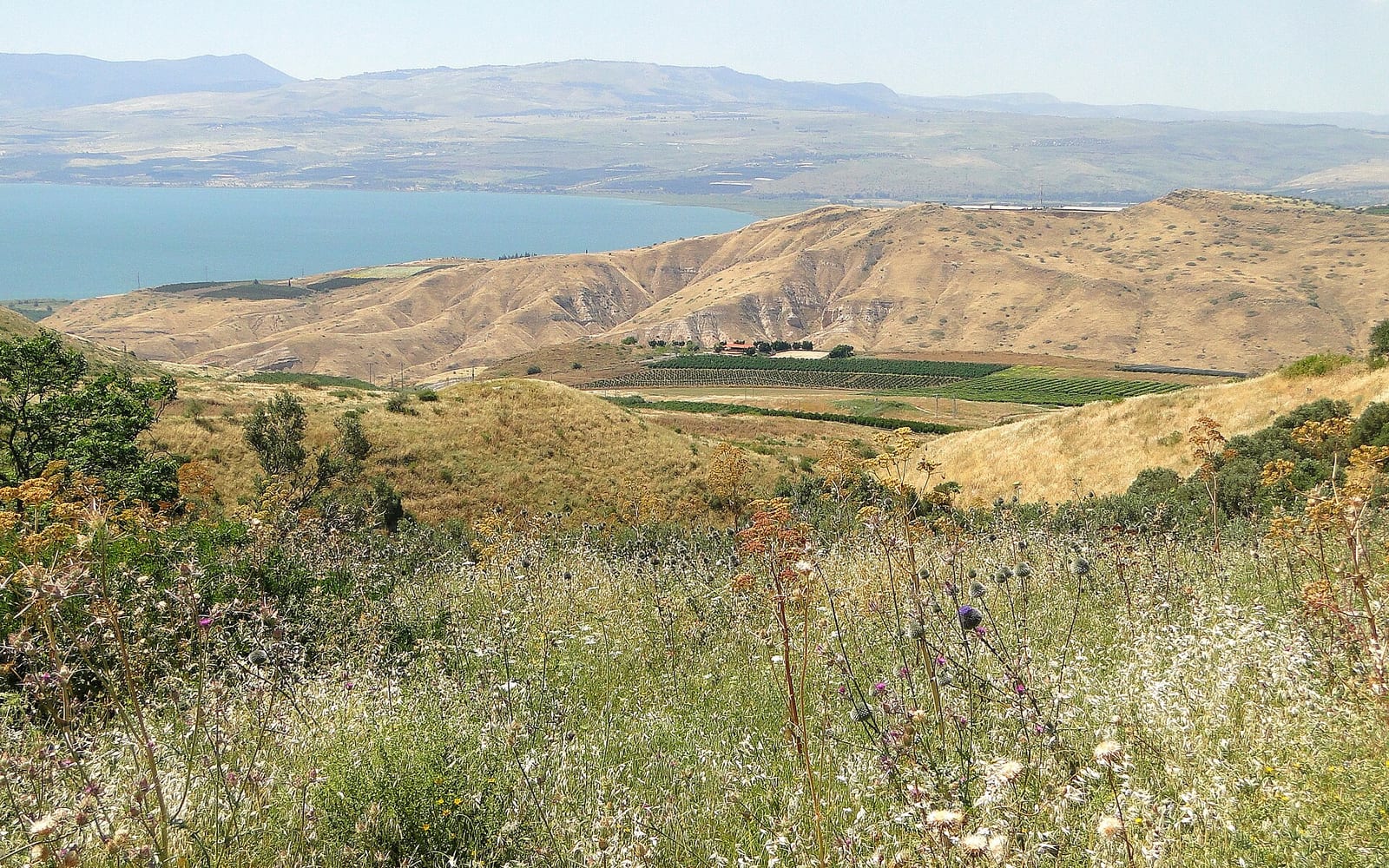
The Upper Jordan River is one of the most scenic rivers in the Middle East, and one of the few places in Israel where you can spend a full day outdoors on the water without heading to the coast. Flowing south from the foot of Mount Hermon through the green Hula Valley, the river is fed by snowmelt and powerful springs and runs clear through dense riparian forest before emptying into the Sea of Galilee. Two kibbutz-based operators — Kfar Blum and HaGoshrim — have been running guided and self-guided kayak routes on the Upper Jordan for decades, and between April and September they are among the most popular outdoor day trips in the entire north of Israel.
This is not whitewater kayaking. The Upper Jordan is a calm Class I river — perfect for paddlers of all experience levels, families with children and anyone who simply wants a few hours on the water in genuinely beautiful surroundings.
The two main kayak operators
Kfar Blum Kayaks
Kfar Blum kibbutz, founded in 1943 by English-speaking immigrants, sits directly on the Upper Jordan and has operated its kayak centre for over 30 years. It offers several route options ranging from a short 3 km family circuit to a full 8 km downstream paddle through the most scenic stretches of the Hula Valley. The 8 km route is the most popular choice for adults: it runs through forest, past waterfalls and over small natural rapids (genuinely mild — no skill required), and takes around two to three hours at an easy pace. Shuttle buses return paddlers to the start.
Kfar Blum’s site is open from April through September, with peak demand in July and August when Israeli families pack out the weekends. Advance booking is essential from late June onwards. Midweek in May, June or September is the least crowded window.
HaGoshrim Kayaks
Kibbutz HaGoshrim, five kilometres north of Kfar Blum on the same stretch of river, runs a parallel operation with a slightly gentler set of routes — well suited to younger children and groups with mixed experience levels. The water flows through similarly lush terrain, and HaGoshrim’s centre is well organised with good changing facilities and a café on site.
The two centres complement each other: Kfar Blum for the longer, more immersive route; HaGoshrim for families wanting a shorter, calmer paddle. If you are travelling with children under eight, HaGoshrim’s routes are generally the more comfortable choice.
What to expect on the water
The Upper Jordan is nothing like the Lower Jordan near Jericho — it runs clean, fast and cold from its mountain springs, and the section around Kfar Blum flows through dense Galilean forest. You share the water with kingfishers, grey herons, little egrets and — if you are quiet — the occasional coypu surfacing from the bank. The current does most of the work; kayaks and Canadian canoes (two-person boats) are the standard vessels, both simple to handle with a brief orientation from the centre’s staff.
Typical route breakdown (8 km, Kfar Blum)
| Section | Highlights | Approximate time |
|---|
| Start → Jordan fork | Open meadow, first papyrus reeds | 20–30 min |
| Middle canyon stretch | Shaded forest gorge, small rapids | 45–60 min |
| Lower Hula section | Waterfowl habitat, wider channels | 30–40 min |
| End point → shuttle | Organised shuttle bus back to start | 15 min |
Total on water: approximately 2–3 hours at an easy pace.
Getting there
The fastest route from most Israeli cities runs up Route 90 (the Arava–Jordan Valley highway) northbound. From Tiberias: approximately 40 minutes. From Tel Aviv: around 2.5 hours (fastest via Route 6 north then Route 90). From Jerusalem: approximately 2.5 hours via Route 1 west, Route 4 north and Route 90.
There is no direct public transport to the kibbutz kayak centres. The nearest bus hub is Kiryat Shmona (served by Egged from Tel Aviv and Haifa); from Kiryat Shmona, a taxi to Kfar Blum takes around 10–15 minutes. Most visitors arriving without a car join a guided day tour that includes transport. See the car rental Israel guide for self-drive options; a hire car is also ideal for combining kayaking with other Galilee and Golan sites on the same day.
What to bring
- Old shoes or water sandals that can get and stay wet — the river floor is rocky and slippery in places
- Change of dry clothes in a waterproof bag or dry bag (the centres provide a bag drop)
- Waterproof phone case — your phone will get splashed even on calm water
- Sunscreen SPF 50+ — the river reflects UV even under tree cover in midsummer
- Water and snacks — the journey is not physically demanding but midday summer heat in the Jordan Valley is real; hydrate before you start
- Cash or card — both centres accept payment on site, but check current booking policy before arrival
Life jackets are provided and mandatory for all ages. No kayaking experience is needed.
Best time to visit
| Month | Conditions | Notes |
|---|
| April | Cool mornings, flowing well | Quiet; beautiful spring green |
| May–June | Warm, excellent water levels | Optimal window — less crowded |
| July–August | Hot, very busy | Peak demand; book ahead |
| September | Warm, crowds thinning | Good late-season option |
| October–March | Centres closed | River runs but commercial operations stop |
The Upper Jordan is not the baptism site
A common question: this is not the stretch of the Jordan River associated with the baptism of Jesus or with Christian pilgrimage. The biblical Jordan baptism sites — Yardenit (symbolic, at the Sea of Galilee outflow) and Qasr el-Yahud (the traditional historical site, near Jericho) — are on the Lower Jordan, several hours south. The Upper Jordan at Kfar Blum is a completely separate stretch of the same river: clear, fast, ecologically rich and ideal for paddling, but not a pilgrimage destination. For details on the baptism sites, see the Jordan River baptism sites guide.
Combining with other northern Israel activities
A kayak morning pairs naturally with several other Galilee and Golan experiences:
- Sea of Galilee boat tour: after the kayak, drive 40 minutes south to Tiberias or Ginosar for an afternoon boat tour on the Kinneret. See the Sea of Galilee guide.
- Banias Nature Reserve: 25 minutes west of Kfar Blum through the Golan foothills. Israel’s most dramatic waterfall (Banias Spring) and the Roman ruins of Caesarea Philippi — a half-day circuit. Combine for a full day of water and history.
- Nimrod Fortress: 15 minutes from Banias — the largest medieval castle in Israel, perched on a ridge with panoramic Hula Valley views. Natural addition to a north Golan day.
- Galilee water hiking: For wading through stream canyons rather than paddling, see the water hiking guide — Nahal Kziv and Nahal HaKibbutzim are both within 45 minutes of Kfar Blum.
- Day trips from Tel Aviv: A 2.5-hour drive from Tel Aviv makes Kfar Blum feasible as a long day trip. See the day trips from Tel Aviv guide for other northern day-trip options.