Italy and Israel both sit in the Mediterranean world and have shaped Western civilisation more profoundly than almost any other countries on earth. Italy gave us the Roman Republic, Renaissance art, and the Vatican; Israel is where Judaism, Christianity and Islam all take root. For travellers weighing a Mediterranean itinerary in 2026, these two destinations represent different but equally compelling visions of what a heritage trip can be. This guide compares them across the criteria that matter most to independent travellers.
Side by side
| Criterion | Israel | Italy |
|---|
| Best known for | Jerusalem, Dead Sea, Tel Aviv, the Galilee | Rome, Venice, Florence, Amalfi Coast, Cinque Terre |
| Historical focus | Jewish, Christian and Islamic — three world religions in one walled city | Classical Roman, Renaissance, early Christian, Byzantine |
| UNESCO sites | 9 | 58 (most in the world) |
| Country size | 22,072 km² (compact — most sights within a day’s drive) | 301,340 km² (a long, large country requiring internal flights or trains) |
| Coastline | 273 km (Mediterranean + Red Sea at Eilat) | ~7,600 km across mainland, Sicily, Sardinia and smaller islands |
| Typical mid-range daily cost | ₪600–900 / person (approx €150–230) | Broadly lower — €100–180 outside peak Amalfi/Venice season |
| Visa | ETA-IL (~USD 7, online before travel) | Schengen — visa-free for most Western nationals (90 days in 180) |
| Flight time from London | ~4.5 hrs (Ben Gurion, TLV) | ~2.5 hrs (Rome, FCO) |
| Flight time from New York | ~10–11 hrs (TLV) | ~8.5 hrs (Rome, FCO) |
| English coverage | Very high in tourist areas and urban centres | Good in tourist cities; variable in rural south |
| Best season | Spring (Mar–May) and autumn (Sep–Nov) | Spring (Apr–Jun) and early autumn (Sep–Oct); peak summer crowded and hot |
| Best for | Religious history, layered civilisation, unique experiences, the Dead Sea | Art history, food culture, beaches, island exploration, architectural grandeur |
History and culture
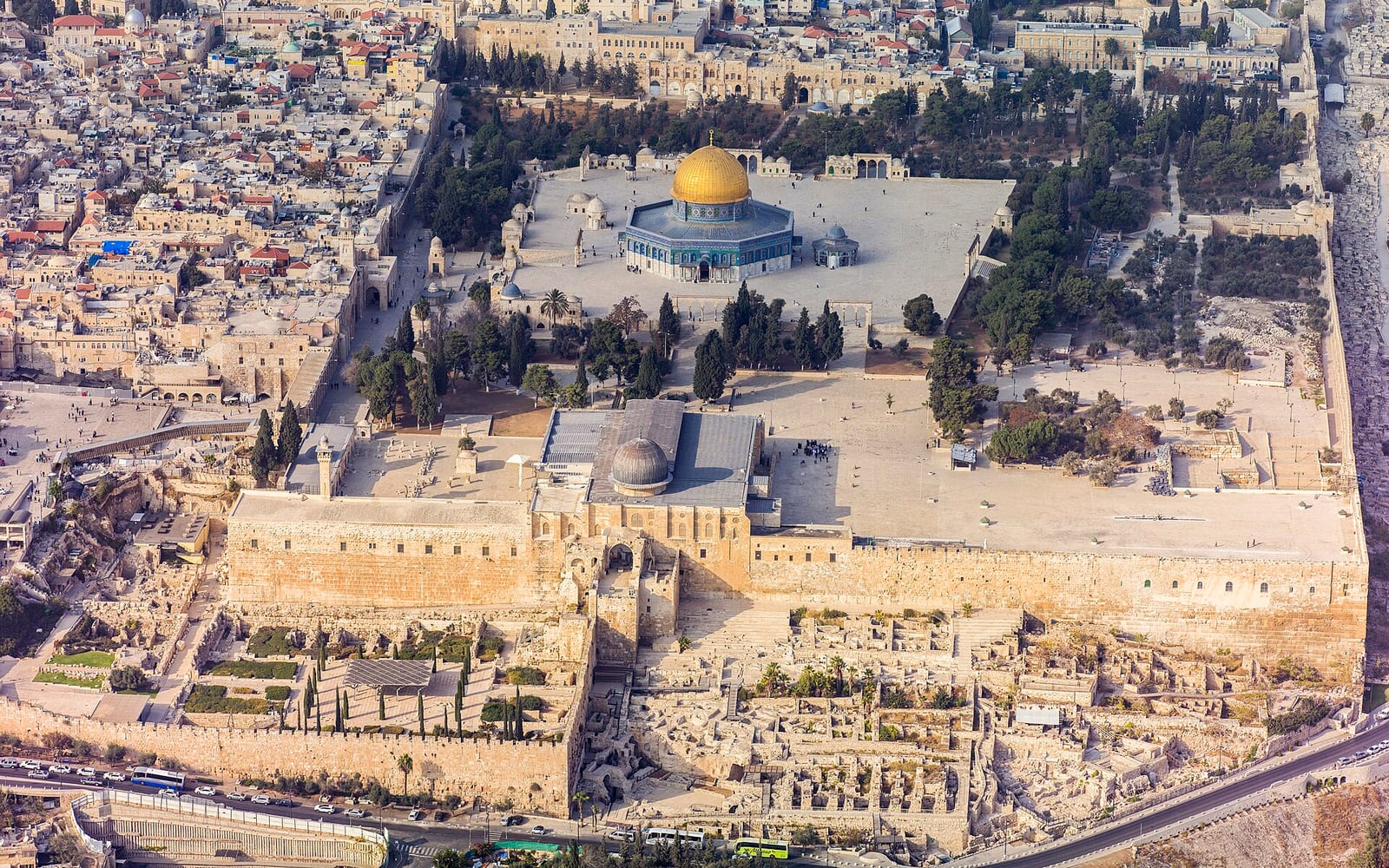
Israel’s claim to historical intensity is almost unrivalled. In Jerusalem, a city of around 900,000 people, you can walk in 20 minutes from the Western Wall — Judaism’s holiest accessible site — to the Church of the Holy Sepulchre to the Dome of the Rock, three of the most significant religious monuments in human history in a single walled Old City. Below ground, the City of David excavations reach back 3,000 years; at the Israel Museum, the Dead Sea Scrolls are displayed in the purpose-built Shrine of the Book. Masada, the Herodian fortress-palace on a plateau above the Dead Sea, tells a story of the Jewish revolt against Rome that resonates to this day.
Italy’s historical depth is unmatched in the Western world for breadth and artistic achievement. Rome layers Republican forums, Imperial bathhouses, early Christian catacombs, medieval churches and Renaissance palaces within the same city. The Colosseum, Pantheon, Sistine Chapel and the Vatican Museums are among the most visited buildings on earth. Florence produced Michelangelo, Leonardo, Botticelli and Brunelleschi within a century. Sicily preserves ancient Greek temples at Agrigento and Segesta. Pompeii froze a Roman town in volcanic ash in AD 79. Italy has 58 UNESCO World Heritage sites — the highest of any country.
The Jewish connection between the two countries is ancient and direct: Titus’s arch in Rome depicts the Menorah and Temple vessels taken from Jerusalem after the sacking of the Second Temple in AD 70. For travellers interested in Jewish history, tracing that arc from Jerusalem to the Roman Jewish Ghetto to the Great Synagogue of Rome adds an extraordinary layer to a combined itinerary.
Food and cuisine
Italian cuisine is one of the world’s most universally loved: wood-fired Neapolitan pizza, Bolognese ragù, Roman cacio e pepe, Sicilian arancini, Ligurian pesto, Venetian cicchetti. Every region has its own distinct tradition, and the emphasis on high-quality local ingredients — San Marzano tomatoes, buffalo mozzarella, Parmigiano Reggiano aged 24 months — means that eating well in Italy is straightforward at almost any price point.
Israeli cuisine has emerged as one of the world’s most exciting food movements. Tel Aviv’s restaurant scene draws on 70-plus diaspora traditions: Yemenite jachnun (slow-baked dough) alongside Moroccan fish dishes alongside Iraqi kubbeh alongside Georgian khachapuri alongside refined Levantine mezze. The Levantine staples — hummus ground fresh each morning, falafel fried to order, shakshuka bubbling in an iron pan — are available at high quality across the country. See the Israeli food and cuisine guide for specifics on what to eat and where.
Both countries also have serious wine cultures. Italy is one of the world’s largest wine producers; Israeli winemaking has advanced dramatically since the 1990s, with notable producers in the Galilee, Judean Hills and Negev.
Beaches
Italy’s coastline spans 7,600 kilometres across the mainland and major islands. The Amalfi Coast delivers dramatic cliff-edge scenery above turquoise water; Sardinia’s Costa Smeralda offers some of Europe’s clearest sea; Sicily’s San Vito Lo Capo and Isola delle Femmine have fine white sand; the Italian Riviera (Cinque Terre, Portofino, Camogli) combines colourful villages with cove beaches.
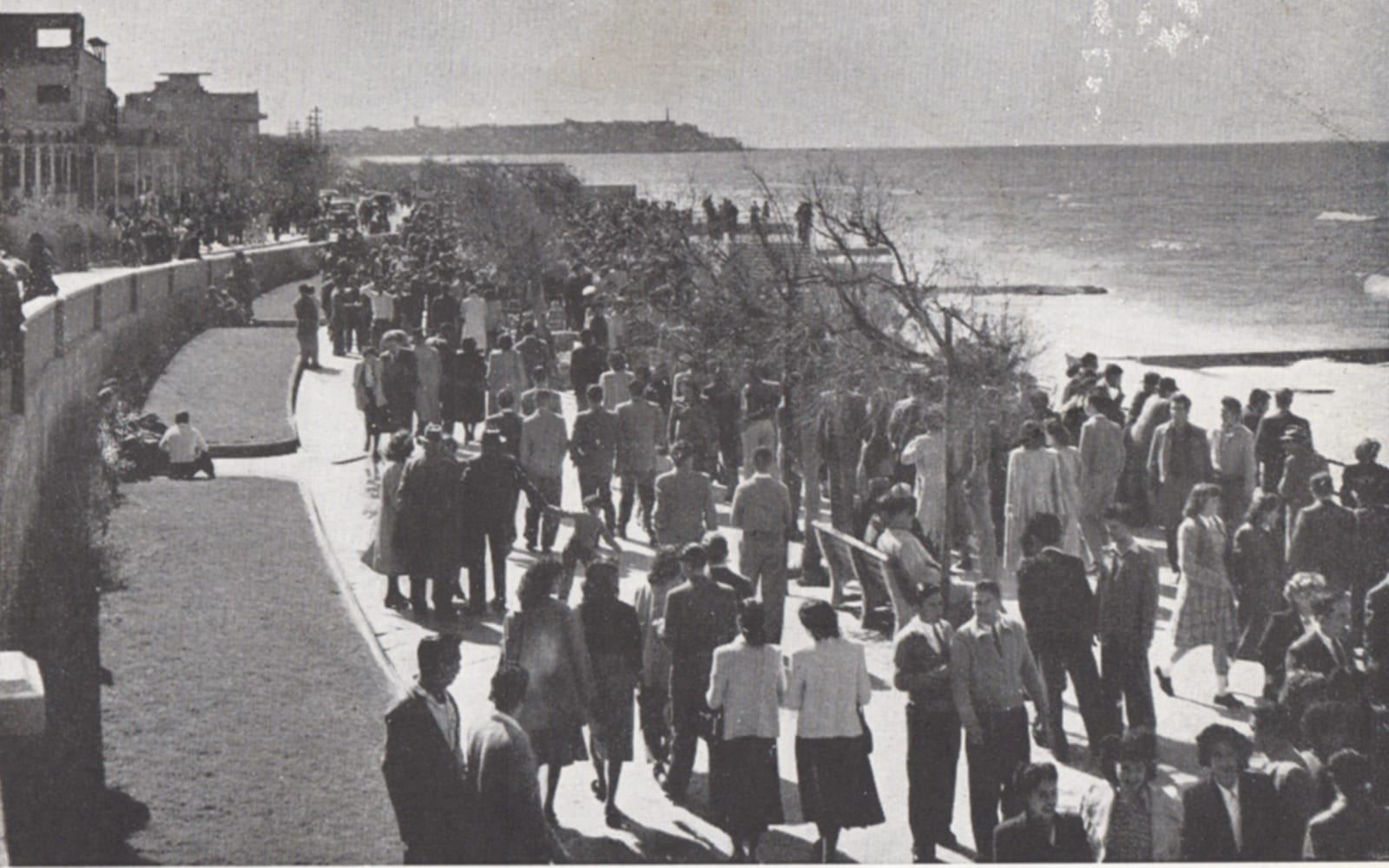
Israel has a 273-kilometre coastline split between the Mediterranean and the Red Sea. Tel Aviv’s 14-kilometre urban beach strip is the social heart of the city, well-maintained and free. Eilat on the Red Sea offers year-round warm water and accessible coral reef snorkelling and diving — a genuine tropical-water experience without a long-haul flight. The Dead Sea — the lowest point on earth — is not a beach in the conventional sense, but floating effortlessly on its hyper-saline surface is one of the most unusual experiences in travel. See the Dead Sea guide for access options.
For beach-focused holidays, Italy offers greater variety and more dramatic scenery. For a compact beach-plus-culture combination with a unique natural wonder, Israel’s Red Sea and Dead Sea options are hard to match.
Costs
Italy is generally the more affordable destination outside peak season and in cities other than Venice and the Amalfi Coast. Mid-range accommodation in Rome or Florence typically costs €120–200 per night; a sit-down dinner at a good trattoria runs €25–45 per person. Domestic trains — Trenitalia and Italo — are efficient and reasonably priced for the distances covered.
Israel is priced at a consistent Western European premium. Mid-range hotels in Tel Aviv cost roughly ₪600–1,400 per night (approx €160–370); Jerusalem is slightly cheaper. Restaurant meals at a good mid-range level run ₪80–150 per person. The Israel cost and budget guide provides full tier breakdowns from budget backpacker to luxury.
Safety
Both countries are safe for mainstream tourist itineraries. Italy’s primary security concern in tourist areas is petty theft — pickpocketing on Rome’s Metro Line A and around major sights; bag snatching on mopeds in Naples. Violent crime is low. Italy is an EU member state with stable governance and a well-established tourist infrastructure.
Israel operates a high-visibility security environment: bag checks at the entrances to markets, hotels and major attractions; armed security personnel; and a rapid national emergency response system. Many visitors find this reassuring rather than alarming in practice. Regional geopolitics require attention before travel — always check your government’s current travel advisory, and review the is Israel safe guide for the full context.
Choose Israel if…
- The intersection of Jewish, Christian and Islamic history is your primary travel interest
- You want one of the world’s truly unique natural wonders (the Dead Sea float)
- Tel Aviv’s nightlife, beaches and food scene are on your bucket list
- You are drawn to compact, walkable destinations where major sights are tightly clustered
- A first visit to Israel has been on your list for years
Choose Italy if…
- Renaissance art, classical Roman ruins and architectural grandeur are your priority
- You want more variety of coastal and island landscapes across a single trip
- A slower, café-culture pace suits your travel style
- You are travelling with family and want well-trodden infrastructure and widespread English
- Budget is a primary consideration and you want maximum value for daily spend
Combining Israel and Italy
The flight from Tel Aviv Ben Gurion (TLV) to Rome Fiumicino (FCO) takes approximately 3.5 hours on direct services operated by El Al and ITA Airways — a short hop by Mediterranean standards. A 14-day itinerary could comfortably spend seven nights in Israel (Jerusalem, the Dead Sea, Tel Aviv, a day in the Galilee) and seven nights in Italy (Rome, Florence, or the Amalfi Coast). Longer trips of three weeks allow you to add Masada, the Galilee, and a southern Italy circuit without feeling rushed.
The civilisational contrast is one of the richest available in travel: Jerusalem and Rome have arguably shaped more of human history than any other two cities. Travellers with an interest in how the ancient world gave rise to the modern one will find the combination extraordinarily rewarding.