Dizengoff Square and the Dizengoff Street café-and-shopping corridor are the secular heartland of central Tel Aviv. The square is a raised oval plaza — rebuilt in its current form in the 1970s — whose centrepiece is Yaakov Agam’s fire-and-water kinetic fountain. The street stretches north from the square through the Bauhaus White City and on into north Tel Aviv’s café and boutique district. This guide covers the Agam fountain, the Friday market, the café strip, the Bauhaus walking route and practical getting-there information.
Need to know
| Cost | Free to visit. Bauhaus Center audio-tour rentals and guided tours involve a small fee. |
| Hours | Square: always accessible. Friday market: ~08:00–13:00. Cafés and shops: typically ~08:00–22:00 most days. |
| Time needed | ~1 hour for the square and fountain; half a day on a Friday to combine the market with the café strip. |
| Getting there | Light-rail Red Line King George / Dizengoff stop, ~5 min walk. Tel Aviv Center train station: ~15 min on foot. Bus 5, 18 or 22 on Dizengoff St. Parking is expensive — public transit recommended. |
| Best time | Friday morning for the market + Shabbat fountain programme; evenings for the illuminated fountain. |
| Accessibility | The square is a raised oval with ramp access to the central plaza. Dizengoff Street itself is flat and wide. |
Dizengoff Square
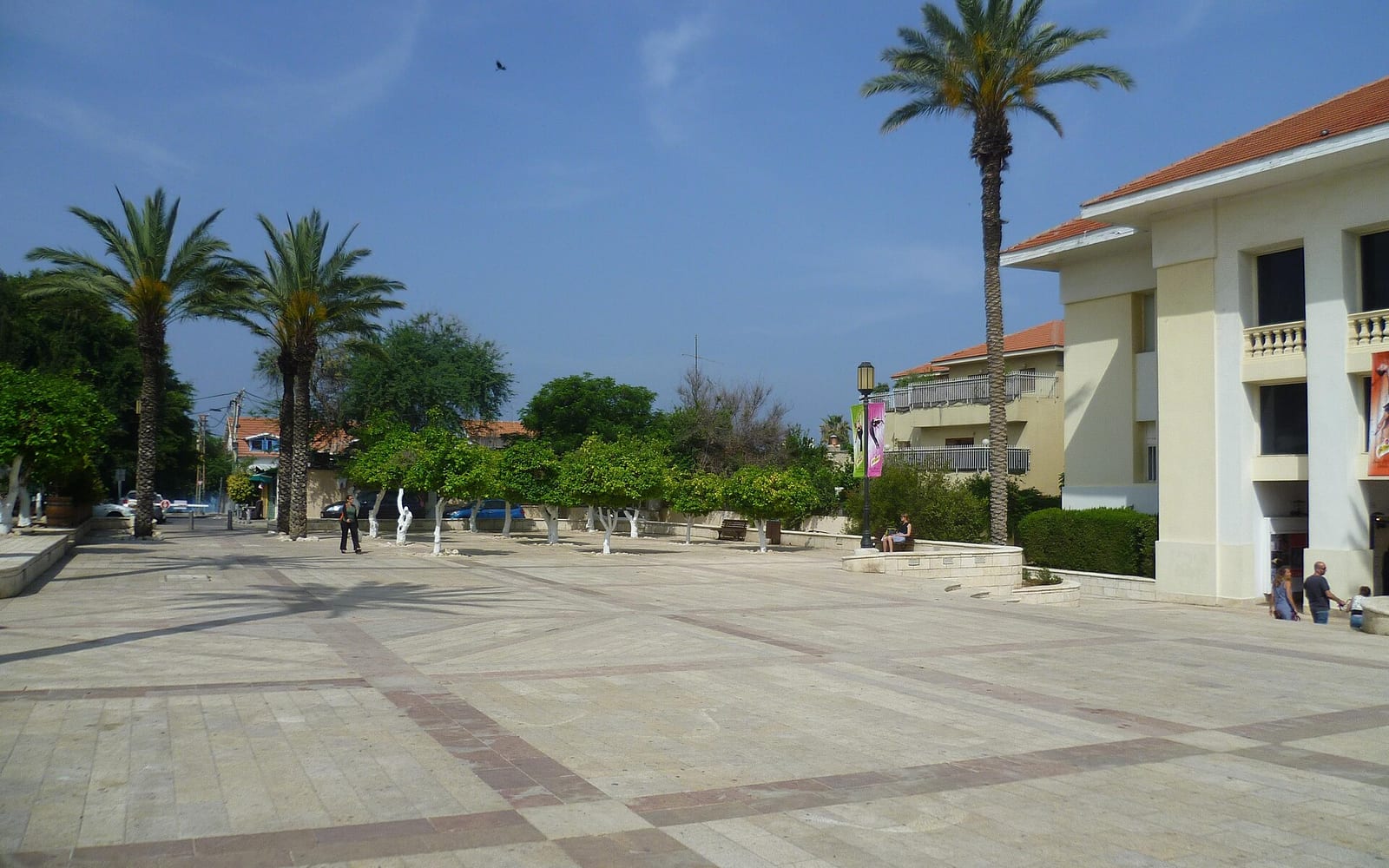
Dizengoff Square was originally designed in 1934 as a street-level roundabout named after Tel Aviv’s first mayor, Meir Dizengoff, and his wife Zina, who donated the land. The current elevated plaza — a circular raised deck above a ring road — dates from a controversial 1970s redesign. Renovation work completed in the 2000s restored pedestrian flow and improved the plaza surface.
The square sits at the intersection of Dizengoff Street (running north–south) and King George and Ben Gurion (running east–west). It is one of the city’s natural meeting points for locals and a reference landmark for visitors navigating central Tel Aviv.
The Yaakov Agam Fountain
The kinetic fire-and-water sculpture at the centre of the square was created by Israeli artist Yaakov Agam and installed in 1986. The work combines rotating coloured panels, water jets and flame jets on a programmable mechanical system.
Daytime performances activate the water and movement elements; evening performances add the flame jets, making the fountain one of the few sites in central Tel Aviv that is more dramatic after dark. On Friday evenings a longer Shabbat-opening programme runs, drawing a local crowd to the square. The fountain is switched off on Yom Kippur.
The Friday Dizengoff Market
Every Friday morning the square and the adjacent blocks host a flea and designer market that is among the most enjoyable in the city. Stalls sell antiques, vintage fashion, second-hand books, handmade jewellery, ceramics, plants, artisan food and street snacks. The mix leans more curated than the neighbouring Carmel or Levinsky markets — a higher proportion of designer-made goods sits alongside the vintage finds.
Timing: stalls begin setting up from around 07:30; the market is busiest between 09:00 and 12:00 and winds down after lunch as Shabbat approaches. Arriving by 10:00 gives the best combination of full stalls and manageable crowds.
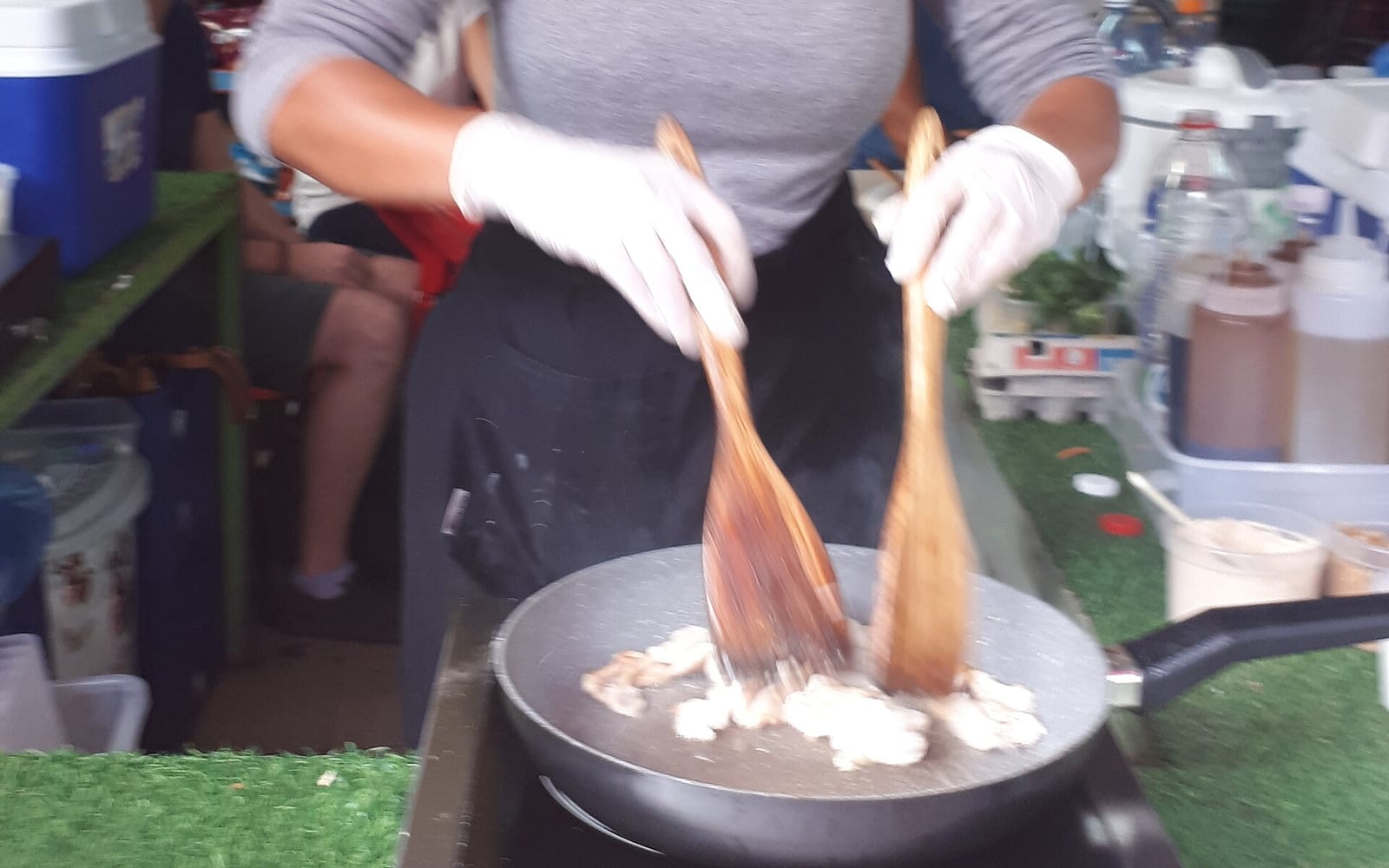
Character: the market has a strong local-neighbourhood feel — many regulars come every week. Street food stalls sell sambusak, fresh-squeezed juice, and coffee; the surrounding café terraces fill with market-goers by mid-morning.
The Café Strip
Dizengoff Street is one of the best café-browsing streets in Tel Aviv. The concentration of independent coffee shops, bakeries and casual restaurants runs from the square northward for about eight to ten blocks, with additional clusters on the side streets.
The café strip is a morning and afternoon destination — most places open from 08:00 and run through the evening, though the character shifts from quiet morning coffee to a busier lunch trade as the day progresses. The local rhythm is to walk slowly, stop when something looks right, and sit for longer than planned.
The Bauhaus Walking Route
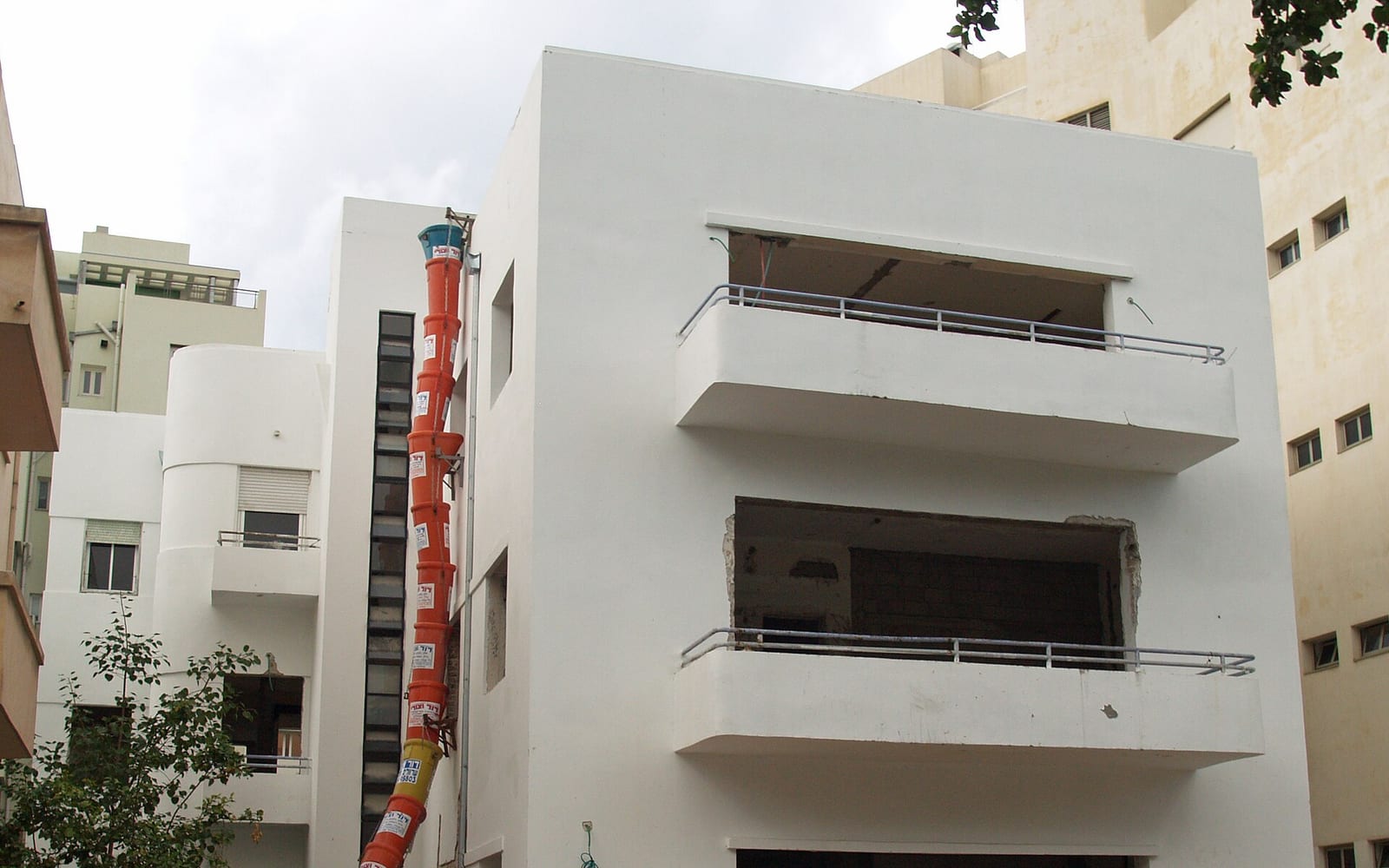
Dizengoff Street is an anchor of the Bauhaus White City — Tel Aviv’s UNESCO World Heritage Site. The street and the blocks immediately to its east (Engel, Mazeh, Bialik) hold some of the densest concentrations of 1930s International-Style buildings in the city.
The Bauhaus Center is located on Dizengoff Street and offers audio-tour rentals and regularly-scheduled group guided tours. A self-guided walk north from the square along Dizengoff toward Ben Gurion Boulevard, then east along the feeder streets to Rothschild, covers the key facades in about 90 minutes. The Centre recommends early morning or late afternoon light for photography — the white plaster facades are at their most photogenic when lit at low angles.
Key buildings on and near Dizengoff worth pausing at include the curved-corner apartment blocks typical of 1930s Bauhaus construction, several preserved two-storey strip-balcony buildings, and the facades that face the square itself, some of which have been restored in the past decade.
Dizengoff Center
Dizengoff Center, two blocks south of the square, is one of Tel Aviv’s oldest and most eclectic shopping malls. Unlike international-brand mall formats, Dizengoff Center has a multi-floor labyrinthine layout holding independent design and fashion boutiques, a large food court, a cinema, and a cluster of used-book shops. It is not a standard shopping-mall visit — the value is in the independent retailers and the deliberately unconventional architecture.
Practical Tips
Friday logistics: the area around the square and market on Friday mornings is busy and street parking is essentially unavailable. Plan to arrive by light rail or bus. The market and fountain programme together make Friday the highest-value day to visit.
Evening fountain: the Agam fountain is worth seeing in daylight and after dark — if your schedule allows one visit, an early-evening arrival lets you see the full fire-and-water programme without spending the full day there.
Bauhaus pairing: combine a Dizengoff visit with the Bauhaus Center and a walk down Rothschild Boulevard for a complete White City experience. The two are eight minutes apart on foot.
Café browsing vs destination dining: Dizengoff Street cafés are best approached as a browse-and-choose experience rather than a planned restaurant booking. The quality is reliably high; the variety is wide enough that stopping at whatever looks right works better than advance research.
Nearby Attractions
Rothschild Boulevard is eight to ten minutes on foot southeast — the architectural and historical anchor of the Bauhaus White City. Florentin is twenty minutes south through Allenby and into south Tel Aviv. Carmel Market is twelve minutes south. Tel Aviv Museum of Art is ten minutes east of the square. Neve Tzedek is twenty minutes southwest.
Why Visit
Dizengoff Square and street give you the daily working rhythm of secular central Tel Aviv — the café culture, the local market, the Bauhaus streetscape and the fountain that the city has gathered around for decades. A Friday morning visit combining the market, a café stop and the pre-Shabbat fountain programme is one of Tel Aviv’s most characteristically local experiences and an easy two to three hours for any visitor staying in the centre.