The Arad Music Festival is one of Israel’s oldest and most beloved summer events — an annual late-August gathering in the Negev desert town of Arad that has been running since 1982. For three days, the festival fills Arad’s open-air stages with Hebrew-language Israeli music: folk, mizrahi, rock, and contemporary singer-songwriters performing exclusively in Hebrew to an audience that is itself overwhelmingly Israeli.
The festival’s character is distinct from Israel’s commercial music events. Entry has historically been free or very low-cost. The programme centres on Hebrew musical identity — shira b’tzibbur (communal singing), beloved Israeli artists, and the folk traditions of the Israeli music canon — rather than international headliners or global pop. Tens of thousands of Israelis attend across the three days, making it one of the country’s most attended summer cultural events despite its low commercial profile.
For international visitors based in the Dead Sea or Masada area, Arad is a natural late-summer addition — the festival site is just 25–40 minutes’ drive from the Dead Sea resort strip.
What the festival is
The Arad Music Festival was founded in 1982 as a celebration of Hebrew music and Israeli cultural identity. Since its founding, it has operated as a community festival — open, inclusive, and grounded in the folk and popular music traditions of Israeli society rather than a curated commercial programme.
Music programme: the festival is dedicated exclusively to Hebrew-language Israeli music. Genres include:
- Israeli folk (shira b’tzibbur — communal singing circles, in which large crowds sing beloved Israeli songs together, often accompanied by lead performers)
- Mizrahi music (the Middle Eastern-influenced strand of Israeli pop and folk, rooted in the musical traditions of Sephardic and Mizrahi Jewish communities)
- Israeli rock and indie (established Israeli rock acts and contemporary Israeli singer-songwriters)
- Traditional and historical Hebrew song (pioneers-era songs, Yemenite traditions, and other streams of the Israeli folk canon)
International performers are not typically part of the programme. This is intentional: the Arad Festival is a Hebrew music celebration, and the absence of international headliners is part of what makes it distinct from Israel’s other summer festivals.
Format: three days of open-air stages, with a daytime programme heavier on folk and community singing and evening concerts featuring the festival’s higher-profile acts.
Scale: tens of thousands of Israelis attend each year, making Arad one of the most-attended cultural events in Israel despite its low commercial profile and historically free or very-low-cost entry.
Dates and timing
The festival takes place annually in late August — typically over three consecutive days in the final week of August. The late-August timing has been consistent since the festival’s 1982 founding.
Exact dates vary by a few days from year to year. Current-year dates are confirmed by the Arad Municipality on arad-city.org and listed on touristisrael.com. Check these sources for the confirmed current-year dates before booking travel.
August in Arad: the timing places the festival at the height of Israeli summer and the height of Negev heat. Arad’s elevation (approximately 600 m above sea level) provides some relief compared to the Dead Sea valley far below, but late-August daytime temperatures of 35–38°C are standard. Evening concerts at Arad are noticeably cooler than the coast in the same season. See the practical tips section below for heat management.
The festival takes place on Arad city’s dedicated festival grounds — open-air stages in the town itself. Multiple stages run simultaneously across the three days, with different music styles and programme formats on each.
Daytime stages typically feature:
- Shira b’tzibbur circles (communal singing led by a performer)
- Folk and traditional Israeli music
- Family-oriented programming
- Workshops and cultural activities
Evening concerts feature the festival’s headline acts — established Israeli rock and mizrahi artists performing for the main crowd as the desert night cools.
Getting to Arad
From the Dead Sea: Route 31 connects the Dead Sea En Bokek resort strip to Arad directly. The drive is approximately 25–35 km and takes 30–40 minutes. This makes the Dead Sea the most practical international visitor base for the festival — see accommodation below.
From Masada: Route 3199 leads west from Masada toward Arad. The drive is approximately 20–30 km and takes around 30 minutes.
From Beer Sheva: Egged bus lines 380 and 389 connect Beer Sheva to Arad. Journey time is approximately 45–60 minutes. Beer Sheva has direct rail connections to Tel Aviv (approximately 1 hour from Tel Aviv HaHagana station).
From Tel Aviv by car: approximately 2.5–3 hours driving south via Route 6 and then Route 31 east. A hire car gives you the flexibility to combine the festival with Dead Sea and Negev touring. See the car rental Israel guide for logistics.
Practical tips for August in the Negev
Late August at the Arad Festival is a hot experience. Take these seriously:
- Sunscreen: SPF 50+ minimum, reapplied every 90 minutes during daytime
- Hat: wide-brimmed hat or cap with neck coverage for daytime stages
- Water: carry a 1–1.5 litre refillable bottle and refill constantly; drink before you feel thirsty — the dry Negev climate means you dehydrate faster than you realise
- Lightweight, light-coloured clothing: natural fibres breathe better than synthetics in extreme heat
- Timing: plan your festival day around the heat — early morning or late afternoon arrival for peak daytime stages, rest at your Dead Sea hotel during the hottest 12:00–16:00 window, return for evening concerts when the Negev heat drops
- No alcohol in some sections: the festival grounds traditionally prohibit alcohol in some areas — a standard arrangement for large Israeli public events in mixed-demographic settings
Evening concerts are genuinely comfortable — the Negev’s dry climate means heat dissipates quickly after dark, and a late-August Arad evening is one of the more pleasant outdoor concert environments in Israel.
Accommodation
Dead Sea En Bokek resort strip is the most practical base for international visitors combining the Arad Festival with Dead Sea and Masada tourism. The drive to Arad is 30–40 minutes. Dead Sea mineral-pool hotels provide an excellent counterpoint to festival days in the desert heat.
Arad city itself has a range of mid-range hotels that position you on-site for the festival. Arad’s permanent population is approximately 25,000, and its hotel capacity is more limited than the Dead Sea strip — book well ahead for the festival week.
Book all accommodation several weeks to months ahead. The Arad Festival draws large Israeli domestic crowds in late August — a high-season week throughout the Dead Sea region.
Combining the festival with Negev and Dead Sea touring
Arad’s location makes it an excellent anchor for a wider Negev and Dead Sea programme:
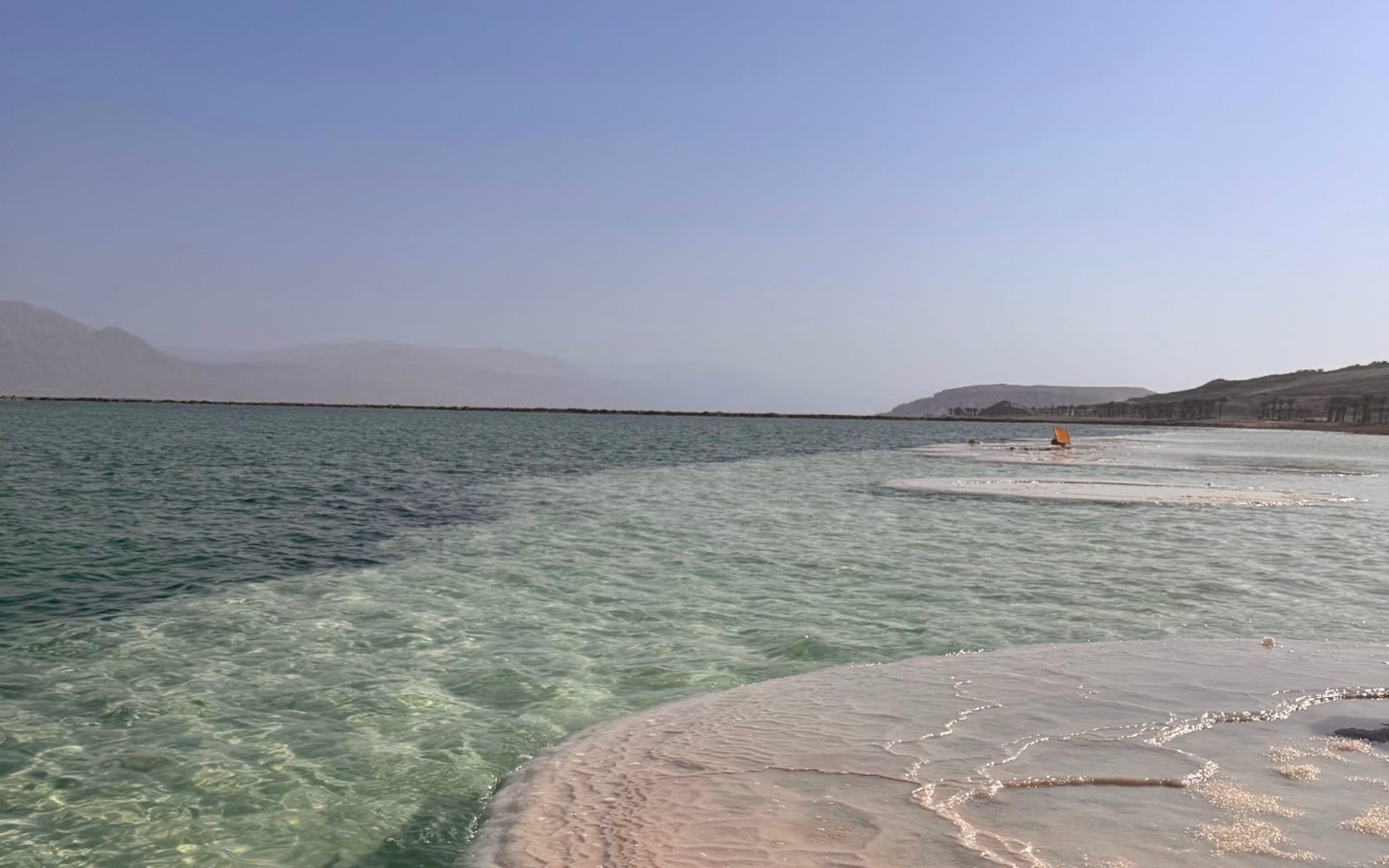
- Dead Sea: 25–35 km east of Arad. Float in the mineral-rich hypersaline water, use the therapeutic mud, and use the resort strip as your festival base. See the Dead Sea guide for beach logistics and accommodation by budget.
- Masada: the UNESCO World Heritage plateau fortress rises above the Dead Sea valley, 20–30 km from Arad. The cable car runs from early morning (07:00 in summer); climbing the snake path is viable only before 08:00 in August heat. See the Dead Sea guide for Masada logistics.
- Mitzpe Ramon and the Ramon Crater: approximately 80 km south-west of Arad, Mitzpe Ramon sits above the world’s largest erosion crater. The crater rim trail is one of Israel’s most dramatic hiking routes; the town has excellent boutique accommodation and Israel’s best stargazing. See the Mitzpe Ramon guide.
- 3 days in the Negev: a full Negev itinerary incorporating Arad, the Dead Sea, Masada, Makhtesh Ramon, and Mitzpe Ramon — see the 3 days in the Negev itinerary.
- Israel music festivals: the full Israeli music festival calendar from winter to summer — see the Israel music festivals guide.
- August in Israel: the wider August visitor picture across the country — festivals, beaches, and the summer heat across all regions — see the Israel in August guide.