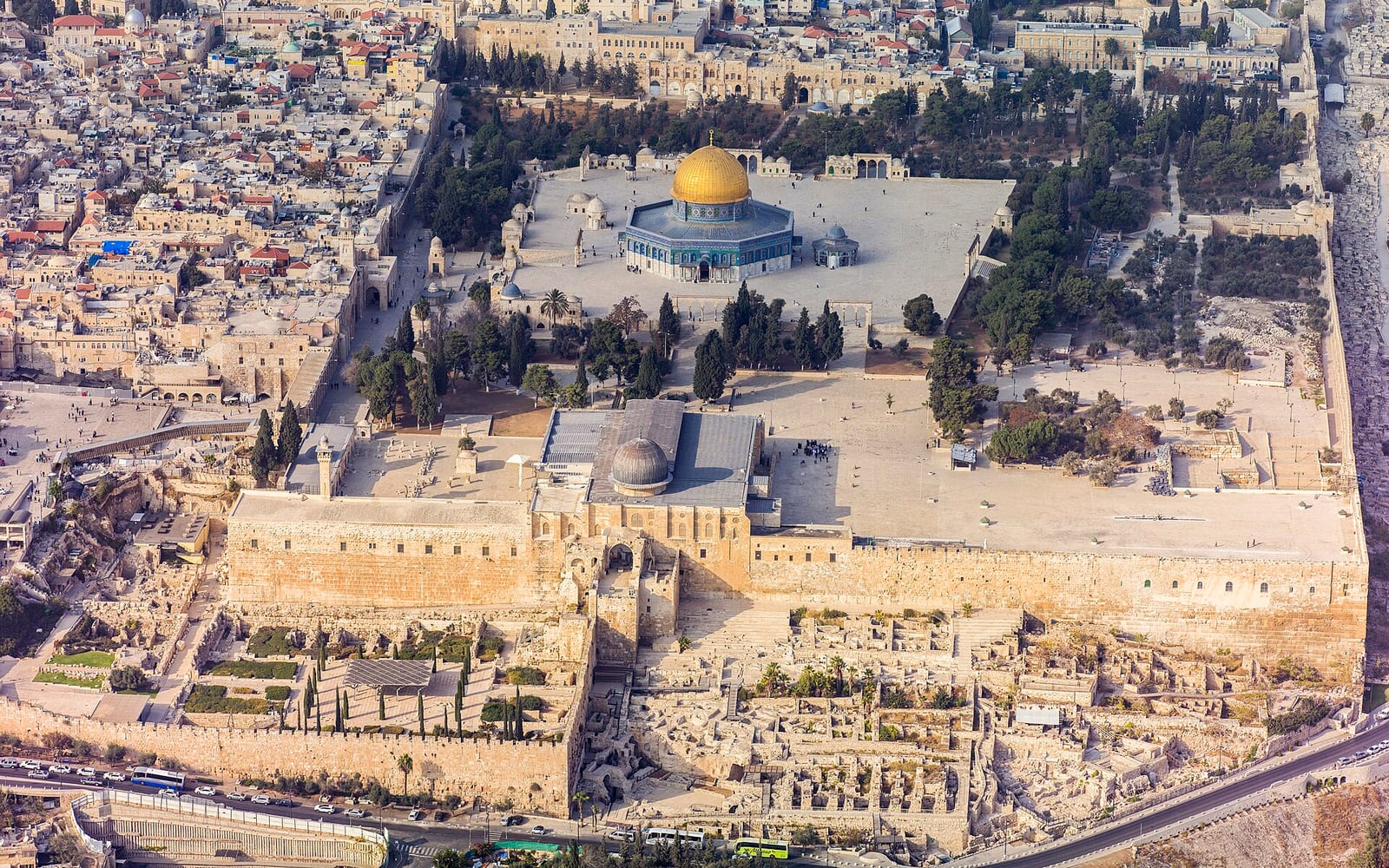
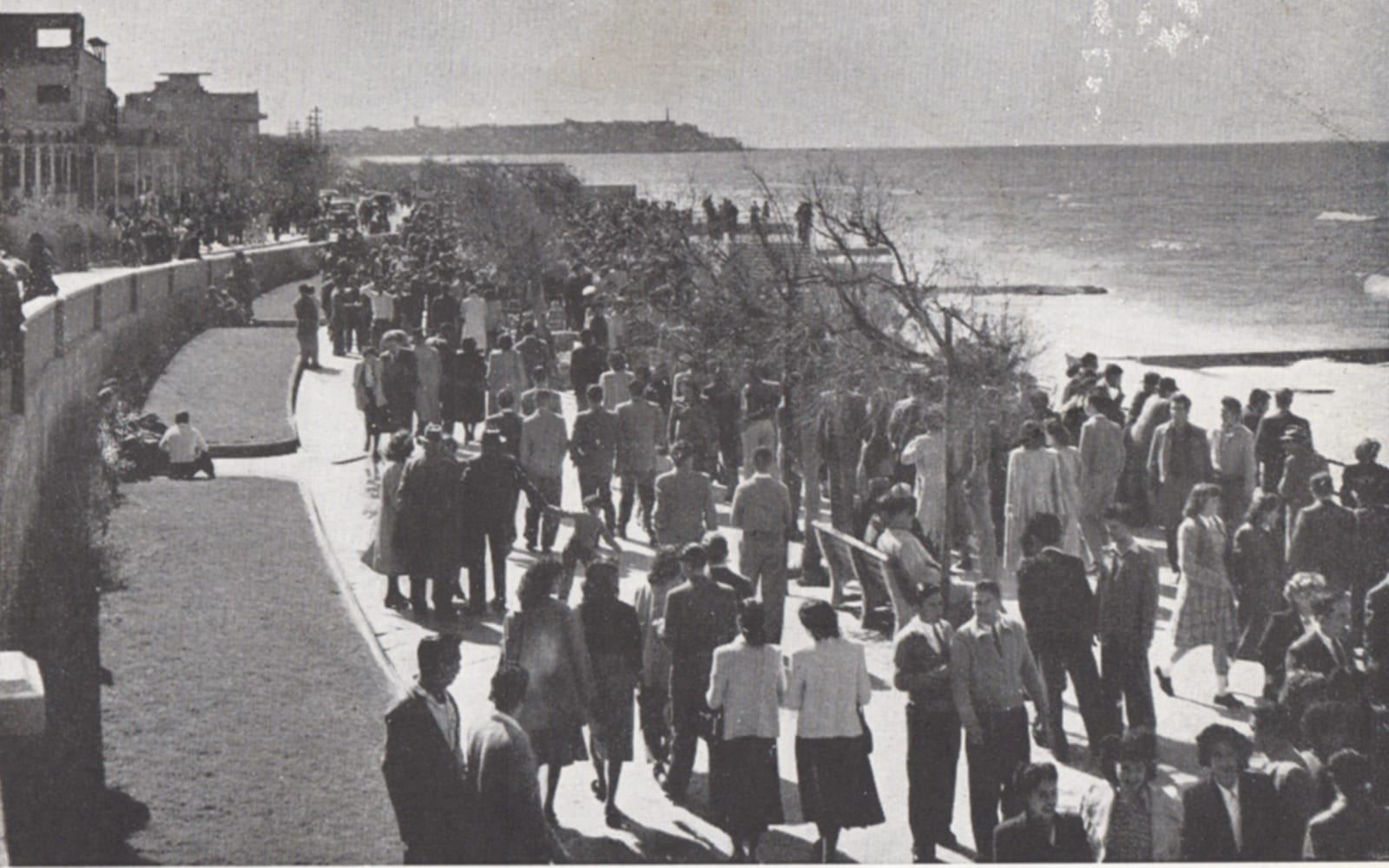
France and Israel are bound by one of the most historically layered relationships in modern travel. France’s Jewish community — the largest in Europe at approximately 500,000 people, with deep Sephardic roots in North Africa — has long driven heritage and family tourism. French Catholic pilgrimage traditions stretch back centuries, with the Notre-Dame de France hospice in Jerusalem serving French pilgrims since the 19th century. And Air France’s dense CDG–TLV schedule makes Israel among the most convenient long-haul destinations from Paris.
Here is the France-specific practical information you need before you fly.
ETA-IL: required since January 2025
France is on Israel’s visa-exempt list — no visa stamp is needed for tourist stays up to 90 days. But since January 2025, all visa-exempt travellers including French citizens must hold an approved ETA-IL (Electronic Travel Authorisation for Israel) before boarding.
Apply at eta.gov.il — the process takes a few minutes online, costs a small processing fee, and approval typically arrives within minutes to a few hours. The ETA-IL is linked to your passport electronically; airlines check for it at check-in, so apply before you leave for the airport.
Validity: the ETA-IL is tied to your current passport. If you renew your passport, you need a new ETA-IL. Note: many French travel agents have not yet updated their pre-departure checklists for this requirement — verify directly at eta.gov.il.
Flights from France to Israel
Direct: Air France operates 3–4 daily nonstop CDG–TLV flights (approx. 4h30m) — one of the highest-frequency routes in France’s long-haul network. Departures from both Terminal 2E (Air France) and Orly (Transavia) are available. Transavia France, the low-cost subsidiary, connects CDG and Orly to TLV on select days at competitive fares. El Al runs competing nonstop CDG–TLV service daily.
From other French cities: Lyon (LYS) and Marseille (MRS) connect via Paris CDG or a European hub. Travellers from south-eastern France sometimes route via Rome or Madrid.
Use the cheap flights to Israel guide for fare-tracking tips and the best booking windows.
For arrivals at Tel Aviv, see the Ben Gurion Airport guide for transport into the city.
French Jewish diaspora and heritage travel
France’s Sephardic community — largely of Algerian, Tunisian and Moroccan origin — has direct ancestral ties to Israel’s own North African diaspora. Heritage travel destinations include:
- Mahane Yehuda Market, Jerusalem — Moroccan-Israeli food traditions are particularly strong here; Sephardic bakeries and spice vendors reflect the community’s roots
- ANU Museum of the Jewish People, Tel Aviv — the world’s largest Jewish genealogy database, with material on Sephardic communities and North African Jewish life; the genealogy research desk requires advance booking
- Sephardic synagogues of Safed (Tzfat) — the 16th-century Sephardic community produced the Kabbalistic tradition; the Ha’Ari Sephardic Synagogue and Caro Synagogue are still active
- Jewish Quarter, Jerusalem Old City — the Ben Zakkai Synagogue complex dates to the 17th century and was built by Sephardic families
French Ashkenazi families with Polish, Russian and German roots will find Yad Vashem and the Jewish Quarter’s Cardo excavations equally resonant.
The jewish heritage travel guide maps the full heritage landscape across Israel.
French Catholic pilgrimage
Notre-Dame de France, at 3 Via Dolorosa in Jerusalem’s Old City, is a 19th-century Latin-rite hospice and chapel operated by the Institut Catholique de Paris. It specifically serves French Catholic pilgrims and is a natural base for those following the Via Dolorosa route. Accommodation must be booked well in advance through the institute directly; availability is limited.
French Franciscan pilgrimage groups routinely visit Nazareth, Bethlehem, the Sea of Galilee and Jerusalem. The Christian pilgrimage to the Holy Land guide covers the main pilgrimage circuit.
Passover / spring school holidays: French Jewish families typically travel to Israel during the vacances de printemps (spring school holidays), which often coincide with Passover. Jerusalem accommodation sells out months ahead during this window — book as soon as the school holiday calendar is published.
Health insurance: Assurance Maladie and CEAM do not apply
The French Sécurité Sociale (CPAM/Assurance Maladie) and the Carte Européenne d’Assurance Maladie (CEAM) do not provide any cover in Israel — the CEAM applies only within the European Economic Area. Your mutuelle may carry an international medical rider; check your policy before departure.
French travellers need a dedicated travel insurance policy (assurance voyage) with medical cover and emergency repatriation (rapatriement sanitaire) before they travel. French providers commonly used by international travellers include AXA Voyage, Chapka Assurances, Heyme and April International.
See the Israel travel insurance guide for what to look for in a policy.
Currency and payments
Israel uses the New Israeli Shekel (ILS, ₪). The EUR/ILS exchange rate is available at Ben Gurion Airport counters and city-centre exchange offices in Tel Aviv and Jerusalem (generally better rates than the airport).
Cards: Visa and Mastercard from French banks work reliably at restaurants, hotels, shops and most markets. Contactless is standard. Lydia, Lyf Pay and PayLib do not work in Israel — they are closed French-market systems with no international functionality. N26 and Revolut (widely used among French travellers) work in Israel without foreign-exchange fees.
Cash: carry some shekels for the Arab market (Old City, Nazareth shuk), small stalls and tips. Israeli ATMs dispense shekels; Cirrus/Maestro networks are supported.
Power adapter
France uses Type E plugs (two round pins with a central earth recess in the socket face, 230V/50Hz). Israel uses Type H sockets (three flat pins in a Y-shape), though most modern Israeli sockets also accept Type C (two thin round pins).
A universal Type C/E to H travel adapter covers both shapes and costs a few euros — buy before you leave at BHV, Leroy Merlin, Fnac, or online. Voltage is identical (230V) so no voltage converter is needed for French laptops, phone chargers or cameras. Adapters are available at Ben Gurion arrivals, but availability can be inconsistent.
Mobile and connectivity
Standard French SIM plans typically do not include Israel in their EU-roaming allowances. The most cost-effective option is an eSIM for Israel loaded before departure — see the Israel eSIM guide. Local Israeli SIMs are available at Ben Gurion Airport arrivals hall. WhatsApp, iMessage and standard apps work throughout Israel on Wi-Fi or data.
Airport security
Israeli airport security is the most thorough in the world. Expect a security interview — questions about your trip, accommodation and employment — before check-in at Ben Gurion. The process is professional and predictable: answer honestly and directly. French passports are well-known to security staff.
Practical tips: arrive at least 3 hours before an international departure; have hotel booking and itinerary accessible; keep your ETA-IL confirmation email to hand. See the Ben Gurion Airport guide for the full security flow.
- Ambassade de France en Israël: 112 Promenade Herbert Samuel, Tel Aviv — ambafrance-il.org
- Consulat général de France à Jérusalem: 5 Paul Émile Botta Street, Jerusalem
- Ambassade d’Israël à Paris: 3 rue Rabelais, 75008 Paris
- French foreign affairs advisory: diplomatie.gouv.fr — check the current level before booking
- Emergency numbers in Israel: 100 (police), 101 (ambulance), 102 (fire)
Quick reference: France → Israel
| Topic | Detail |
|---|
| Visa | Not required (up to 90 days) |
| ETA-IL | Required — apply at eta.gov.il before departure |
| Direct flights | Air France, Transavia & El Al CDG–TLV daily (≈4h30m) |
| Main departure airports | CDG (Paris), Orly; connect via Paris from Lyon/Marseille |
| Health cover | Assurance Maladie / CEAM not valid — assurance voyage required |
| Power adapter | Type E (France) → Type H (Israel); same voltage (230V) |
| Currency | New Israeli Shekel (ILS/₪); Visa/Mastercard widely accepted |
| Lydia / PayLib | Do not work in Israel |
| Emergency number | 100 (police), 101 (ambulance), 102 (fire) |
| French Embassy | 112 Promenade Herbert Samuel, Tel Aviv |
Planning your trip
The first-time in Israel guide covers the core planning framework — what to see, when to go, and how to structure a first visit. For itinerary starting points see 7 days in Israel and 10 days in Israel. The best time to visit guide covers seasonal considerations — April–May and October–November offer the best weather-to-crowd ratio. For Jerusalem specifically, see the Jerusalem travel guide.