Portugal has a deep relationship with the Holy Land — shaped by centuries of Catholic pilgrimage tradition, the Sephardic Jewish heritage that links Lisbon and Jerusalem across five hundred years, and today by a steady flow of cultural and religious travellers from Lisbon, Porto and the diaspora. This guide covers the essential practical information for Portuguese passport holders: ETA-IL requirements, flight options from Lisbon, the unique Sephardic heritage connection, the Catholic pilgrimage circuit, the Cartão Europeu de Seguro de Doença (CESD/EHIC) gap, currency and power adapters.
For the broader trip-planning picture, see the complete first-time visitor guide and the is Israel safe guide.
Entry requirements: ETA-IL for Portuguese passport holders
Portuguese citizens are visa-exempt for Israel — you do not need a full visa to enter Israel. However, since January 2025, all visa-exempt nationals (including Portuguese citizens) must obtain an Electronic Travel Authorisation (ETA-IL) before travelling.
Applying for the ETA-IL
- Apply at: iaa.gov.il — the official Israeli Airports Authority portal
- Fee: ₪25 (approximately €6–7; check the current ILS/EUR rate at XE.com — you pay in shekels as charged)
- Validity: 2 years, multiple entries
- Processing time: typically 72 hours to several days — apply at least one week before departure
- What you need: your passport number, date of birth and basic travel details — no supporting documents are required
The ETA-IL is not a guarantee of entry. All final admission decisions are made by Israeli immigration at the port of entry. Have your hotel booking and return flight confirmation ready when you arrive at Ben Gurion Airport.
Important note for pilgrimage groups: the ETA-IL is an individual application — each traveller in a pilgrimage group must apply separately. Tour operators cannot apply on behalf of their passengers. This is a common source of confusion for parish group organisers.
MNE travel advisory
The Portuguese Ministry of Foreign Affairs (Ministério dos Negócios Estrangeiros) publishes current travel advisories for Israel at portaldascomunidades.mne.gov.pt. Always check the MNE advisory before booking and before departing, as the advisory level may change.
Portuguese Embassy in Israel
Portugal has an Embassy in Tel Aviv. Portuguese citizens who need consular assistance while in Israel should contact the Embassy of Portugal in Tel Aviv — current contact details are available at the MNE portal above. Always carry a note of the embassy’s local phone number.
Flying from Portugal to Israel
TAP Air Portugal: Lisbon to Tel Aviv
TAP Air Portugal has operated Lisbon (LIS) to Tel Aviv Ben Gurion Airport (TLV) service. Always check flytap.com for current routes, schedules and whether the service is operating as direct or via a connection — schedules change seasonally. When available, a TAP service is typically the most convenient option for Portuguese travellers, with a journey of approximately 5–6 hours.
Connecting options from Portugal
When a direct TAP service is not available or is less price-competitive, the most common connections from Lisbon to Tel Aviv are:
| Hub | Main Carriers | Typical Total Journey |
|---|
| Madrid (MAD) | Iberia, Vueling | 6–8 hours |
| Amsterdam (AMS) | KLM, Transavia | 7–9 hours |
| Istanbul (IST) | Turkish Airlines | 8–10 hours |
| Frankfurt (FRA) | Lufthansa | 7–9 hours |
| Paris (CDG) | Air France | 7–9 hours |
Turkish Airlines via Istanbul is often among the most price-competitive options from Lisbon. El Al operates codeshare agreements with several European carriers that can provide connections from Lisbon via European hubs.
When to book
The cheapest fares from Portugal to Tel Aviv are typically in January–February and October–November, outside Israel’s peak seasons. The most expensive periods are Passover and Easter (March–April), the Jewish High Holidays (September–October) and July–August. For fare comparison, see the cheap flights to Israel guide.
Sephardic heritage: a unique Portugal–Israel connection
Portugal occupies a singular place in Sephardic Jewish history. In 1496–1497, the Portuguese Crown ordered the forced conversion or expulsion of the country’s Jewish population — an event that followed the Spanish Alhambra Decree of 1492. Many Portuguese Jews were forcefully baptised as cristãos-novos (“New Christians”), while others fled to the Ottoman Empire, the Netherlands and the Americas.
This history created the crypto-Jewish communities — families who outwardly converted but maintained Jewish practices in secret for generations. The most remarkable survival is the community of Belmonte, in the Serra da Estrela mountains of central Portugal: a crypto-Jewish community that preserved Jewish identity and prayer for over 500 years, rediscovered by a Jewish researcher in 1917. Belmonte today has a functioning synagogue and Jewish community museum, and is visited by Jewish heritage travellers from Israel and the diaspora.
Sephardic history in Israel and the ANU Museum
For Portuguese travellers interested in this connection, Israel holds some of the richest Sephardic heritage in the world:
- ANU Museum of the Jewish People (Tel Aviv) — the world’s leading museum on Jewish history and diaspora communities; a dedicated Sephardic heritage wing covers the Iberian expulsion, converso communities and the Ladino language and culture that emerged from the Portuguese and Spanish dispersions. See the ANU Museum guide.
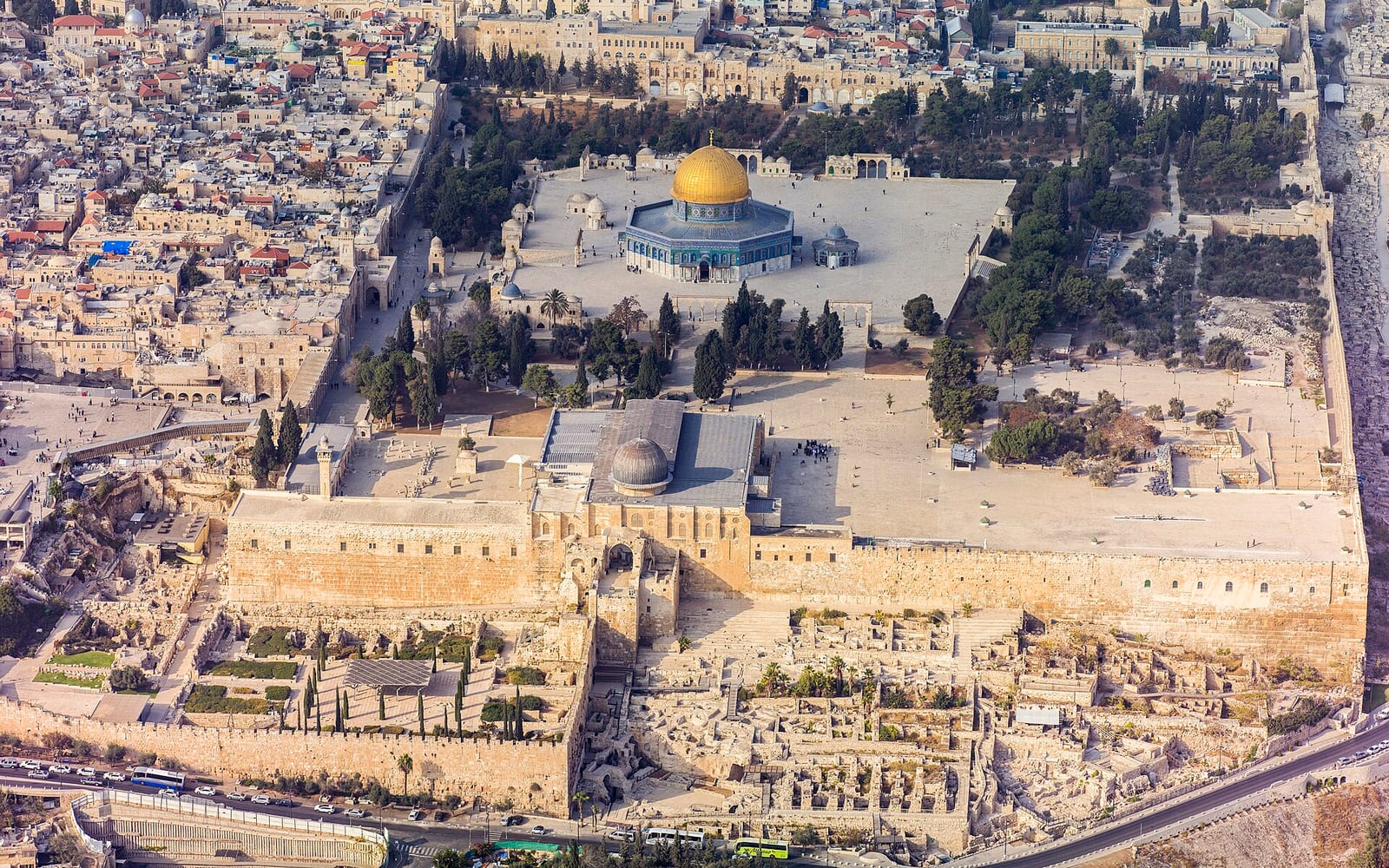
- Jewish Quarter, Jerusalem Old City — the Sephardic heritage is tangible in the neighbourhood’s synagogues, architecture and the Sephardic community that maintained a presence through Ottoman and Mandate periods
- Ladino-speaking communities — small Ladino-speaking communities (Judeo-Spanish derived from medieval Iberian languages) survive in Israel; the National Authority of Ladino (Autoridad Nasionala del Ladino) in Jerusalem preserves this language descended directly from 15th-century Iberian Jewish speech
Important historical note: Portugal enacted a Law of Return for Sephardic descendants in 2015, allowing those who could demonstrate Portuguese Sephardic ancestry to apply for citizenship. This programme was tightened in 2022 and is now closed to new applicants — this is a historical chapter rather than a current active programme. Frame any related content for your Israeli contacts accordingly.
Catholic pilgrimage for Portuguese travellers
Portugal has one of Europe’s strongest Catholic pilgrimage cultures — shaped by Fátima, the Caminho de Santiago, and a long history of missionary enterprise. Portuguese parish groups, diocesan operators and agencies such as Abreu Tours, Turismonet and Viagens Ecuménicas regularly organise Holy Land pilgrimages of 10–14 days.
The core Holy Land pilgrimage circuit
Galilee Region:
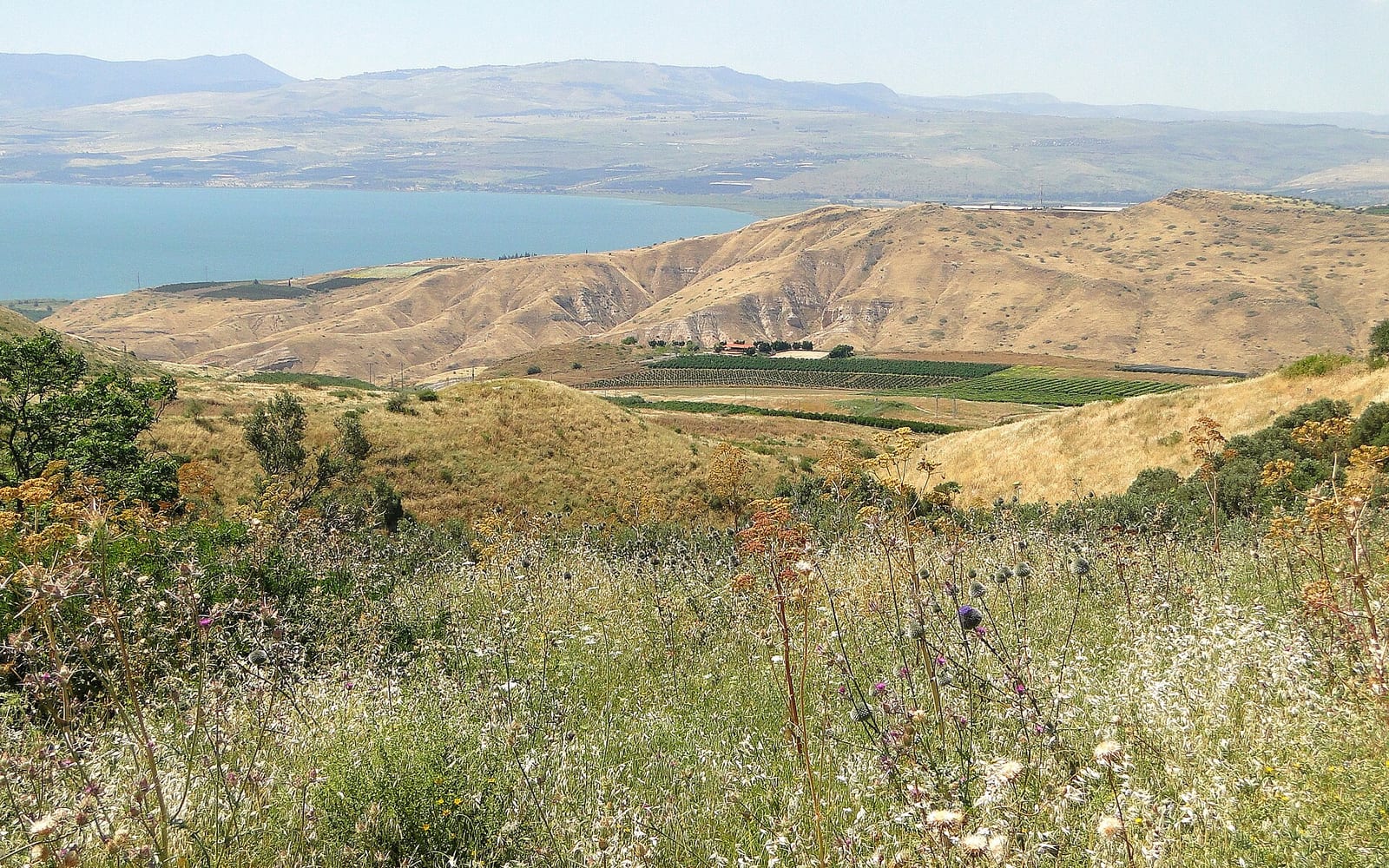
- Sea of Galilee (Kinneret) — traditional wooden boat tours from Tiberias and Ginosar; guides read Gospel passages during the crossing; the Galilee Boat Museum at Kibbutz Ginosar holds a 2,000-year-old wooden fishing boat from the time of Jesus
- Church of the Beatitudes — hilltop Franciscan chapel at the traditional site of the Sermon on the Mount; panoramic views across the lake
- Capernaum — the fishing village where Jesus lived and preached; ancient synagogue ruins, octagonal Byzantine church over Peter’s house
- Mount Tabor — traditional site of the Transfiguration; Franciscan Basilica of the Transfiguration (1924); note that private vehicles cannot drive to the summit — shared taxis operate from Daburiyya village at the base
- Yardenit Baptism Site — many Portuguese pilgrimage groups include baptism or baptismal renewal at the Jordan River; white robes available for hire; see the Jordan River baptism guide for logistics
Nazareth:
- Basilica of the Annunciation — the largest church in the Middle East; the Lower Church’s mosaic collection includes national panels donated by Catholic communities from around the world
- Old Nazareth and Mary’s Well — the traditional water source at the time of the Annunciation
Jerusalem:
- Via Dolorosa — the fourteen Stations of the Cross through the Muslim and Christian Quarters of the Old City; the Franciscan Custody of the Holy Land leads a public procession every Friday afternoon at 15:00; see the Via Dolorosa guide
- Church of the Holy Sepulchre — built over the crucifixion and resurrection sites according to Catholic tradition; the Franciscan Custody of the Holy Land has maintained the Church’s Catholic sections since 1342; no entry fee; early morning (07:00–08:30) is quietest
- Garden of Gethsemane — the ancient olive grove at the foot of the Mount of Olives; the Church of All Nations stands adjacent
- Mount of Olives panorama — sunrise views across the Old City; the Dominus Flevit chapel (where Jesus wept over Jerusalem) is on the descent path
- Room of the Last Supper (Cenacle) — on Mount Zion; the upper room traditionally associated with the Last Supper and Pentecost; free entry; access limited during prayer times
Bethlehem (West Bank):
- Church of the Nativity — the birthplace of Jesus; UNESCO World Heritage Site; located in Bethlehem, Palestinian Authority (Area A); accessible as a half-day trip from Jerusalem via the Checkpoint 300 crossing; see the Jerusalem–Bethlehem day trip guide for full logistics
- Shepherd’s Field and Milk Grotto — Beit Sahour, adjacent to Bethlehem; Franciscan chapel on the traditional site of the shepherds of the nativity narrative
Fátima and the Holy Land: a natural pilgrimage pairing
Many Portuguese Catholic travellers combine a Holy Land visit with an appreciation of Marian apparitions across traditions — the Basilica of the Annunciation in Nazareth, the ancient tradition of the Magnificat, and the role of Mary at multiple Jerusalem sites. For deeper engagement with the sacred geography of the Galilee and Jerusalem, the Christian pilgrimage Holy Land guide covers the full pilgrimage circuit in detail.
Health insurance: CESD/EHIC gap
The CESD/EHIC does not cover Israel
The Cartão Europeu de Seguro de Doença (CESD) — Portugal’s version of the EHIC, issued through the SNS (Serviço Nacional de Saúde) — is valid for emergency medical treatment in EU and EEA countries only. Israel is not a member of the EU or the EEA. Your CESD/EHIC is not accepted in Israeli hospitals, clinics or ambulances.
Medical costs for uninsured tourists in Israel can be substantial — emergency room treatment may cost several thousand euro equivalent.
Before travelling to Israel:
- Check whether your existing travel insurance (seguro de viagem) explicitly covers Israel — not all policies include Middle East destinations
- If not covered, take out a standalone policy including emergency medical, hospitalisation and medical evacuation cover for Israel specifically
- Confirm the policy is valid for Israel — read the exclusions (exclusões) carefully
Portuguese and international providers
- Tranquilidade and Fidelidade — Portugal’s largest travel insurers; confirm Israel coverage before purchasing
- Allianz Portugal and Zurich Portugal — available through brokers and directly
- SafetyWing and World Nomads — international providers popular with Portuguese travellers; both explicitly cover Israel; monthly subscription option suitable for longer stays
Currency and money in Israel
Euro is not the currency in Israel
Israel’s currency is the New Israeli Shekel (₪). Euro cash is occasionally accepted at tourist-oriented shops in the Old City or at large hotels, but you should not rely on paying in euro.
MB Way does not work in Israel
MB Way — Portugal’s domestic mobile payments platform — does not function outside Portugal. MB Way is not accepted at Israeli ATMs, merchants or card terminals. Plan to use one of the alternatives below.
Practical money tips for Portuguese travellers
- Portuguese bank cards (Visa/Mastercard) — Millennium BCP, Caixa Geral de Depósitos (CGD), Novo Banco, Santander Portugal and Montepio Visa/Mastercard debit and credit cards are accepted at Israeli ATMs and card terminals; inform your bank before travel to prevent transactions being blocked
- Revolut — widely used by Portuguese travellers; works at Israeli ATMs at mid-market rates; strongly recommended alongside a standard bank card
- Wise debit card — converts at mid-market rates; a good alternative or complement to Revolut
- Euro cash — bring a small amount to exchange at Israeli cambio offices if needed; exchange desks at Ben Gurion Airport and in Mahane Yehuda and Old City markets are competitive
When withdrawing from Israeli ATMs, always select “charge in local currency (NIS)” — do not accept the terminal’s offer to charge in euro, which applies a bank-unfavourable dynamic conversion rate.
Power adapter
Portugal uses the Type F plug (the Schuko two-round-pin plug; 230V/50Hz). Israel uses the Type H socket (three pins in a distinctive V-shape; 230V/50Hz).
Voltage: Both countries run at 230V — the voltage is identical. Your Portuguese phone chargers, laptop adapters and camera charger will work in Israel with just a plug adapter; no voltage converter is needed.
Adapter: You need a Type F to Type H plug adapter. These are available at Fnac, Worten, El Corte Inglés and Continente stores in Portugal under “adaptador de viagem” or “Type H adapter”; universal travel adapters covering Type H are a reliable alternative. Adapters are also sold at Ben Gurion Airport on arrival.
Mobile phones and connectivity
Portuguese mobile operators — NOS, MEO, Vodafone Portugal and NOS MVNO sub-brands — support international roaming in Israel but roaming rates can be significant. Check your carrier’s international roaming day-pass before departure.
Better options for Portuguese travellers:
- Israeli tourist SIM — available from Golan Telecom and Hot Mobile kiosks in the Ben Gurion Airport arrivals hall (typically open around the clock); a 30-day unlimited-data SIM costs approximately ₪50–90; your phone must be SIM-unlocked — confirm with your Portuguese operator before travel
- eSIM — Airalo and Nomad offer Israel data eSIMs activatable before departure; compatible with most modern iPhones and Android handsets; lets you keep your Portuguese number active for incoming calls while using an Israeli data line
Quick reference for Portuguese travellers
| Item | Detail |
|---|
| Entry requirement | ETA-IL required (not a full visa); apply at iaa.gov.il; ₪25; 72h+ before travel; 2-year multi-entry |
| ETA-IL for groups | Each traveller applies individually — tour operators cannot apply on your behalf |
| MNE advisory | Check portaldascomunidades.mne.gov.pt before booking |
| Flights | TAP Air Portugal LIS–TLV (check flytap.com for current schedule); or connect via Madrid/Amsterdam/Istanbul |
| Currency | New Israeli Shekel (₪); Revolut or Wise recommended; MB Way does NOT work in Israel |
| Payments | Millennium BCP/CGD/Novo Banco Visa/Mastercard works; tell your bank before travel |
| Power | Type H socket (230V = same voltage as Portugal); Type F → Type H adapter only |
| CESD/EHIC | NOT valid in Israel — take out separate travel insurance with medical cover |
| Portuguese Embassy | Embassy of Portugal, Tel Aviv — see portaldascomunidades.mne.gov.pt for contact details |
| Emergency numbers | 100 (police), 101 (ambulance), 102 (fire), 112 (international emergency number) |
Planning your Israel trip from Portugal
A 10–14 day itinerary is well-suited to combining the Holy Land pilgrimage circuit with Sephardic heritage sites from Portugal: 3 nights Jerusalem (Via Dolorosa, Church of the Holy Sepulchre, Western Wall, Cenacle, Jewish Quarter with Sephardic synagogues); a day at the ANU Museum in Tel Aviv (Sephardic heritage galleries); 2 nights Galilee (Sea of Galilee boat, Capernaum, Church of the Beatitudes, Yardenit); a Bethlehem morning (Church of the Nativity); 2 nights Tel Aviv (Jaffa, Mediterranean coast).
The 5 vs 7 vs 10 days guide helps calibrate trip length. For the full pilgrimage circuit in depth, see the Christian pilgrimage Holy Land guide. For the Sephardic angle, the Jewish heritage Israel guide covers the key sites. For transport between cities, see the Israel transportation guide.