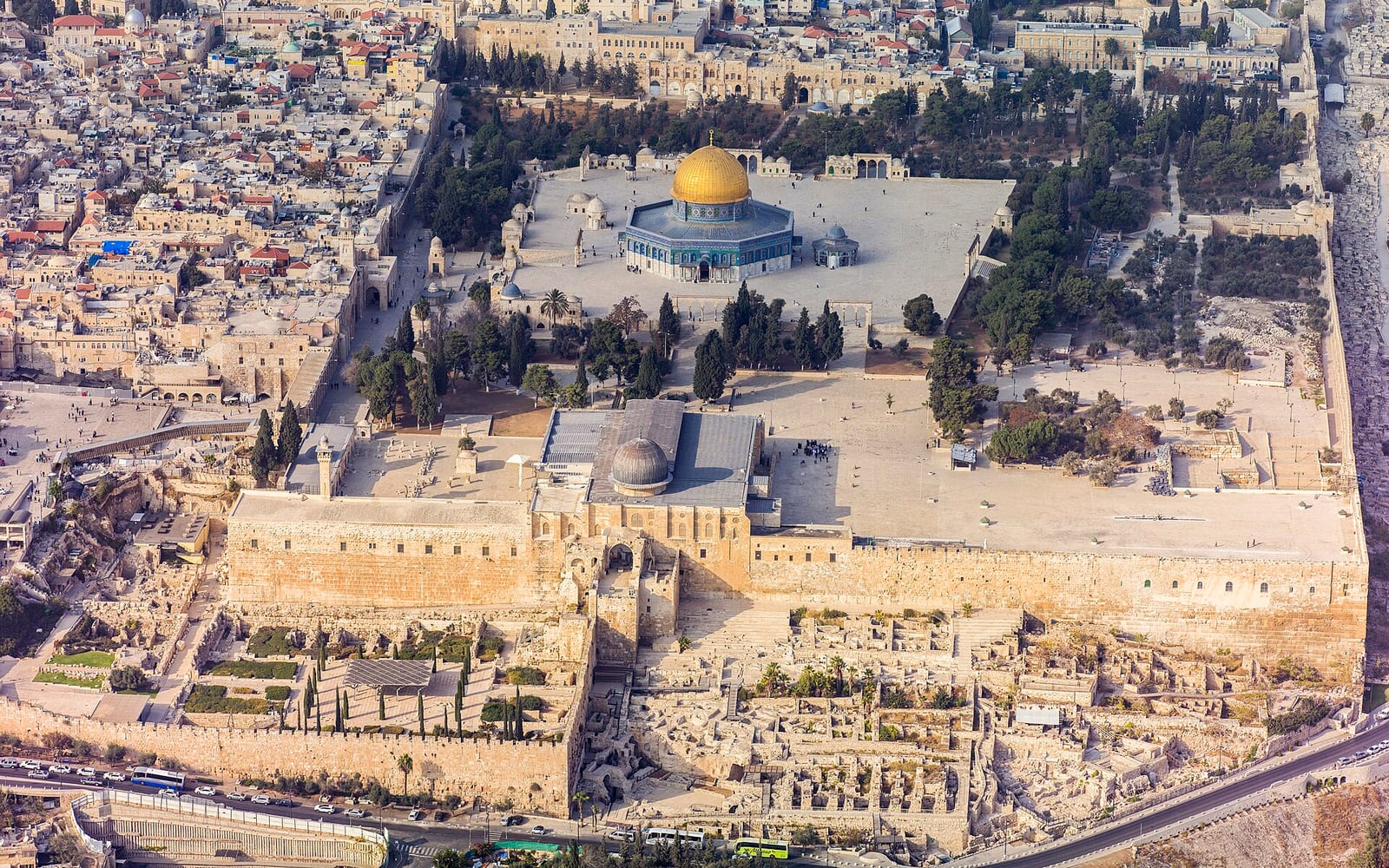
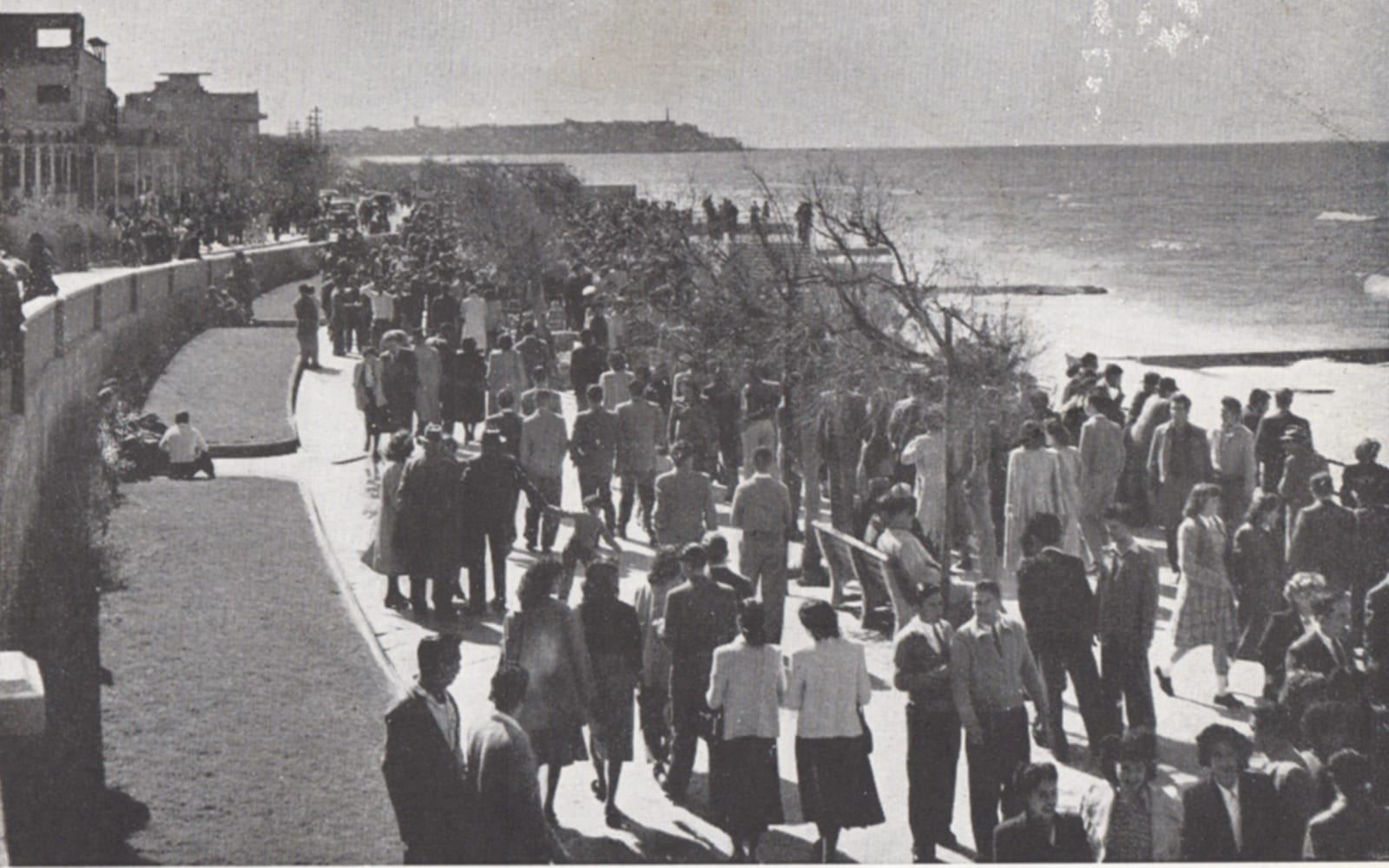
Serbia and the Holy Land share a deep spiritual bond. The Serbian Orthodox Church has maintained a monastic presence in Jerusalem since the 13th century, and pilgrimage to the holy sites remains one of the most significant journeys a Serbian Orthodox Christian can undertake. Wizz Air’s direct BEG–TLV route has made that journey more accessible than ever.
Here is the Serbia-specific practical information you need before you fly.
ETA-IL: required since January 2025
Serbia is on Israel’s visa-exempt list — no visa stamp is required for tourist stays up to 90 days. But since January 2025, all visa-exempt travellers including Serbian citizens must hold an approved ETA-IL (Electronic Travel Authorisation for Israel) before boarding.
Apply at eta.gov.il — the process takes a few minutes, costs approximately ₪25, and approval typically arrives within minutes to a few hours. The ETA-IL is linked to your passport electronically. Organised pilgrimage groups are not exempt — each traveller must apply individually before departure.
Flights from Serbia to Israel
Direct: Wizz Air operates seasonal BEG–TLV nonstop flights from Belgrade Nikola Tesla Airport (approx. 3h30m). Frequency and availability vary by season — check wizzair.com for current schedules before booking.
Via connections: Air Serbia connects Belgrade to Tel Aviv via European hubs when direct Wizz Air service is not available. Travellers from Novi Sad, Niš, or other Serbian cities connect via BEG.
Use the cheap flights to Israel guide for fare-tracking tips and the best booking windows. For arrivals at Tel Aviv, the Ben Gurion Airport guide covers transport to the city center.
Serbian Orthodox pilgrimage
The Serbian Orthodox pilgrimage circuit in the Holy Land is among the most spiritually significant journeys in the Serbian Orthodox tradition:
Srpski Manastir Svetog Đorđa (Jerusalem)
The Serbian Orthodox Monastery of St. George in Jerusalem’s Old City has been a Serbian spiritual landmark for centuries, established during the era of King Stefan Prvovjenčani in the 13th century. Sunday services and major feast-day liturgies are conducted in Serbian. Visiting hours outside services should be confirmed with the monastery before arrival, as schedules change seasonally.
Church of the Holy Sepulchre
The Church of the Holy Sepulchre — the most sacred site in Christianity, enclosing the site of the Crucifixion, burial and Resurrection of Christ — is the centrepiece of Orthodox Christian pilgrimage in Jerusalem. The church is administered under the Ottoman-era Status Quo agreement by the Greek Orthodox, Armenian Apostolic, and Roman Catholic Franciscan communities as its primary custodians. Serbian Orthodox pilgrims worship freely at all shared areas of the church, including the Calvary chapel and the Tomb of Christ, as visitors and pilgrims. The Srpski Manastir Svetog Đorđa nearby provides a base for Serbian worshippers. See the Church of the Holy Sepulchre guide for logistics.
Mount Tabor — the Transfiguration
Mount Tabor (approx. 575m above the Jezreel Valley, ~40 minutes from Nazareth) is the traditionally accepted site of the Transfiguration of Christ — a major feast in the Eastern Orthodox calendar (6 August/19 August Old Style). A Franciscan basilica crowns the summit; an Orthodox church is present near the top. The site is deeply resonant for Serbian Orthodox pilgrims. A winding road to the summit is served by minibuses from the base of the mountain.
Bethlehem — Church of the Nativity
Bethlehem, located 10 km south of Jerusalem, is accessible by Palestinian bus or shared taxi from Damascus Gate or through an organised tour. The Church of the Nativity — jointly administered by Greek Orthodox, Armenian Apostolic and Roman Catholic churches, with the Grotto of the Nativity managed by the Greek Orthodox — is a primary pilgrimage destination for Orthodox Christians.
Yardenit — Jordan River baptism
Yardenit on the southern end of the Sea of Galilee is the main baptism site accessible to tourists; the site offers changing facilities, white robes for purchase, and a calm stretch of the Jordan River. Renewal of baptismal vows is a common practice for Orthodox pilgrims here. The Jordan River baptism guide covers all accessible sites.
Sea of Galilee and Galilee region
The Sea of Galilee (Kinneret) — where the Gospels set much of Christ’s ministry — is a centrepiece of Orthodox Holy Land pilgrimage. Traditional-style boat tours from Tiberias evoke the Gospel narratives. Capernaum (ruins of the synagogue where Christ preached), the Mount of Beatitudes, and Magdala (Mary Magdalene’s city, with a recently excavated first-century synagogue) are all accessible in the Galilee.
The Christian pilgrimage to the Holy Land guide covers the full pilgrimage circuit.
Serbia–Israel historical connection
Several Serbian individuals are recognised in Yad Vashem as Righteous Among the Nations — non-Jews who risked their lives to protect Jews during the Holocaust. While the Serbian Jewish community today numbers only a few thousand in Belgrade, the shared wartime memory creates a meaningful connection for heritage visitors. The Belgrade Old Jewish Quarter (near Dorćol) and the Jewish Historical Museum in Belgrade contextualise the community’s pre-war roots before a trip to Israel.
Currency and payments
Israel uses the New Israeli Shekel (ILS, ₪). Exchange in Belgrade before departure (Serbian banks and exchange offices typically offer competitive rates) or withdraw from Israeli ATMs on arrival.
DinaCard does not work outside Serbia. You need a physical Visa or Mastercard for purchases and ATM withdrawals. Cards issued by Banca Intesa Serbia, UniCredit Srbija, Erste Srbija, OTP Banka Srbija and other Serbian banks on the Visa or Mastercard networks function normally in Israel. Contactless payment is standard at Israeli terminals. Apple Pay and Google Pay work widely.
Cash: carry some shekels for smaller markets, tips and entry fees at smaller religious sites.
Power adapter
Serbia uses Type F Schuko plugs (two round pins, 230V/50Hz). Israel uses Type H sockets (three flat pins in a Y-shape), though most modern Israeli sockets also accept Type C (two thin round pins).
The voltage is identical (230V), so no voltage converter is needed — only a plug adapter. A simple Type F to Type H or Type C adapter costs a few hundred dinars at Serbian electronics stores. Bring one from home; airport adapters at BEG tend to be expensive.
Mobile and connectivity
Standard Serbian SIM plans (mt:s, A1, Yettel) do not include Israel in roaming bundles. Options:
- eSIM before departure — the most convenient option; load an Israel data eSIM before you fly. See the Israel eSIM guide.
- Local Israeli SIM — available at Ben Gurion Airport arrivals hall (Hot Mobile, Cellcom, Partner). Works well for longer stays.
- WhatsApp and Viber — widely used in Israel; Wi-Fi is available at most hotels, cafés and hostels.
Airport security
Israeli airport security is thorough and may include a detailed security interview before check-in at Ben Gurion. Questions typically cover your purpose of travel, accommodation and itinerary. The process is professional: answer honestly and directly. Serbian passports are routinely processed.
Practical tips: arrive at least 3 hours before your international departure; have hotel bookings, your ETA-IL confirmation and itinerary accessible; keep your monastery or pilgrimage group contact details to hand if asked about your visit.
- Embassy of Serbia in Israel: 9 Havakuk Street, Tel Aviv — mfa.gov.rs/en/missions/embassy-tel-aviv
- Embassy of Israel in Serbia: Bulevar Vojvode Mišića 51, Belgrade — embassies.gov.il
- Serbian Ministry of Foreign Affairs travel advisory: mfa.gov.rs — check the current level before booking
- Emergency numbers in Israel: 100 (police), 101 (ambulance), 102 (fire)
Quick reference: Serbia → Israel
| Topic | Detail |
|---|
| Visa | Not required (up to 90 days) |
| ETA-IL | Required — apply at eta.gov.il; individual application even for group tours |
| Direct flights | Wizz Air BEG–TLV seasonal (≈3h30m); verify schedule at wizzair.com |
| Connections | Air Serbia + European hubs |
| Power adapter | Type F Schuko → Type H (adapter only; same 230V voltage) |
| Currency | New Israeli Shekel (ILS/₪); Visa/Mastercard required |
| DinaCard | Does not work in Israel |
| Pilgrimage site | Srpski Manastir Svetog Đorđa, Old City Jerusalem |
| Emergency number | 100 (police), 101 (ambulance), 102 (fire) |
| Serbian Embassy | 9 Havakuk Street, Tel Aviv |
Planning your trip
The first-time in Israel guide covers the core planning framework — what to see, when to go, and how to structure a first visit. For an itinerary built around the pilgrimage circuit, see the Christian pilgrimage to the Holy Land guide and 7 days in Israel. The best time to visit guide covers seasonal considerations — Easter week and the summer months are the busiest periods for Jerusalem pilgrimages, with accommodation needing to be booked months in advance.