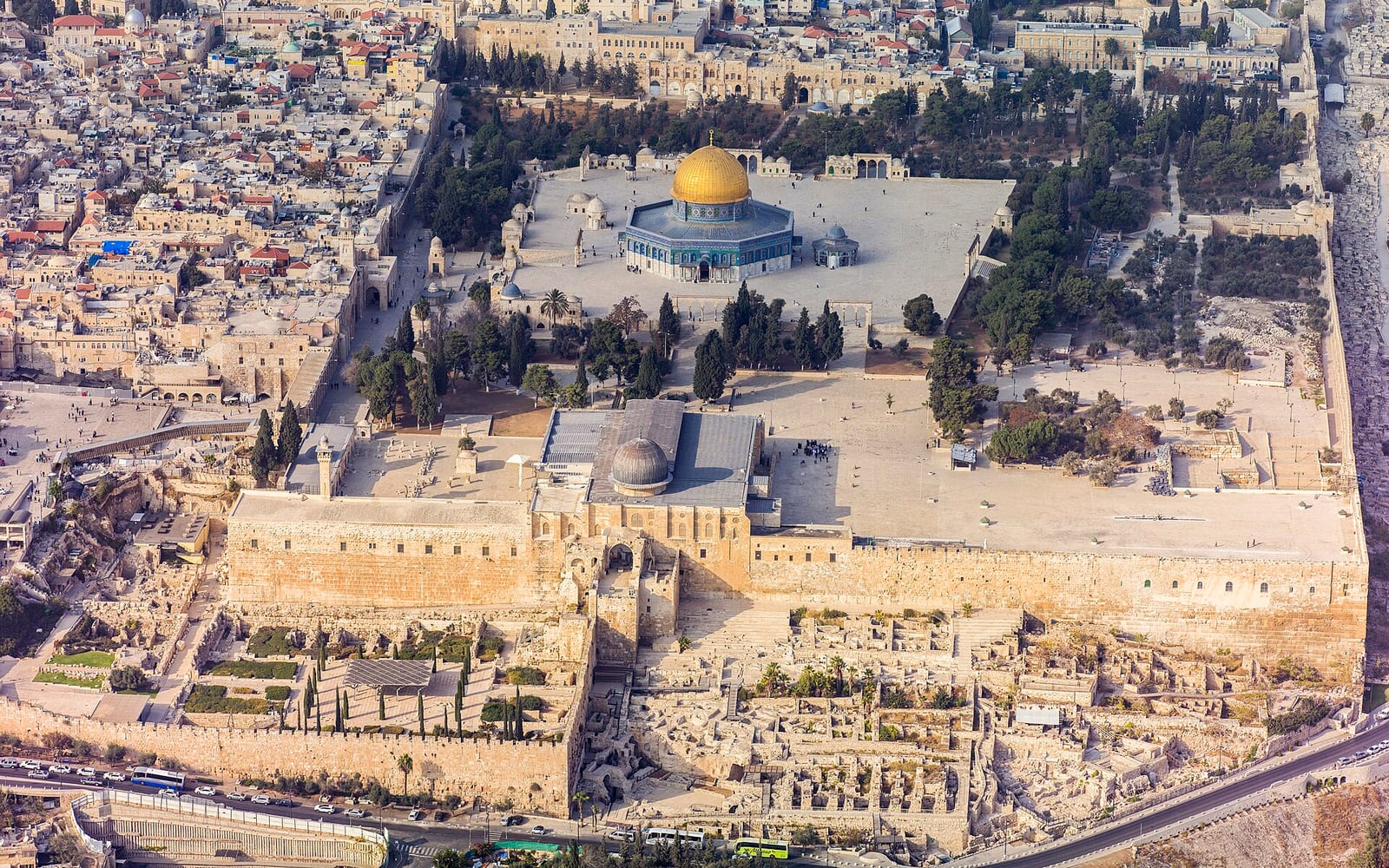
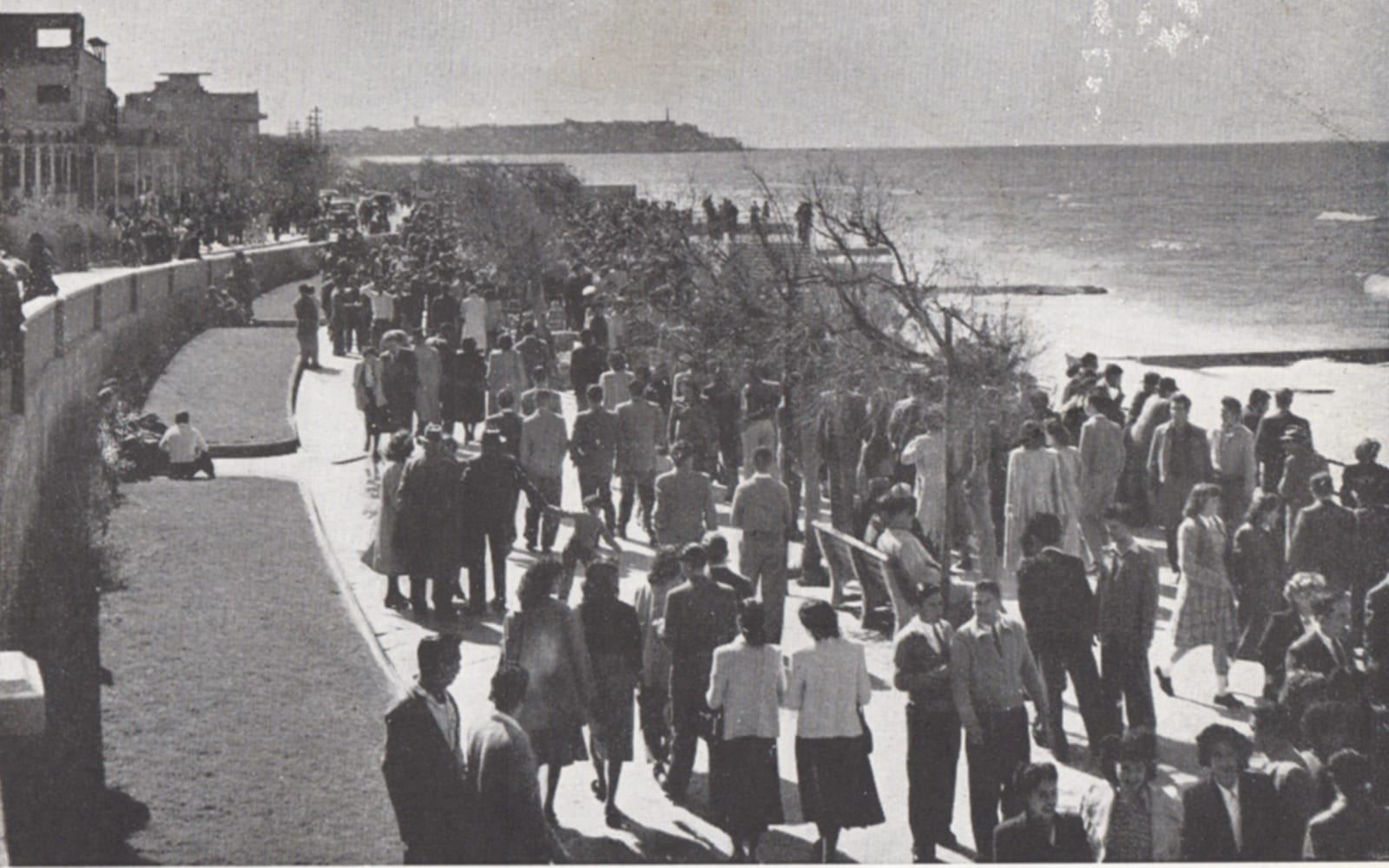
Spain and Israel share more history than most Spanish travellers realise: the 1492 Alhambra Decree expelled the Sephardic Jewish community from the Iberian Peninsula, scattering families across the Ottoman world and beyond. Their descendants — and Ladino, the Judeo-Spanish language they preserved — are part of modern Israel’s fabric. That historical thread makes Israel a destination with unusual personal resonance for Spanish visitors, alongside the standard mix of Jerusalem, the Dead Sea and Tel Aviv’s beach culture.
Here is the practical Spain-specific information you need before you fly.
ETA-IL: required since January 2025
Spain is visa-exempt for Israel — no visa stamp required for tourist stays up to 90 days. But since January 2025, all visa-exempt travellers including Spanish citizens must hold an approved ETA-IL (Electronic Travel Authorisation for Israel) before boarding.
Apply at eta.gov.il — the process takes a few minutes online and approval typically arrives within minutes to a few hours (occasionally longer around holidays). The ETA-IL is linked to your passport electronically; there is no physical document to print, though keeping the approval confirmation email is sensible. Airlines now routinely check ETA-IL status at check-in.
Cost: a small processing fee applies (check the official site for the current amount). Validity: tied to your passport; if you renew your passport, you need a new ETA-IL.
Flights from Spain to Israel
Direct: Two carriers now operate direct Spain–Israel services. Arkia launched a weekly TLV–Málaga (AGP) route in July 2026 — the first scheduled direct connection between Israel and southern Spain. Israir is adding direct Madrid (MAD)–Tel Aviv flights from October 25, 2026, with 3 weekly departures on an A320 — the first nonstop Madrid–Tel Aviv option. Verify current schedules at arkia.com and israir.com before booking, as route frequency can change. Flight time on a direct service is approximately 4–5 hours.
One-stop: El Al connects Tel Aviv with both Madrid (MAD) and Barcelona (BCN) via codeshare arrangements. Iberia (via Madrid, often connecting through Rome or other hubs) and Vueling operate competing routes. Wizz Air runs seasonal services from Valencia, Alicante and other Spanish cities, typically via a hub. Note: Ryanair has suspended all Israel flights since 2023 (no restart confirmed for summer 2026).
Use the cheap flights to Israel guide for fare-tracking tools and the best booking windows.
For arrivals at Tel Aviv, see the Ben Gurion Airport guide for transport into the city. For Eilat arrivals (Red Sea trips), see the Ramon Airport guide.
Sephardic heritage: a Spanish-specific thread
The Jewish Quarter of Jerusalem’s Old City contains several Sephardic synagogues — the Ben Zakkai Synagogue complex dates to the 17th century and was built by Sephardic immigrants from Spain and Portugal. In Safed (Tzfat) in the Galilee, the 16th-century Sephardic community produced the Kabbalistic tradition; the old synagogues there still carry Spanish-origin names. The ANU — Museum of the Jewish People in Tel Aviv traces the full Sephardic diaspora, with material on the Ladino language and Iberian Jewish life before 1492.
If you (or your family) applied under Spain’s 2015 Sephardic nationality restoration law, you may find specific genealogical connections in Israeli archival institutions.
For the broader cultural and archaeological context, the Jerusalem and Galilee destination guides cover the full site landscape.
Health insurance: TSE/EHIC does not apply
The Tarjeta Sanitaria Europea (TSE / EHIC) is an EU scheme and does not provide cover in Israel — Israel is not part of the European Economic Area. Spanish travellers need a private travel insurance policy with medical and emergency repatriation cover specifically valid for Israel before they travel.
See the Israel travel insurance guide for what to look for in a policy — specifically medical evacuation cover, given the cost of emergency air transport from the region.
Currency and payments
Israel uses the New Israeli Shekel (ILS, ₪). The exchange rate from euros is straightforward to check; avoid exchanging at the airport in Spain. Ben Gurion Airport has competitive exchange counters, and city-centre exchange offices in Tel Aviv and Jerusalem generally offer good rates without commission.
Cards: Visa and Mastercard from Spanish banks (BBVA, CaixaBank, Santander, Sabadell, etc.) work reliably throughout Israel at restaurants, shops, hotels and most markets. Contactless is universally accepted. Bizum does not work in Israel — it is a closed Spanish interbank system with no international connectivity. Apple Pay and Google Pay work if your Spanish bank card is enrolled.
Cash: carry some shekels for the Arab market (Old City, Nazareth shuk) and tips. ATMs across Israel dispense shekels; Cirrus/Maestro networks are supported.
Power adapter
Spain uses Type F plugs (two round pins, Schuko standard, 230V/50Hz). Israel uses Type H sockets (three flat pins in a Y-shape), but most Israeli sockets also physically accept Type C (two thin round pins).
A universal Type C/F to H travel adapter covers both pin shapes and costs a few euros. Buy one before you leave — Spanish airport shops usually stock them. Voltage is identical (230V) so no transformer or voltage converter is needed for Spanish laptops, phone chargers or cameras.
Mobile and connectivity
Spanish SIM cards typically do not include Israel in their roaming plans, or charge high per-MB rates. The most cost-effective option is an eSIM for Israel loaded before you travel — see the Israel eSIM guide for recommended providers and data plans. Alternatively, local Israeli SIMs are available at Ben Gurion Airport arrivals. WhatsApp and standard messaging apps work throughout Israel over Wi-Fi or data.
Airport security
Israeli airport security is the most thorough in the world. Expect a security interview (questions about your trip, where you are staying, your employment) before check-in at Ben Gurion. The process is professional and the questions are predictable — answer honestly and directly.
Practical tips: arrive at least 3 hours before an international departure; have your hotel booking and itinerary accessible (not required, but speeds the conversation); Spanish passports are well-known to security staff and the EU exemption is well-understood. See the Ben Gurion Airport guide for the full security flow.
Quick reference: Spain → Israel
| Topic | Detail |
|---|
| Visa | Not required (up to 90 days) |
| ETA-IL | Required — apply at eta.gov.il before departure |
| Direct flights | Arkia TLV ↔ Málaga (AGP) weekly from July 2026 |
| Main hubs | MAD, BCN, AGP; also VLC, ALC seasonal |
| Health cover | TSE/EHIC not valid — private travel insurance required |
| Power adapter | Type F (Spain) → Type H (Israel); same voltage (230V) |
| Currency | New Israeli Shekel (ILS/₪); cards (Visa/MC) widely accepted |
| Bizum | Does not work in Israel |
| Emergency number | 100 (police), 101 (ambulance), 102 (fire) |
| Spanish embassy | Embassy of Spain in Tel Aviv — exteriores.gob.es |
Planning your trip
The first-time in Israel guide covers the core planning framework — what to see, when to go, and how to structure a first visit. For itinerary starting points see 7 days in Israel and 10 days in Israel. The best time to visit guide covers seasonal considerations — shoulder seasons (April–May and October–November) offer the best weather-to-crowd ratio for Spanish visitors used to summer heat.
For the ETA-IL application step-by-step and the full entry requirements picture, see the Israel ETA-IL guide.