Portugal and Israel have both become prominent in 2026 travel conversation — Portugal as one of Europe’s fastest-rising cultural destinations, Israel as a compact Middle Eastern country with millennia of history that rewards careful planning. Both offer warm weather, excellent food, and photogenic old cities. Both draw visitors seeking something more than a beach package holiday. The question is which suits your particular travel style — or whether a combined itinerary makes sense.
Side by side
| Criterion | Israel | Portugal |
|---|
| Best known for | Jerusalem, Dead Sea, Tel Aviv, Masada, the Galilee | Lisbon, Porto, Algarve, Sintra, Azores, fado culture |
| Historical focus | Jewish, Christian and Islamic — three world religions converging in one walled city | Moorish, Age of Discovery, Sephardic Jewish, colonial Atlantic history |
| Country size | 22,072 km² (compact — most sights within a day’s drive) | 92,212 km² (manageable; north–south train or budget-flight distance) |
| Coastline | 273 km (Mediterranean + Red Sea at Eilat) | 1,794 km (Atlantic — west coast surf, Algarve limestone cliffs, Azores) |
| Typical mid-range daily cost | ₪600–900 / person (approx €150–230) | Noticeably lower — €80–160 including accommodation, meals, transport |
| Visa | ETA-IL (~USD 7, online before travel) | Schengen — visa-free for most Western nationals (90 days in 180) |
| Flight time from London | ~4.5 hrs (Ben Gurion, TLV) | ~2.5 hrs (Lisbon, LIS) |
| Flight time from New York | ~10–11 hrs (TLV) | ~7 hrs (Lisbon, LIS) |
| English coverage | Very high in tourist areas and urban centres | Good in Lisbon/Porto; variable in rural interior |
| Best season | Spring (Mar–May) and autumn (Sep–Nov) | Spring (Apr–Jun) and early autumn (Sep–Oct); Algarve peak July–August |
| Sea temperature | Mediterranean 22–28°C summer; Red Sea 22–27°C year-round | Atlantic 16–22°C — cooler than Mediterranean; Algarve warmer |
| Best for | Religious history, unique natural wonders, compact dense itinerary | Atlantic beaches, café culture, Moorish heritage, budget-friendly travel |
History and culture
Israel’s historical depth is unique in the world for religious and archaeological significance. Jerusalem’s Old City — a one-square-kilometre UNESCO World Heritage Site — holds within its ancient walls the Western Wall (Judaism’s holiest accessible site), the Church of the Holy Sepulchre (the traditional site of the Crucifixion and Resurrection), and the Dome of the Rock on the Temple Mount/Haram al-Sharif, one of Islam’s holiest shrines. Below ground, the City of David excavations reach back three millennia. Masada, Caesarea’s Roman theatre, the Sea of Galilee, and the Dead Sea Scrolls at the Israel Museum add layers that could fill weeks of travel.
Portugal’s history is equally distinctive in character. Lisbon’s Alfama district preserves Moorish Medina roots; the Jerónimos Monastery and Tower of Belém are masterpieces of Manueline Gothic, a Portuguese style that absorbed Moorish geometric ornament into Gothic stonework as the country launched its Age of Discovery. Porto’s historic Ribeira (another UNESCO site) lines the Douro riverbank with azulejo-tiled houses. Sintra’s royal palaces and UNESCO cultural landscape climb forested hills 40 minutes from Lisbon. The Alentejo has Roman ruins at Évora, cork oak plains, and medieval walled hilltop towns.
The Sephardic Jewish connection between the two countries is profound: Portugal’s 1497 forced conversion edict scattered a Jewish community to North Africa, the Ottoman Empire and eventually to the land that would become Israel. Visiting Lisbon, Tomar’s ancient synagogue, and Belmonte alongside Jerusalem creates one of the most poignant historical itineraries available.
Food and cuisine
Portuguese cuisine is built on excellent Atlantic seafood, simple preparation, and quality ingredients: bacalhau (salt cod in over 365 recipes), grilled sardines, cataplana (copper-pot shellfish stew), piri-piri chicken, pastel de nata custard tarts. Lisbon’s Time Out Market has elevated the concept of the food hall to a city-level experience. Porto’s francesinha (a pork-and-cheese sandwich drenched in beer sauce) is a regional classic with cult status. Port wine from the Douro Valley and Vinho Verde from the Minho are among Portugal’s defining exports.
Israeli cuisine is one of the world’s most dynamic food movements, drawing on 70-plus diaspora traditions alongside the native Levantine table. Hummus ground fresh each morning, shakshuka, falafel, sabich (fried aubergine in pitta), and knafeh (cheese and semolina pastry soaked in syrup) are everyday foods at very high quality. Tel Aviv has earned a reputation as one of the world’s most creative restaurant cities. Both countries have vibrant wine cultures — Israel’s wine industry, centred in the Galilee and Judean Hills, has made remarkable quality strides since the 1990s.
Beaches
Portugal’s Atlantic coastline is one of Europe’s most celebrated. The Algarve’s dramatic limestone formations at Praia da Marinha, Praia de Benagil cave, and Ponta da Piedade are among the most photographed coastal landscapes in Europe. Further west, the Costa Vicentina (part of the Parque Natural do Sudoeste Alentejano e Costa Vicentina) is relatively undeveloped Atlantic beach. Surf spots at Nazaré, Ericeira and Peniche attract international riders; Cascais is an easy day trip from Lisbon.
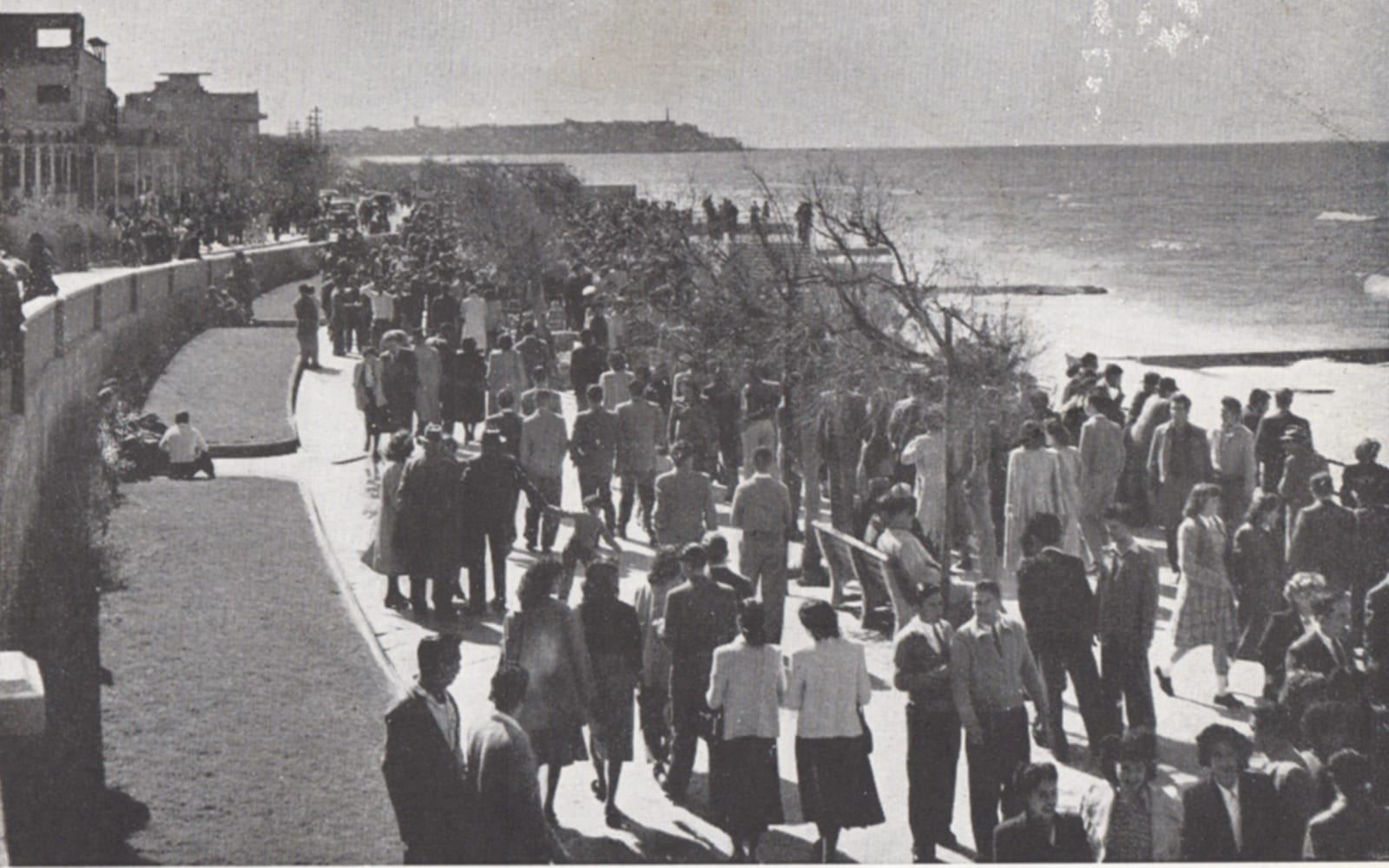
Israel’s Mediterranean beaches are urban and accessible — Tel Aviv’s beach strip runs 14 kilometres through the city. The Red Sea at Eilat, at the southern tip of the Negev, offers year-round warm water (22–27°C) and coral reef diving without a tropical long-haul flight. The Dead Sea, while not a beach in the traditional sense, is an unmissable natural wonder: floating on its hyper-saline surface is one of travel’s genuinely singular experiences. See the Dead Sea guide and the best beaches in Israel for access and logistics.
Costs
Portugal remains one of Western Europe’s best-value destinations for mid-range travellers. Accommodation in Lisbon’s Bairro Alto or Porto’s Ribeira at a good three-star level runs €80–140 per night; a full dinner at a tasca with wine rarely exceeds €25–35 per person. Budget travellers can eat well at local tascas for €10–15. Algarve high-season pricing is higher but still below comparable Mediterranean coastal areas in France or Catalonia.
Israel carries a consistent premium. Mid-range hotel costs run ₪600–1,400 per night in Tel Aviv (approx €160–370), with Jerusalem offering somewhat lower rates. Restaurant meals at a mid-range level run ₪80–150 per person. The Israel cost and budget guide provides full tier breakdowns.
Safety
Portugal is one of the safest countries in the world and consistently ranks among the global top 10 on peace indices. Violent crime is extremely low; the main concern in tourist areas is petty theft around Lisbon’s historic trams and at major viewpoints.
Israel is safe for mainstream tourist itineraries but requires some pre-travel research. A high-visibility security infrastructure operates throughout the country — bag checks at hotels, markets and sites; airport security more rigorous than most international airports. The regional geopolitical environment is complex; always check your government’s current advisory before travel. The is Israel safe guide provides the full context.
Choose Israel if…
- The depth and density of religious and historical sites is your primary draw
- The Dead Sea float, Masada sunrise, and Sea of Galilee are on your travel bucket list
- You want a unique experience without a long-haul flight from Europe
- Tel Aviv’s beach-and-nightlife combination appeals alongside ancient Jerusalem
- A first visit to Israel has been on your list for years
Choose Portugal if…
- Atlantic beaches, dramatic coastal cliffs and surf are your main travel interest
- Budget is a primary consideration — Portugal offers better value for money
- Café culture, fado music, and a slower pace suit your travel style
- You want easy Schengen access and well-established tourist infrastructure
- You are comparing two warm-weather European options and need an easy entry process
Combining Israel and Portugal
There is no direct flight between Tel Aviv (TLV) and Lisbon (LIS); routing through Madrid, Zurich, London or Frankfurt adds a connection but keeps total travel time reasonable at around 6–8 hours depending on the route. A three-week itinerary could comfortably do justice to both: ten nights in Israel covering Jerusalem, the Dead Sea, Tel Aviv and a day in the Galilee; ten nights in Portugal covering Lisbon, Sintra, Porto and three nights in the Algarve. The contrast between Israel’s Middle Eastern desert landscape and Jerusalem’s ancient stones, and Portugal’s Atlantic coast with Lisbon’s terracotta rooftops, is one of the most striking two-country combinations in the Mediterranean-adjacent world.
For travellers drawn to the israel-vs-spain comparison, note that Spain and Portugal pair naturally into a longer Iberian leg that can be combined with Israel into a three-country itinerary covering several millennia of Western and Middle Eastern history.