Spain and Israel are both Mediterranean countries with ancient roots, brilliant food scenes, year-round sun in their southern regions, and cities that reward extended exploration. Spain is Europe’s second-largest country by land area; Israel is one of its smallest sovereign states. Spain receives over 80 million tourists a year; Israel receives 3–4 million in a typical year. The gap in scale masks a more fundamental similarity: both are destinations where layers of civilisation — Jewish, Christian, Islamic — are physically present in the same streets, buildings and neighbourhoods. For travellers weighing a 2026 Mediterranean trip, the comparison is worth unpacking carefully.
Side by side
| Criterion | Israel | Spain |
|---|
| Best known for | Jerusalem, Dead Sea, Tel Aviv, the Galilee, Masada | Barcelona, Madrid, Seville, Granada, the Alhambra, Camino de Santiago |
| Historical focus | Jewish, Christian and Islamic — three world religions in one walled city | Roman, Visigothic, Moorish (Al-Andalus), Catholic Reconquista, Golden Age |
| Country size | 22,072 km² (very compact — most sights within a day’s drive) | 505,990 km² (one of Europe’s largest countries) |
| Coastline | 273 km (Mediterranean + Red Sea at Eilat) | 4,964 km mainland + Balearics + Canaries |
| Typical mid-range daily cost | ₪600–900 / person (approx €150–230) | Broadly lower — €90–170 outside Barcelona/Madrid/Balearics peak season |
| Visa | ETA-IL (~USD 7, online before travel) | Schengen — visa-free for most Western nationals (90 days in 180) |
| Flight time from London | ~4.5 hrs (Ben Gurion, TLV) | ~2.5 hrs (Madrid, MAD) |
| Flight time from New York | ~10–11 hrs (TLV) | ~8 hrs (Madrid, MAD) |
| English coverage | Very high in tourist areas and urban centres | Good in Barcelona/Madrid/coastal resorts; variable in rural interior |
| Best season | Spring (Mar–May) and autumn (Sep–Nov) | Spring (Apr–Jun) and autumn (Sep–Oct); Andalusia scorching in peak summer |
| Religious and cultural heritage | Jewish, Christian, Islamic — tightly interlocked in one city | Christian, Islamic (Al-Andalus) — across a large geographic area |
| Best for | Religious history, layered civilisation, unique natural wonders (Dead Sea) | Architectural grandeur, beaches, food culture, city breaks, Camino pilgrimage |
History and culture
Israel’s historical concentration is extraordinary. Jerusalem’s Old City — less than one square kilometre — holds within its ancient walls the Western Wall (Judaism’s holiest accessible site), the Church of the Holy Sepulchre (Christianity’s most sacred location), and the Dome of the Rock on the Temple Mount/Haram al-Sharif (one of Islam’s holiest shrines). You can walk between them in 20 minutes. Underground, the City of David excavations reveal 3,000 years of settlement; Masada, the Herodian fortress above the Dead Sea, tells the story of the Jewish revolt against Rome. The Dead Sea Scrolls, housed in the Israel Museum’s Shrine of the Book, are among the most significant manuscript discoveries in human history.
Spain’s history is written across a vast landscape. The Alhambra in Granada — a Nasrid palace and fortress complex built under the last Muslim rulers of Iberia — is one of the world’s great architectural achievements, its geometric tilework and muqarnas ceilings unrivalled in Western Europe. The Mezquita of Córdoba, a vast 8th-century mosque converted to a cathedral (with the 16th-century nave inserted into its forest of double-arched columns), is a physical record of Al-Andalus civilisation. Barcelona’s Gaudí buildings — Sagrada Família, Park Güell, Casa Batlló — represent a singular architectural vision. The Camino de Santiago pilgrimage routes attract over 400,000 walkers annually. Toledo’s Jewish Quarter preserves the El Tránsito Synagogue and the Santa María la Blanca (a 12th-century synagogue, later a church), relics of one of medieval Europe’s most sophisticated Jewish communities before the 1492 Expulsion.
The Sephardic connection between Spain and Israel is one of history’s most poignant threads: in 1492, the same year Columbus sailed with Spanish backing, the Alhambra Decree expelled Jews from the Spanish Crown’s territories. Descendants who maintained the Sephardic tradition — speaking Ladino, preserving medieval Castilian customs — eventually settled in many parts of the Ottoman Empire, including the Land of Israel. Spain’s 2015 Sephardic citizenship law acknowledged this history. Travellers interested in this arc will find Spain and Israel together one of the most emotionally resonant heritage itineraries available.
Food and cuisine
Spanish cuisine varies dramatically by region and is built on exceptional raw ingredients. Tapas in Seville and Granada (complimentary with drinks, a tradition surviving mainly in Andalusia and Granada); pintxos in San Sebastián’s Old Town (the densest concentration of Michelin stars in Europe per square kilometre); Catalan cuisine in Barcelona; Valencian paella; Iberian jamón served carved at room temperature; churros with thick drinking chocolate; Rioja and Albariño wines. Spain has more Michelin-starred restaurants than any country except France and Japan.
Israeli cuisine is one of the world’s fastest-rising food movements. Tel Aviv is consistently cited by international food media as one of the most creative restaurant cities globally. The Levantine table — hummus, falafel, shakshuka, sabich, labneh — meets 70-plus diaspora traditions in the same city. The Mahane Yehuda market in Jerusalem, the Carmel Market in Tel Aviv, and the Levinsky spice market each offer an extraordinary sensory experience. Israeli wine from the Galilee and Judean Hills has matured significantly over the past two decades. Both countries reward dedicated food travel in different ways.
Beaches and outdoors
Spain has one of Europe’s most extensive and varied coastlines. The Costa Brava north of Barcelona offers dramatic cove beaches and clear Mediterranean water; the Costa del Sol from Málaga to Marbella is the classic bucket-and-spade resort coast; the Balearic Islands (Majorca, Minorca, Ibiza, Formentera) have some of the Mediterranean’s finest beaches; the Canary Islands provide year-round warmth with volcanic landscapes on Lanzarote and Tenerife. Inland, the Picos de Europa, Pyrenees, and Sierra Nevada offer serious mountain hiking.
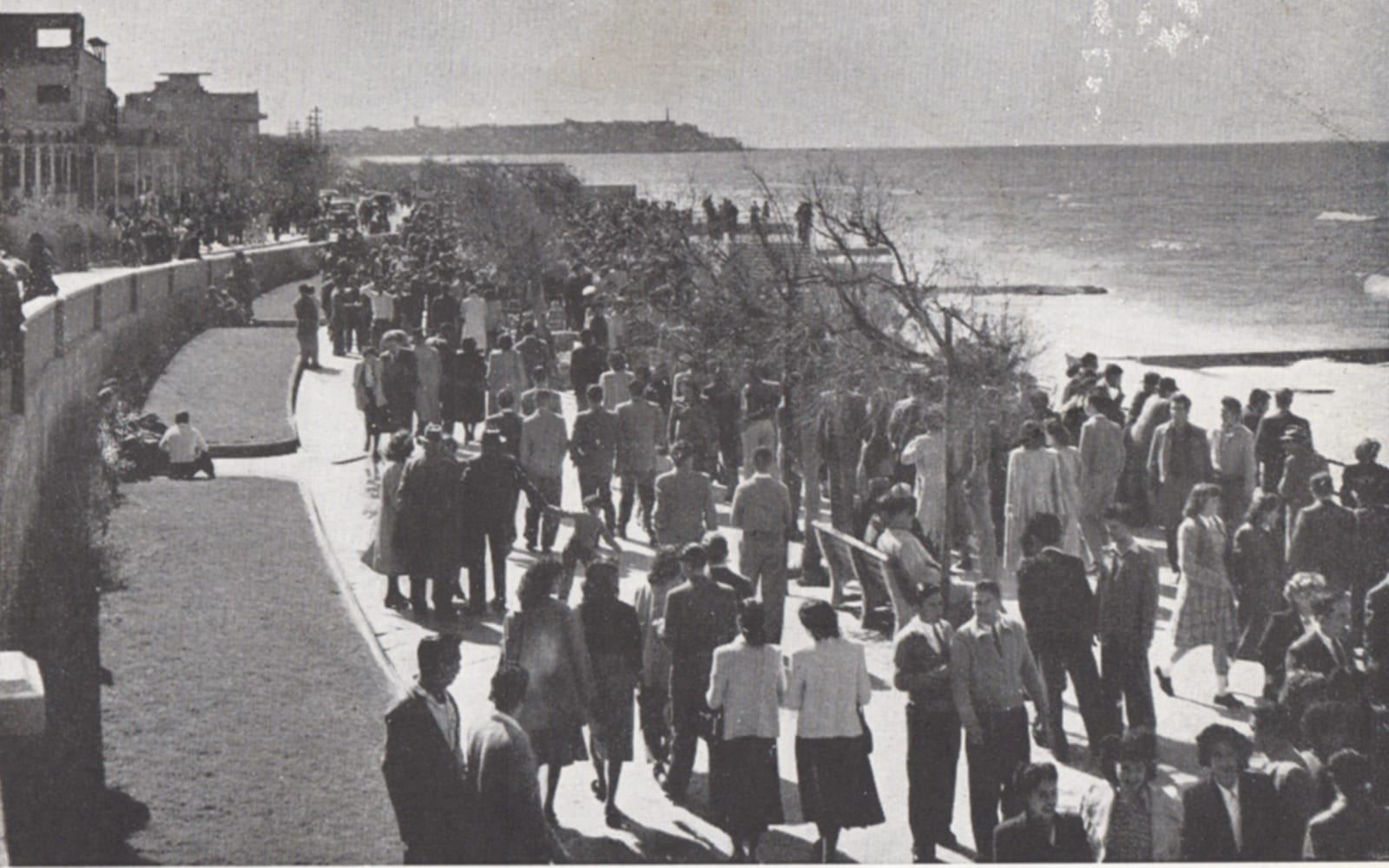
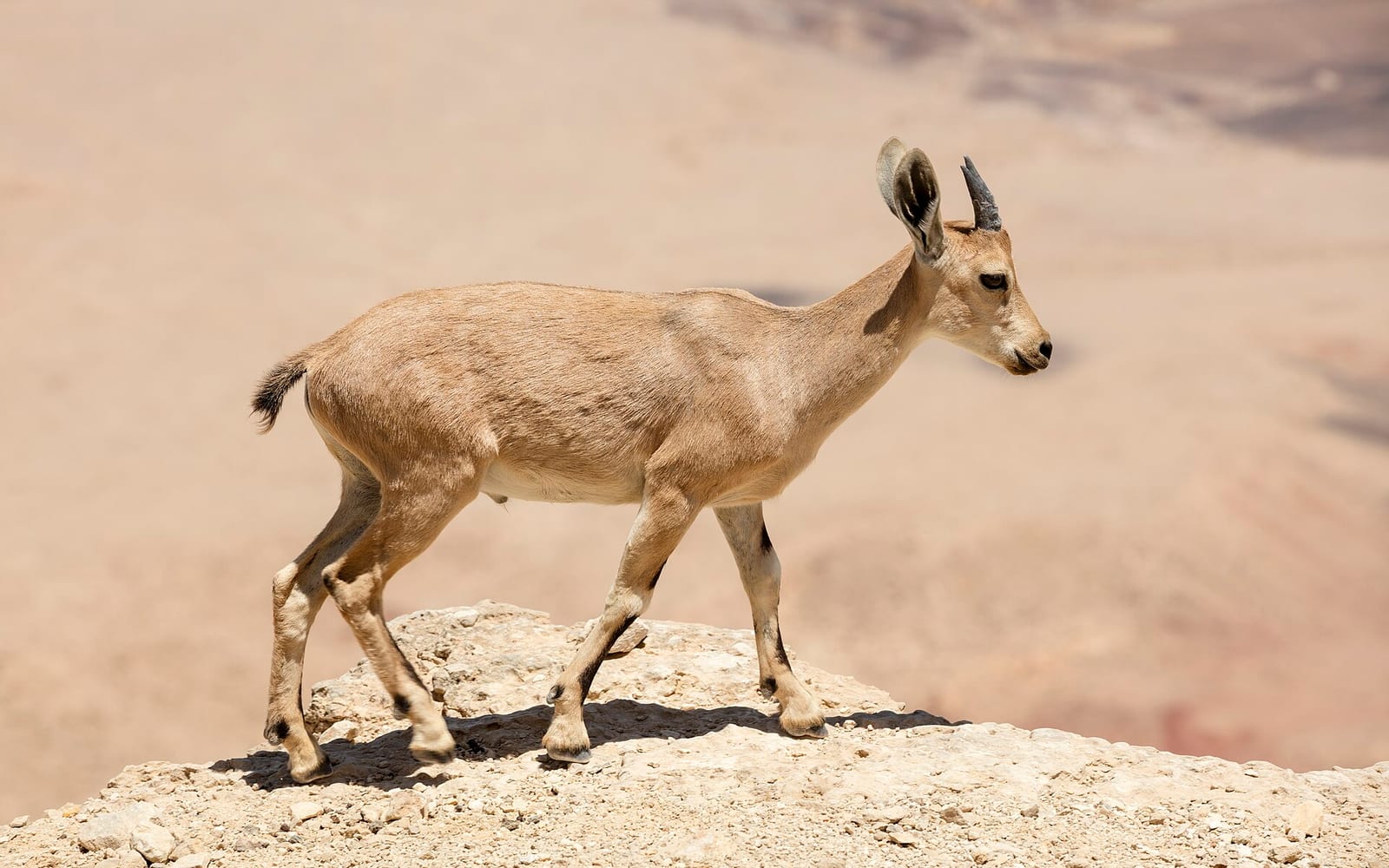
Israel’s 273-kilometre coastline divides between the Mediterranean (Tel Aviv’s 14-kilometre urban beach strip; Caesarea; Netanya; Haifa’s beaches) and the Red Sea at Eilat, where coral reef diving and snorkelling are available year-round in warm water. The Negev desert is an extraordinary hiking landscape — Makhtesh Ramon, the world’s largest erosion crater, and the ancient Nabataean trade routes offer serious multi-day trekking. The Sea of Galilee and the Golan Heights add freshwater and forested hiking options in the north.
Costs
Spain offers better value for most travel styles. Accommodation outside the premium coastal resorts and city-centre boutique hotels typically costs €90–160 per night at a good mid-range standard; restaurant meals including wine run €20–35 per person at a solid local level. Spain’s internal travel — on Renfe’s AVE high-speed rail, or budget carriers like Vueling and Iberia Express — is efficient and reasonably priced.
Israel’s premium is consistent. Mid-range hotels in Tel Aviv cost roughly ₪600–1,400 per night (approx €160–370); Jerusalem is slightly more affordable. Restaurant meals at a mid-range level run ₪80–150 per person. The Israel cost and budget guide covers all tiers from budget hostels to luxury.
Safety
Spain is one of Europe’s safest countries — low violent crime, stable governance, and excellent tourist infrastructure. The primary concern in tourist areas is petty theft, particularly in Barcelona’s Las Ramblas and on public transport in Seville and Madrid.
Israel is safe for standard tourist itineraries but requires pre-travel research. A high-visibility security infrastructure operates nationwide — bag checks at hotels, markets and attractions; rigorous airport security; rapid emergency response. Check your government’s current travel advisory before booking. The is Israel safe guide provides the full regional context.
Choose Israel if…
- The density and depth of Jewish, Christian and Islamic history is your primary travel interest
- The Dead Sea float, Masada at sunrise, and Sea of Galilee are on your bucket list
- You are planning a first visit to Israel and want a comprehensive cultural experience
- Tel Aviv’s beach, food and nightlife combination appeals alongside ancient Jerusalem
- You are a Spanish-speaking traveller curious about Israel’s travel experience
- A compact country where a full itinerary is achievable in 7–10 days appeals to you
Choose Spain if…
- Architectural grandeur, the Alhambra, and Gaudí’s Sagrada Família are your priority
- Beach volume and coastal variety are important — Spain’s coastline is unmatched in the region
- Budget is a key consideration — Spain offers consistently better daily value
- You want a relaxed, café-culture pace with outstanding food across a large country
- The Camino de Santiago pilgrimage is a life goal
- A long-haul flight from the Americas is part of the plan — Spain is closer from the US East Coast
Combining Israel and Spain
Israir launches direct TLV–MAD (Madrid) services from 25 October 2026, making the combination more accessible. El Al serves Madrid seasonally. Connecting via European hubs (Frankfurt, Zurich, London) takes around 6–8 hours total. A 14-day itinerary could divide a week in Israel (Jerusalem, the Dead Sea, Tel Aviv, a day trip to the Galilee) and a week in Spain (Madrid, Seville, Granada, or Barcelona). The Sephardic heritage trail — from Jerusalem’s Jewish Quarter and Safed to Toledo’s El Tránsito Synagogue and Córdoba’s old Judería — is one of the most historically meaningful itineraries in Mediterranean travel.
For travellers comparing both Iberian destinations, see the israel-vs-portugal guide — Portugal and Spain can be combined into a single Iberian leg alongside an Israel visit for a comprehensive three-country journey.
For a broader region comparison, the israel-vs-greece guide covers the comparison with the most popular Eastern Mediterranean alternative.