In the space of 25 hours, Israel moves from its deepest collective grief to its most unrestrained national celebration — and for visitors, the emotional arc from Yom HaZikaron to Yom Ha’atzmaut is one of the most extraordinary things a traveller can witness anywhere in the world.
Yom HaZikaron is Israel’s Memorial Day for fallen soldiers and victims of terrorism — a solemn day when the entire country stops twice for a two-minute siren, entertainment shuts down, and Israelis visit military cemeteries to grieve. Yom Ha’atzmaut begins the moment Yom HaZikaron ends: the flag rises from half-mast, fireworks erupt across the country, and Israel pivots into a nationwide street party marking its independence.
No prior knowledge of Israeli politics is required to feel both days. The grief and the joy are both entirely visible on people’s faces.
2027 dates
| Event | Date/Time |
|---|
| Yom HaZikaron eve — first siren | Wednesday, 28 April 2027 at 8:00pm |
| Yom HaZikaron day — second siren | Thursday, 29 April 2027 at 11:00am |
| Har Herzl transition ceremony | Thursday, 29 April 2027 at nightfall (~8:30pm) |
| Yom Ha’atzmaut begins | Thursday evening, 29 April 2027 |
| Independence Day air show | Friday, 30 April 2027 (afternoon, Tel Aviv seafront) |
| Yom Ha’atzmaut ends | Friday night, 30 April 2027 |
Ben Gurion Airport is closed for commercial traffic for approximately 25 hours over Yom HaZikaron. If your itinerary touches these dates, check your flight carefully — the airport closure window is published by the Israel Airports Authority each year.
Yom HaZikaron: the silence
The sirens
The first siren sounds at 8:00pm on the eve of Yom HaZikaron — and the country stops.
On pavements across Tel Aviv, pedestrians freeze in place. On highways and city streets, drivers pull to the kerb, open their doors, and stand beside their cars in silence. Cafés fall quiet. Construction sites pause. The supermarket checkout stops. For two minutes, the entire country stands in collective grief for its fallen.
The second siren comes at 11:00am on Yom HaZikaron day itself — a longer, more formal pause that marks the transition into the day’s memorial ceremonies.
For visitors, the right response is simple: stop where you are, stand still, and remove a hat if you are wearing one. You do not need to know anyone who was killed, or have any connection to Israel’s wars, to feel the weight of what is happening around you. Every Israeli within earshot has lost someone, or knows someone who has.
What is closed
Yom HaZikaron is a day of national mourning, not a religious holiday. In practical terms for visitors:
- Entertainment venues — cinemas, clubs, concert halls, live-music venues — close in Jewish Israeli cities
- Most restaurants in predominantly Jewish neighbourhoods reduce hours or close entirely on the eve; some remain closed on the day itself
- Public transport runs on a modified schedule; inter-city trains run but check Egged and Israel Railways apps for specific departures
- Supermarkets and pharmacies remain open; hotels operate normally
- National parks and outdoor sites generally remain open, though crowds are minimal
Arab-Israeli restaurants and businesses in mixed cities such as Haifa, Jaffa, and Acre may operate normally — Yom HaZikaron is not part of their national calendar. This is factual, not political.
The national ceremony at Har Herzl
The state memorial ceremony takes place at Har Herzl (Mount Herzl) in Jerusalem — Israel’s national military cemetery, burial site of Theodor Herzl, Yitzhak Rabin, and many former prime ministers. The ceremony is broadcast live on all Israeli television channels and draws the President, Prime Minister, IDF chiefs of staff, and bereaved families.
Har Herzl is open to visitors on Yom HaZikaron — thousands of Israelis come to pay respects at individual graves. Walking through the cemetery on this day, with families placing flowers on headstones and standing in quiet grief, is a profoundly moving experience. Dress respectfully; no shorts or sleeveless tops.
The transition ceremony
At nightfall on the evening of Yom Ha’atzmaut — within minutes of the formal close of Yom HaZikaron — a national ceremony on Har Herzl marks the beginning of Independence Day.
In 2027, Israel marks its 79th year of independence. The torch-lighting ceremony involves twelve citizens selected to represent different facets of Israeli life, each lighting a torch to mark the anniversary year. As the ceremony ends, the Israeli flag is raised from half-mast to full-mast — and the moment it reaches the top, fireworks begin across Jerusalem, Tel Aviv, and cities throughout the country.
The emotional shift is almost physical: within an hour of the silence of Yom HaZikaron, Israel is dancing. Tickets for the Har Herzl ceremony are required and released months before the holiday — check the official ceremony website in January or February 2027.
Yom Ha’atzmaut: independence
Tel Aviv
Tel Aviv’s Independence Day is the most energetic version of the holiday. From the moment Yom HaZikaron ends on Thursday evening, the city exhales.
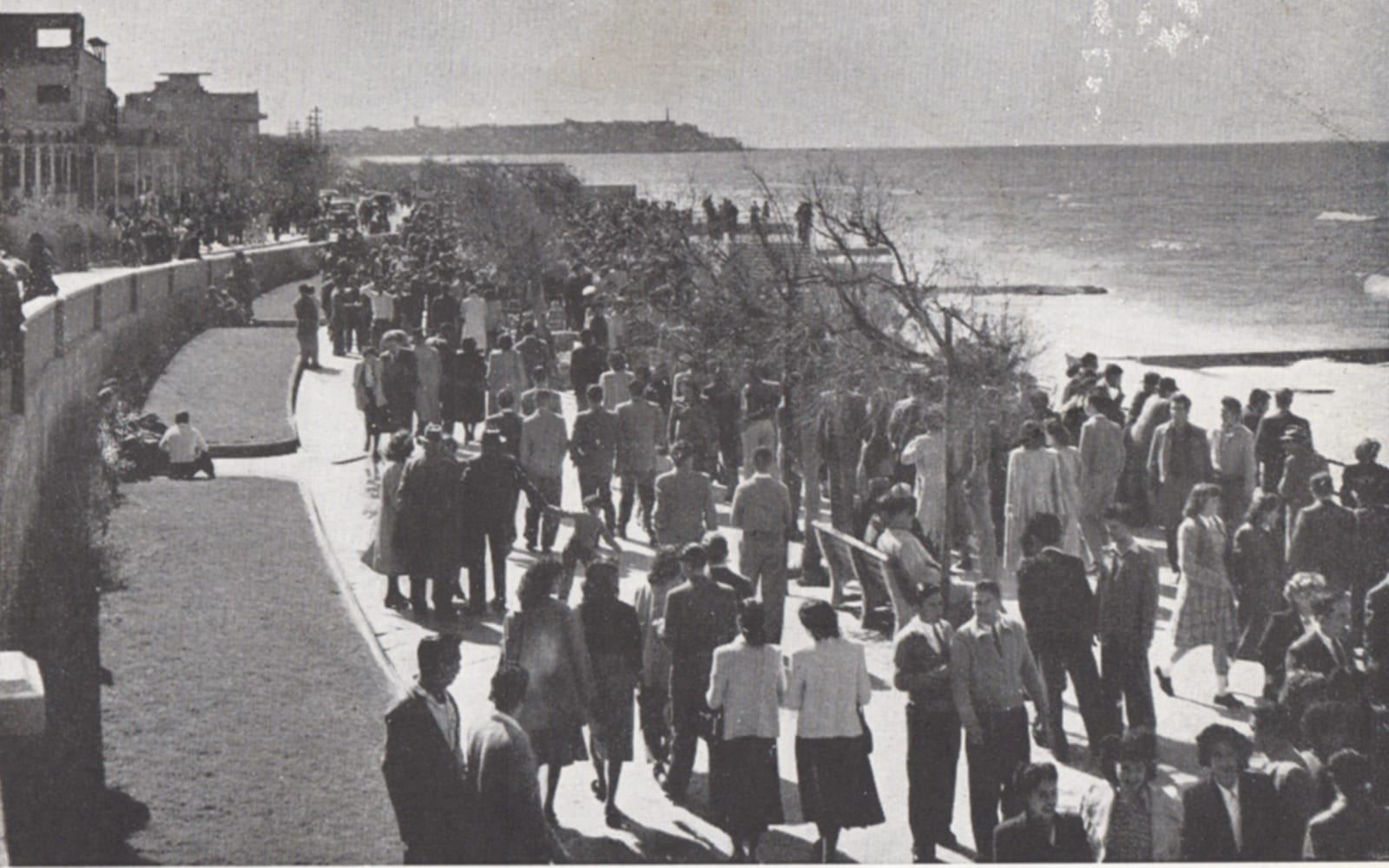
Yarkon Park hosts the main Tel Aviv celebration — a free outdoor concert drawing hundreds of thousands, running through the evening and into the night. The Tel Aviv seafront fills with families; the promenade from Jaffa to the northern beaches takes on a beach-party atmosphere, with fireworks visible across the coastline.
The Independence Day air show is the anchor event of Independence Day afternoon in Tel Aviv: Israeli Air Force jets, aerobatics teams, and military helicopters fly over the seafront in formation, with loops and manoeuvres above the Mediterranean. The show runs for approximately one hour in the early-to-mid afternoon; the seafront promenade and the beaches north of the port offer the best unobstructed views. Arrive by early morning to secure space if you want a prime seafront position.
Street celebrations: Dizengoff Square, Rothschild Boulevard, and the White City streets fill with people in the evening. Street vendors sell Israel flags, blue-and-white accessories, and food. Israeli flags appear on almost every vehicle and balcony — an Israeli Yom Ha’atzmaut custom is to attach small flags to car windows, giving the highways a festive visual.
BBQ in the parks: mangal (charcoal grill) culture comes fully into its own on Yom Ha’atzmaut. Families and groups take over park space to grill — Yarkon Park in Tel Aviv and parks across the country fill with smoke and the smell of meat from morning. If you want to join in, park space is first-come first-served and fills by 9–10am on Independence Day.
Jerusalem
Jerusalem’s Yom Ha’atzmaut is more ceremonial than Tel Aviv’s but no less sincere. Safra Square (City Hall) hosts the main municipal celebration; the Old City and Ben Yehuda Street fill with festive crowds in the evening; Israeli flags hang from nearly every building in the Jewish neighbourhoods.
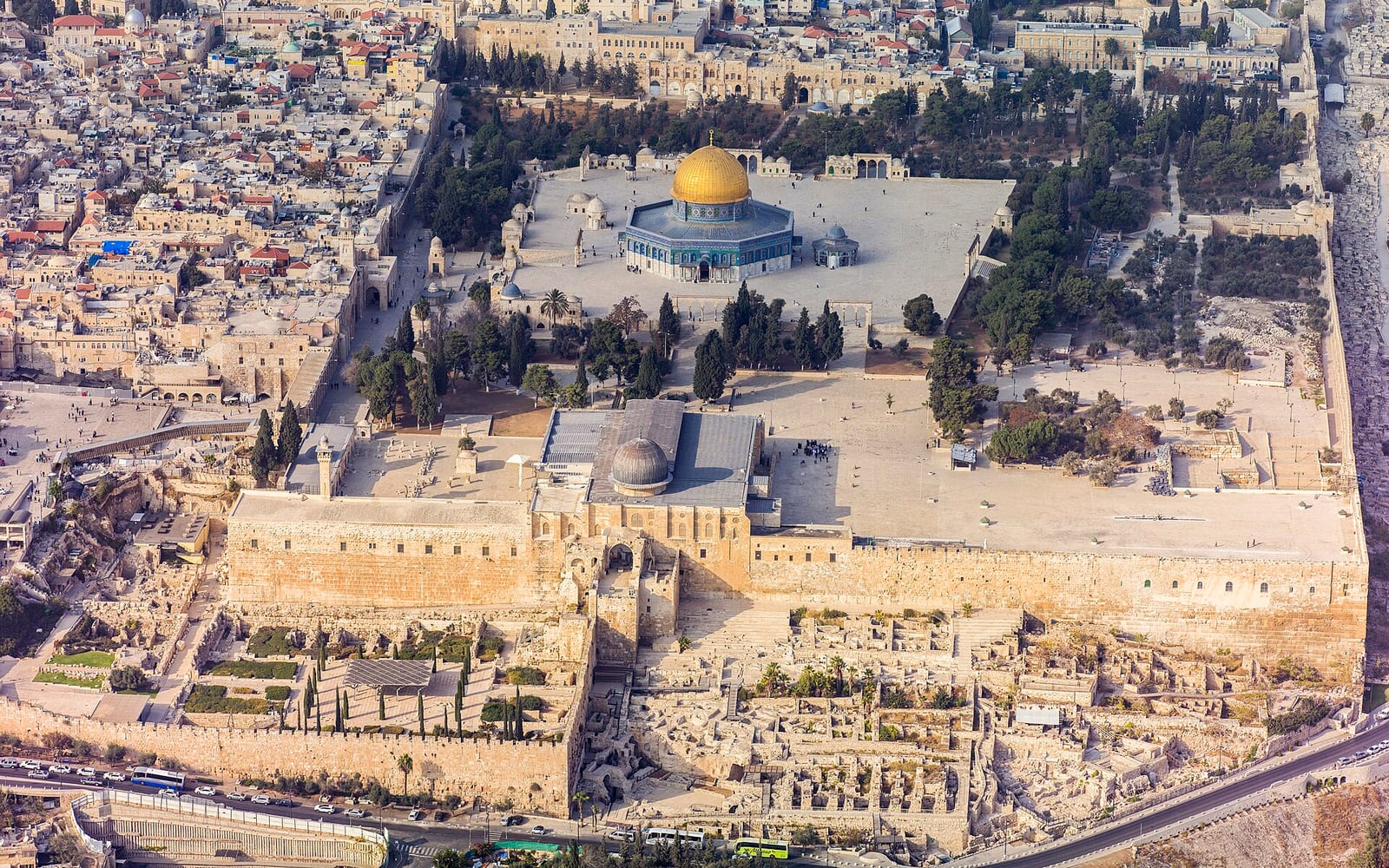
The evening of Yom Ha’atzmaut in the Jewish Quarter has a different character from the rest of the year — the ancient stones lit up, families out late, the sound of celebration crossing the walls. For visitors based in Jerusalem who want to experience Independence Day without the Tel Aviv crowds, the Old City and the area around Mahane Yehuda market offer a distinctly Israeli atmosphere.
A note on Nakba Day
Yom Ha’atzmaut — Israel’s Independence Day — coincides with Nakba Day (النكبة, “the Catastrophe”), the day on which Palestinian communities worldwide commemorate the displacement and exodus of approximately 700,000 Palestinians during the 1948 Arab-Israeli War. These two observances happen on the same date for the same reason: 1948 is simultaneously the founding of the State of Israel and the event that Palestinians describe as a catastrophe.
Visitors who wish to understand both dimensions of this history can find resources at Yad Vashem, at the Israel Museum’s archaeology and history galleries, and at organisations that document Palestinian and Israeli perspectives on 1948. The coexistence of these observances is part of the complexity of this land, and acknowledging it honestly is not a political position — it is factual history.
Practical planning
Getting around
Public transport is modified but operational throughout both days. Inter-city trains and buses run, though schedules differ from a standard weekday — download the Moovit app for real-time schedules. Driving into Tel Aviv on Independence Day afternoon (air show) is not recommended: road closures around the seafront begin mid-morning, and parking near the promenade is extremely limited.
Within cities, walking and light rail/metro are significantly easier than driving on Independence Day.
Accommodation
Tel Aviv accommodation during Independence Day week (approximately April 27 – May 2, 2027) is significantly more expensive than surrounding weeks and books fast. Book two to three months ahead for good selection — seafront hotels and those near Yarkon Park book earliest. Jerusalem accommodation rises too but less dramatically than Tel Aviv.
Flying around Yom HaZikaron
Ben Gurion Airport is closed for approximately 25 hours over Yom HaZikaron. The Israel Airports Authority publishes the exact window each year. As a rough guide: no flights depart or arrive during the afternoon and evening of Yom HaZikaron day (April 29, 2027) and into the following morning. If your itinerary includes a flight on or near April 29–30, confirm your flight status with your airline well in advance.
What to wear
There is no dress code for Independence Day celebrations — but wearing blue and white is common among Israelis and visitors alike; Israeli flags worn as capes or pinned to clothing are entirely normal. During Yom HaZikaron ceremonies at Har Herzl or military cemeteries, dressed respectfully (no shorts, covered shoulders).
The full arc
The 48-hour journey from Yom HaZikaron to Yom Ha’atzmaut is one of the most distinctly Israeli experiences available to any traveller. A country that has lost more than 25,000 soldiers in wars since 1948 holds that grief publicly and collectively — and then pivots, within the span of a ceremony and a firework, to the most energetic celebration of the year. Both the grief and the joy feel earned in a way that is hard to find elsewhere.
For visitors who want to understand Israel — not just visit its sites — these two days together are irreplaceable.
Further reading