Israel lies on one of the world’s great bird migration corridors. Every spring and autumn, hundreds of millions of birds — raptors, storks, pelicans, waders, and passerines — funnel through the Great Rift Valley, using Israel as a narrow land bridge between Europe and Africa. The result is some of the most spectacular birding on earth, concentrated into a country the size of Wales.
The main draw is scale. On a single April day at Eilat, 700,000 birds of prey have been counted overhead. At Agamon HaHula in November, up to 120,000 Common Cranes winter in the Hula Valley, joined by White Pelicans, Great White Egrets, Black Storks, and Marsh Harriers. These are not niche birding experiences — they are among the most dramatic wildlife spectacles in the Middle East, accessible to first-time visitors as much as experienced listers.
Why Israel for Birdwatching
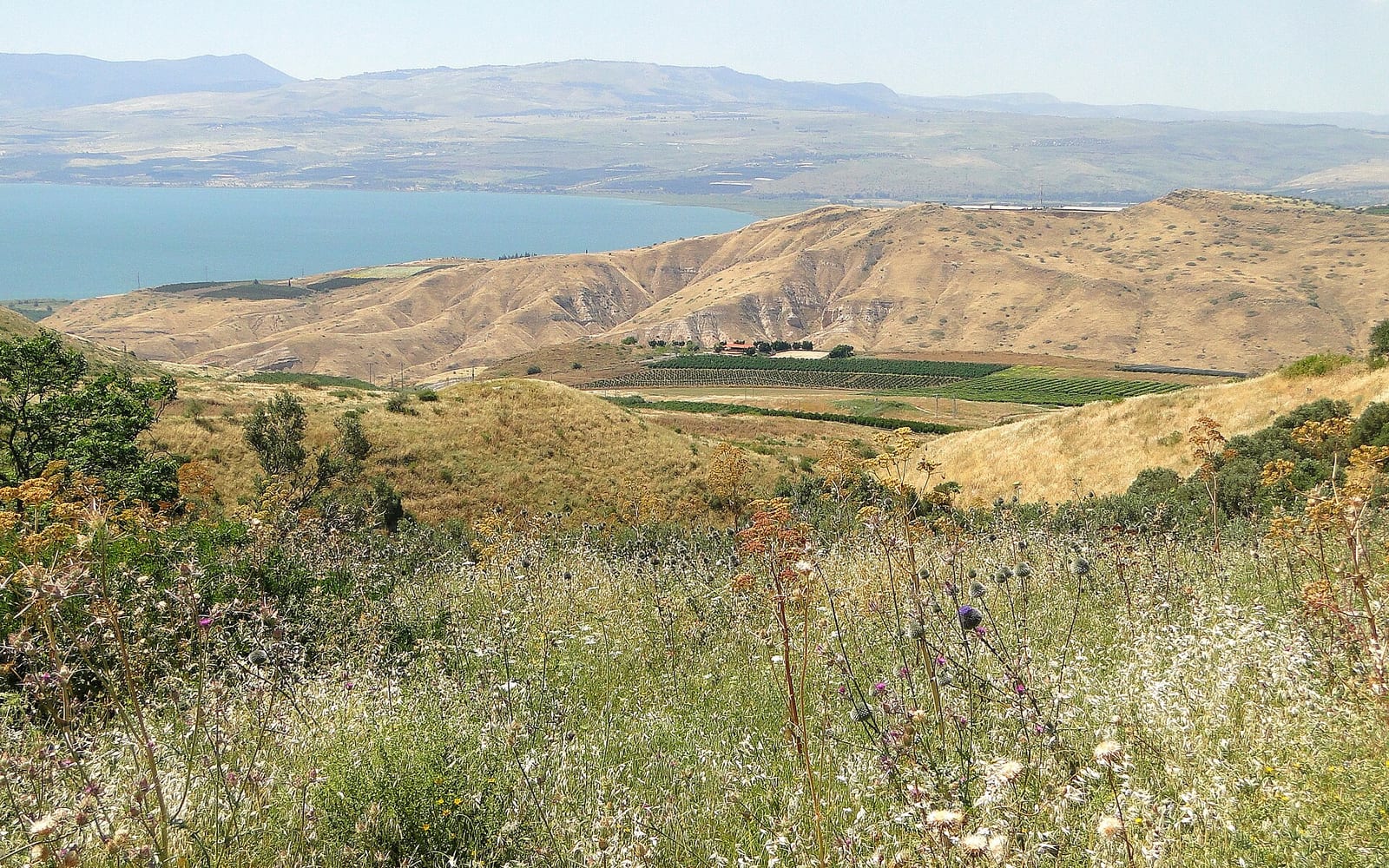
The Great Rift Valley runs from Turkey to Mozambique; Israel occupies one of its narrowest points, creating a natural funnel. Birds avoiding water crossings follow the land corridor south in autumn and north in spring, funnelling through the Hula Valley, the Jordan Rift, and the northern tip of the Red Sea at Eilat.
Israel also sits at a biogeographical crossroads. Mediterranean species, steppe species from Central Asia, and Afrotropical species resident on the Red Sea all occur here, often at the same site on the same day. The Society for the Protection of Nature in Israel (SPNI) and international partners have developed a network of birding sites from the Golan Heights to Eilat’s saltpans, making the infrastructure for visiting birders unusually good.
Agamon HaHula — The Crane Spectacle
Agamon HaHula in the upper Galilee is Israel’s premier birdwatching site and one of the most dramatic crane aggregations on earth. The Hula Valley was drained for agriculture in the 1950s; the decision reversed negative ecological consequences, and a remnant wetland — Agamon HaHula — was partially re-flooded in the 1990s. The restored marsh now attracts up to 120,000 Common Cranes each winter (October–February), alongside White Pelicans numbering in the thousands, Black Storks, Marsh Harriers, Eurasian Bitterns, Pygmy Cormorants, and numerous duck and wader species.
The Sunrise Safari Wagon is the signature experience: a tractor-drawn wagon that departs before dawn and positions visitors among the cranes before the main roost flight. Cranes leave the roost fields in waves as the light strengthens — a sound and movement experience that photographs do not adequately prepare you for. Book weeks ahead for November, when crane numbers peak. See agomonhula.co.il for current booking and admission.
Annual Hula Valley Bird Festival takes place in November (dates vary by crane arrival; check agamon-hula.co.il for the current year), combining guided tours, expert lectures, and photographer workshops. The festival week is the highest-demand period for both the Sunrise Safari Wagon and accommodation in Kiryat Shmona and Rosh Pinna.
Resident and breeding season (April–June) at Agamon is quieter but rewarding: Purple Herons, Little Bitterns, Black-crowned Night Herons, and breeding Common Kingfishers are visible from the boardwalk trails. The papyrus reedbeds hold Graceful Prinia, Clamorous Reed Warbler, and occasionally Little Crake.
Getting there. Agamon HaHula lies 7 km south of Kiryat Shmona in the upper Galilee. By car: Route 90 north from Tiberias (50 km), then signed turnoff near Yesod HaMaala. There is no practical public transport to the site — a car or guided tour is required. See the Galilee region guide for the broader area context and car rental guide for hire options.
Eilat — Migration Bottleneck on the Red Sea
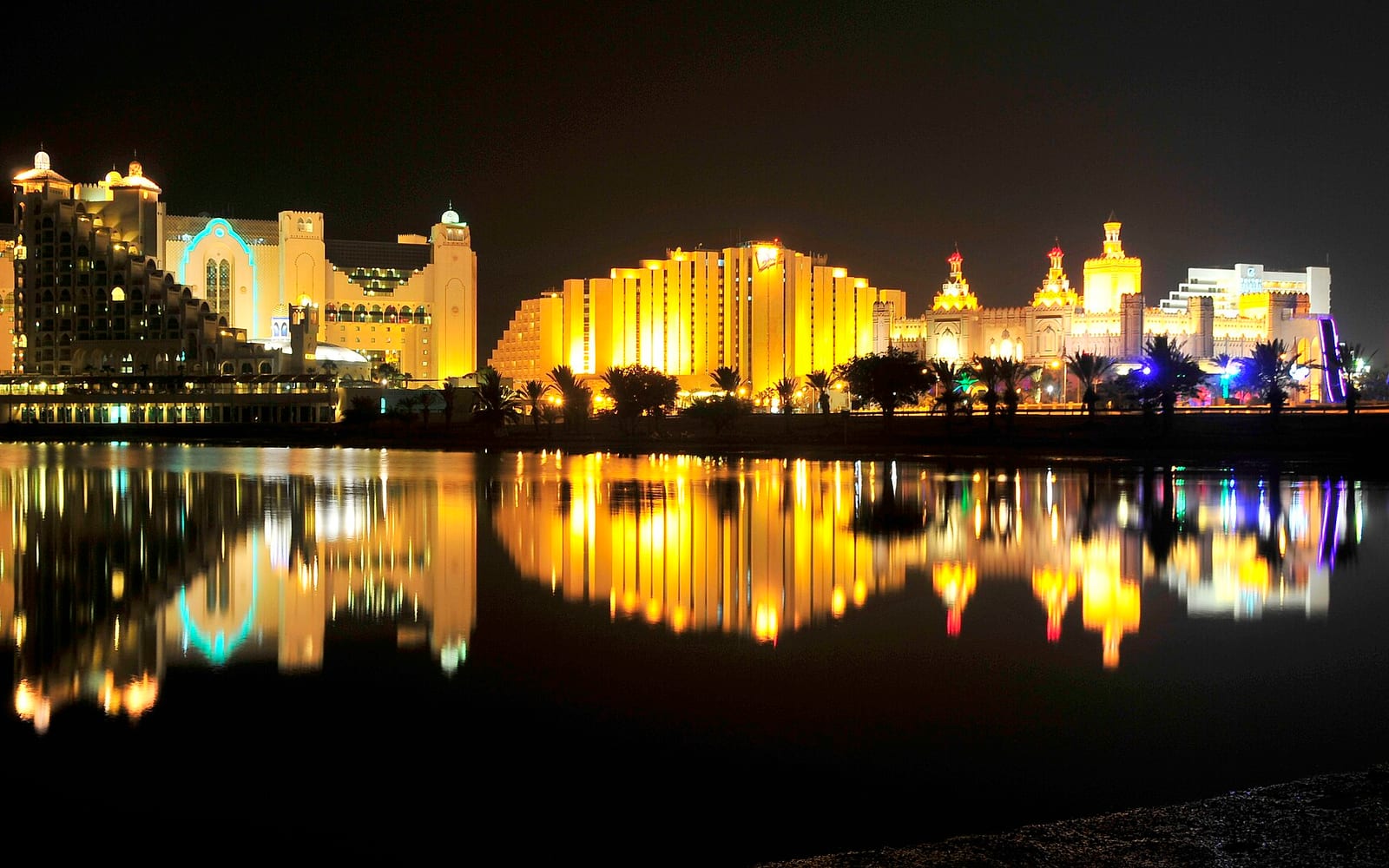
Eilat sits at the northern tip of the Red Sea’s Gulf of Aqaba, at the convergence of Israel’s desert, Jordan’s Wadi Rum, and Saudi Arabia’s coast. Every April, the narrow land corridor between the sea and the Negev desert concentrates migrating raptors into one of the highest raptor counts on earth: Steppe Buzzards, Steppe Eagles, Lesser Spotted Eagles, Long-legged Buzzards, Short-toed Snake Eagles, and Pallid Harriers pass overhead in their millions. On a peak April day, counts of 700,000+ birds of prey have been recorded.
Eilat International Birding & Research Centre (IBRCE)
The IBRCE occupies the Eilat saltpans (crystallisation pans) at the city’s northern edge. Entry is free, and the site is staffed by Birdlife International partner SPNI throughout the migration season. Daily bird ringing (banding) demonstrations take place from dawn: mist nets capture nocturnal migrants for measuring, weighing, and ring-fitting before release. Species handled on a single April morning routinely include Nightingales, Turtle Doves, Ortolan Buntings, Eastern Olivaceous Warblers, and Blackcaps.
The saltpans adjacent to the IBRCE hold resident Red Sea waders (Greater Flamingos, Kentish Plovers, Black-winged Stilts), wintering ducks in smaller numbers, and Crab Plovers — a species seen nowhere else in Israel — in small numbers during November–February.
Check ibrce.org for current hours and seasonal ringing schedules.
Eilat Birding Festival
The International Birding & Study Tour to Eilat (commonly called the Eilat Birding Festival) takes place in mid-March each year, timed with the early spring migration pulse. The festival brings ornithologists and birders from across Europe and North America for guided tours, evening lectures, and species competitions. It is one of the best-organised birding festivals in the region. Check birdingisrael.com for current dates and registration — the festival typically sells out key events weeks in advance.
Golan Heights — Raptors and Breeding Species
The Golan Heights plateau (600–1,150 m above sea level) is Israel’s primary site for raptor breeding and soaring species. Griffon Vultures breed in cliff colonies above the Sea of Galilee and can be seen soaring along the escarpment from multiple viewpoints. Long-legged Buzzards, Short-toed Snake Eagles, Honey Buzzards, Montagu’s Harriers, and Levant Sparrowhawks all breed on or near the plateau.
Gamla Nature Reserve (30 km east of Tiberias) combines a ruined Jewish city from the Roman period with the most accessible Griffon Vulture colony in Israel. A marked trail leads to viewpoints overlooking the nesting cliffs — vultures are visible from the path without specialist equipment, and resident Syrian Woodpeckers, Syrian Serins, and Rock Sparrows are found along the same route.
Qatzrin raptor watch. The plateau east of Qatzrin, particularly during spring migration (April–May) and autumn (September–October), hosts soaring columns of raptors using thermal uplift over the plateau edge. A car is required; there is no formal observation infrastructure, but the open landscape allows scan-birding from minor roads.
The Golan Heights guide covers logistics and the region’s broader visitor context.
Hai-Bar Wildlife Reserves — Desert Species
Israel operates two Hai-Bar nature reserves focused on returning extinct or locally extirpated native wildlife to the wild — with significant birdwatching by-product.
Hai-Bar Yotvata (35 km north of Eilat, off Route 90) focuses on the Negev and Arava ecosystems. It manages breeding populations of Asian Wild Ass (Onager), white Arabian Oryx, and Persian Fallow Deer — all functionally extinct in Israel before reintroduction. The bird life of the surrounding Arava Valley includes Hume’s Wheatear, Desert Lark, Hoopoe Lark, Blackstart, Spotted Sandgrouse, and (in winter) flocks of Trumpeter Finches. Open to visitors; guided vehicle tours available. See parks.org.il for current hours and admission.
Hai-Bar Carmel (10 km south of Haifa, in Carmel National Park) focuses on Levantine highlands species: Persian Fallow Deer, Roe Deer, and Wild Boar in a fenced reserve within the park. The surrounding Carmel oak forest holds resident European Roller, Hoopoe, Black Redstart, and breeding Blackcap and Garden Warbler. Combined with the Druze villages of Mount Carmel and the Haifa travel guide for a full Carmel day.
En Afek Nature Reserve — Northern Wetland
En Afek Nature Reserve (10 km east of Akko, via Kibbutz Ein Hamifratz) preserves a stretch of the Na’aman River and its associated reedbeds and wet meadows — rare wetland habitat in increasingly dry northern Israel. Resident species include Common Kingfisher, Little Egret, Grey Heron, Purple Gallinule, Spur-winged Lapwing, and Little Bittern (more often heard than seen). An easy 2 km trail loops through the reserve; the INPA pass is valid. Combine with the Akko (Acre) guide for a full northern day.
Seasonal Migration Calendar
| Season | Dates | Key Species & Events |
|---|
| Spring migration | Late March – mid-May | Steppe Buzzard, Steppe Eagle, Black Stork, White Pelican, Honey Buzzard, waders in thousands at Eilat |
| Breeding season | April – June | Griffon Vulture colonies (Golan/Gamla), resident warblers and rollers, breeding herons |
| Post-breeding | July – August | Quieter; juvenile raptors dispersing; Eilat saltpan waders increasing |
| Autumn migration | September – mid-November | Common Crane (Hula Valley peaks Oct–Nov); soaring raptors southbound; Hula Valley Bird Festival |
| Winter | December – February | Agamon HaHula cranes + ducks peak; Eilat saltpan wintering flamingos; Hai-Bar desert species |
Guided tours vs self-guided. Self-guided birding is practical at Eilat (IBRCE is free and open, saltpans are accessible on foot), Agamon HaHula (marked boardwalk trails + wagon tours), and Gamla (marked trail to vulture viewpoints). Raptor-watching on the Golan plateau and monitoring sites benefit from an expert guide who knows the current flight lines. See the GetYourGuide and Viator CTAs above for current operator listings.
Equipment. 8×42 binoculars are sufficient for most sites; a 20–60× spotting scope is useful for Eilat saltpans and Golan raptor watches. Guided tours typically provide binoculars. A field guide specific to the region — Hadoram Shirihai’s Birds of Israel (updated edition) or Collins Birds of the Middle East — is the standard reference.
Where to stay. For Hula Valley: Rosh Pinna (15 km south) has guesthouses and boutique hotels close to the Galilee wine region; Kiryat Shmona (7 km north) has budget hotels. For Eilat: the North Beach area near the IBRCE is most convenient; all major hotel chains operate in Eilat. See the Eilat travel guide for accommodation options. For Golan: Katzrin town has guesthouses; kibbutz guest houses operate on the plateau. See the Golan Heights guide for options.
Photography. The Sunrise Safari Wagon at Agamon HaHula is designed with photography in mind — positions allow telephoto shooting without disturbing the cranes. The IBRCE ringing demonstrations allow close photography of resting migrants. Griffon vultures at Gamla can be photographed without specialist equipment. Note that animals in Hai-Bar reserves are behind fenced areas during guided tours.
HONESTY on timings. Bird migration timing varies year to year depending on weather and regional conditions — the calendar above gives typical dates. For Agamon HaHula crane numbers, check agamon-hula.co.il in the weeks before your visit; crane arrival can shift by 2–3 weeks. For the Eilat Birding Festival, dates change annually — always confirm at birdingisrael.com before booking flights or hotels.
Useful Cross-Links
- Galilee region guide — geography, logistics, and broader visitor context for the Hula Valley
- Golan Heights guide — plateau access, Gamla, and Druze villages
- Eilat travel guide — Red Sea city guide with accommodation and activity planning
- Israel National Parks Pass — INPA pass coverage for nature reserves
- Hiking in Israel — trail guides including Gamla and Carmel routes
- Israel adventure sports — broader outdoor activities guide
- Car rental in Israel — essential for reaching Agamon HaHula and Golan sites
- Best time to visit Israel — seasonal overview for trip planning
- Hula Valley Crane Migration Guide — dedicated seasonal guide: Agamon HaHula vs Hula Nature Reserve, Sunrise Safari Wagon booking, accommodation in Kiryat Shmona and Rosh Pinna, and logistics for October–February visits
- Israel in October — month-specific guide covering crane migration start, wine harvest, and the Jewish High Holidays
- Israel in November — the crane migration peak month; full Agamon HaHula logistics and Olive Branch Days festival guide
- Sustainable & eco-tourism in Israel — Hula Valley restoration story, responsible Coral Beach visits, eco-stays and low-impact travel