Hamat Gader (Hebrew: חַמַּת גָּדֶר) is one of northern Israel’s most singular destinations: a private nature reserve and leisure complex tucked into a basalt river gorge at the southern tip of the Golan Heights, where the Yarmouk River forms the border between Israel, Jordan and Syria. In a single visit you can soak in 42°C mineral springs first used by Roman legionnaires, watch Nile crocodiles being fed at the Middle East’s only crocodile farm, and walk among the ruins of a thermae that once served the ancient city of Gadara — one of the ten cities of the Decapolis league described in the Gospels.
Hamat Gader is not part of the Israel National Parks network and receives limited attention in English-language travel writing despite attracting around half a million visitors a year — the majority Israeli. This guide covers everything you need to plan a visit.
Roman ruins
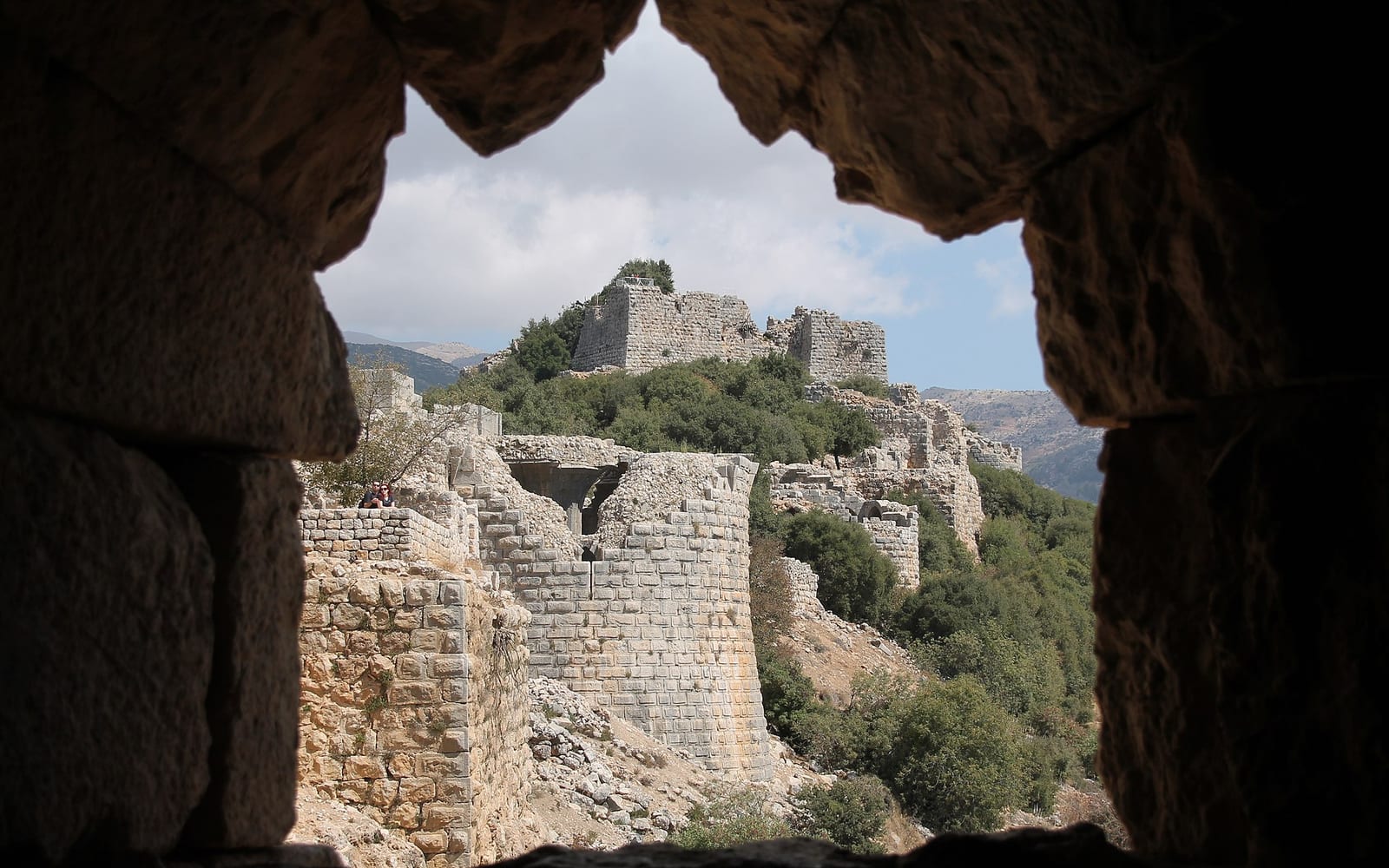
The archaeological remains at Hamat Gader represent one of the most complete surviving Roman bath complexes in the eastern Mediterranean. The ancient city of Gadara — a Hellenistic and then Roman city on the plateau above — sent its citizens down to the springs for centuries. The thermae ruins visible today date primarily from the 2nd to 5th centuries CE and include a succession of interconnected bathing halls: the caldarium (hot room), tepidarium (warm room) and frigidarium (cold plunge), each fed by the natural spring flow. The scale of the halls — vaulted ceilings, niched walls for statues, mosaic-inlaid floors in places — conveys the investment the city made in these springs.
Alongside the Roman baths, a well-preserved 5th-century CE synagogue with a mosaic floor stands as evidence of Hamat Gader’s diverse late-antique population. The inscriptions in the mosaic — in Aramaic and Greek — record donations by named community members and place the congregation within the multicultural world of Byzantine-era Gadara. The combination of Roman civic architecture and Jewish religious architecture at the same thermal site is unusual and historically significant.
Interpretive panels throughout the archaeological area are in Hebrew, Arabic and English.
Thermal mineral pools
The springs at Hamat Gader flow at approximately 600 cubic metres per hour at temperatures of 40–42°C, the result of geothermal heating as the water travels through volcanic rock layers beneath the Golan. The mineral content — sulfur, calcium, magnesium and other compounds — is characteristic of the region’s volcanic geology. The springs have been in continuous use for at least two millennia: Roman military officers stationed at Gadara bathed here; medieval Arab geographers wrote about the springs; and they remain a significant domestic tourism draw.
The visitor pools include both indoor and outdoor options, with water cooled to various temperatures to allow prolonged soaking. Facilities are well maintained and include changing rooms with lockers, towel rental, and a café. Weekends and Jewish public holidays — particularly Sukkot (Feast of Tabernacles) and Passover — are peak periods; arriving at opening time is advisable to secure a good spot and avoid queuing. Weekday mornings are the quietest.
The site’s mineral water is traditionally associated with relaxation and skin benefits; any specific therapeutic claims should be understood as traditional use rather than medically verified outcomes.
Crocodile farm
The crocodile farm at Hamat Gader is home to more than 200 Nile crocodiles (Crocodylus niloticus), making it the only crocodile farm in the Middle East and one of the most unusual wildlife attractions in Israel. The farm began as a research facility and evolved into a visitor attraction over several decades.
Feeding and handling shows take place on Fridays at 13:00 and Saturdays at 13:00 and 15:00. During shows, handlers demonstrate feeding techniques and discuss crocodile biology. The crocodile enclosures allow close viewing from raised walkways and observation platforms. Younger visitors find this section of the park particularly engaging.
Confirm show times at hamat-gader.com before you visit, as holiday-period schedules vary.
Tropical parkland and fishing ponds
The 40-acre site extends well beyond the pools and ruins into a lush tropical parkland unusual in the semi-arid Golan context — the micro-climate in the gorge, fed by the spring water and protected from wind by the basalt cliffs, supports banana palms, fig trees and dense flowering vegetation. Fishing ponds are available for visitors who want to spend time with a rod; equipment hire is available on site. The parkland connects the various site sections and makes for a pleasant walk between the pools, ruins and crocodile farm.
Getting there: Route 98 south from Tiberias or Route 98 north from the Jordan River crossing at the Sheikh Hussein Bridge. A car is required; no direct public bus reaches the site. Parking is available at the entrance.
Tickets: Hamat Gader is a private site — current admission prices are listed at hamat-gader.com. Ticket packages typically combine the thermal pools, crocodile farm and archaeological site. The Israel National Parks Pass does not apply here.
Opening hours: The site operates seven days a week during peak season; Monday hours may be reduced in winter. Check hamat-gader.com for current seasonal hours before travelling.
On-site facilities: Restaurant and café; lockers and changing rooms with the pool complex; gift shop; hotel accommodation.
Accessibility: The main pool areas and most of the crocodile farm are accessible to visitors with mobility impairments. The archaeological ruins involve some uneven terrain; confirm specific access requirements with the site before visiting.
Combine with: A visit to Hamat Gader pairs well with the Sea of Galilee, Tiberias and the wider Golan Heights. The Galilee vs Golan weekend guide has itinerary suggestions. For those driving up from Tel Aviv, Hamat Gader is a natural anchor for a day trip from Tel Aviv that includes the Jordan Valley and Sea of Galilee on the return.