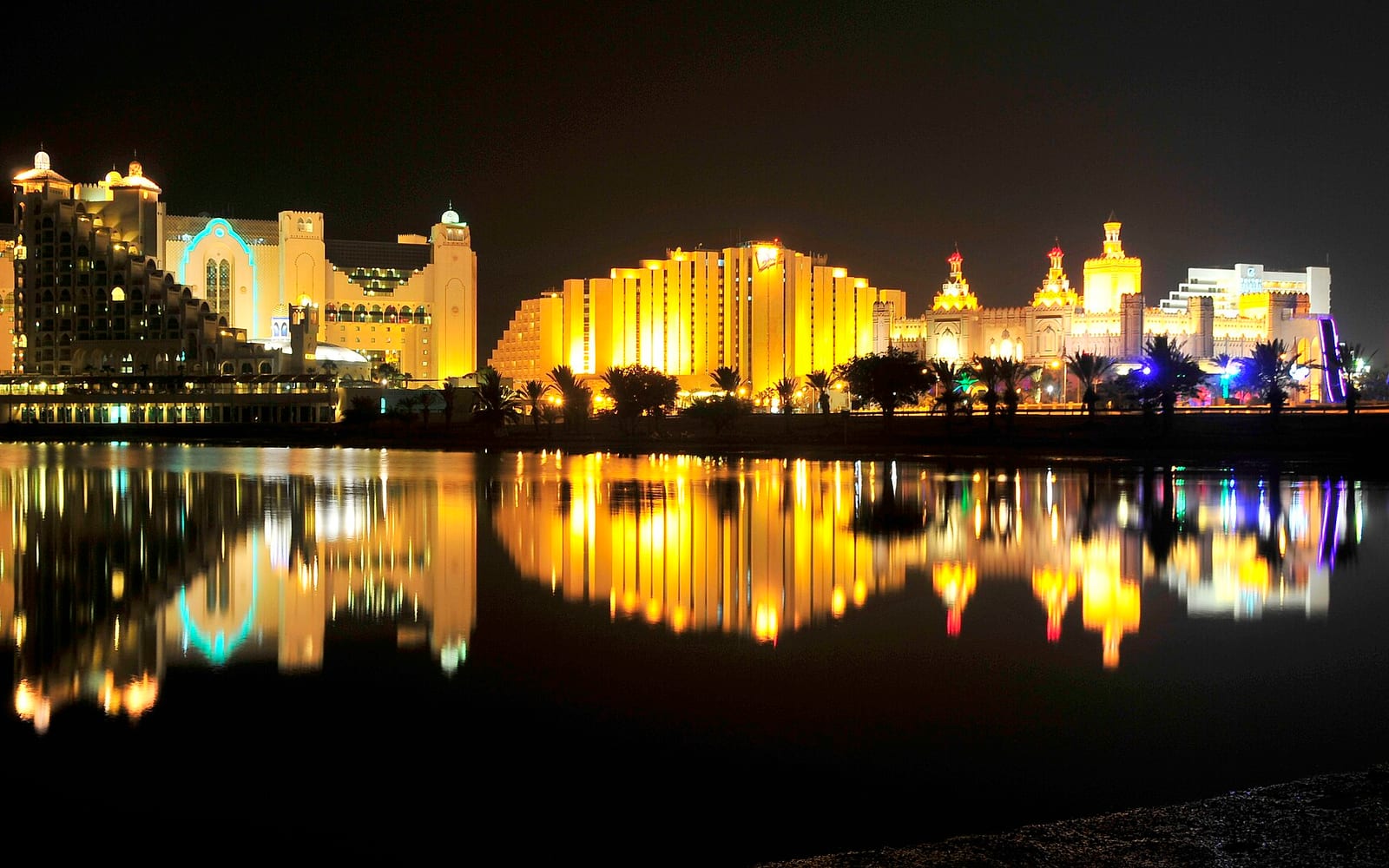
Israel and Egypt are two of the most historically rich destinations in the world, and for travellers with time, combining them in a single trip is one of the great Middle Eastern journeys: from Jerusalem’s walled Old City and the Dead Sea float to the Sinai coast’s coral reefs and the Pyramids of Giza. The land crossing between the two countries — at Taba, a short taxi ride from Eilat — is used by thousands of tourists a year, and the logistics, while not as seamless as crossing within the Schengen Area, are manageable with preparation.
Before you plan: the security situation in parts of Egypt, particularly in and around the Sinai Peninsula, changes. This guide is based on the situation as of mid-2026. Always check your home government’s current travel advisory before booking — travel.state.gov (US), gov.uk/foreign-travel-advice (UK), smartraveller.gov.au (Australia). Do not rely on fixed statements about safety; advisories are updated in real time.
If you are comparing Israel and Egypt as alternative destinations rather than combining them, see our Israel vs Egypt comparison guide.
The Taba border crossing
The only land crossing between Israel and Egypt for tourists is at Taba, on the Red Sea coast directly opposite Eilat. The Israeli terminal is officially the Eilat International Border Terminal; the Egyptian terminal is called Taba. They face each other across a few hundred metres.
How to reach the Israeli side from Eilat: From Eilat city centre, take a taxi or arrange a hotel transfer — the terminal is about 9 km south of the city centre, roughly a 10–15 minute drive. There is no regular public bus to the terminal itself.
Crossing procedure (Israeli exit):
- Present your Israeli entry slip (the paper document issued when you entered Israel — keep it throughout your trip) and passport at the Israeli exit desk.
- Bags go through security screening.
- Pay the Israeli departure tax (approximately ₪101/~$27 as of 2026; cash or card; verify current amount at the border — it changes).
- Walk to the Egyptian side.
Crossing procedure (Egyptian entry):
- At the Egyptian immigration desk, declare whether you want the Sinai-only free permit (14 days, south of Nuweiba) or a full Egyptian tourist visa (paid; allows travel anywhere in Egypt including Cairo).
- If choosing the full visa, pay in USD cash (approximately $25–35; bring extra).
- Egyptian border security and bag scan.
- Obtain Egyptian local currency (Egyptian Pounds, EGP) at the bank window on the Egyptian side or at an ATM — USD is accepted in tourist areas but local currency gives better rates.
Border hours: The crossing is technically 24/7 but busiest and smoothest 7am–7pm. Morning crossings on weekdays typically have the shortest queues. See also our Israel border crossings guide for more context.
South Sinai: the coastal option (2–4 nights)
The most straightforward Egypt extension from Eilat adds 2–4 nights on the South Sinai coast — the stretch from Taba down through Nuweiba, Dahab and Sharm el-Sheikh. South Sinai’s coral reefs are genuinely world-class: the marine biodiversity of the Northern Red Sea is among the highest on earth, and the Ras Mohammed National Park at the southern tip of the Sinai peninsula is widely considered one of the finest snorkelling and diving sites in the Mediterranean/Red Sea region.
Main bases on the South Sinai coast:
- Taba / Taba Heights — immediately over the border; a handful of resort hotels; convenient if you only have a day or two and don’t want to travel far.
- Nuweiba — quieter, 70 km south of Taba; ferry connections to Aqaba (Jordan) make this useful for three-country itineraries.
- Dahab — a relaxed Bedouin-flavoured town with an excellent backpacker scene, colourful reef snorkelling from the shore (the Blue Hole is nearby but requires caution — it has a higher-than-average incident rate; snorkel the lagoon edges rather than the Blue Hole itself), and a good selection of budget and mid-range accommodation.
- Sharm el-Sheikh — the largest resort town; international airport (SSH); mass-tourism scale; most organised snorkelling and diving day trips depart from here.
Honesty note: South Sinai and North Sinai are distinct areas with different security assessments from most Western governments. North Sinai, towards the Gaza border, has historically had elevated security concerns — it is not a tourist area and you are unlikely to travel there on a standard itinerary. South Sinai is a different situation — most Western government advisories distinguish the two, with South Sinai tourist coastal areas generally rated separately. Check your own government’s current advisory for the specific area you plan to visit, not a generic Egypt advisory.
Cairo and the Pyramids (adds 3–5 days)
Adding Cairo to an Israel trip is a meaningful detour. The Grand Egyptian Museum (GEM), which opened fully in 2023 on the Giza Plateau, is one of the most significant archaeological museum projects in decades — the complete Tutankhamun collection (including items never previously displayed publicly), the pharaonic jewellery, and the sheer scale of Egyptian civilisation on display are genuinely impressive.
The Pyramids of Giza are visible from the GEM’s rooftop terrace. Entry to the pyramid complex is a separate fee from the GEM. Sunrise is the best time to visit: the Sphinx faces east, and the early morning light — with no coach groups yet arrived — produces the most dramatic photographs and atmosphere. Book a licensed guide in advance (not a tout at the gate).
Getting to Cairo from Sinai: Options include driving the Gulf of Suez road (5–6 hours), domestic flights from Sharm el-Sheikh Airport (SSH → CAI, ~1 hour), or a high-speed road via Ahmed Hamdi Tunnel under the Suez Canal.
Visa requirement: To travel to Cairo you need a full Egyptian tourist visa (not the Sinai-only free entry). Obtain it at the Taba border crossing, online via Egypt’s e-visa portal in advance, or at Cairo airport if flying in directly. Cost approximately $25–35 USD at the border.
Sample combined itineraries
10 days: Israel + South Sinai
A compact version that doesn’t require the full Cairo extension.
| Days | Where | Highlights |
|---|
| 1–3 | Jerusalem | Old City, Western Wall, Yad Vashem, Day trip to Bethlehem |
| 4 | Dead Sea | Float, mineral mud, Ein Gedi |
| 5 | Eilat | Coral Beach, Dolphin Reef, Red Sea snorkelling |
| 6 | Cross to Egypt (Taba) → South Sinai | Settle in Dahab or Sharm el-Sheikh |
| 7–8 | South Sinai | Ras Mohammed snorkelling, Bedouin dinner, Naama Bay |
| 9 | Return to Eilat via Taba | Afternoon/evening in Eilat |
| 10 | Depart from Eilat or Tel Aviv | |
14 days: Israel + Sinai + Cairo
A more expansive itinerary including the Pyramids and the Grand Egyptian Museum.
| Days | Where | Highlights |
|---|
| 1–3 | Jerusalem | Old City, Masada day trip, Day trip to Bethlehem |
| 4 | Dead Sea | Float and relax |
| 5–6 | Negev / Mitzpe Ramon | Ramon Crater, desert stargazing |
| 7 | Eilat | Drive south, Coral Beach afternoon |
| 8 | Cross to Taba → Dahab | Settle in, beach dinner |
| 9 | Sharm el-Sheikh area | Ras Mohammed snorkelling day trip |
| 10–11 | Cairo | Grand Egyptian Museum, Pyramids of Giza, Khan el-Khalili bazaar |
| 12 | Return to Israel | Fly CAI → TLV (1h) or overland via Taba |
| 13–14 | Tel Aviv | Jaffa, Carmel Market, beach |
3-country classic (Israel + Egypt + Jordan)
For travellers with 16–18 days, the classic Middle Eastern triangle adds Jordan:
Jerusalem → Dead Sea → Eilat (cross to Egypt via Taba) → Sinai coast → Cairo → fly home from CAI
Alternatively, use Nuweiba as a pivot — there is a high-speed Red Sea ferry from Nuweiba to Aqaba (Jordan), which enables a Petra addition without returning through Eilat. Journey time approximately 1 hour (fast ferry) or 3.5 hours (conventional ferry). See our Petra from Israel guide and Israel and Jordan itinerary for detail on the Jordan leg.
Practical planning notes
Israeli passport stamp: Israel’s standard policy is to issue a removable paper slip rather than a passport stamp. At land crossings including Taba, ask the Israeli exit desk explicitly for slip-only processing if this matters to you. Egypt stamps your passport. For the onward implications of Israeli travel evidence, see our visa and entry guide.
Currency: Egypt’s currency is the Egyptian Pound (EGP). USD is accepted in most tourist areas and resorts, but local currency gives better rates at markets and local restaurants. There are exchange counters and ATMs at the Taba border crossing and in every resort town. Israeli Shekels (ILS) are not widely accepted in Egypt — exchange before crossing or on the Egyptian side.
Getting back into Israel: Your Israeli ETA-IL (or tourist entry permission, if you hold an eligible passport) remains valid for your authorised stay period. When re-entering Israel, you will be asked how you entered and may face standard security questions about your Egypt visit — this is routine. Allow extra time for re-entry processing at Taba.
Health: Check with your doctor well before travel about vaccinations for Egypt (typhoid, hepatitis A) and travel health insurance. Your Israel trip insurance may not cover Egypt — confirm before crossing.
Mobile data: Israeli SIM cards and eSIM plans do not work in Egypt. Consider purchasing a local Egyptian SIM at Taba airport or any phone shop in Sharm/Dahab, or activate your home-country international roaming if the rates are reasonable.
Shabbat: The Eilat International Border Terminal operates 24 hours. Unlike some Israeli land crossings, it is accessible on Shabbat and Jewish holidays — confirm the current status via the Population and Immigration Authority’s website before planning a Friday or Saturday crossing.
Cross-links for planning
- Israel border crossings guide — all four crossings including Taba, Jordan options, and practical fee breakdown
- Eilat travel guide — Red Sea beach city; Coral Beach Reserve, Dolphin Reef, Timna Park, where to stay
- Is Israel safe? — current security context for the Israeli side of your trip
- Israel and Jordan itinerary — if you want to add Petra and Wadi Rum instead of, or alongside, Egypt
- Petra from Israel — single-day Petra options from Eilat
- Visa and entry information for Israel — ETA-IL, passports, Israeli entry requirements and passport stamp policy
- Israel vs Egypt: Which Should You Visit? — if you haven’t decided yet and are choosing between the two
- Egypt, Jordan & Israel: 3-Country Itinerary — add Petra, Wadi Rum and Amman to your Egypt visit for the classic Middle East triple