Israel costs roughly what you spend on Western Europe — which surprises many first-time visitors expecting Middle Eastern prices. Accommodation drives the bulk of the cost; everything else depends almost entirely on your travel style. Here is what each tier actually looks like in practice.
Backpacker: $65–100 per day
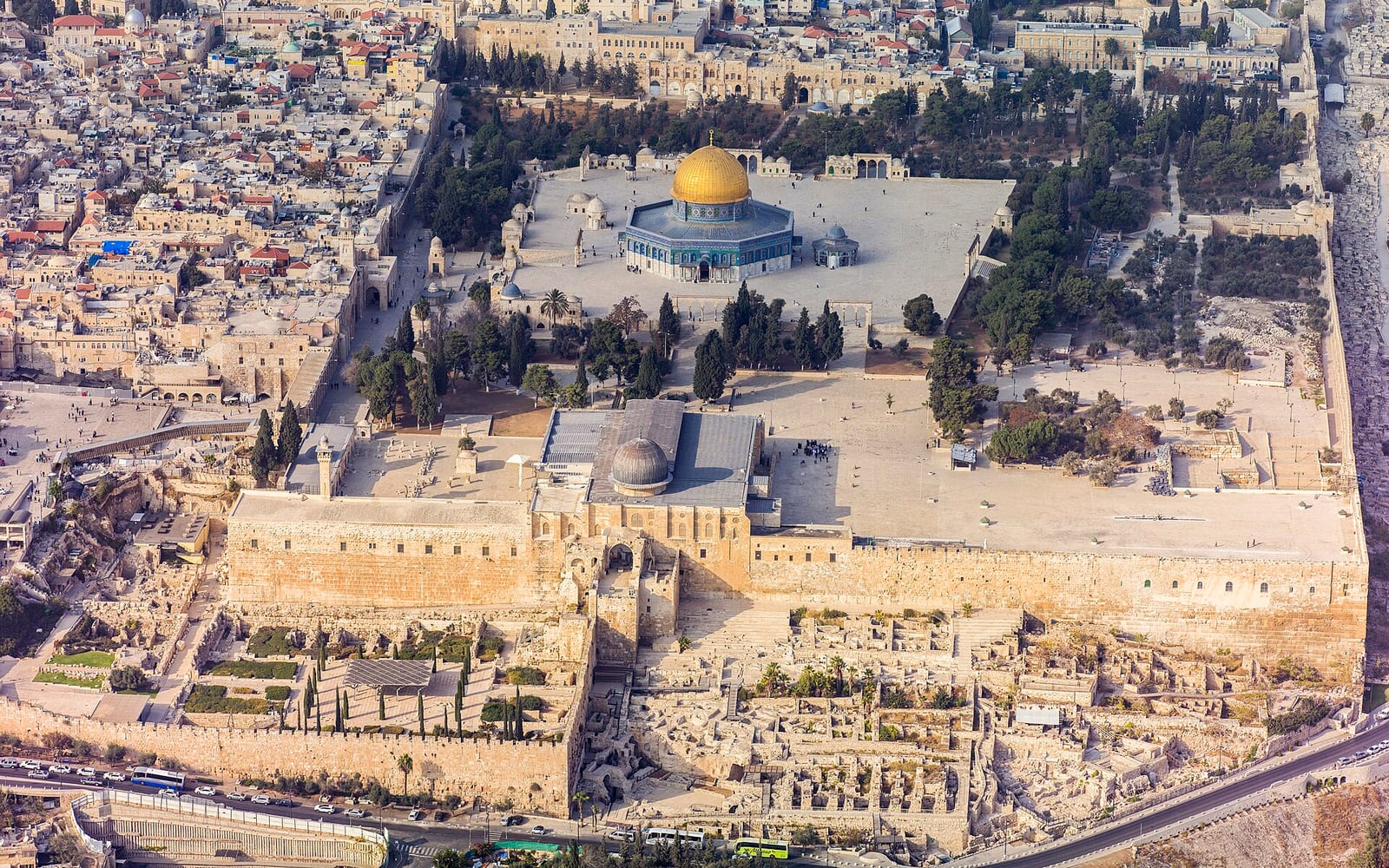
The budget tier works because several things in Israel are genuinely cheap or free: the Western Wall, Tel Aviv’s beaches, Bahá’í Gardens in Haifa (free guided tour), most outdoor markets, and endless falafel and hummus. The main cost pressure is accommodation — even hostels in Israel are pricier than in Southeast Asia.
Typical daily spend:
| Item | Estimate |
|---|
| Hostel dorm bed (Tel Aviv, Jerusalem, Haifa) | $25–40 |
| Three meals: market falafel + hummus + café lunch + street food | $20–30 |
| Local transport (Rav-Kav bus or train) | $4–8 |
| 1 paid attraction or share of a budget group tour | $8–20 |
| Total | $57–98 |
How to make this work:
- Book Abraham Hostel — Tel Aviv, Jerusalem and Nazareth branches; their free walking tours, pub crawls and day-trip shares cut per-activity costs sharply.
- Eat your main meal at Mahane Yehuda (Jerusalem) or Carmel Market (Tel Aviv) at lunchtime when stalls are at their freshest and busiest.
- Use a Rav-Kav card for trains and buses; the intercity rail and Tel Aviv Light Rail are both excellent and cheap.
- The Israel National Parks Pass (from ₪150) pays off by day 2 if you visit Caesarea, Masada and Ein Gedi in quick succession.
- Shabbat (Friday sunset to Saturday night) closes most market stalls and casual restaurants — budget extra for Shabbat-safe provisions bought before sunset Friday.
One-week backpacker total: ~$455–690
See the full backpacking Israel guide for hostel picks, Shabbat strategy and where Egged’s budget bus routes still beat the train.
Mid-Range: $150–300 per day
The mid-range tier is by far the most common choice for independent visitors. It covers comfortable 3-star hotels, a mix of casual restaurant meals and street-food lunches, one or two organised day tours and the flexibility of the occasional taxi or car rental for harder-to-reach sites.
Typical daily spend:
| Item | Estimate |
|---|
| 3-star hotel (including breakfast where included) | $120–200 |
| Meals: market lunch + sit-down dinner | $35–55 |
| Transport (mix of trains, sheruts, an occasional taxi) | $15–30 |
| Activities & tours (amortised over the week) | $30–60 |
| Total | $200–345 |
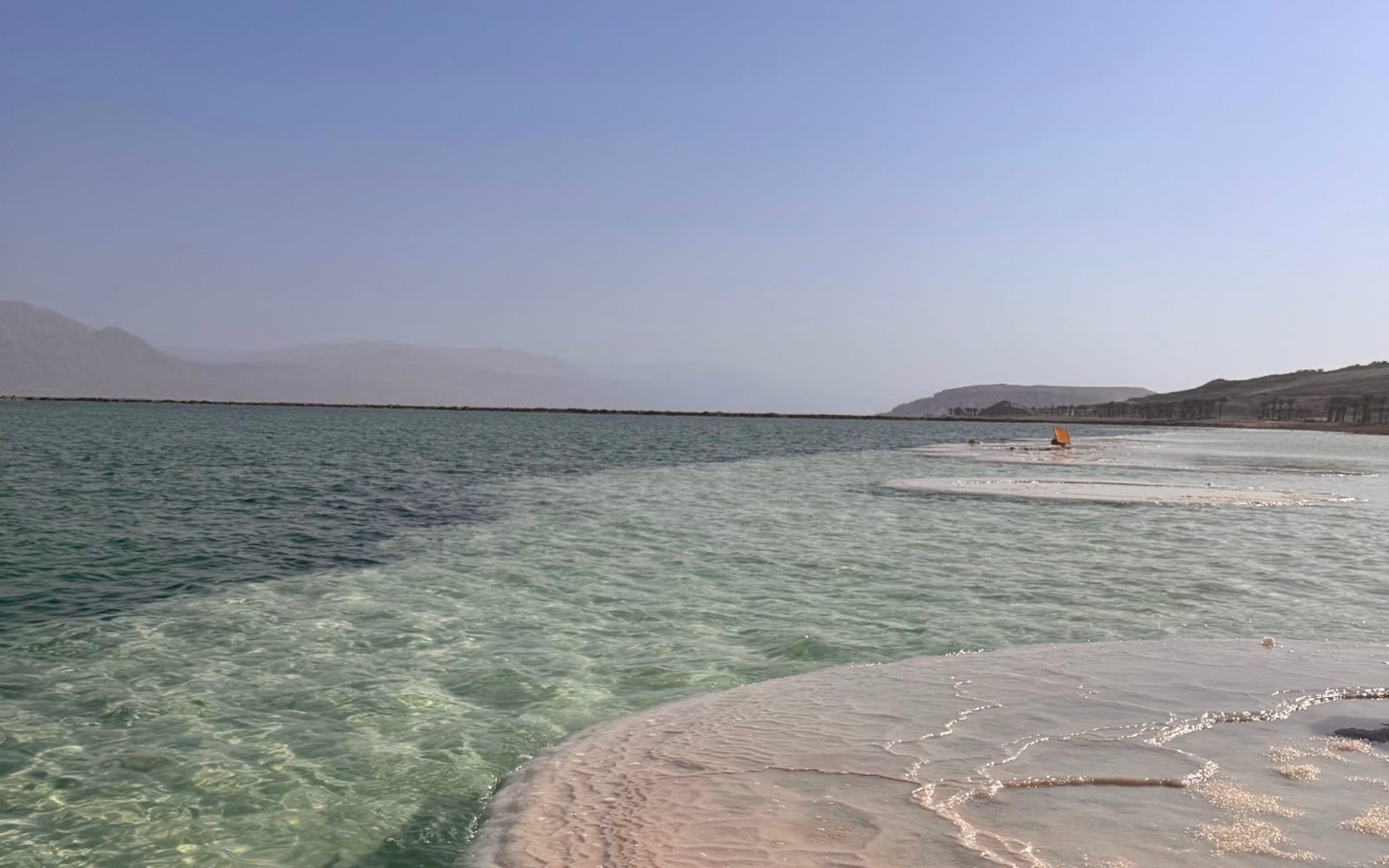
Actual per-day spend varies a lot by city: Jerusalem tends to be slightly cheaper for accommodation and food than central Tel Aviv. The Dead Sea resort strip (Ein Bokek) pushes towards the top of this range; Haifa typically comes in at the lower end.
Tips for mid-range:
- Book hotels with free cancellation three to four months out if you’re travelling around major holidays — you capture good rates and can release the booking if plans shift.
- Hire a car for 2–3 days of your trip rather than joining organised tours for every day trip. DiscoverCars typically beats the rental company desks at the airport, and having your own wheels unlocks Golan Heights, the Galilee and the Negev without group-tour pricing.
- A day tour from Tel Aviv to the Dead Sea and Masada via an operator like Abraham Tours or GetYourGuide costs $70–90 per person — comparable to self-driving but includes a guide and removes the Dead Sea beach logistics.
- Pre-book at least one anchor hotel in Jerusalem’s City Center or near the Machane Yehuda market — these positions give you walkable access to major sights without daily taxi rides.
One-week mid-range total: ~$1,050–2,100 (the wide range reflects solo vs couple, hotel vs Airbnb, car vs public transport choices)
Compare mid-range options: the Israel accommodation guide covers 3-star hotels, boutique properties and kibbutz guesthouses by region.
Luxury: $400+ per day
Israel’s luxury tier is well-stocked with international 5-star brands, design hotels and private guiding at the upper end of what Western travellers would spend anywhere in Europe. The bottleneck is supply in peak season — the best rooms in Jerusalem and Tel Aviv sell out months ahead of Passover, the High Holidays and Christmas.
Typical daily spend:
| Item | Estimate |
|---|
| 5-star hotel or boutique property | $300–600+ |
| Fine dining (dinner at a top restaurant) | $80–150+ per person |
| Private guide and driver (for touring days) | $350–600/day |
| Activities, tickets, spa, transfers | $50–150+ |
| Total | $780–1,500+ |
These are indicative ranges — a Dead Sea spa package at a resort in Ein Bokek, a private archaeologist guide for the City of David, or a chef’s market experience in Machane Yehuda each adds meaningfully to a single day’s spend.
Tips for luxury:
- Jerusalem: The King David (iconic; Winston Churchill-era; Old City views), Mamilla Hotel (steps from the Jaffa Gate; rooftop restaurant), and The Setai Tel Aviv (Ottoman fort above Jaffa Port; infinity pool) are the most-cited luxury anchors.
- Tel Aviv: The Norman (Bauhaus landmark; design-forward; Rothschild Boulevard location), David Kempinski (beachfront; one of TLV’s largest luxury hotels) and Diaghilev LIVE ART Hotel (boutique; curated art collection) all operate at this level.
- Dead Sea: The Beresheet Hotel at Mitzpe Ramon (crater-rim setting) and the resort hotels at Ein Bokek offer Dead Sea spa-package pricing — typically ₪3,000–7,000/night including breakfast and spa access.
- Private guides in Israel run $350–700+ per day for a licensed English-speaking guide with a vehicle; book at least four to six weeks out for peak season. Your hotel concierge is a good starting point; the Israel Guiding Association lists licensed options.
- For the highest-end experience, a multi-day itinerary built by a local DMC (destination management company) handles hotel, driver, guide and restaurant reservations as a package.
One-week luxury total: ~$5,000–10,000+ per person (highly variable by hotel choice, private-guide days and spa packages)
See the luxury Israel travel guide for top hotels by city, private tour operators and VIP experiences (dawn Masada, private Golan winery visit, archaeologist-guided City of David access).
When costs spike: holiday calendar
Every tier prices up sharply around Israeli and Christian holidays. The most impactful periods:
- Passover (March–April) — 7-day festival; hotels and tour operators fully booked months out.
- Jewish High Holidays (Rosh Hashanah, Yom Kippur, Sukkot; September–October) — the single busiest domestic and diaspora travel season.
- Christmas and New Year (late December) — Jerusalem in particular; pilgrim demand + European school holidays combine.
- Independence Day / Yom Ha’Atzmaut (April–May, date shifts annually) — domestic surge; national parks hit capacity.
Book the accommodation first, then build the itinerary around what’s available. Use our Israel trip cost calculator to input your specific travel dates and party size for a personalised estimate.
Quick comparison
| Backpacker | Mid-Range | Luxury |
|---|
| Typical per day | $65–100 | $150–300 | $400–800+ |
| 7-day total | ~$455–700 | ~$1,050–2,100 | ~$2,800–5,600+ |
| Bed | Hostel dorm $25–40 | 3-star hotel $120–200 | 5-star / boutique $300–600+ |
| Main meals | Markets + street food | Mix of casual + sit-down | Fine dining + private chef |
| Transport | Rav-Kav bus/train | Train + occasional car hire | Private driver/guide |
| Tours | Budget group tours | Day tours (1–2/week) | Private guide daily |
Costs are per-person estimates in USD for 2026; exchange rates fluctuate — use XE.com for live ₪/$ conversion. All amounts are illustrative ranges; your actual spend will vary.