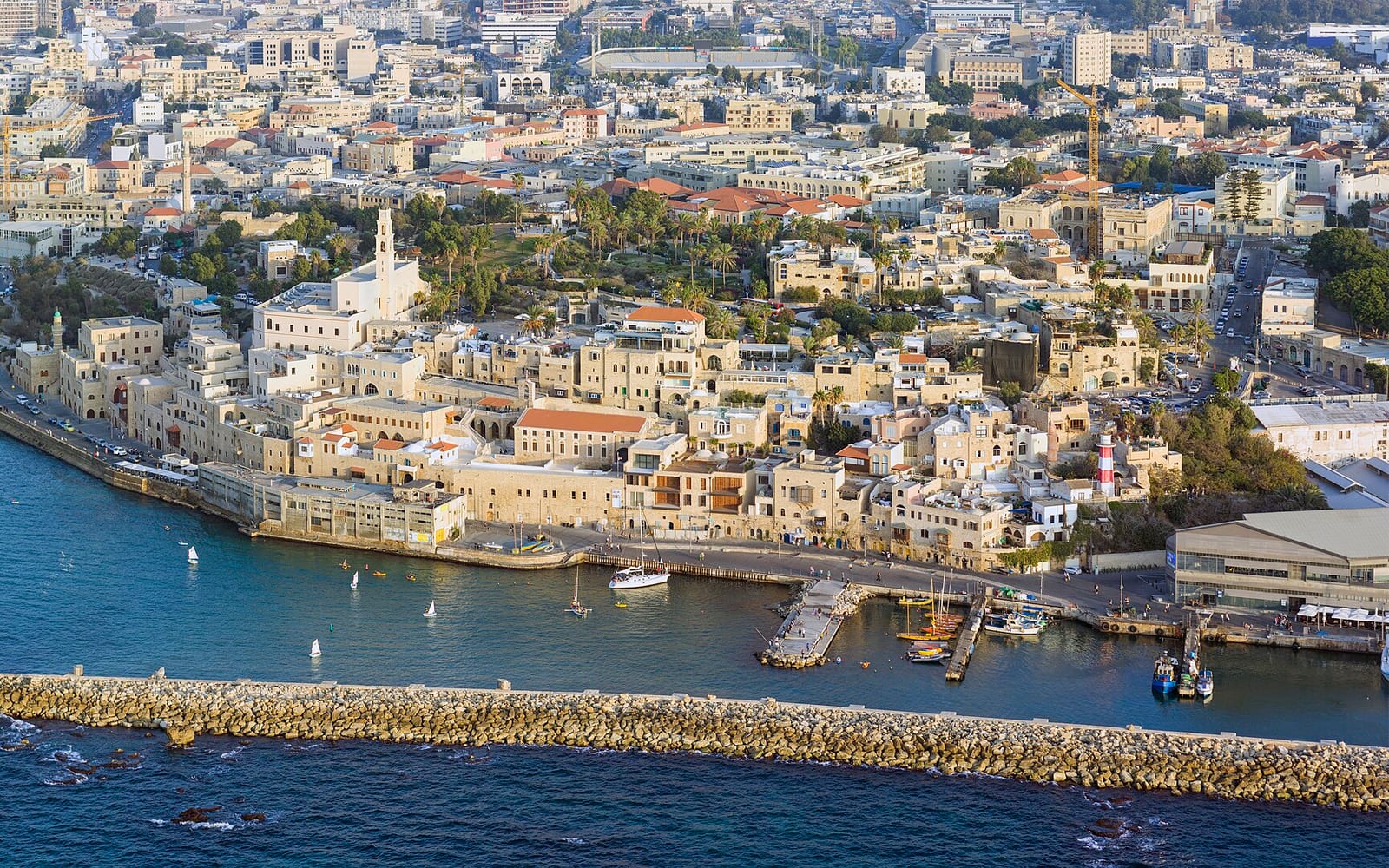
The Jaffa Flea Market — Shuk HaPishpeshim in Hebrew, Suk el-Barakeh in Arabic — sprawls through the lanes of the Flea Market Quarter at the southern edge of Old Jaffa, a short walk from the ancient port. It is one of the oldest and most characterful markets in Israel: a place where you can still find Ottoman-era coins, early-statehood Judaica, Mandate-period furniture, and vinyl records from Israel’s 1970s pop golden age — all heaped together in open stalls, covered alleys, and shopfront boutiques that have been trading here for generations.
Unlike the curated boutiques of Neve Tzedek or the produce rows of the Carmel Market, the Jaffa Flea Market is genuinely unpredictable. What surfaces on a given Sunday depends on what the dealers found that week, which estate was cleared, and which collection arrived from a storeroom in Bat Yam or Be’er Sheva. For antique hunters, that unpredictability is the point.
What kind of market is it?
Shuk HaPishpeshim is an antique and vintage bazaar, though the boundary between antique, second-hand, and reproduction has always been loose here. The core character is Middle Eastern flea market: stalls in the open lanes, permanent dealers in the covered section, and newer boutique shops along Olei HaGardom Street that lean more toward vintage fashion and Israeli design.
The range is genuinely eclectic: in a single hour’s browsing you might pass a stall of Persian copper trays, a dealer with floor-to-ceiling Mandate-era furniture, a vinyl crate digger’s paradise, a Judaica specialist with silver Kiddush cups and hand-lettered ketubot, and a dozen tables of old coins, postcards, and photographs of Tel Aviv and Jaffa from before Israeli statehood.
It is also a neighbourhood, not just a market. The flea market quarter has restaurants, bars, coffee shops, and boutiques that remain open even when the outdoor stalls are quiet. The area has its own character — rougher and more local than the polished Old Port district a few minutes’ walk away — and it repays time spent walking the lanes beyond the main stalls.
What to look for
Judaica
The Jaffa flea market is one of the best places in Israel to find used Judaica at honest prices, away from the tourist-priced Old City shops in Jerusalem. Look for: Shabbat candlestick pairs (silver, brass, enamel); Kiddush cups; Passover Haggadoth, especially illustrated editions from the 1940s–1970s; old mezuzot and their cases; Hanukah menorot; amulets and Hamsa hands; prayer books from destroyed European communities.
Quality varies enormously. Inspect hallmarks and condition carefully. Dealers who specialise in Judaica are typically concentrated in the covered interior section of the market.
Vinyl records
The crate-digging culture in the Jaffa flea market is well-established. Look for: Israeli pop and rock from the 1960s–1980s (Shalom Hanoch, Arik Einstein, Ofra Haza’s early work); Arabic and Egyptian popular music (Om Kalthoum, Fairuz, Abd el-Halim Hafez in original pressings); classical imports from the Soviet era; early reggae and jazz on European labels. Prices range from a few shekels for common pressings to several hundred for rare Israeli originals.
Coins and banknotes
The Jaffa market has a cluster of numismatic dealers with broad collections of Ottoman, British Mandate, and early Israeli currency. Ottoman piastres, British Mandate pounds, and early Israeli pound notes are the most commonly found. Roman-era and earlier coins appear occasionally; authenticate carefully before purchasing anything claimed to be archaeological.
Furniture and mirrors
Large Mandate-era and 1950s–1960s Israeli furniture appears regularly — heavy wooden sideboards, iron beds, round dining tables, elaborate mirrors. Moving large pieces internationally requires advance planning, but for local buyers, the prices are far below what comparable pieces fetch in Tel Aviv antique shops.
Vintage clothing and fashion
The boutiques on and around Olei HaGardom Street have matured into a small but worthwhile vintage fashion destination — 1970s–1990s Israeli and international clothing, leather goods, sunglasses, and handmade jewellery. These shops tend to have fixed prices; the outdoor stalls are more open to negotiation.
Layout and orientation
The Flea Market Quarter is centred on HaOlei HaGardom Street (named for the condemned prisoners hanged by the British at nearby Akko prison), which runs roughly east-west through the district. Most first-time visitors enter from the direction of the Clock Tower and Old Port; the market proper begins as HaOlei HaGardom bends south.
Key landmarks:
- The covered market hall: the historical core of the market, with a permanent collection of dealers in antiques, Judaica, and collectibles under a roofed structure. This is where the more serious (and more expensive) trading happens.
- The open stalls on HaOlei HaGardom and the adjoining lanes: outdoor dealers, second-hand tables, mixed quality and genuine finds. Sunday mornings are busiest.
- The boutique strip: along Olei HaGardom and nearby streets — vintage fashion, design, coffee, and bars that attract a younger, design-conscious crowd.
- The side lanes branching off the main drag: more outdoor tables, art galleries, and a few restaurants that have been in the same location for decades.
The whole area is walkable in 30–40 minutes at browsing pace; allow longer if you want to cover the boutiques and side streets.
Best time to visit
Sunday morning is the classic answer, and it’s correct: the most stalls are open, dealers arrive with freshest stock, and the combination of market activity and food stops makes it the most complete experience. Arrive before 10:00 to beat the main tourist wave and secure a table at Abu Hassan.
Saturday night (after Shabbat ends, typically 20:00–21:00) has a smaller but atmospheric market opening — a subset of stalls, a livelier bar scene, and a more local crowd. Worth visiting if you’re already in the area for the port or dinner.
Weekday mornings (Monday–Thursday) are quieter and can be rewarding for serious buyers: less competition, vendors more relaxed about negotiating. Fewer stalls overall, and some lanes are entirely quiet.
Avoid Friday afternoons: the market closes early (around 14:00) and Jaffa traffic thickens as the city empties toward the beaches for Shabbat eve.
Eating and drinking in the Flea Market Quarter
The lanes around the market contain some of Tel Aviv’s most iconic food institutions.
Abu Hassan (Ali Karavan) — a short walk from the flea market on HaDolphin Street — is widely cited as one of the best hummus restaurants in Israel. It opens early and sells out by early afternoon; the full toppings version (fuul, boiled egg, olive oil) is the standard order. Cash only, no reservations. It is the Jaffa food institution most worth planning around.
Dr. Shakshuka on Beit Eshel Street, open since 1991, is the other essential stop: the eponymous shakshuka (eggs in spiced tomato sauce) is joined by a broader Libyan-Jewish menu including couscous, brik pastry, and lamb dishes. Sits directly in the flea market district; expect a queue on Sunday mornings.
Margaret Tayar is the old-school fish restaurant near the port — whole fish, simply grilled, by the seafront — a 10-minute walk from the market.
The market lanes themselves have coffee carts and juice stalls on busier days. For a more detailed overview of Jaffa’s food scene, see the Jaffa food guide.
Combining the Flea Market with the rest of Jaffa
The Flea Market Quarter is one stop on a wider Jaffa day. Most visitors combine it with:
- The Old Port (Nof Yam): 10 minutes’ walk north, with fishing boats, art galleries, and seafood restaurants. The Jaffa travel guide covers the full Old City and port circuit.
- The Ottoman Clock Tower and Old City lanes: between the port and the market, with St. Peter’s Church, Andromeda Hill viewpoint, and the Ilana Goor Museum.
- Skyfield Extreme Park Jaffa: at nearby Bloomfield Stadium — Israel’s first fully-inclusive rooftop extreme park with adaptive harness systems, open to visitors of all mobility levels. See the Skyfield Extreme Park guide.
- The beach promenade north: the 15–20 minute walk from Jaffa north along the seafront toward central Tel Aviv passes the Tayelet (promenade), Charles Clore Park, and the city’s beaches. See the Tel Aviv beach guide.
Comparing markets in Tel Aviv and Israel
The Jaffa Flea Market specialises in antiques and second-hand goods; the Carmel Market (tel-aviv-carmel-market) is the city’s main produce and street food market; the Nahalat Binyamin (nahalat-binyamin-market-tel-aviv) craft fair operates on Tuesdays and Fridays; and the Sarona Market (sarona-market-tel-aviv) is an upscale food hall in the former Templar colony. The broader best markets in Israel guide compares all the main options across the country.
Getting there: On foot via the seafront promenade from central Tel Aviv (30 minutes) or from Neve Tzedek/Florentin (15 minutes). Red Line light rail to the nearest Jaffa stop; check the Tel Aviv light rail guide for the most current station. Taxi or rideshare from central Tel Aviv: 10–15 minutes.
Parking: Limited and paid in Old Jaffa. Sunday mornings are especially difficult. Public transit or walking is strongly recommended.
Cash: Many stall vendors prefer cash, and it is often the only payment accepted. ATMs are available near the Clock Tower area.
Language: Hebrew is the working language of the market; English is widely spoken. Basic Arabic phrases are welcomed by many of the Arab-Israeli dealers.
Photography: Acceptable in the open market; ask before photographing individuals or private shopfronts.
Accessibility: The flea market lanes are partly cobblestone and uneven; some indoor sections are accessible, others are not. The Skyfield Extreme Park Jaffa nearby is fully accessible for all mobility levels.