Israel is not the first destination that comes to mind for an international wedding, but those who have held one here consistently say it is the most memorable choice they could have made. The country offers a density of extraordinary settings — a Crusader citadel above the Mediterranean, a volcanic highland carpeted with Galilee vineyards, a desert crater at the edge of the Negev, centuries-old stone arches in Jaffa — within a driving distance of two to three hours from any major airport. For couples seeking a celebration with atmosphere and meaning beyond a hotel ballroom or a beach, Israel delivers on both counts.
This guide covers the legal framework, the best venue categories, seasonal planning, and how to assemble a team on the ground.
Legal framework: what international couples need to know
The single most important fact about weddings in Israel is that civil marriage does not exist. All legally recognised marriages are performed under religious jurisdiction: the Chief Rabbinate for Jewish couples, a licensed church authority for Christian couples, or the qadi for Muslim couples. The Chief Rabbinate requires both partners to be halachically Jewish by Orthodox standards — patrilineal descent or non-Orthodox conversion does not qualify under their rules.
In practice, the vast majority of international couples take one of two paths:
Legal registration at home, symbolic celebration in Israel. Marry legally at home (civil registry, courthouse, or your own religious ceremony) and then hold the ceremonial celebration — with all the theatrical elements of a wedding — in Israel. An independent officiant (rabbi, celebrant or interfaith minister) presides. This is the most common path and the most flexible.
Conservative or Reform ceremony. For Jewish couples where one or both partners does not qualify under Orthodox rabbinate standards, Conservative or Reform officiants can perform ceremonies that are personally meaningful and may be recognised in your home country depending on its laws. These are not legally valid in Israel itself but are widely accepted elsewhere.
Consult a specialist Israel wedding planner and your home country’s civil registry early in the process to understand what documentation a marriage performed abroad will need to be recognised where you live.
Venue categories
Vineyards and agricultural estates — Galilee and Golan Heights
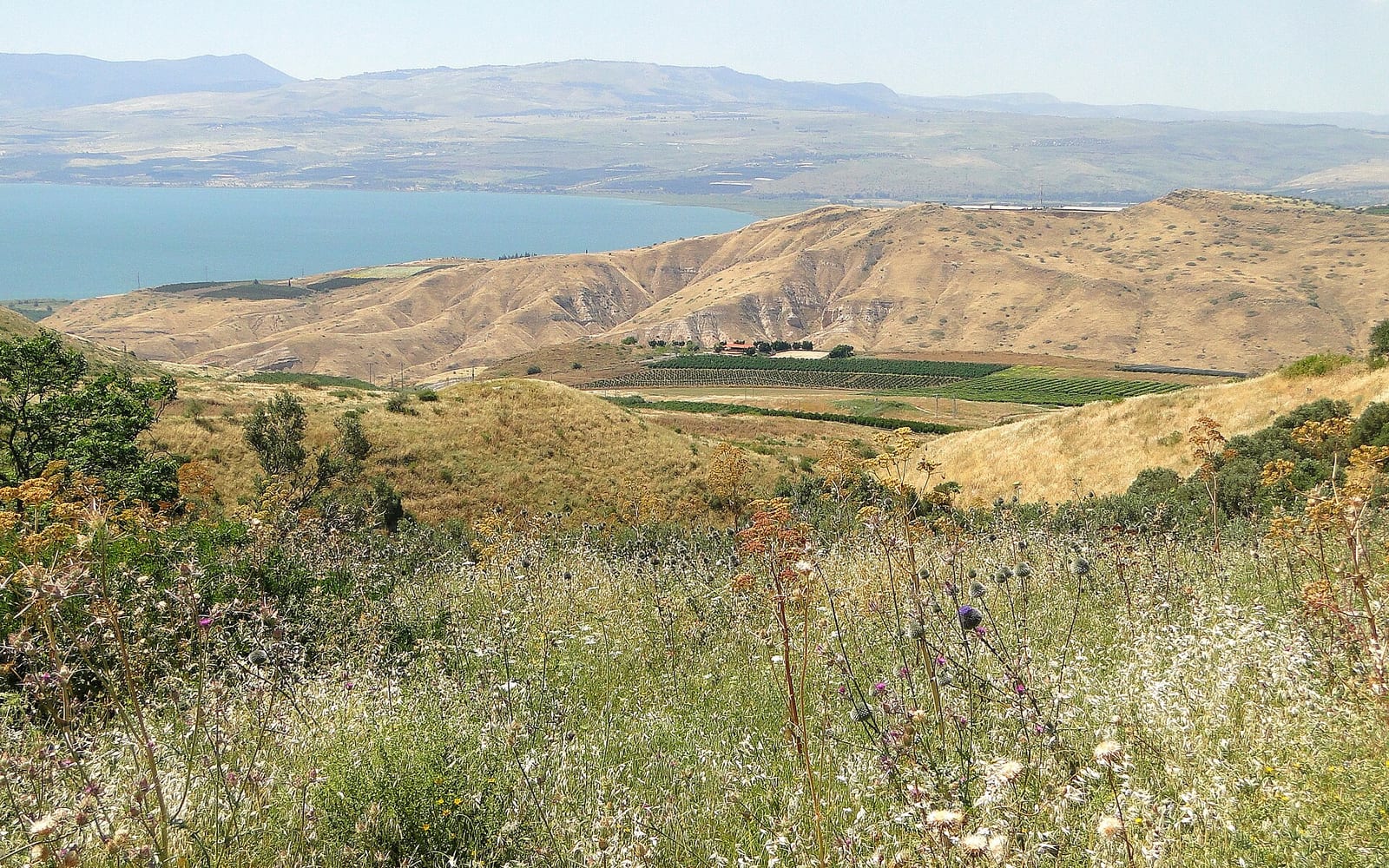
Galilee vineyard estates represent the most in-demand category for outdoor destination weddings in Israel. Properties in the Golan Heights and Upper Galilee combine stone or timber event pavilions, working vineyards as a backdrop, and the pastoral atmosphere of a wine-country estate. Ceremonies take place in the vines or under a stone chuppah arch at sunset; receptions move indoors as the temperature drops. Kosher catering is widely available from specialist wedding caterers who work with the estate kitchens.
The boutique-scale estates tend to book quickly — 18 to 24 months of lead time is the norm for popular summer and autumn dates. See the Israel wine and wineries guide for an overview of the major wine regions.
Historic stone venues — Jaffa, Akko, Jerusalem
Jaffa (Yafo) offers some of the most atmospheric urban wedding spaces in the country. The Ottoman-era stone buildings around the old port have been converted into event venues with arched ceilings, stone floors and terraces facing the sea. An evening wedding in old Jaffa — ceremony at the harbour, reception in a stone hall, guests spilling onto a terrace above the port lights — is a distinctly Israeli experience.
Akko (Acre) carries a similar atmosphere with its UNESCO-listed Crusader halls and Ottoman city fabric. Its event spaces are less polished than Jaffa’s for international weddings but offer extraordinary historical character for couples who want something genuinely unusual.
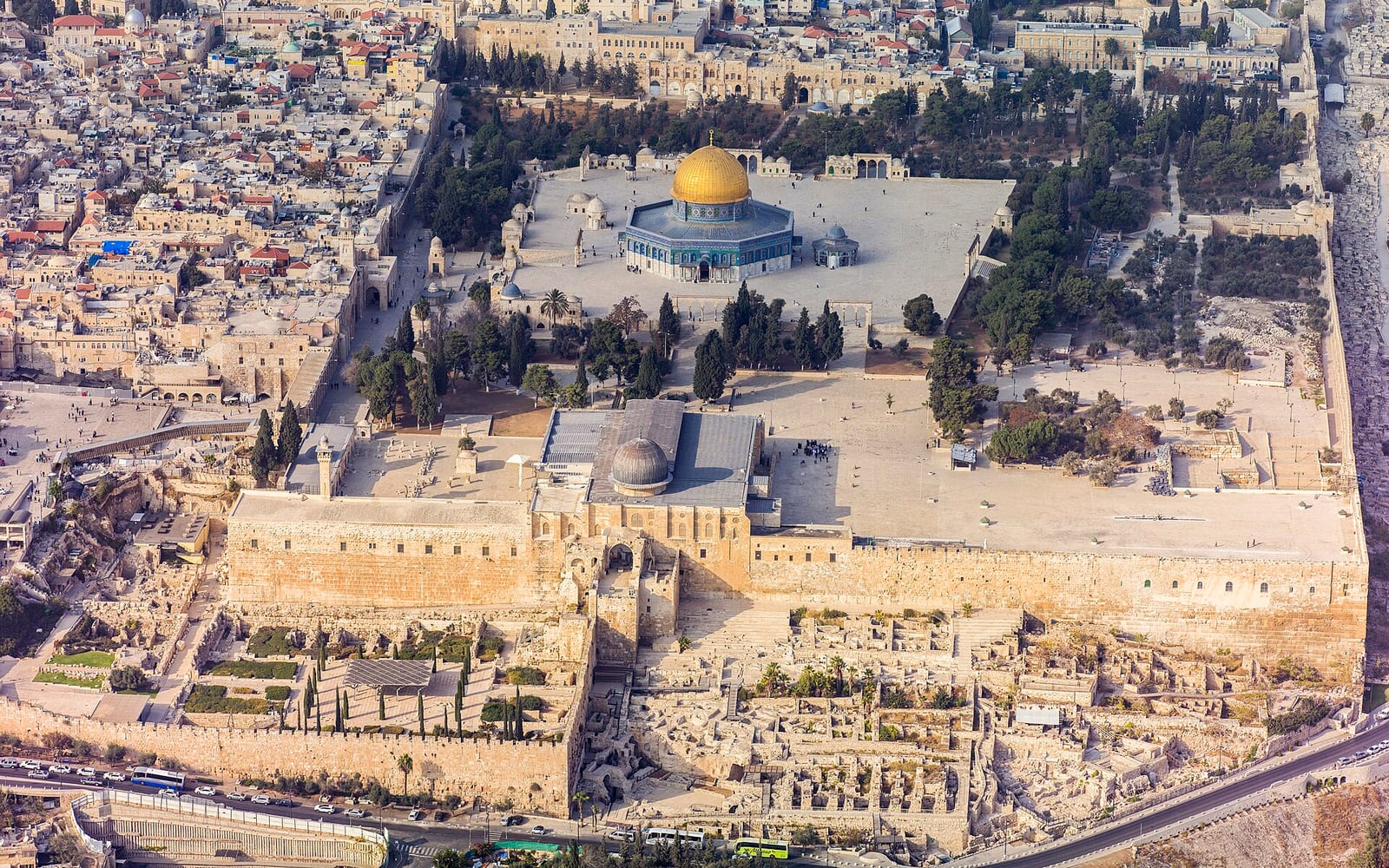
Jerusalem’s Jewish Quarter and the areas around the Old City offer venues with direct views of the illuminated walls — the Tower of David courtyard hosts private events for groups with the budget to secure it.
See the Jaffa travel guide and the Akko guide for orientation on these cities before shortlisting venues.
Desert and crater settings — Negev
For couples drawn to dramatic landscape rather than historical architecture, the Ramon Crater (Makhtesh Ramon) in the central Negev provides one of Israel’s most cinematic backdrops. Ceremony platforms on the crater rim overlook a vast geological depression with exposed coloured rock strata; the Negev sky at dusk — and after dark, at an IDA-certified International Dark Sky Park — is exceptional. Venues here are smaller and more remote, logistics require careful coordination, and summer heat rules out the July–August period entirely.
The Mitzpe Ramon guide covers the crater town and accommodation options for guests staying in the area.
Kibbutz venues — rural and accessible
Kibbutz guest-house hotels across the Galilee, Golan Heights and northern Negev offer an Israel-specific venue type with broad appeal: working agricultural communities that have developed their event infrastructure around guest accommodation, outdoor lawns and catering halls. The atmosphere is informal and genuinely Israeli — further from the grandeur of a Jaffa stone hall but warmer and more accessible for guests of varied ages. Many kibbutz venues are fully kosher and work with established regional caterers. See the Israel kibbutz guide for an overview of the guest-house experience.
Seasonal planning
Spring (April–June) is the most popular period: wildflowers are out in the Galilee, temperatures are 20–28°C during the day, evenings are cool and pleasant, and the light is extraordinary for photography. Passover (late March to April) creates a brief high-demand spike — avoid the festival week itself for venue availability, but the weeks immediately after are excellent.
Autumn (October–November) is arguably the finest period overall. Post-holiday quiet (after the High Holiday cluster of Rosh Hashanah and Yom Kippur, typically September–October), warm days, cooler evenings, grape harvest at the vineyards and a saturated golden light. October is the single most requested month for destination weddings.
Summer (July–August) is viable only for indoor events or evenings starting after 7pm. Outdoor ceremonies in the heat of the day are genuinely uncomfortable and a reputational risk for vendors whose priority is guest experience.
Winter (December–February) suits indoor venues, Eilat (warm and dry), and couples who specifically want a small, intimate celebration outside peak season. Jerusalem can see rain and occasional snow — not ideal for outdoor events, but genuinely beautiful for photographs when it happens.
Building your team
Wedding planner. A local planner with specific experience in international destination weddings is the single most important hire. They navigate Hebrew-language vendor contracts, municipal permit requirements, Shabbat logistics (Friday-evening celebrations require contingency plans for vendors who observe), and the nuances of kosher catering supervision if applicable. Look for planners who can provide references from international couples.
Officiant. Independent officiants — rabbis, interfaith celebrants, and interfaith ministers — are widely available in Israel and work in English. Agree in advance on whether the ceremony is intended as legally recognised in any jurisdiction or purely symbolic.
Kosher catering. If any part of your guest list requires kosher catering, confirm supervision certification with the venue and the caterer early. All-kosher events typically require a single certified caterer and restrict outside vendors from bringing their own food. Mixed events (where some guests require kosher and some do not) add complexity — a planner who has navigated this previously is essential.
Photography and videography. Israel’s light quality is widely praised by photographers. For crater or vineyard ceremonies, ensure your photographer has experience with outdoor desert and low-light conditions. Sunrise shoots at Masada (requiring a 4am departure to beat the tourist crowds) are logistically demanding but produce images that are difficult to replicate anywhere.
Ground logistics for guests. A professional ground handler or an Israel-based tour operator can coordinate airport pickups, hotel block bookings, and optional pre- and post-wedding experiences for guests arriving early. See the Israel group travel guide for practical detail on coordinating groups of 15 or more.
Guest experiences: making the most of Israel
A destination wedding in Israel has a built-in advantage: the country is extraordinary to visit. Many couples extend the wedding into a four- to five-day program for guests — a day in Jerusalem on arrival, the wedding event itself, and a day trip or optional experience the following day. Common guest experience programs:
- Jerusalem full day: Old City walking tour (Western Wall, Via Dolorosa, Church of the Holy Sepulchre), lunch in Machane Yehuda, afternoon at the Israel Museum or Yad Vashem. See the Jerusalem walking tour guide.
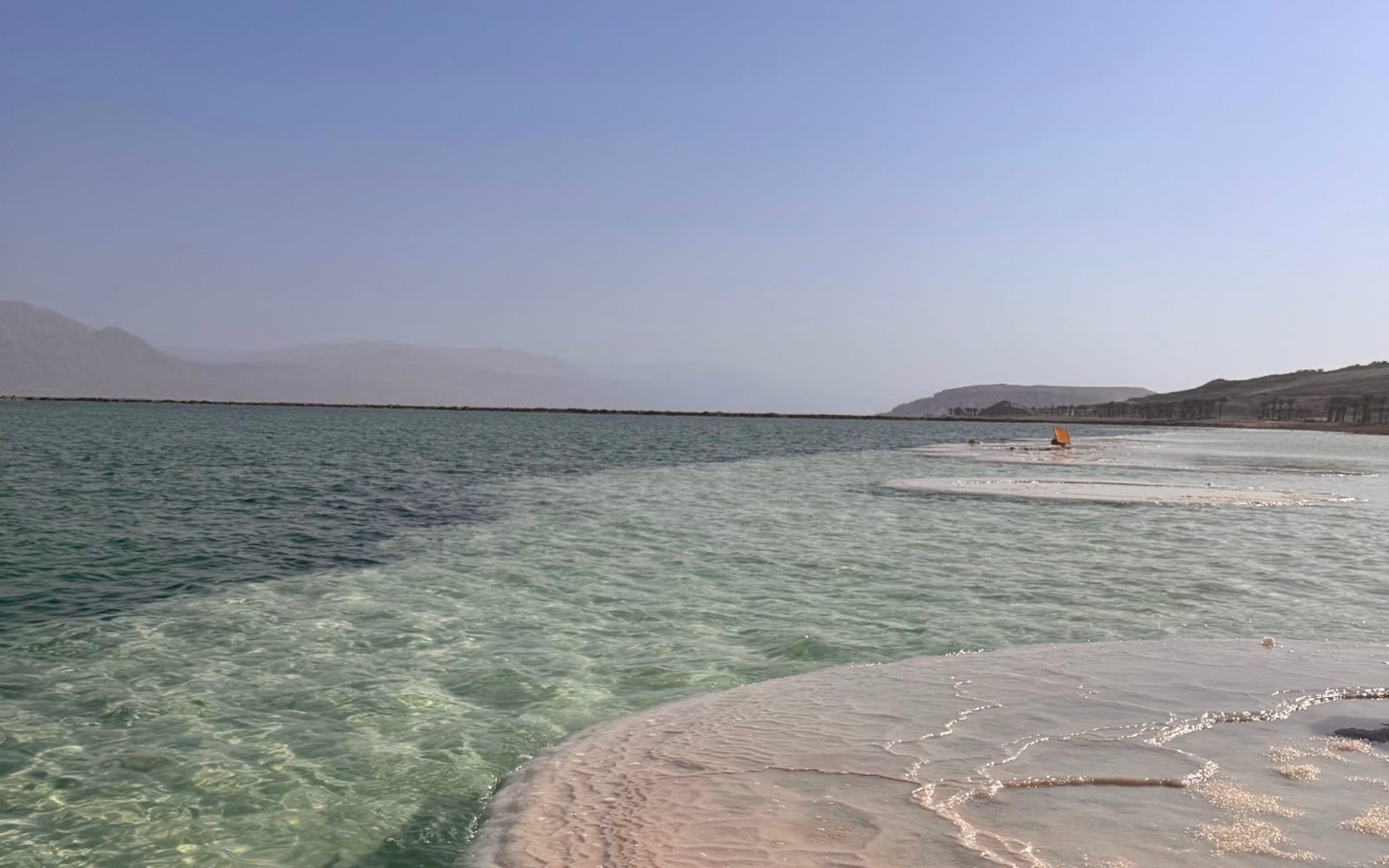
- Dead Sea half day: 90 minutes from Jerusalem or Tel Aviv. Float, mud ritual, fresh-water rinse, lunch at the resort strip. Combines naturally with a Masada sunrise for an overnight group. See the Dead Sea visitor guide.
- Galilee and Golan circuit: Tiberias, Sea of Galilee boat ride, Capernaum, a winery stop and Nimrod Fortress. A natural addition if your venue is in the Galilee. See the Galilee region guide and the Golan Heights wineries guide.
- Tel Aviv day: Carmel Market morning, lunch in Neve Tzedek, beach afternoon, Jaffa port sunset. Works well for guest arrivals or post-wedding recovery. See the Tel Aviv neighborhoods guide.
For guests who want to extend into a fuller trip, the 7-day Israel itinerary and the Israel honeymoon guide provide structured itinerary frameworks that translate well for independent travellers in the wedding group.
Practical notes
Shabbat. Friday evening from approximately 30 minutes before sunset until Saturday night is the Jewish Sabbath. Most vendors who observe Shabbat will not work during this window. If you want a Friday-evening celebration, confirm with every vendor individually well in advance — and have contingency plans. Saturday night celebrations (starting after Shabbat ends) are popular in Israel but begin late (9pm or later in summer).
Noise ordinances. Israeli municipalities enforce noise limits — typically 11pm on weekdays and midnight on Fridays and Saturdays. Outdoor music must stop by these windows. Factor this into your event schedule.
Transport for guests. Israel does not have an Uber equivalent at scale; advance private transfers are more reliable than attempting to arrange on-the-day taxis for groups. Coordinate through a ground handler or the venue’s recommended transfer contacts.
Travel insurance. Strongly recommended for all guests, including the couple. See the Israel travel insurance guide for a summary of what to look for.