Israel’s beer culture has exploded in the past decade. From a handful of pioneers in the early 2000s, the country now has 120+ operating craft breweries — and once a year, the best of them converge on Jerusalem’s Independence Park for the biggest beer event in the country.
The Jerusalem Beer Festival draws 20,000+ visitors over two evenings in late August. It is Israel’s largest beer festival by attendance, by brand count, and by sheer volume: roughly 50,000 litres poured across the event. The setting — a green park in the heart of a city that doesn’t do frivolous very often — makes the contrast all the more striking.
What to expect
The festival fills Gan HaAtzmaut (Independence Park) near King George Street with rows of branded taps, food trucks, and live music stages. The 120+ brands on pour span every tier:
- Israeli craft: Shapiro Brewery (Jerusalem), Dancing Camel, Negev Brewery, Golan Brewery, and dozens of smaller microbreweries from across the country
- International: German lagers, Belgian ales, Czech pilsners, and a rotating selection of international guest breweries
- Israeli Craft Beer Pavilion: a dedicated zone showcasing small-batch producers rarely found outside specialist bottle shops
The live music programme runs from early evening through midnight, with multiple stages covering Israeli rock, indie, and folk. Sound is calibrated for conversation, not just spectacle — you can talk at a normal volume near most stages.
Food trucks are well-stocked with Jerusalem street food standbys: shawarma, jachnun, artisan pizzas, and falafel, plus dessert vendors for the later crowd.
Tickets and getting there
Tickets are sold online via the official festival site (jerusalem-beer-festival.co.il) and at the gate, but online purchase is strongly recommended — the Saturday evening session in particular sells out. Gate tickets are typically in the ₪50–80 range; early-bird discounts apply for purchases made several weeks ahead. Once inside, beer is purchased via token bundles; premium wristbands offering unlimited pours are usually available in limited numbers.
The festival site has no dedicated parking, and traffic on the surrounding streets backs up badly on festival evenings. The simplest approach:
- Light rail: Mahane Yehuda station on Line 1 is the closest stop — a 10-minute walk through Ben Yehuda Street to Independence Park
- Bus: Routes 18, 19, and 20 serve the King George/Ben Yehuda corridor
- Taxi/Rideshare: Gett is the dominant platform; drop-off at the corner of King George and Keren Hayesod
Atmosphere through the evening
The festival runs in two distinct phases. Early evening (17:00–20:00) is calm: families with children, groups of friends settling in, queues at the food trucks rather than the beer stations, and music at conversational volume. This is the best window if you want to sample methodically — the Israeli craft pavilion in particular is easier to explore when it is not packed.
After 20:00, the atmosphere shifts decisively. The crowd is younger, the music louder, and the queues at the popular taps longer. Friday evenings tend to be slightly more laid-back than Saturday, which draws a larger crowd and runs later. If you want to sample broadly, arrive early and work through the pavilions; if you want the energy of a full festival night, Saturday after dark is the peak.
Combining the festival with Jerusalem sightseeing
Late August in Jerusalem is hot (32–36°C by day) but manageable in the evenings (22–25°C) — ideal for outdoor events. A typical festival-day itinerary:
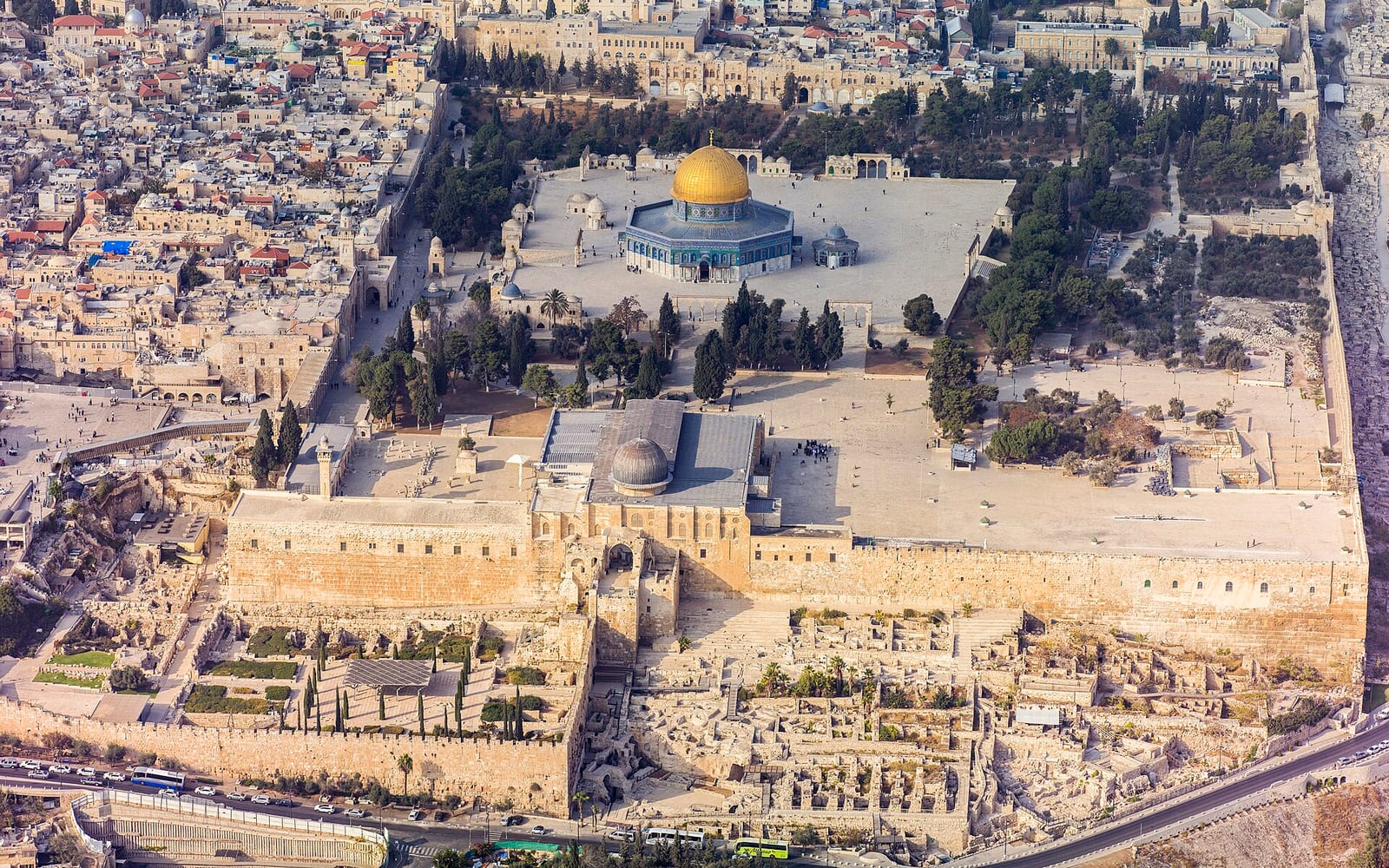
- Morning: Old City — Western Wall plaza at 7:30am before the heat builds, then the Jewish Quarter and Cardo
- Midday: escape the heat at the Israel Museum or the air-conditioned Mahane Yehuda covered market
- Afternoon: Mahane Yehuda Market for a late lunch — try jachnun (slow-baked Yemenite pastry) or the fresh hummus counters
- 17:00: Independence Park gates open; festival until midnight
The market is also one of the best daytime preparation stops for understanding Israeli craft beer — several stalls stock bottles from the same breweries at the festival, and the bottled-beer aisle at the covered market gives you a preview of what’s pouring.
Accommodation strategy
Late August falls between Jerusalem’s two major demand peaks — after the summer school-holiday surge and four weeks before Sukkot (September 25, 2026), when prices and occupancy spike sharply again. This makes late August a sweet spot for value: you get Jerusalem in excellent weather, lower prices than Passover or Sukkot, and hotels with reasonable availability if you book 4–6 weeks ahead.
Recommended areas:
- City Centre / King George Street corridor: closest walk to Independence Park; includes several mid-range boutique properties
- German Colony: quieter neighbourhood, 25-minute walk or short taxi to the park; excellent café and restaurant scene
- Mamilla: premium options with Old City views; walkable to the festival via Ben Yehuda
See the best hotels in Jerusalem guide for a full breakdown by budget and neighbourhood.
The craft beer scene beyond the festival
If one evening of 120+ taps leaves you wanting more, Jerusalem has a small but committed year-round craft beer scene. Shapiro Brewery (Talpiot industrial zone) does brewery tours and tastings by appointment — call ahead. The Jerusalem food guide covers several bars in the Mahane Yehuda area that stock rotating Israeli taps from the same brewers you’ll meet at the festival.
For a national overview of Israeli brewing, the Israel craft beer guide covers the regional styles, leading producers, and the tap-room circuit across Tel Aviv, Jerusalem, and the Negev.
When it fits in a longer Israel trip
The Jerusalem Beer Festival works well as a one-night anchor on a wider itinerary. Pair it with the Israel food festivals calendar to see what else is running the same week. August is also a good month for the Dead Sea (a 50-minute drive from Jerusalem), Eilat (direct flight from Ben Gurion, 1h), and the Galilee (2h by road). See Israel events and festivals for the full annual calendar.