Israel’s food scene — Mediterranean, Levantine, Jewish Diaspora, and Arab — generates an extraordinary culinary calendar throughout the year. From the waterfront food extravaganza of Eat Tel Aviv to intimate Galilee olive-harvest mornings, the country’s festival calendar offers a way to encounter Israeli cuisine at its most celebratory.
This guide covers the major annual food and drink festivals, what each is actually like to attend, how to get tickets, and how to plan a trip around the Israeli culinary calendar.
Food festivals at a glance
| Festival | When (approx.) | Where | Admission | Best for |
|---|
| A Story of Food | Passover week (Mar/Apr) | Expo TLV | Paid | Artisan producers, wine, demos |
| Eat Tel Aviv | May | Charles Clore Park, TLV | Paid (tokens) | Street food, chef stalls, seafront |
| Sarona Wine Festival | June–July | Sarona Market, TLV | Paid (tasting glass) | Israeli wine, boutique market |
| Tel Aviv Cocktail Festival | August | Multiple TLV bars | Varies | Bar culture, mixology |
| Olive Oil Harvest Festivals | November | Galilee & Golan | Mostly free | Farm visits, fresh-pressed oil |
Dates shift each year. The Jewish holiday calendar (particularly Passover) affects spring festivals by up to three weeks from year to year. Always verify exact dates with the official event source before booking flights or hotels.
A Story of Food — Expo TLV
Expo TLV, Tel Aviv · Passover week (late March or mid-April) · 4–5 days
A Story of Food (Sippur shel Ochel) is one of Israel’s largest food and drink trade-and-consumer events, held at the Expo TLV convention centre during Passover week each spring. What began as an industry trade show has evolved into a public food fair drawing over 100,000 visitors across its multi-day run.
What to expect
More than 200 exhibitors fill the Expo halls: boutique Israeli wineries, olive oil producers, artisan cheese makers, chocolate manufacturers, specialty coffee roasters, spice importers, tahini producers, restaurant brands, and international food companies with Israeli distribution. Live cooking demonstrations and chef masterclasses run on a dedicated stage throughout each day.
The Passover timing shapes what you find: most food products at the fair are Passover-certified (chametz-free — no leavened grain), so you will not encounter bread, pasta, or standard baked goods from most exhibitors. This is not a limitation so much as a window into Israeli Passover food culture — matzah-based snacks, flourless cakes, and Passover-legal crackers are everywhere. However, Israeli wine, olive oil, honey, fresh produce, chocolate, and meat products are fully present.
Tickets and logistics
Tickets are sold in advance via expotlv.co.il and at the door. Entry includes access to the exhibition floor; some masterclasses and cooking demonstrations have separate registration. The event runs across multiple days — weekday afternoons are quieter than Saturday.
The Expo TLV centre is in northern Tel Aviv, roughly 15 minutes by taxi from the city centre or accessible by bus from the Arlozorov transport hub.
Cross-link: Israeli food & cuisine guide · Israel events & festivals calendar
Eat Tel Aviv
Charles Clore Park, Tel Aviv · May · 4–5 days
Eat Tel Aviv is Israel’s flagship outdoor food festival, held on the Mediterranean seafront at Charles Clore Park each May. The 2026 edition was the 10th annual event, drawing around 50,000 visitors over its long-weekend run.
What to expect
Dozens of Tel Aviv restaurants and food producers operate stalls within the park, serving smaller, shareable portions at a fixed token price. The format is designed for grazing: buy a booklet of tokens at entry, then work through as many stalls as you like. Expect shakshuka with a twist, creative hummus variations, artisan breads, fresh fish dishes, grilled meats, craft beer, and experimental desserts from the city’s most creative kitchens.
The seafront location adds genuine character — the Mediterranean behind you, the Tel Aviv skyline in the evening glow, and the smell of grilling across the park. Evening sessions on the Thursday and Friday opening nights tend to attract the most atmospheric crowds; Saturday afternoon is family-dominated and very crowded by mid-afternoon.
What makes it worth attending
For visitors who want a quick overview of Tel Aviv’s restaurant scene without booking individual restaurants for every meal, Eat Tel Aviv is the most efficient way to sample 10–15 different kitchens in a single afternoon. Many of the participating restaurants are mid-to-high-end operations that do not usually do street-food format — the festival format makes their cooking accessible at lower entry cost.
Tickets and logistics
Tickets are sold via eattlv.co.il (verify current site). Entry prices have historically been ₪40–70 for a basic pass including some tasting tokens; additional token top-ups are purchased on-site. The park is a 20-minute walk south along the seafront from central Tel Aviv (Dizengoff or Rothschild areas), or a short taxi from anywhere in the city.
Cross-link: Tel Aviv food guide · Tel Aviv neighborhoods guide · Israeli street food guide
Sarona Wine & Food Festival
Sarona Market, Tel Aviv · Late June or July · 4–5 days
The Sarona Wine Festival takes place in one of Tel Aviv’s most distinctive settings: Sarona Market, built within a complex of 19th-century German Templar stone buildings in the heart of the city. The former Templer agricultural colony — built between 1871 and 1910 — has been restored into a boutique dining, shopping, and lifestyle destination that feels unlike anywhere else in Tel Aviv.
What to expect
The festival showcases Israeli wines from wineries across the country’s main growing regions: the Galilee (including the Galilee highlands and Golan), the Judean Hills, the Shomron, the Negev, and the Sharon plain. Entry tickets typically include a tasting glass; wines are poured at winery stands throughout the Sarona compound and its outdoor spaces.
Alongside the wine, the festival includes artisan food producers — local honey, specialty cheeses, olive oils, and preserves — creating a full produce market atmosphere. The evening sessions are particularly popular: the Templar buildings are illuminated, and the combination of stone architecture, good wine, and warm Israeli summer evenings is genuinely charming.
Practical tips
- Entry tickets include a glass and usually a set number of tasting pours; top-ups or full bottle purchases are available at most stands
- Israeli wine portions at festivals are typically small — tasting size rather than full pours
- The Sarona complex has multiple food restaurants operating normally during the festival; booking a restaurant dinner after the wine tasting makes a natural full evening
- Check sarona.co.il or the winery association (wineries-israel.com) for confirmed dates each year
Cross-link: Israel wine & wineries guide · Israeli cuisine guide · Tel Aviv evening activities
Tel Aviv Cocktail Festival
Multiple bars across Tel Aviv · August · 4–5 days
The Tel Aviv Cocktail Festival runs across the city’s bar scene each August, featuring guest bartenders from international cocktail destinations taking over Tel Aviv venues alongside showcases by Israeli mixologists. Unlike a single-venue festival, this event is distributed across the city — different bars participate each year with their own programming.
What to expect
The format varies: some bars run ticketed masterclasses or cocktail-pairing dinners; others offer festival-specific cocktail menus or host international guest bartenders for a single evening. The Israel cocktail scene has grown rapidly since 2020, with several Tel Aviv bars appearing in lists of notable Mediterranean bar destinations. The festival showcases this alongside international benchmark talent.
August context
August is Tel Aviv’s hottest month — temperatures regularly exceed 32°C. Evening cocktail events (most programming runs from 7pm onwards) are far more comfortable than daytime sessions. August is also peak tourist season, so booking tables at the participating restaurants and bars is essential rather than optional.
Check the official festival channels (search “Tel Aviv Cocktail Festival” + current year) for the confirmed venue programme and advance ticket links.
Cross-link: Tel Aviv nightlife guide · Israel evening activities guide
Olive oil harvest festivals — Galilee & Golan
Northern Israel · November (sometimes late October) · Weekends
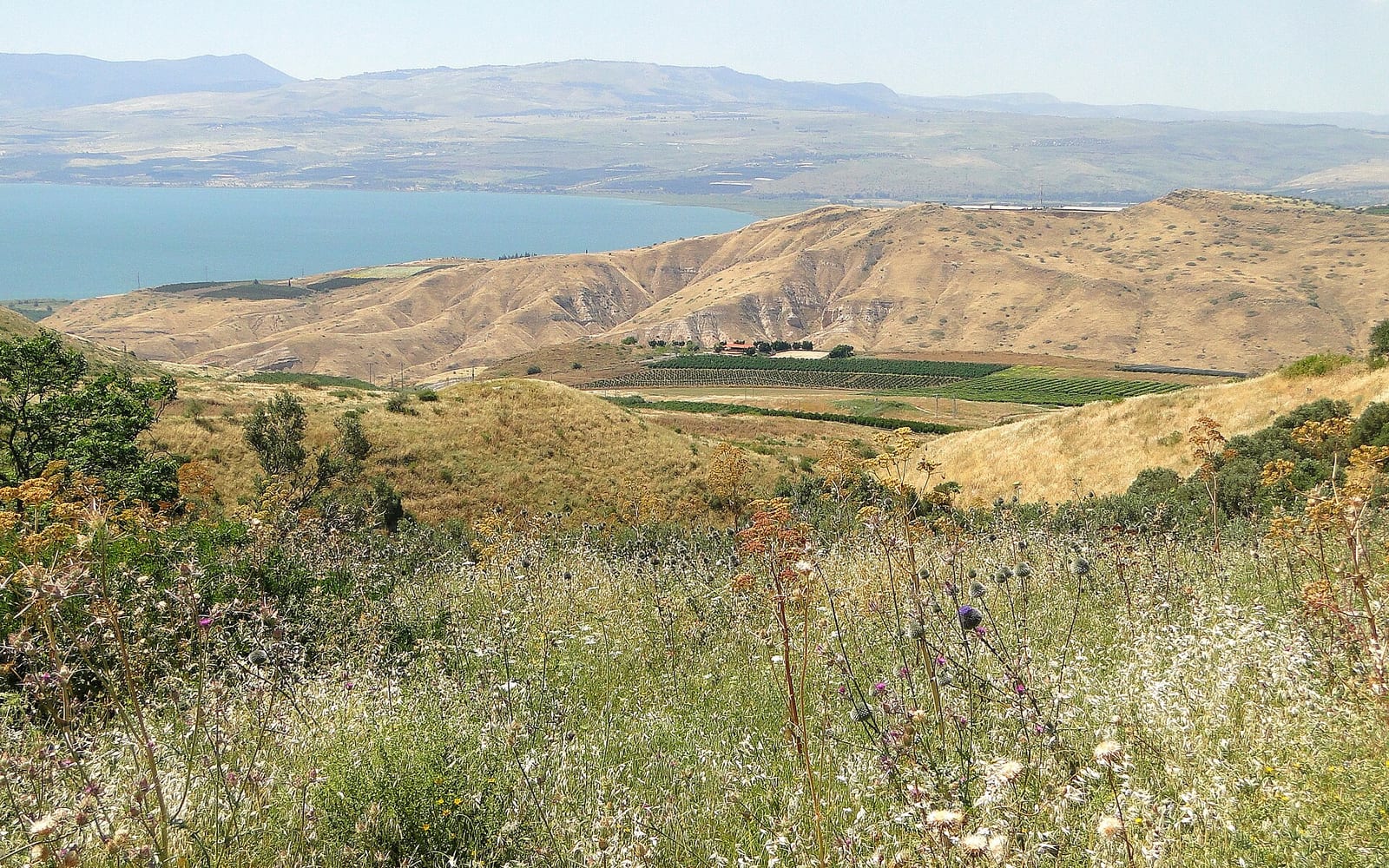
The olive harvest is one of the oldest agricultural rituals in Israel — olive trees in the Galilee and Golan Heights have been cultivated for thousands of years, and the November harvest season is when farms and kibbutzim across the north open their groves and presses to visitors.
What to expect
Harvest festivals are typically organised by individual farms, kibbutzim, and moshavim rather than a single centralised event. A typical visit might include walking through an ancient olive grove during the harvest, watching olives being sorted and cold-pressed, and tasting the fresh-pressed oil — cloudy, intensely green, and dramatically different from the bottled oil sold in supermarkets. Artisan markets selling local produce (honey, za’atar, dried herbs, vinegar, halva) are common alongside the olive pressing.
The Druze village communities of the Galilee and Carmel are particularly welcoming during harvest season — the Druze agricultural tradition is deeply tied to olive cultivation, and village harvest days include traditional food preparation alongside the oil pressing.
How to find events
There is no single booking platform for harvest festivals. Look for:
- Chag ha-zayit (חג הזית in Hebrew) — the phrase used for most harvest celebrations; useful for searching Hebrew-language local tourism sites
- KKL-JNF (kkl.org.il) — the national forestation authority runs managed forests and sometimes partners with harvest events
- Regional tourism associations: Galilee tourism (gali.org.il), Golan tourism board — both publish seasonal event calendars
A rental car is strongly recommended for exploring multiple farms in a day; public transport to rural Galilee farms is limited.
Cross-link: Galilee region guide · Druze villages of the Carmel · Israel national parks pass
Planning a food festival trip to Israel
When to go
The Israeli culinary festival calendar clusters around two windows:
- Spring (April–May): Passover-week A Story of Food → Eat Tel Aviv in May. The weather is warm and dry, and the country is alive with post-Passover activity. This is the best single trip for maximum food festival coverage.
- Late June to August: Sarona wine festival in June–July → Cocktail Festival in August. Summer is hot but the evening events are excellent. Combine with beach time and night markets.
November olive harvest festivals suit travellers who prefer cooler weather and a quieter tourist season in the north.
Accommodation for festival periods
Tel Aviv hotel and short-term rental availability drops during:
- Eat Tel Aviv weekend (May): book 6–8 weeks ahead minimum
- Passover week: the busiest travel period in Israel; prices surge and availability drops weeks or months ahead
- August generally: peak tourist season; last-minute options are expensive
Booking.com and Airbnb both cover the Tel Aviv market well; the Florentin, Rothschild Boulevard, and Dizengoff neighbourhoods put you within 20 minutes of Charles Clore Park and Sarona.
Food festival budget
| Item | Approximate cost |
|---|
| Eat Tel Aviv entry + token booklet | ₪60–100 |
| Sarona Wine Festival entry | ₪70–120 |
| A Story of Food entry | ₪40–80 |
| Cocktail Festival bar event | ₪80–200 per evening |
| Olive harvest farm visit | Mostly free (artisan purchases extra) |
Prices are estimates based on recent editions. Always check the official event website for current year pricing before planning.
Beyond the festivals: everyday food worth seeking out
The food festivals capture Israeli cuisine at its most concentrated, but the everyday food scene is strong enough to sustain a culinary-focused trip without a single festival:
- Carmel Market (Shuk HaCarmel), Tel Aviv — the city’s most famous market; best on weekday mornings when it is not overwhelmed by weekend crowds
- Mahane Yehuda Market, Jerusalem — the place to understand Jerusalem’s layered food culture; the transition from daytime produce market to evening bar scene is uniquely Jerusalem
- Wadi Nisnas, Haifa — the Arab neighbourhood with the city’s best hummus and traditional pastry shops
- Druze village restaurants, Galilee — home cooking served to visitors, particularly in Daliyat al-Karmel and Isfiya on the Carmel
Cross-link: Israeli street food guide · Tel Aviv Carmel Market guide · Israeli kosher food guide · Israel gluten-free guide
Safety and current context
Tel Aviv and the wider central Israel area have operated normally for visitors throughout 2025–2026, including all major food festivals. Events include standard Israeli security arrangements (bag checks at entry points).
Always check your home government’s current travel advisory before travelling to Israel. The Is Israel safe to visit? guide covers the security context in detail.