June arrives in Israel with a remarkable density of events that no other month can match. Tel Aviv Pride brings hundreds of thousands to the streets. The Jerusalem Festival of Light turns the Old City into a free outdoor gallery for 10 nights. White Night holds the city open until dawn. And underneath it all, the Mediterranean reaches its peak beach temperature while the evenings stay warm enough to stay out until midnight without a jacket. This is the month to experience Israel at its most urban, most celebratory, and most electrically alive.
June in two modes
June splits naturally into two distinct modes:
Events-forward June (weeks 1–3): The city calendar is at maximum density. Tel Aviv Pride week dominates the first half; the Jerusalem Festival of Light runs in the middle; White Night arrives at the end of the month. These are world-class events by any measure — not local curiosities.
Beach and leisure June (all month): The Mediterranean is 26–28°C, the days are dry and reliably sunny, and Israel’s coastline is at its annual peak. The beach runs in parallel with everything else — even on Festival of Light evenings you can start with a morning swim and take the train to Jerusalem in the afternoon.
Tel Aviv Pride
Tel Aviv Pride is one of the world’s top five Pride parades by attendance — a full week of events culminating in a major Saturday or Sunday parade from central Tel Aviv to the beachfront.
The week
Pride Week typically runs the first 10–12 days of June. The city’s bars, galleries, restaurants, parks, and rooftops fill with Pride-themed events: film screenings at the cinematheque, outdoor concerts in Gan Meir Park, block parties along Rothschild Boulevard, and enormous beach club nights that begin at midnight and run until dawn. The centre of gravity is the Florentin neighbourhood for independent-scene nightlife and the Hilton Beach strip for beach parties.
The parade
The parade runs from Gan Meir Park on King George Street along Dizengoff, across the city, and down to the seafront — arriving at the Tel Aviv beach around mid-afternoon, where a beach stage and party continue through the evening. The route is free to line; the best vantage points are early on King George Street before the route turns, or the beachfront finishing area.
The parade typically draws 200,000–250,000 people. It is one of the most internationally attended events in Israel — visitors come from across Europe, North America, and beyond specifically for it.
Practical
- Exact dates and the parade route shift slightly year to year — verify at tlv.gov.il or the official TLV Pride social channels before planning.
- Accommodation in central Tel Aviv fills 6–8 weeks ahead for Pride week. Book early.
- The Hilton Beach area is LGBTQ+-friendly year-round; it becomes the epicentre during Pride.
For the full planning guide including events, accommodation picks, and the best Pride vantage points, see Tel Aviv Pride and the general LGBTQ+ travel in Israel guide.
Jerusalem Festival of Light
For 10 nights in mid-June, the Jerusalem Old City becomes one of the world’s most spectacular outdoor light-art venues.
International and Israeli artists use projection mapping, LED sculpture, and atmospheric installations to illuminate the 2,000-year-old stone walls, archways, churches, mosques, and synagogues of the Old City’s four quarters. A free 3km walking route passes through the Christian, Muslim, Jewish, and Armenian Quarters — from the Jaffa Gate through the narrow alleys to the Jewish Quarter and Western Wall plaza.
What to know
- Entry to the main route is free — no tickets required. A separately ticketed Tower of David show runs in parallel.
- Best visited 9pm–midnight on a weekday evening for lower crowds. Weekends in the first half of the festival fill the Old City significantly.
- The cobblestones and narrow alleys are challenging with strollers; flat shoes essential.
- The stone walls lit against the night sky are exceptional for photography — smartphone Night Mode handles the light well. A small tripod dramatically improves results.
Combining with daytime sightseeing
The ideal June Jerusalem day: Old City sightseeing in the morning (before 11am, before the heat builds), lunch in the Christian Quarter or Armenian Quarter, afternoon at the Israel Museum or Mahane Yehuda market, evening on the Festival of Light route starting at 9pm.
From Tel Aviv, a day return is entirely feasible by train — Merkazit HaMifratz or Tel Aviv HaShalom to Jerusalem Yitzhak Navon, 30 minutes, excellent frequency.
HONESTY: Festival dates shift by 1–2 weeks annually depending on scheduling. Always verify the current year’s dates and route map at the official site before planning. The free walking route has been the format since the festival’s founding, but confirm free access is still current.
See the Jerusalem Festival of Light guide for complete logistics.
White Night (Laila Lavan)
Tel Aviv’s White Night is one of the most original public events in Israel — and one of the least known outside the country.
On one night in late June, more than 70 cultural venues open simultaneously and for free from sunset until dawn: museums, galleries, open-air performance spaces, parks, rooftop bars, architectural studios, cinemas, libraries, and outdoor concert stages. The night runs from approximately 8pm to 6am.
The White City / Bauhaus architecture angle: The Bauhaus Center on Dizengoff Street runs late-night guided walks of the White City’s International Style buildings — seeing the 1930s architecture lit against the June night sky is an experience the daytime walk cannot replicate. This is the best White Night use of the evening for architecture enthusiasts.
The street scene: Dizengoff Square, the Carmel Market quarter, Neve Tzedek’s courtyards, and the Tel Aviv Port (Namal) all host outdoor stages, markets, and performances. Municipal squares run free concerts; independent galleries in Florentin hold open-studio nights.
Practical:
- White Night is free throughout — no tickets, no entry fees to any participating venue.
- The 2026 White Night was June 25–26. The date shifts slightly each year — check the Tel Aviv municipality at tlv.gov.il for the current year.
- Buses and light rail run all night on White Night.
- It is not a quiet evening — the city is fully awake and dense with people. If you prefer less crowded cultural experiences, arrive at 9pm rather than midnight.
Jaffa Fest: outdoor theatre at the ancient port
The Jaffa International Theatre Festival runs in mid-June, bringing international and Israeli theatre companies to outdoor stages at the Jaffa Port and the ancient port’s stone squares.
Performances range from large-scale physical theatre to intimate spoken-word; most outdoor performances are accessible regardless of language. The Jaffa Port setting — the ancient harbour lit at night, the sea behind, the old city rising above — is one of Israel’s most theatrical venues by nature.
HONESTY: The festival format and specific dates change year to year. Verify the current year’s programming at the Jaffa Theatre Festival official channels before planning travel around it.
Shavuot: Israel’s dairy holiday
Shavuot falls in late May or early June (the exact date shifts each year with the Hebrew calendar — 2027 falls June 11–12; verify at chabad.org/holidays). It is one of the most food-centred holidays in Israel’s calendar and genuinely accessible to non-Jewish visitors.
The dairy culture
Shavuot is the traditional Jewish dairy festival — a holiday when cheese, cream, and dairy foods take centre stage. In the week before Shavuot, markets like the Machane Yehuda Shuk in Jerusalem and the Carmel Market in Tel Aviv overflow with artisan cheese stalls, labaneh, cheesecake, blintzes (cheese-filled crêpes), and iced dairy drinks. The visual and sensory spectacle is striking — the markets are at their most photogenic. Dairy food businesses run seasonal specials; many Jerusalem restaurants create Shavuot menus weeks in advance.
Tikkun Leil Shavuot
On the night of Shavuot, synagogues across Israel hold Tikkun Leil — an all-night Torah study session that runs from nightfall to dawn. In Jerusalem’s Jewish Quarter and in Safed, most synagogues are open to respectful curious visitors for part of the evening. The experience of walking through the Old City at 2am to the sound of study and prayer from open doorways is something very few travellers think to do — and it is genuinely extraordinary.
HONESTY: Shavuot is a one-day holiday in Israel (two days in the diaspora). Closures are limited to the holiday day itself — less disruptive than Passover or Yom Kippur. Specific synagogue visitor access varies; check with your hotel concierge or the Old City tourism office for current-year access. In 2027, Shavuot falls on Friday June 11 — rolling directly into Shabbat for a three-day closure window; see the dedicated Shavuot in Israel guide for logistics.
The beach: June’s Mediterranean peak
June is the beginning of Israel’s peak beach season — the water is excellent, and the morning hours are still human-scale in temperature.
Sea temperature: 26–28°C — warmer than any Atlantic European beach, comparable to the Caribbean in summer. The water is clear, calm (Mediterranean), and inviting.
The sweet spot: June is slightly less crowded on the beach than July and August, as Israeli school holidays begin in late June rather than early June. The first three weeks of June are the best time to enjoy Tel Aviv’s beach strip with good weather and moderate crowds.
The Tel Aviv beach strip: Gordon, Hilton, Frishman, Nordau, Banana, HaTzuk, and the quieter northern beaches toward the Port all operate at full capacity from June. Beach bars, volleyball nets, kayak rentals, and paddleboard hire are running. The Hilton Beach is the designated LGBTQ+-friendly beach and becomes particularly vibrant during and after Pride.
Haifa’s beaches: Dado Beach, Bat Galim, and Carmel Beach are all in operation, with a more local, less tourist-heavy feel. The drive from Haifa’s German Colony to Dado Beach takes 10 minutes — a good base for visitors combining coastal and city sightseeing.
Eilat and the Red Sea: The water is 27–28°C and the diving visibility is excellent. June is a strong diving month before the peak summer heat makes the surrounding desert oppressive. The Coral Beach Nature Reserve is at its best in June mornings. Note that Eilat land temperatures reach 35–40°C — plan any activity before 10am or after 4pm.
See the best beaches in Israel for the full beach-by-beach guide.
Tel Aviv in June
June is the month when Tel Aviv’s outdoor culture reaches its fullest expression.
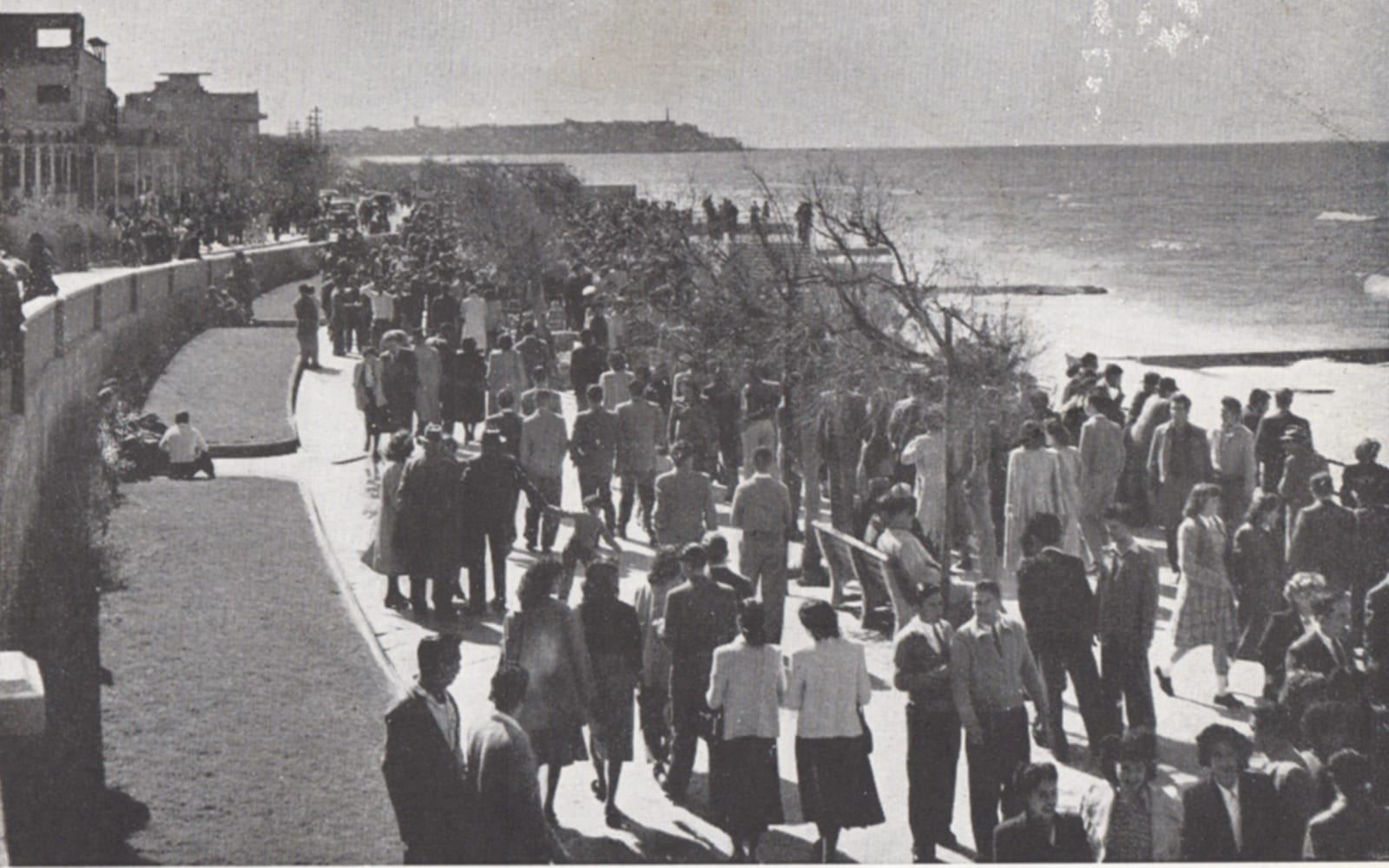
Rooftop bars and evening dining: The long evenings (sunset at 7:30pm; genuine darkness only by 9pm) combined with 22–25°C night temperatures make June the ideal month for Tel Aviv’s rooftop scene. The Norman Hotel rooftop, the Aloft pool bar, and the rooftop terraces along the Tayelet are at maximum atmosphere.
Florentin at night: The neighbourhood south of the Carmel Market becomes the city’s most concentrated nightlife zone in June — particularly around Pride. Bar crawls starting at 11pm and running until 4am are normal here.
The Carmel Market (Shuk HaCarmel): June is the Shuk at its summer best. Stalls of strawberries, stone fruits, herbs, and local produce fill the lanes from 7am. The Friday pre-Shabbat market is at its most vibrant from 7–11am.
Cultural season: June coincides with the closing of the spring cultural season before the summer lull. The Tel Aviv Museum of Art and the ANU Museum of the Jewish People both run full programming through June. Check current exhibitions before visiting — they change frequently.
Jerusalem in June
Jerusalem in June is warm and dry — 24–28°C by day, comfortable 17–20°C evenings — and far more pleasant than the coast in summer heat.
Before the Festival of Light: The Old City runs its normal rhythm, busy but not overwhelming. The best daytime window is early morning (before 10am) at the major sites — the Church of the Holy Sepulchre, the Western Wall, and the Temple Mount (Haram al-Sharif) are all most accessible before the tour groups arrive at mid-morning.
Festival of Light evenings: The Old City is a different place in the festival evenings — the normally commercial stone alleys become artistic and contemplative, lit by international artists working with the 2,000-year-old architecture. This is one of the experiences that justifies a trip to Jerusalem in June specifically.
Mahane Yehuda at night: The shuk’s bars and restaurants open after market hours — from around 8pm on Thursdays and Sundays, the market stalls transform into bar seating under the arched roofs. June evenings here are excellent.
June events calendar
Shavuot (late May / early June, date varies annually): Dairy food holiday; Tikkun Leil all-night study in synagogues; Machane Yehuda and Carmel Market at peak dairy-food display; Western Wall dawn prayer gathering open to all visitors. Verify the exact date at chabad.org/holidays — it shifts each year. Full visitor guide: Shavuot in Israel.
Tel Aviv Pride Parade (typically second week of June): World-scale Pride parade from Gan Meir to the beachfront; 200,000+ attendees; week-long build-up of events across the city. Exact date varies — verify at tlv.gov.il.
Jerusalem Festival of Light (mid-June, 10 nights): Free walking route through the Old City; 250,000+ visitors over the festival’s run; must-see for Jerusalem visitors in June.
Jaffa International Theatre Festival (mid-June): Outdoor theatre at Jaffa Port; international troupes; performances run outdoors into the night.
White Night / Laila Lavan (late June, one night): 70+ venues open free all night across Tel Aviv; free concerts, museum access, gallery openings, architectural tours.
Fattal Rock Festival Eilat (typically second week of June, 3 evenings): Israeli rock and pop-rock headliners — Chanan Ben Ari headlined the 2026 edition — on outdoor Gulf of Aqaba waterfront stages at Fattal Hotels’ North Beach properties in Eilat. Hotel package access (Royal Beach / Club Hotel Eilat by Fattal) is the primary route; external tickets sometimes available via IsraTicket. June Eilat delivers ideal summer evenings of 26–28°C for outdoor rock concerts. Full guide: Fattal Rock Festival Eilat.
HONESTY: All of the above event dates shift by 1–2 weeks annually. Never plan travel around specific June dates without first verifying the current year’s schedule at the relevant official sources — tlv.gov.il, the Jerusalem Festival of Light official site, and chabad.org/holidays for Shavuot.
Practical June planning
Weather
- Coast (Tel Aviv, Haifa): 27–30°C days, 22–25°C evenings. Warm but not oppressive. UV 8–10 — SPF 50 and a hat are essential.
- Jerusalem: 24–28°C days, 17–20°C evenings. The most comfortable major city for daytime sightseeing in summer.
- Galilee and Golan: Warm and lush in June before the July dryness; Banias and Sea of Galilee still have flowing streams and green hillsides in early June.
- Eilat and Dead Sea: 35–40°C. Plan activities for early morning (before 9am) or late afternoon (after 4pm). Carry 4–5 litres of water per person for any outdoor activity.
What to pack for June
Light summer clothing throughout. Sunscreen, hat, and sunglasses are non-negotiable. A light layer for Jerusalem evenings (17–20°C at night). Comfortable walking shoes for the Jerusalem Festival of Light route (3km of cobblestones). Modest clothing for religious sites — covered shoulders and knees for both the Western Wall and church visits.
Booking priorities
- Tel Aviv accommodation for Pride week (early June): 6–8 weeks ahead minimum.
- Jerusalem accommodation for Festival of Light weekends: 3–4 weeks ahead.
- White Night accommodation in central Tel Aviv: 3–4 weeks ahead for rooftop-view hotels.
- Outside event periods: 2–3 weeks is generally sufficient across the country.
Where June fits in the bigger picture